Quick Guide to Your Asian Adventure
- Why "Best" is a Tricky Word: It's All About Trade-Offs
- The Asia Climate Cheat Sheet: Monsoons, Heat, and Everything In Between
- Breaking It Down: The Best Months to Go to Asia by Region
- The Quick-Reference Table: Best Months to Go to Asia at a Glance
- Beyond the Weather: Other Crucial Factors for Your Decision
- Your Asia Travel FAQs Answered
- Final Thoughts: Making Your Choice
Let's be honest. That's the million-dollar question, isn't it? You're dreaming of turquoise waters, ancient temples, bustling street markets, or maybe serene mountain trails. But then you hit a wall. Asia is massive. It's not a single country with one type of weather. The climate in Bali is a world away from what you'll find in Beijing or Bhutan. Picking the wrong time can mean facing torrential rains, unbearable heatwaves, or tourist crowds so thick you can't move.
I've made that mistake before. I once booked a trip to Northern Vietnam in July, lured by cheap flights, only to spend a week slogging through humidity so thick you could drink it, with daily downpours that washed out a hiking trip to Sapa. Lesson painfully learned.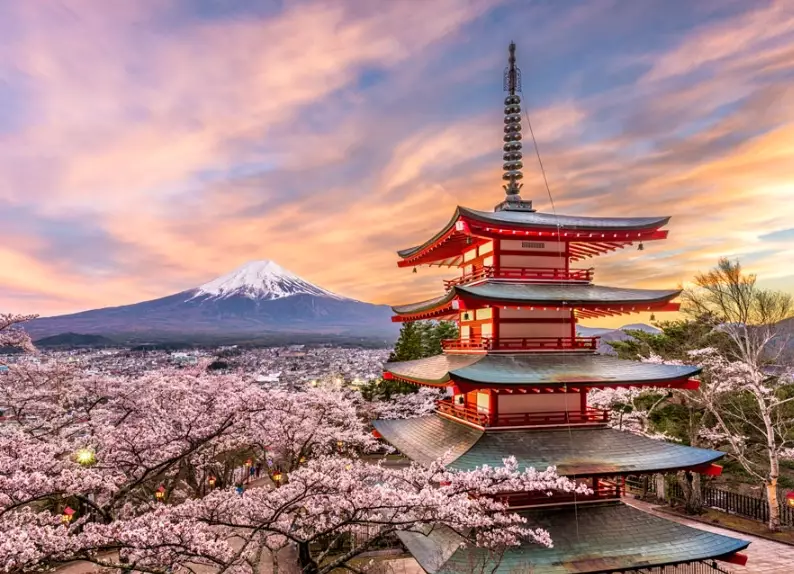
So, let's cut through the confusion. There's no single "best" month for all of Asia. Instead, the perfect time depends entirely on where you want to go and what you want to do. This guide is my attempt to save you from my past mistakes. We'll break it down region by region, season by season, and factor in things like festivals, crowds, and your budget. By the end, you'll have a clear answer tailored to your own Asian adventure.
Why "Best" is a Tricky Word: It's All About Trade-Offs
Before we dive into calendars, let's set expectations. Deciding on the best months to go to Asia is about balancing a triangle: Weather, Crowds, and Cost. You can rarely have all three at their peak.
Perfect weather (think: dry, sunny, 25°C) usually attracts everyone else, leading to peak season. That means higher prices for flights and hotels, and more crowds at major attractions. On the flip side, the low season often has the best deals and emptier sites, but you might gamble with rain or heat.
The smart move? Aim for the shoulder season—those weeks just before or after peak season. You get most of the good weather without most of the headaches.
The Asia Climate Cheat Sheet: Monsoons, Heat, and Everything In Between
You can't talk about Asian weather without mentioning the monsoon. It's not just "rain"; it's a seasonal wind shift that dictates life across the continent. There are two main ones:
- The Southwest Monsoon (Summer Monsoon): Roughly May to September. It brings heavy, often predictable rainfall to South and Southeast Asia (think India, Thailand, Vietnam, Cambodia). The air is humid, landscapes are lush, and you'll get rain, usually in intense afternoon bursts.
- The Northeast Monsoon (Winter Monsoon): Roughly November to March. This brings drier air to most of Southeast Asia, making it the classic high season for beach destinations. However, it can bring rain to places like Eastern Malaysia and the Philippines.
Then you have the temperate zones of East Asia (Japan, South Korea, Northern China), which have four distinct seasons similar to Europe or North America, with cold winters and hot, humid summers.
And let's not forget the altitude factor. In the Himalayas (Nepal, Northern India, Bhutan), temperature is more about elevation than calendar month.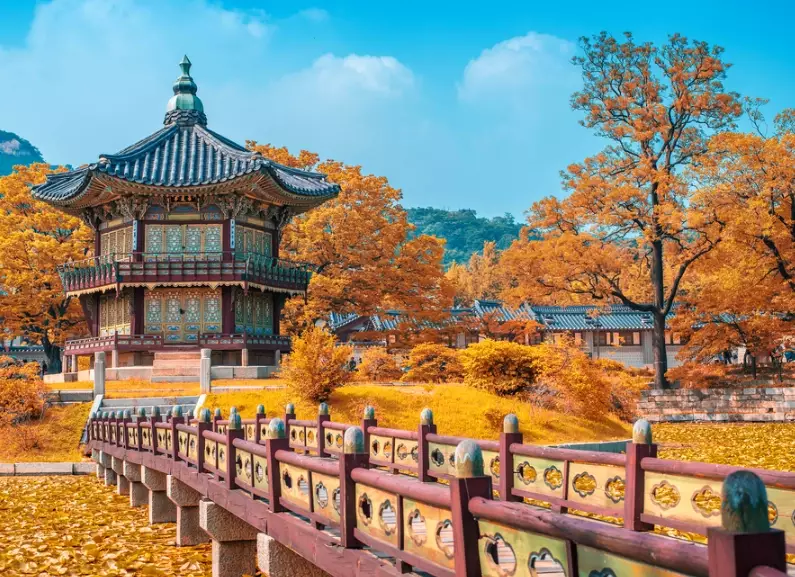
Breaking It Down: The Best Months to Go to Asia by Region
This is where we get practical. Let's map it out.
Southeast Asia (Thailand, Vietnam, Cambodia, Laos, Myanmar, Indonesia, Philippines, Singapore, Malaysia)
This is probably what many people picture when asking about the best months to go to Asia. The classic tourist trail.
Mainland (Thailand, Vietnam, Cambodia, Laos, Myanmar):
- Best Weather: November to February. This is the dry, cooler season. Days are sunny, humidity is lower (though still present), and nights can be pleasant. This is peak season.
- Shoulder Season Sweet Spot: March to April & October. March-April gets very hot, especially inland (hello, 40°C in Angkor Wat). But beach areas are still nice. October is the tail end of the rainy season—you might get a shower, but you also get lush scenery and fewer tourists.
- Monsoon Season: May to September. It's hot, humid, and rainy. But it's also green, less crowded, and cheaper. The rain isn't constant; it often comes in heavy afternoon thunderstorms. Coastal areas on the Gulf of Thailand (like Koh Samui) have a reversed pattern, with their best weather from June to August.

Indonesia & Malaysia (including Borneo):
Equatorial, so it's warm year-round. The key is rainfall patterns, which vary by island.
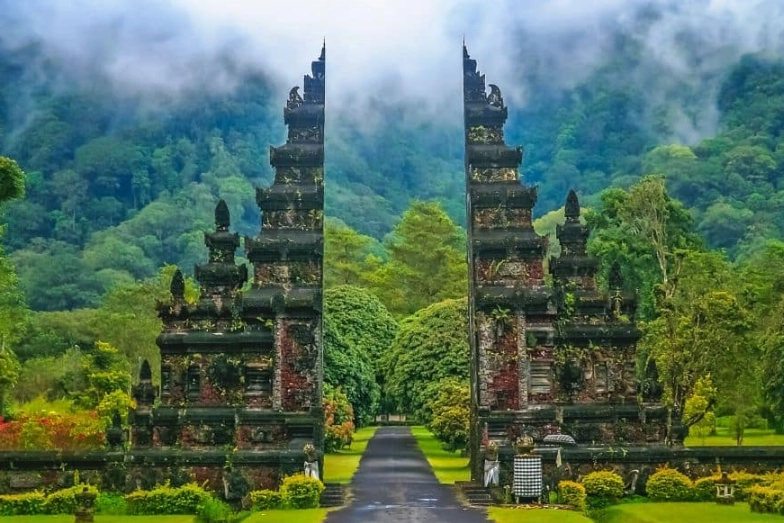
- Best for Bali, Java, Lombok: April to October (dry season). July & August are busiest.
- Best for Malaysia's West Coast (Penang, Langkawi) & West Borneo: November to March (drier).
- Best for Malaysia's East Coast (Perhentians) & East Borneo: March to October (drier). The east coast islands often close during the monsoon (Nov-Feb).
Philippines:
A bit of an outlier. The dry season is generally November to April, making it a fantastic winter sun destination. The summer months (Mar-May) can be scorching. Typhoon season peaks from July to October, particularly in the east.
East Asia (Japan, South Korea, Taiwan, Hong Kong, Macau, Northern/Central China)
Forget the tropical monsoon calendar here. Think cherry blossoms, autumn leaves, and chilly winters.
Best for Pleasant Temperatures & Sightseeing:
- Spring (Cherry Blossom): Late March to April. Absolutely magical, but also the most crowded and expensive time of year. You need to book everything far in advance.
- Autumn (Fall Foliage): October to November. My top pick. The weather is crisp and clear, the colors are stunning, and the crowds are slightly less intense than spring (but still significant).
Summer (June-August): Hot, humid, and rainy. The "Tsuyu" or Plum Rain season in Japan/Korea (June-July) brings overcast skies and drizzle. After that, it's just hot. Not ideal for city touring, but okay for mountain hikes.
Winter (December-February): Cold, especially in Northern China, Korea, and Japan. But it's also the time for epic skiing, winter festivals (like Sapporo's Snow Festival), and fewer tourists. Pack warmly.
South Asia (India, Sri Lanka, Nepal, Bhutan, Maldives, Bangladesh, Pakistan)
Diverse and dramatic in its seasons.
India, Nepal, Bhutan:
- Best Overall: October to March. Post-monsoon, the air clears, temperatures are cool to warm, and it's festival season (Diwali, Pushkar Camel Fair, Holi in March). The Himalayas are accessible for trekking. This is high season.
- Shoulder: April. Starts getting very hot, especially in the plains, but hill stations are pleasant.
- Monsoon: June to September. Intense heat and humidity followed by heavy rain. Travel can be disrupted, but the landscapes are incredibly lush, and it's a unique, quieter experience.
Sri Lanka & Maldives: Has two separate monsoon zones. You can find good weather somewhere on the island(s) year-round. Generally, the west/south coasts are best November to April, and the east coast is best April to September.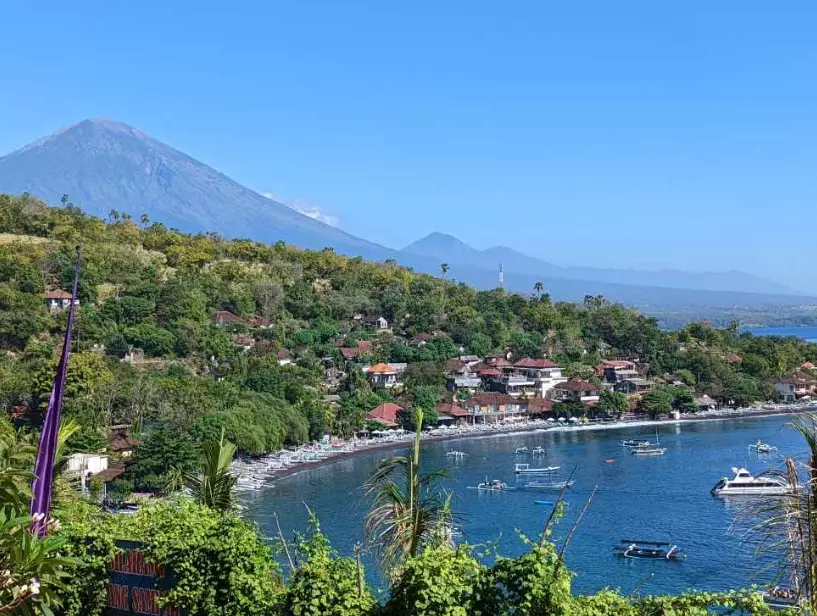
Central Asia (The -Stans: Uzbekistan, Kazakhstan, Kyrgyzstan, etc.)
A different world. Continental climate with extreme temperatures.
Best Time: April to June and September to October. Spring brings flowers, autumn brings golden hues. Both avoid the scorching summer heat of the deserts and the bitter winter cold.
Summer (July-August) can be brutally hot in cities like Samarkand, but great for hiking in the Tian Shan mountains. Winter is for hardcore adventurers only.
The Quick-Reference Table: Best Months to Go to Asia at a Glance
Here's a snapshot to help you visualize the regional patterns. Remember, "Best" here prioritizes a balance of good weather and manageable crowds.
| Region | Prime Months (Best Weather & Events) | Shoulder Months (Good Mix) | Low/Challenging Season | Watch Out For |
|---|---|---|---|---|
| Mainland SE Asia (Thailand, Vietnam, Cambodia) |
Nov, Dec, Jan, Feb | Mar, Apr, Oct | May-Sep (Hot & Wet) | Chinese New Year (Jan/Feb) crowds, April heatwave. |
| Indonesia (Bali/Java) | May, Jun, Jul, Aug, Sep | Apr, Oct | Nov-Mar (Wetter) | Australian school holidays (Jul). Nyepi (Mar) - a day of complete silence. |
| Japan & South Korea | Apr (Cherry Blossoms), Oct-Nov (Autumn) | May, Sep | Jun-Aug (Hot/Humid/Rainy), Dec-Feb (Cold) | Golden Weeks (Apr/May, Oct). Typhoon risk Sep-Oct. |
| India & Nepal | Oct, Nov, Feb, Mar | Apr, Sep | May-Jun (Extreme Heat), Jul-Sep (Monsoon) | Extreme heat in May. Travel delays during monsoon. |
| Northern China (Beijing, Great Wall) |
Apr-May, Sep-Oct | Jun, Aug | Jul (Hot & Crowded), Dec-Feb (Very Cold) | National Day Holiday (Oct 1-7) - avoid. Summer smog. |
| Sri Lanka | West/South: Dec-Mar East: Apr-Sep |
Apr, Nov (Inter-monsoon) | West/South: May-Sep (Monsoon) East: Oct-Mar (Monsoon) |
Heavy rain during monsoon in affected zones. |
Beyond the Weather: Other Crucial Factors for Your Decision
Okay, so you know the climate windows. But deciding on the best months to go to Asia isn't just about avoiding rain. Here are the other big pieces of the puzzle.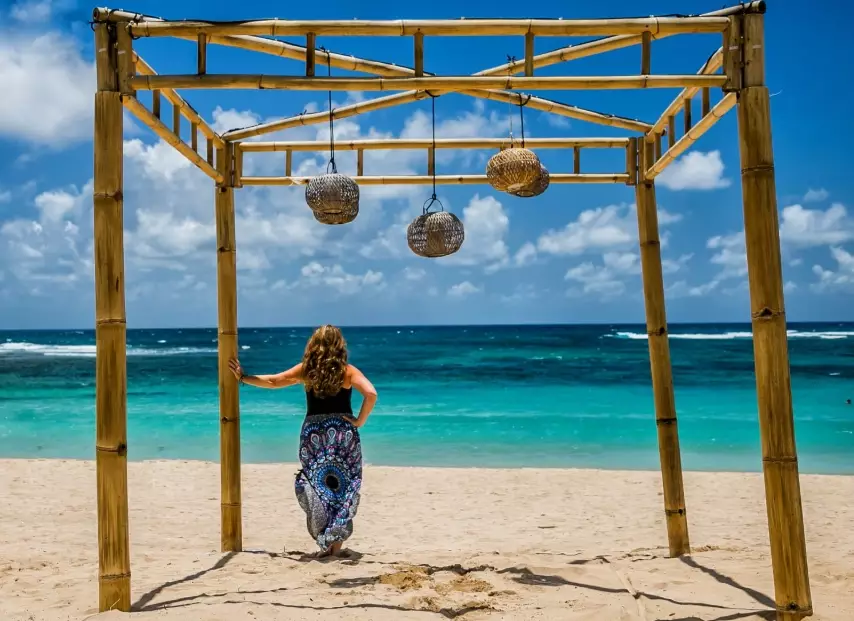
Festivals & Cultural Events: Worth the Crowd?
Sometimes, you want to plan your trip around a specific event. This can define the best time for you.
- Songkran (Thai New Year, Mid-April): A nationwide, multi-day water fight. Incredibly fun, but chaotic. Transport is packed, and everything gets wet.
- Diwali (India, Oct/Nov): The Festival of Lights. Magical atmosphere, but flights and hotels book up fast.
- Chinese New Year / Lunar New Year (Jan/Feb): Massive travel period across Asia (China, Taiwan, Singapore, Vietnam, Malaysia). Flights are expensive, and many businesses close. In countries with large Chinese diaspora, it's vibrant but busy.
- Tet (Vietnamese New Year, Jan/Feb): Similar to CNY. The country effectively shuts down for a week as people travel home.
Planning around a festival can be the highlight of your trip, but you must book accommodations and key transport months in advance.
The Crowd Factor: Can You Handle the Heat (and the People)?
I have a low tolerance for queues. Seriously, waiting an hour to see a temple room kills the vibe for me. So crowd levels matter a lot.
Peak season = peak people.
In places like Angkor Wat, Kyoto's Arashiyama Bamboo Grove, or the Taj Mahal, the difference between visiting at 7 am in shoulder season versus noon in high season is the difference between a spiritual experience and a crowded theme park. If you hate crowds, lean heavily into the shoulder seasons, travel just after major holidays, and become an early riser.
Your Budget: When Your Wallet Will Thank You
This is simple math. Demand drives prices.
- High Season (Good Weather): Highest flight and hotel prices. Book 3-6 months out for decent rates.
- Shoulder Season: Prices drop noticeably. You can find good last-minute deals.
- Low Season (Rainy/Hot): The land of discounts. You can often find luxury hotels at half their peak price. Flights are cheaper too. Your daily budget stretches much further.
For the budget-conscious traveler, the monsoon season in Southeast Asia or the hot shoulder months can be a steal. You just need to be flexible and rain-ready.
Your Asia Travel FAQs Answered
Is it really bad to travel to Asia during the rainy/monsoon season?
Not necessarily "bad," but it's a different experience. The rain usually isn't a constant drizzle; it's often heavy, dramatic downpours in the afternoon or evening. Mornings can be clear. The pros: everything is incredibly green and lush, waterfalls are at their best, there are far fewer tourists, and prices are low. The cons: hiking trails can be muddy, some boat trips or island-hopping routes may be cancelled, humidity is high, and you might get a day or two of solid rain. It's a trade-off. I'd avoid it for a pure beach holiday, but for culture and cities, it can work if you're flexible.
What's the absolute cheapest time to fly to Asia from the US/Europe?
Typically, the periods with the lowest demand: late August through September (after summer holidays, during monsoon) and January after the New Year rush until early February (before Chinese New Year). Avoid June, July, December, and the weeks around major holidays.
Can I visit multiple climate regions in one trip?
Yes, but plan your route wisely. For example, in November, you could start in cool, dry Northern Vietnam (Hanoi, Sapa), then fly to sunny, warm Southern Vietnam (Ho Chi Minh City, Mekong Delta), and finish on a beach in dry-season Thailand. The key is to check the micro-climates and move in a logical pattern. Don't hop from monsoon-hit Bali to monsoon-hit Kerala expecting different weather.
Where in Asia has good weather year-round?
True year-round sun is tricky, but some places come close. Parts of Malaysia (like Penang or Kuala Lumpur) are reliably warm, with short showers. Singapore is hot and humid year-round with frequent brief thunderstorms. Eastern Sri Lanka or the Maldives can offer a sunny coast somewhere at any given time due to the dual monsoon pattern.
Final Thoughts: Making Your Choice
So, after all that, what are the best months to go to Asia?
The answer is finally in your hands. It depends on your destination wishlist, your tolerance for heat or rain, your crowd aversion level, and your budget.
My last piece of advice? Don't get paralyzed by perfection. There's no universally perfect time. Every season has its character. Sometimes, getting caught in a sudden tropical downpour leads to sharing a laugh with locals under a shop awning. Sometimes, braving the crowds for a major festival creates a memory that lasts a lifetime.
Use the regional guides and the table above to narrow down your ideal window. Check historical weather data on sites like World Meteorological Organization for your specific cities. Look up festival dates on official tourism sites, like the Tourism Authority of Thailand or Japan National Tourism Organization.
Then, book it. Asia is waiting, and it's spectacular in its own way, any month you choose.



Comments
Join the discussion