Your Travel Guide Snapshot
Let’s cut straight to the chase. You’re probably staring at those stunning photos of Milford Sound or Hobbiton, your cursor hovering over the flight booking button, and that one question is bouncing around your head: Is New Zealand actually good for tourists? Is it worth the long flight, the significant cost, and all that planning? Or is it just a beautifully marketed postcard that doesn’t live up to the hype?
I’ve been there. I asked the same thing. After multiple trips spanning different seasons and budgets—from a shoestring campervan adventure to a more comfortable lodge-hopping tour—I can give you a straight answer. The short version? Yes, absolutely. But—and this is a big but—it’s good for tourists in a very specific way. It’s not a one-size-fits-all destination like, say, a beach resort. Its greatness depends entirely on what you’re looking for and what you’re willing to put in.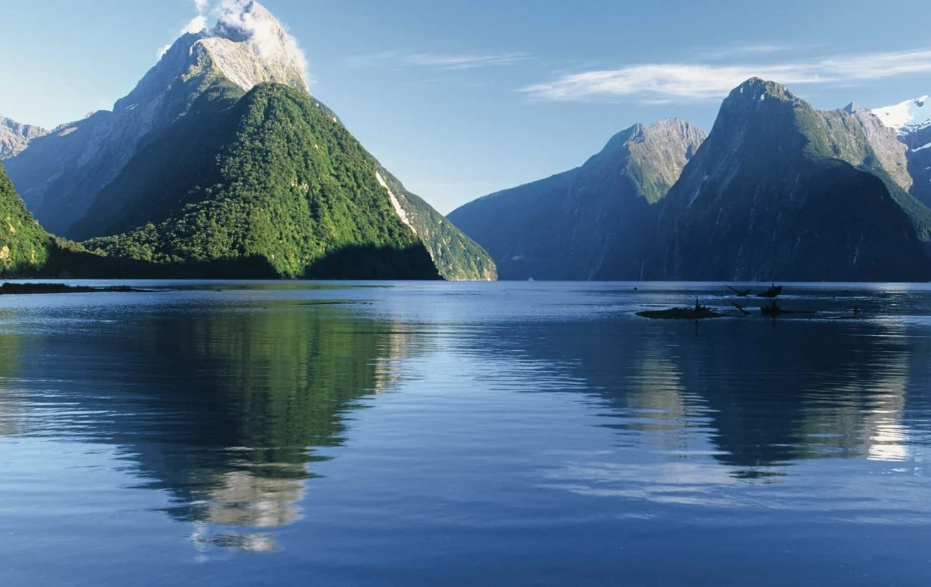
The Unfiltered Verdict: Why New Zealand Tops So Many Bucket Lists
Most people who ask "Is New Zealand good for tourists?" are really asking about a few core things: safety, scenery, ease of travel, and value for money. Let’s break it down honestly.
First, the scenery. It’s not an exaggeration. The landscapes are absurdly diverse and accessible. Within a single day’s drive on the South Island, you can go from a glacier (Fox or Franz Josef) to a rainforest to a wild, rocky coast. The scale is manageable, unlike the vastness of Canada or the States, making it feel incredibly tour-friendly. You don’t need to be an expert hiker to witness breathtaking beauty; many of the best views are a short walk from a car park.
Second, safety. This is a huge plus. New Zealand consistently ranks as one of the safest countries in the world. As a tourist, you can walk around cities at night with a level of caution you’d use anywhere, but without that underlying sense of dread you might feel in other places. Petty crime like car break-ins in scenic overlook car parks does happen (more on that later), but violent crime against tourists is exceedingly rare. For solo travelers, families, or anyone with safety concerns, this aspect alone makes New Zealand an excellent choice.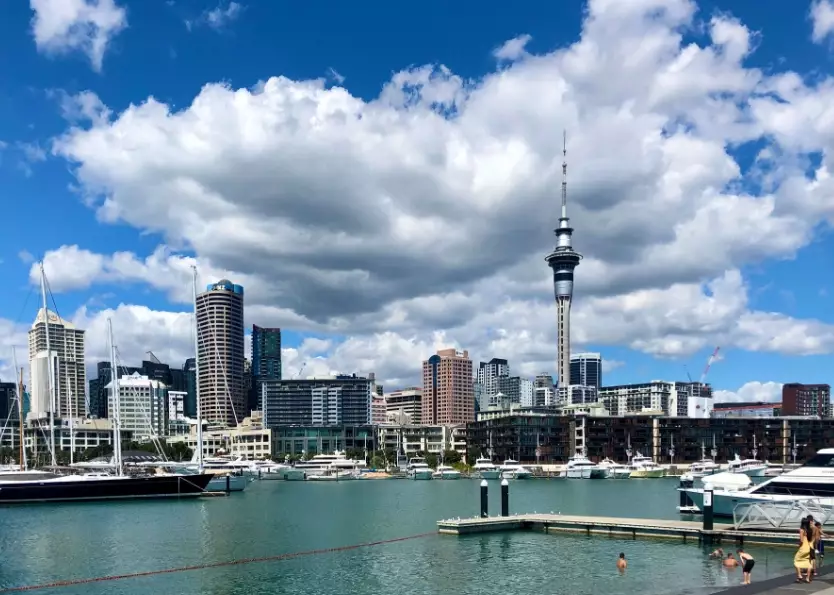
Third, the infrastructure for tourism is mature. The roads are well-maintained (though often winding), signage is clear, and there’s a whole ecosystem built around visitors—from i-SITE visitor information centres in every town (incredibly helpful) to a wide range of accommodation for all budgets. English is the primary language, which removes a major barrier.
The Standout Experiences That Make It Worth It
When pondering if New Zealand is good for tourists, think about the activities you can’t easily do elsewhere.
- Glacier Hiking on a Temperate Glacier: Where else can you walk on a glacier that descends into a rainforest? It’s a uniquely Kiwi experience.
- Maori Cultural Immersion: This isn’t a performance tacked on for tourists. Visiting a marae (meeting ground) in Rotorua, sharing a hangi (feast cooked underground), and learning about Māoritanga (Maori culture) firsthand is a profound way to connect with the country’s soul. The official New Zealand tourism site has great resources to find authentic experiences.
- The "Great Walks": The Department of Conservation (DOC) manages a network of premier hiking trails. You don’t have to do the multi-day Milford Track (though it’s legendary). Even a day walk on part of these trails, like the Tongariro Alpine Crossing (often called the best one-day hike in the world), gives you a taste of pristine wilderness.
- Wildlife Encounters: From whale watching in Kaikōura to spotting the elusive kiwi bird in a nocturnal house, or watching thousands of fur seals laze about on the coast. It’s wild in the best sense.
The Flip Side: Challenges and "Hidden" Costs You Must Know
Okay, so we’ve established that yes, New Zealand is good for tourists. But it’s only fair to talk about the not-so-great parts. Ignoring these is how people end up disappointed or broke.
The Cost. Let’s be real. New Zealand is expensive. For tourists from North America or Europe, some things might seem comparable, but for many others, it’s a shock. The weak New Zealand dollar helps, but doesn’t fully shield you. A simple cafe lunch can easily be NZD $25-30 per person. Fuel is pricey. Activities are a major budget item: a bungy jump, helicopter flight, or guided glacier hike can cost hundreds. You need to budget aggressively.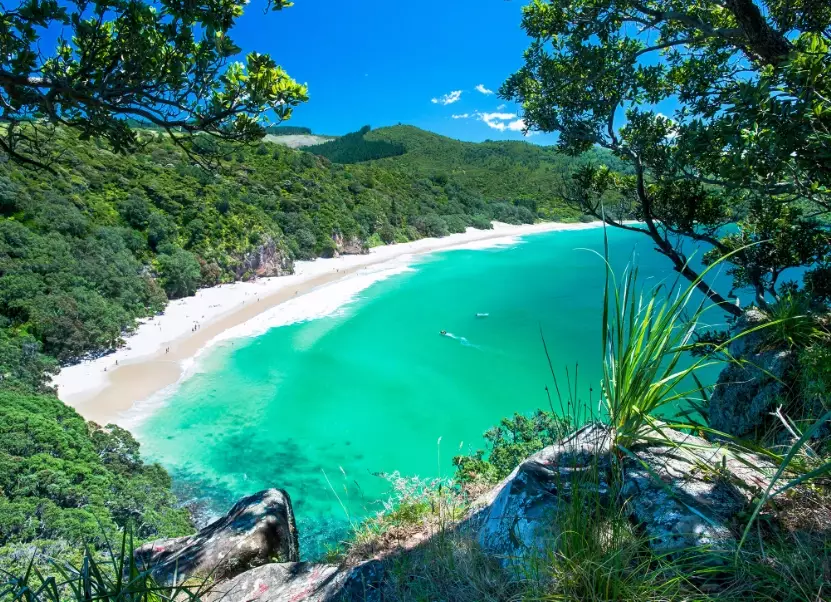
The Distance and Travel Time. New Zealand looks small on a map. It is not. The roads are almost always two-lane, winding through mountains and around lakes. A 200km drive can take over 3 hours. Don’t try to cram both islands into a 10-day trip—you’ll spend it all in the car. This is a place for slow travel.
The Weather. It’s famously changeable. "Four seasons in one day" is a cliché because it’s true. You can get sunburned and soaked on the same hike. This requires flexibility and packing layers—merino wool is your friend. A bad weather day can scuttle your plans for a scenic flight or boat cruise, so build in buffer days, especially on the South Island.
Isolation of Some Attractions. Some of the best spots are remote. You’ll need a car. Public transport between cities exists, but to get to that amazing beach or trailhead, you’re driving. And in peak season (Dec-Feb), popular spots like Queenstown, Wanaka, and the Fox Glacier car park can feel crowded, which clashes with the wilderness image.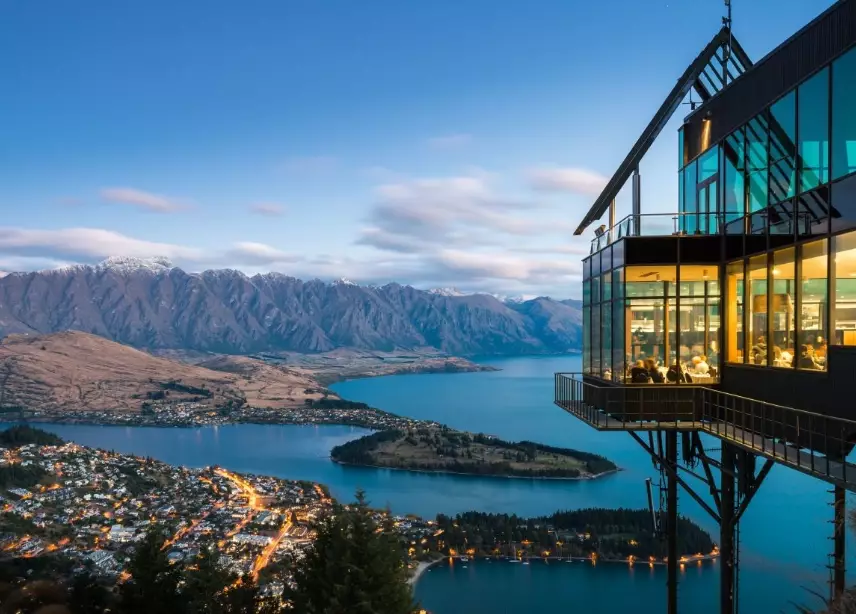
A Realistic Look at Costs: A Sample Table
To help you plan, here’s a rough breakdown of what you might spend as a mid-range tourist (not luxury, not shoestring). These are per-person estimates in NZD.
| Item | Budget-Friendly Option | Mid-Range / Typical | Note |
|---|---|---|---|
| Accommodation (per night) | Hostel dorm: $30-$45 | Motel/Private room: $120-$200 | Holiday parks (cabin) are a great middle ground. |
| Main Meal (Eating Out) | Takeaway pie/Burger: $7-$12 | Restaurant main: $25-$40 | Add $10-$15 for a drink. |
| Coffee | Flat White: $5-$6 | Same! | Coffee culture is excellent and reasonably priced. |
| Fuel (per litre) | $2.70 - $3.20 (varies widely) | More remote = more expensive. | |
| Great Walk Hut Pass (per night) | $25 - $140 | N/A | Ranges from basic to serviced huts. Must book months in advance via DOC. |
| Premium Activity (e.g., Bungy, Heli-hike) | $250 - $600+ | Book online in advance for deals. | |
Making It Work: How to Plan a Trip Where New Zealand IS Good for YOU
Knowing the pros and cons, how do you ensure your answer to "Is New Zealand good for tourists?" is a resounding yes? It’s all in the planning.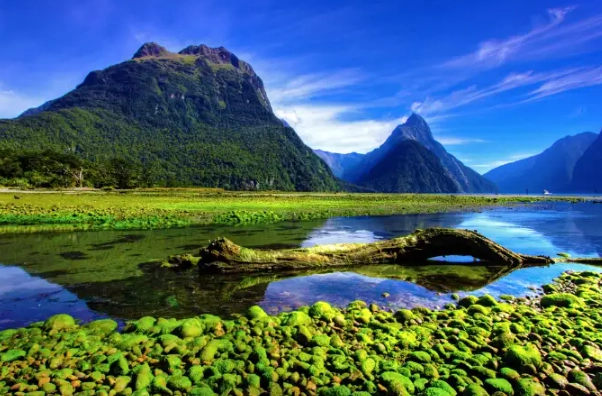
Choosing Your Season Wisely
The best time to visit depends entirely on your priorities.
- Summer (Dec-Feb): Peak season. Warm weather, long days, all activities open. Also the most crowded and expensive. Book everything months ahead.
- Autumn (Mar-May): My personal favorite. Crowds thin, weather is still stable, autumn colors in places like Arrowtown are stunning. A fantastic sweet spot.
- Winter (Jun-Aug): Ski season! The Southern Alps transform. Queenstown and Wanaka buzz with a different energy. Some hiking trails may be closed or require extra gear. A different, but magical, New Zealand.
- Spring (Sep-Nov): Lambing season, blooming lupins, unpredictable but often fine weather. Can be windy. Another great shoulder season with lower prices.
Itinerary Building: Less is More
For a first-time tourist wondering if New Zealand is good for a two-week trip, I’d suggest this: Pick one island. Seriously. Trying to do both in under three weeks is a recipe for exhaustion.
Day 1-3: Christchurch → Akaroa → Lake Tekapo (stargazing!).
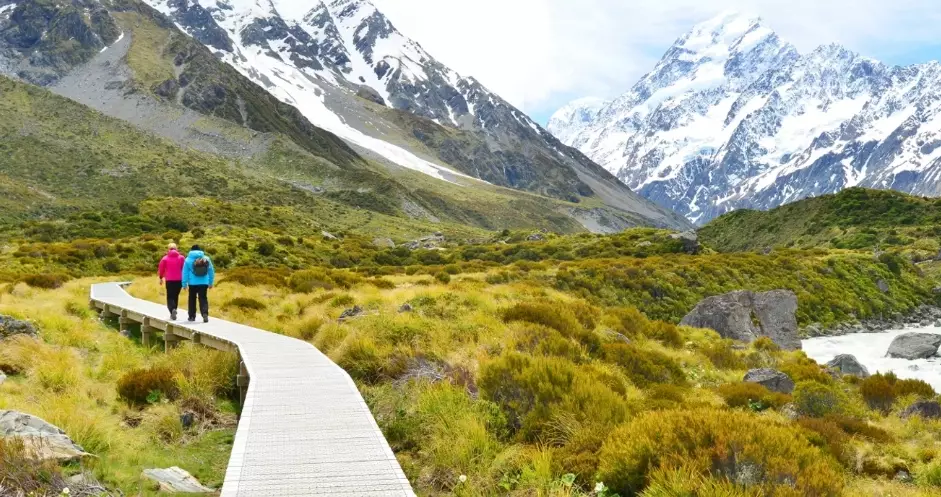
Day 4-6: Tekapo → Mount Cook National Park (hooker Valley Track) → Wanaka.
Day 7-9: Wanaka → Queenstown (base for day trips: Glenorchy, Arrowtown).
Day 10-12: Queenstown → Te Anau → Milford Sound (overnight cruise if possible).
Day 13-14: Te Anau → Dunedin (or Catlins) → back to Christchurch.
This is brisk but allows you to experience the iconic landscapes without living in the car.
For the North Island, focus on a triangle: Auckland → Coromandel or Bay of Islands → Rotorua (for culture and geothermal) → Tongariro National Park → back to Auckland, perhaps with a stop at Waitomo Caves.
Transport: The Great Campervan vs. Car Debate
This is a core decision. Campervans offer freedom and save on accommodation. But they are slower, use more fuel, and require careful planning for freedom camping (it’s regulated—you can’t just park anywhere). For the full "Is New Zealand good for tourists seeking adventure" vibe, a campervan is iconic. A regular car with motel/hostel stays is faster and more comfortable. For reliability and clear terms, I’ve had good experiences booking through aggregator sites that compare local companies.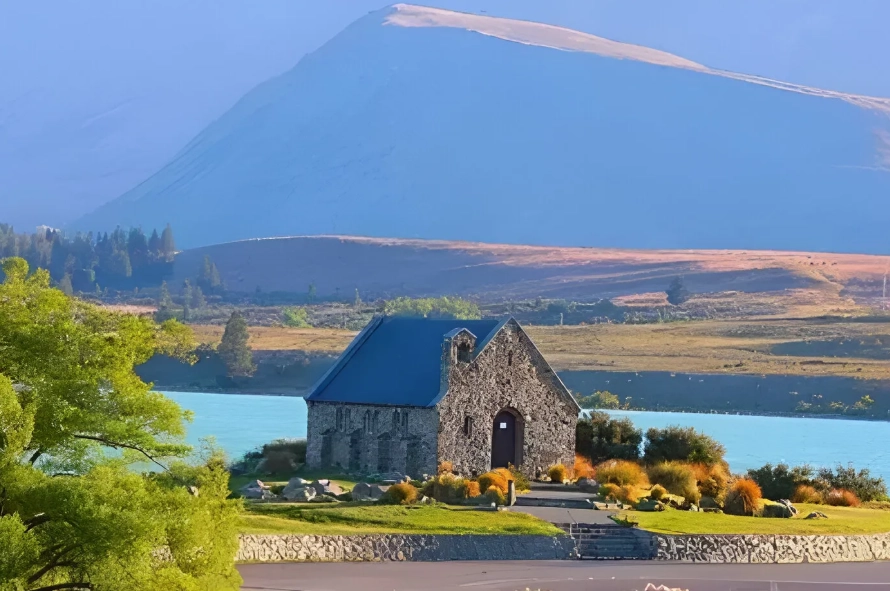
Answering Your Burning Questions (The FAQ Section)
Let’s tackle the specific worries that pop up when you google "Is New Zealand good for tourists?".
The Final Word: So, Is New Zealand Good for Tourists?
After all this, my final answer is a qualified, enthusiastic yes. New Zealand is exceptionally good for tourists who are drawn to nature, adventure, and a friendly, safe culture. It’s a place that rewards active participation. You get out what you put in. If you want a passive, all-inclusive resort holiday where everything is served to you, you might find it lacking and expensive. But if you’re willing to drive those winding roads, pack for four seasons, cook a few meals yourself, and lace up your hiking boots, it will reward you with experiences that stick with you for a lifetime.
The question isn’t really "Is New Zealand good for tourists?" It’s "Is New Zealand good for the tourist I am, right now?" If you’re seeking untouched landscapes, a sense of adventure, and a break from the chaos of many other tourist hubs, then it’s not just good. It’s one of the best places on earth.
Start your research with the official source for unbiased, comprehensive travel information: the official New Zealand tourism website. It’s a treasure trove of itineraries, regional guides, and booking links for authentic experiences. For the most accurate and detailed hiking, camping, and conservation information, the Department of Conservation (DOC) website is indispensable. And for understanding travel patterns and official statistics, Stats NZ offers fascinating insights. Safe travels!

Comments
Join the discussion