Quick Navigation
Let's cut right to the chase. If you're sitting there with your laptop open, dreaming of Langkawi's beaches or Kuala Lumpur's street food, the answer is a resounding yes. US citizens can absolutely travel to Malaysia now. There's no blanket ban, no mysterious closure keeping you out. The doors have been wide open for a good while.
But—and there's always a but, isn't there?—the real question isn't just about permission. It's about the how. The rules have shifted from the pandemic chaos to something resembling normalcy, but "normal" travel in 2024 comes with its own checklist. It's not like hopping on a flight to Canada. You need to know about visas, documents, and a few local quirks that can make or break your trip.
I remember helping a friend plan his trip last year. He was so focused on the flight deals he almost forgot to check the passport validity rule. Rookie mistake that could have turned into a very expensive one at the check-in counter.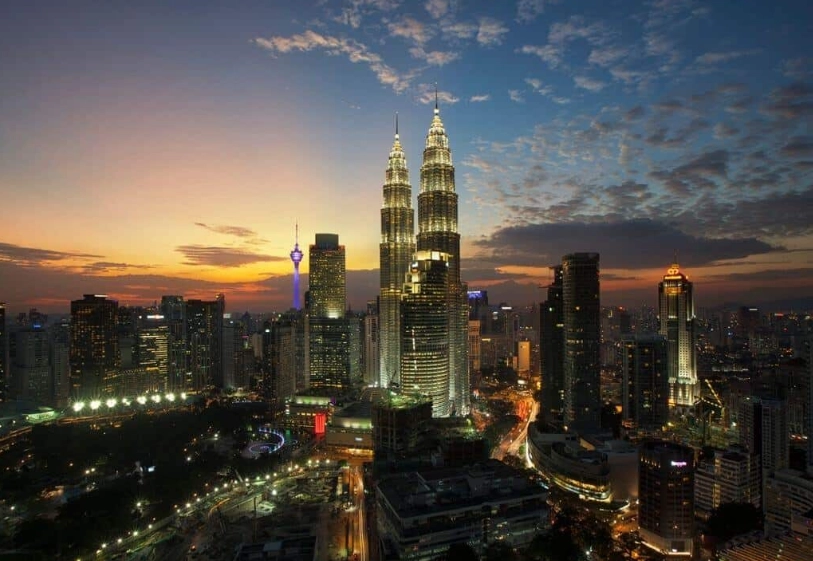
The Core Answer: Yes, US passport holders can visit Malaysia for tourism. No pre-arrival visa is required for short stays. You just need a passport with enough validity, a return ticket, and sometimes proof of sufficient funds. The complicated COVID testing and quarantine requirements are gone.
What You Actually Need to Get In: The Entry Checklist
Forget the rumors and hearsay. This is the official, no-fluff list of what immigration officers will look for when you land. Getting this wrong is the fastest way to start your vacation with a stressful interview at the border.
The Golden Ticket: Your Passport
This seems obvious, but the details trip people up. Your blue US passport must be valid for at least six months beyond your date of entry into Malaysia. Count it from the day you land, not the day you leave. If your passport expires in five months, you're not getting on that plane. I've seen more than one disappointed traveler at the airport because of this.
Also, make sure it has at least one blank page for the entry stamp. They won't stamp over a visa or scribble in the margins.
The Visa Situation (It's Good News)
Here's the best part for American tourists. You do not need to apply for a visa in advance if you're going for a short visit. Upon arrival, you're automatically granted a social visit pass, often called a visa-free entry.
The standard duration is 90 days. That's three whole months. It's one of the most generous arrangements in Southeast Asia for US citizens. But—here's the important bit—the final say is always with the immigration officer at the point of entry. They have the discretion to grant a shorter period, though 90 days is typical for tourists with a clear itinerary.
What if you want to stay longer, work, or study? That's a different ball game requiring proper visas applied for in advance at a Malaysian Embassy or Consulate.
Watch Out: The 90-day permit is not extendable for tourism. If you overstay, you'll face fines (MYR 1,000 - MYR 3,000) and potentially be banned from re-entering. Don't mess with this.
Proof of Onward Travel and Funds
This is where airlines get nervous. While Malaysian immigration might not always ask, your airline at check-in in the US definitely will. They're on the hook to fly you back if you're denied entry, so they play it safe.
You must have proof of a return flight or a flight onward to another country. A printed itinerary or e-ticket is fine. A one-way ticket is a giant red flag and will likely stop your journey before it starts.
They may also ask for proof of sufficient funds—roughly USD 500 equivalent per person for a one-week stay. A recent bank statement or credit card with a high limit usually suffices. It's rarely checked meticulously for US tourists, but you should be prepared.
Can US citizens travel to Malaysia now with just a passport and a dream? Almost, but the onward ticket is the non-negotiable part.
Smart Traveler 101: Pre-Departure Must-Dos
Booking the flight is just step one. What you do in the weeks before leaving can save you headaches, money, and a lot of frustration.
Health and Vaccinations
No COVID-19 vaccination proof or tests are required. That chapter is closed. However, Malaysia is a tropical country. The CDC recommends being up-to-date on routine vaccines (MMR, Tdap) and suggests considering Hepatitis A, Typhoid, and Japanese Encephalitis vaccines depending on your travel plans (like rural travel or long stays).
Malaria risk is generally low and confined to specific remote inland areas. If you're just hitting cities, beaches, and standard tourist spots, antimalarials probably aren't needed. But dengue fever is a real presence, so mosquito repellent is your best friend.
My Routine: I always pack a small medical kit with strong repellent (DEET-based), diarrhea medicine, antihistamines, and a broad-spectrum antibiotic prescribed by my doctor for emergencies. Pharmacies are plentiful, but it's midnight and you have Bali belly, you'll thank yourself.
The Golden Rule: Travel Insurance
This isn't just a suggestion; it's the most important item on your list after your passport. Medical care in private Malaysian hospitals is excellent but can be expensive for foreigners. A simple visit for food poisoning can set you back a few hundred dollars. An accident requiring hospitalization? Thousands.
Get a policy that covers:
- High medical expenses and evacuation (aim for at least USD 100,000 coverage).
- Trip cancellation/interruption (floods or family emergencies happen).
- Lost or delayed baggage.
Read the fine print. Some adventure activities (like scuba diving) might require an add-on. I never, ever skip this. It's the one expense you hope to never use, but you'll be devastated if you need it and don't have it.
Money and Payments
Malaysia's currency is the Ringgit (MYR). You'll get the best rate by withdrawing local currency from ATMs upon arrival using a debit card that reimburses foreign transaction fees (like Charles Schwab). Notify your bank of your travel dates first!
Credit cards (Visa/Mastercard) are widely accepted in malls, hotels, and nicer restaurants. American Express is less common. For street food, markets, and small shops, cash is king. Always have some small bills on you.
So, can US citizens travel to Malaysia now and rely on cards? Mostly, but don't be caught without cash for a delicious plate of Char Kway Teow at a hawker stall.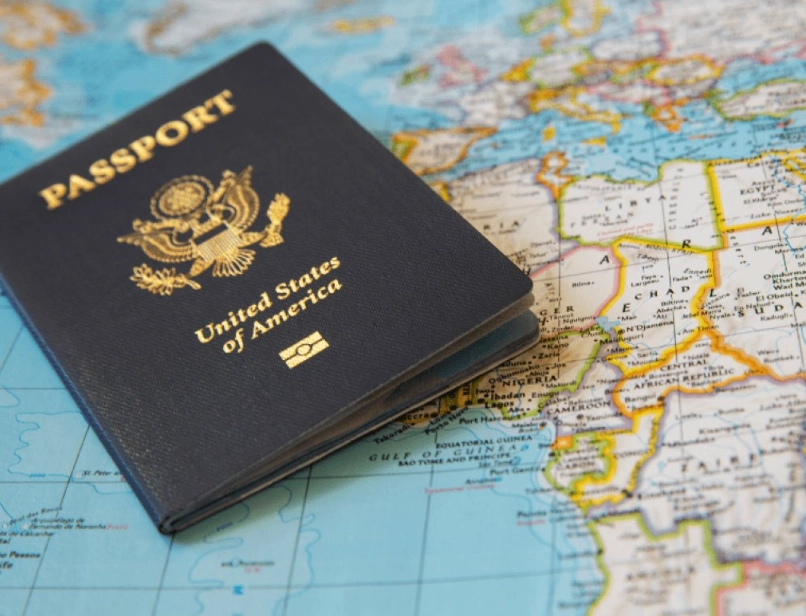
Navigating the Digital and Physical Landscape
You've landed. Now what? Here's how to move, communicate, and not stick out like a sore thumb.
Staying Connected: SIM Cards & WiFi
Buying a local SIM card at the airport is the first smart move after clearing customs. Providers like Celcom, Digi, and Maxis have kiosks. For about MYR 25-40 (USD 5-9), you can get a prepaid SIM with plenty of data for a week or two. Your phone needs to be unlocked. Public WiFi is available but often slow and insecure.
Having data means you can use Grab (the Uber of Southeast Asia) immediately, which brings us to...
Getting Around: Transport Tips
Ride-Hailing (Grab): This app is a lifesaver. It's cheap, efficient, and eliminates haggling with taxi drivers. Use it in cities and towns. You can pay in cash or link a card.
Taxis: If you must take a street taxi, always insist they use the meter ("meter, please"). If they refuse, walk away and get a Grab. The airport has official taxi coupon counters—slightly more expensive but hassle-free for a first ride.
Public Transport: In Kuala Lumpur, the MRT, LRT, and monorail are clean, cheap, and a great way to beat traffic. Get a Touch 'n Go card for seamless rides.
Cultural Etiquette: The Short List
Malaysia is a multicultural Muslim-majority country. A little awareness goes a long way.
- Dress Modestly: This is especially important when visiting mosques or government buildings. Cover shoulders and knees. At beaches and pools, regular swimwear is fine.
- Shoes Off: Always remove your shoes before entering someone's home and often before entering small shops or certain cafes.
- Right Hand Rule: Use your right hand for giving/receiving items, eating, and handshakes. The left hand is considered unclean.
- Public Displays of Affection: Keep them minimal. Holding hands is okay; more than that can draw unwanted attention.
It's not about being restrictive; it's about respect. Malaysians are incredibly warm and forgiving to tourists, but following these basics shows you care.
Planning Your Time: Itinerary Sparks
Malaysia is more than just Kuala Lumpur. Here’s a quick breakdown of what the country offers to help you decide where to go.
| Region | Vibe & Highlights | Best For | Time Needed |
|---|---|---|---|
| Kuala Lumpur | Bustling capital. Petronas Towers, Batu Caves, insane food scene, shopping. | City lovers, foodies, first-timers. | 2-4 days |
| Penang (George Town) | Historic port city. UNESCO World Heritage site, legendary street art, arguably the best food in Malaysia. | Culture, history, photography, eating. | 3-4 days |
| Langkawi | Archipelago of 99 islands. Beaches, duty-free shopping, cable car, jungle. | Beach relaxation, family trips, nature. | 3-5 days |
| Malacca (Melaka) | Historic trading port. Dutch squares, trishaws, Peranakan culture, riverfront. | A relaxed historical day trip from KL. | 1-2 days |
| Borneo (Sabah & Sarawak) | Wild jungle. Orangutans, Mount Kinabalu, world-class diving (Sipadan), indigenous cultures. | Adventure, wildlife, serious diving. | 1 week+ |
My personal favorite? George Town, Penang. The food is just on another level. I spent a week there just eating my way through the streets. The char kway teow, assam laksa, and cendol are worth the trip alone.
Your Burning Questions, Answered
Can US citizens travel to Malaysia now for business?
Yes, but the rules differ. Short business meetings might be okay on a social visit pass, but if you're doing any "work" (like consulting, training, etc.), you technically need a proper business visa or a Professional Visit Pass. Don't risk it. Check with the Malaysian Immigration Department for the latest requirements.
What about the Malaysia Digital Arrival Card (MDAC)?
This is a new-ish pre-registration system. As of my last check, it's mandatory for all foreign visitors, including US citizens. You need to fill it out online within three days before your arrival. It's free and straightforward—just your passport, flight, and address details. Keep the confirmation printout or screenshot. You can find it on the official immigration site. Don't confuse it with a visa; it's just advance passenger information.
Is Malaysia safe for American tourists?
Generally, yes, very safe. Petty crime like bag-snatching and pickpocketing can occur in crowded tourist areas, so keep your valuables secure. Violent crime against tourists is rare. The main risks are traffic accidents (be careful crossing streets!) and scams (like overly friendly strangers inviting you for drinks with a huge bill at the end). Use common sense, and you'll be fine. The U.S. Department of State gives it a Level 1: Exercise Normal Precautions advisory, which is the lowest level.
Can I extend my 90-day stay?
For tourism? No. The social visit pass is not extendable. You must leave the country before it expires. A popular "border run" is to fly to a nearby country like Singapore, Thailand, or Indonesia for a few days and then re-enter Malaysia to get a new 90-day stamp. However, immigration officers may question you if you do this repeatedly. They might grant a shorter stay on subsequent entries.
What's the deal with the new Digital Nomad Visa (DE Rantau Nomad Pass)?
Ah, the hot topic! If you're a remote worker, Malaysia launched an official program. It allows eligible digital nomads to live and work in Malaysia for up to 12 months, renewable for another 12. You need proof of employment/ freelance income (minimum USD 24,000 annual income), valid health insurance, and a clean background. It requires an online application and a fee. If you're thinking of a long-term stay, this is your legal pathway instead of trying to game the tourist visa. The official portal is the best source for the latest criteria.
So, can US citizens travel to Malaysia now as digital nomads? Yes, but through a specific, proper channel.
The Final Reality Check
Look, traveling to Malaysia from the US is straightforward once you know the steps. The bureaucracy is minimal for tourists, the people are friendly, and the value for money is outstanding. Your biggest hurdle will likely be the long flight, not the entry requirements.
The process boils down to this: a valid passport (6+ months), a return ticket, filling out the MDAC before you fly, and maybe showing you have enough money. Get good travel insurance. Download the Grab app. Pack for heat and humidity.
Bottom Line: Can US citizens travel to Malaysia now? Absolutely, and you should. It's a fantastic, welcoming, and diverse destination that's completely accessible again. Just do your homework, pack your sense of adventure (and some mosquito spray), and go.
The last time I was there, I spent an afternoon in a random kopitiam (coffee shop) in Ipoh, chatting with locals who were thrilled to practice their English. That's the Malaysia you get to experience—not just the postcard sights, but the genuine warmth. That part never needs a visa.



Comments
Join the discussion