Quick Guide
- First Things First: When Should You Actually Go?
- Beyond the Beaches: Navigating Thailand's Diverse Regions
- Food: The Real Reason People Keep Coming Back
- Practical Stuff You Need to Know (The Nitty-Gritty)
- Culture & Etiquette: Don't Be That Tourist
- Sustainable & Responsible Thailand Tourism
- Common Questions (Stuff You're Actually Wondering)
- Putting It All Together: Sample Itinerary Ideas
- Final Thoughts
Let's be real. Planning a trip to Thailand can feel overwhelming. You've got friends who raved about full moon parties, your aunt showed you pictures of golden temples, and your Instagram feed is flooded with turquoise water and long-tail boats. Where do you even start? What's hype and what's genuinely worth your time and money?
I've been traveling to Thailand for over a decade, from backpacking on a shoestring to more comfortable family trips. I've made my share of mistakes (trust me, renting that scooter in Chiang Mai during rainy season was one of them) and discovered incredible places far from the tourist trail. This guide isn't about painting a perfect picture. It's about giving you the real, practical information you need to plan an amazing trip that actually suits you. We're going to dive deep into the heart of Thailand tourism, beyond the postcards.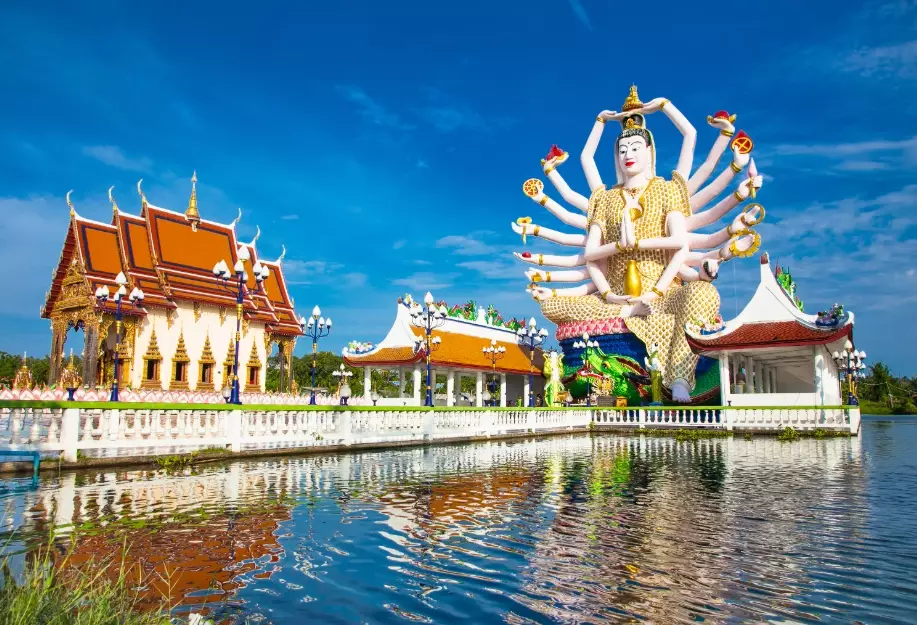
So, grab a coffee (or a Thai iced tea if you're feeling thematic), and let's break it down.
First Things First: When Should You Actually Go?
This is probably the most common question, and the answer isn't the same for the whole country. Thailand has three main seasons, but they hit different regions at different times. Getting this wrong can mean constant rain or unbearable heat.
Here’s the breakdown that most generic guides don't give you in enough detail:
| Region | Best Time to Visit (Ideal Weather) | Shoulder Season (Mixed Bag) | Low/Rainy Season (Cheap but Risky) | What It's Really Like |
|---|---|---|---|---|
| Central & Eastern Thailand (Bangkok, Pattaya, Koh Samet) | Nov - Feb (Cool & Dry) | Mar (Hot), Jun - Oct (Rainy) | Apr - May (Very Hot), Sep - Oct (Peak Rain) | Bangkok is hot year-round. "Cool" means 30°C instead of 38°C. April is brutally hot. |
| Northern Thailand (Chiang Mai, Chiang Rai, Pai) | Nov - Feb (Cool & Dry) | Mar - May (Very Hot), Jun - Oct (Green & Rainy) | Aug - Sep (Heaviest Rain) | Mornings can be genuinely chilly in Dec/Jan. Burning Season (Feb-Apr) is a major air quality issue. |
| Southern Thailand - Andaman Coast (Phuket, Krabi, Koh Phi Phi, Koh Lanta) | Nov - Apr (Dry & Sunny) | May, Oct (Transition) | May - Oct (Southwest Monsoon) | Some islands (like Similans) close. Seas can be rough, ferries cancel. But it's lush, empty, and cheap. |
| Southern Thailand - Gulf Coast (Koh Samui, Koh Phangan, Koh Tao) | Jan - Aug (Driest) | Sep - Dec (Northeast Monsoon) | Oct - Nov (Heaviest Rain) | Rainy season is opposite the Andaman side! Samui can still be sunny in December when Phuket is wet. |
The burning season point is crucial.
From late February through April, farmers in the north (and neighboring countries) burn crop residue. The smoke can blanket Chiang Mai and the north in a serious haze, making the air unhealthy and views non-existent. It's a significant downside to Thailand tourism during those months if you're set on the north. Check sites like AQICN for real-time air quality data before you finalize northern plans in spring.
Beyond the Beaches: Navigating Thailand's Diverse Regions
Thinking Thailand is just beaches is like thinking Italy is just pizza. The diversity is what makes Thailand tourism so endlessly fascinating. Each region has a totally different personality.
The Bustling Heart: Bangkok
Love it or hate it, you'll probably pass through. It's a sensory overload in the best and worst ways. The key is knowing which Bangkok you want. Shopping and megamalls? Head to Siam. Old-world charm and temples? Rattanakosin Island (Grand Palace, Wat Pho). Hipster cafes and vintage shops? Thonglor or Ari. Chaotic street markets and nightlife? Khao San Road (for the experience, maybe not to stay).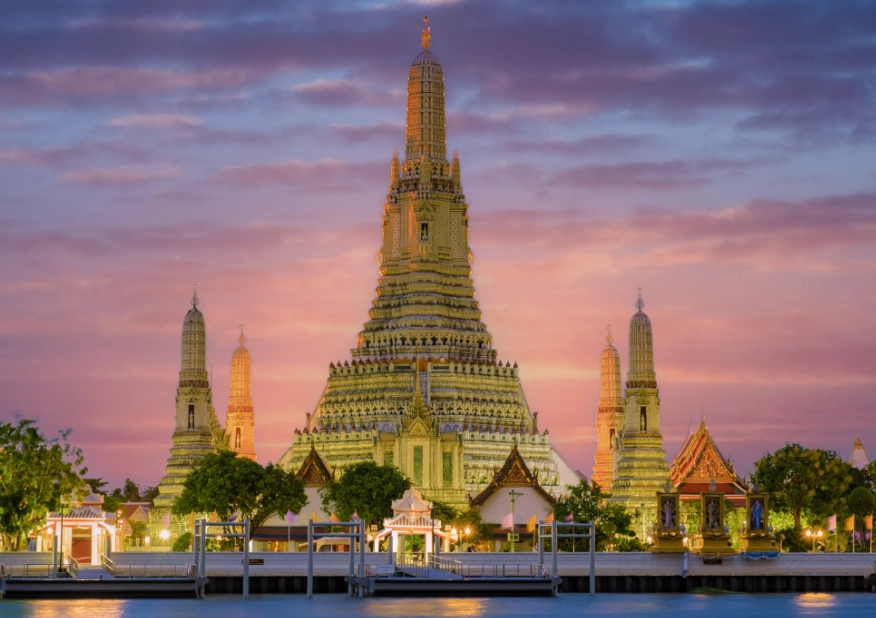
For authentic floating market experiences, Damnoen Saduak is the hyper-touristy one you see in photos. For something more local where vendors actually live, try Amphawa (weekends only) or Khlong Lat Mayom. The Tourism Authority of Thailand's website (tourismthailand.org) has good, verified info on these.
The Cultural North: Chiang Mai & Beyond
Chiang Mai is a gateway to a different Thailand. It's more relaxed, focused on culture, nature, and food. The Old City, surrounded by a moat, is packed with over 300 temples. Wat Phra That Doi Suthep, on the mountain overlooking the city, is a must.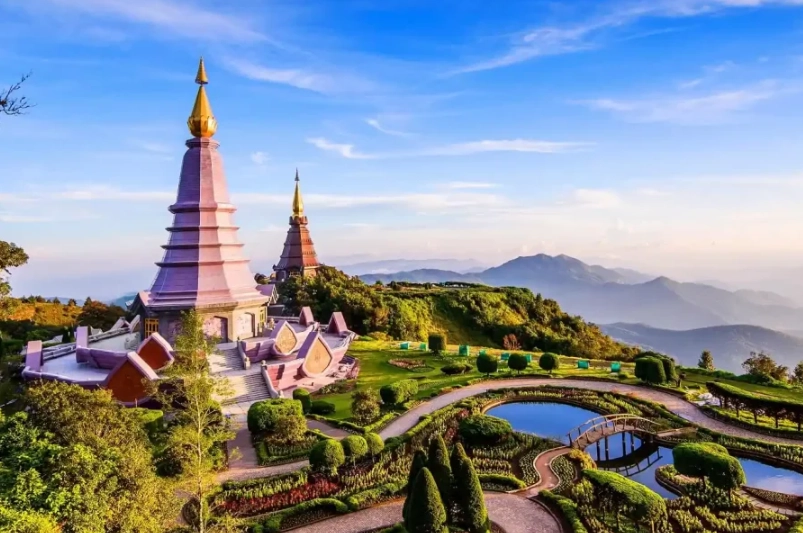
But the magic is in the experiences. Taking a cooking class (I recommend one that includes a market tour). Visiting an ethical elephant sanctuary (DO your research—look for places that don't offer rides or shows). Trekking to hill tribe villages. The sticky rice here is next level.
Further north, Chiang Rai has the bizarre and brilliant White Temple (Wat Rong Khun) and Blue Temple. Pai is a tiny, hippie mountain town with hot springs and a very specific, laid-back vibe—the road from Chiang Mai is famously winding, so take motion sickness pills if you need them.
The Legendary South: Islands & Beaches
This is the postcard. But which postcard?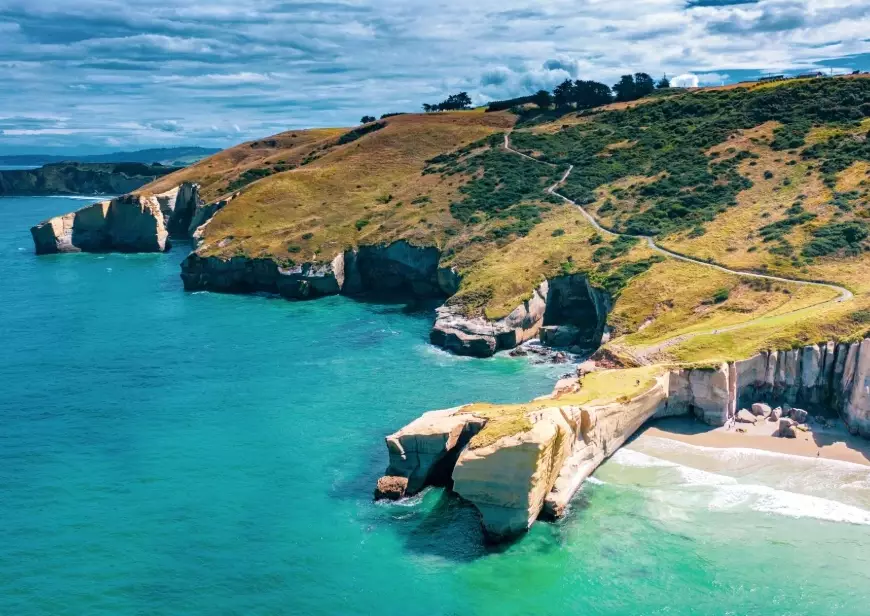
Phuket: The big, developed island. Has everything from luxury resorts to Patong's nightlife. Good for families and first-timers who want convenience.
Krabi (Railay, Ao Nang): Dramatic limestone cliffs, rock climbing. Railay is only accessible by boat, no cars.
Koh Phi Phi: Backpacker party central (especially Phi Phi Don). Stunning beauty, but can feel overcrowded.
Koh Lanta: More relaxed, family-friendly, great for long beaches and sunsets.
Koh Samui: Upscale, international, great airport. Chaweng is busy, Lamai quieter.
Koh Phangan: Famous for the Full Moon Party (Haad Rin beach), but the rest of the island is surprisingly chill and beautiful.
Koh Tao: The diving mecca. Small, social, great for getting certified.
My personal favorite for a balance of beauty and peace? The lesser-known islands in the Trang archipelago, like Koh Muk (for the Emerald Cave) or Koh Kradan. They feel a step back in time.
Food: The Real Reason People Keep Coming Back
You could write a whole book on Thai food (and people have). Thai cuisine is a core pillar of Thailand tourism. Forget just Pad Thai and Green Curry—the regional variety is astounding.
Street Food 101: Don't be scared. Look for busy stalls with high turnover. That means fresh ingredients. “Jin Hoy” means less spicy, “Mai Pet” means not spicy. “Pad Thai” is a safe start, but be adventurous. Try Khao Soi (a coconut curry noodle soup from the north, my absolute favorite), Som Tum (spicy green papaya salad), or Moo Ping (grilled pork skewers).
Regional Specialties:
- North: Sai Oua (herb-packed sausage), Khao Soi, Nam Prik Noom (green chili dip).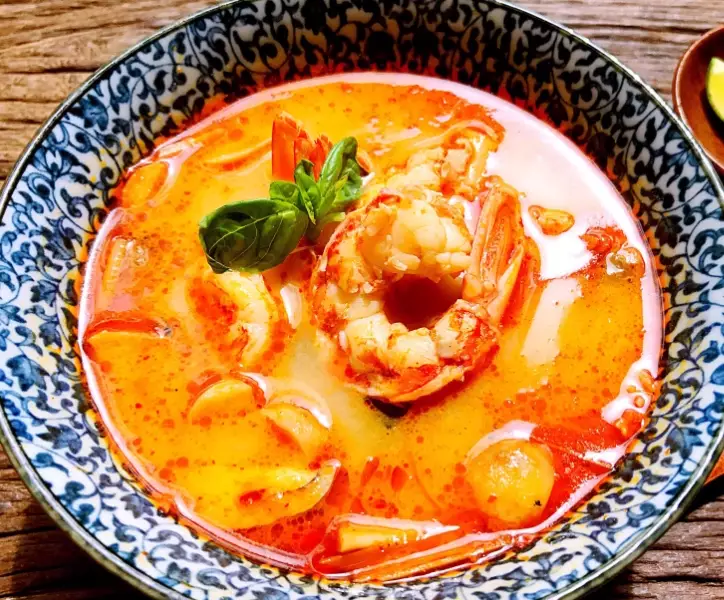
- Northeast (Isan): Som Tum, Larb (minced meat salad), grilled chicken. This is the famously spicy, pungent food.
- Central: The classics: Pad Thai, Tom Yum Goong, various curries.
- South: Spicy, coconut-rich curries like Massaman and Panang, fresh seafood.
And the fruit! Mangosteen, rambutan, dragon fruit, and the king of them all, the durian. Give it a try. The smell is… memorable.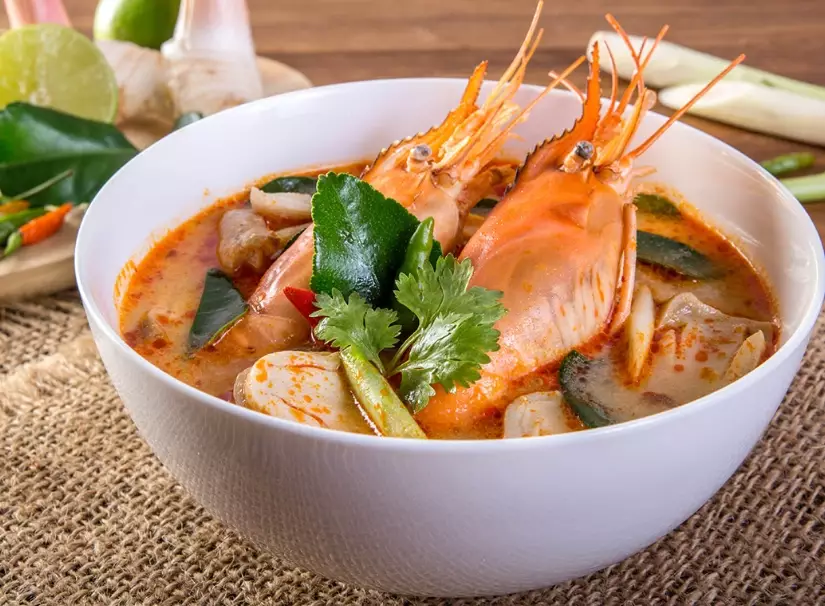
Practical Stuff You Need to Know (The Nitty-Gritty)
Visa & Entry
Rules change, so always check the official source closest to your travel date. For many nationalities, entry is visa-free for 30 days if arriving by air, or 15 days if arriving by land. The official Thai immigration website (immigration.go.th) is the place to go for the latest, most accurate information. Need longer? Tourist Visas (TR) for 60 days are available from Thai embassies beforehand.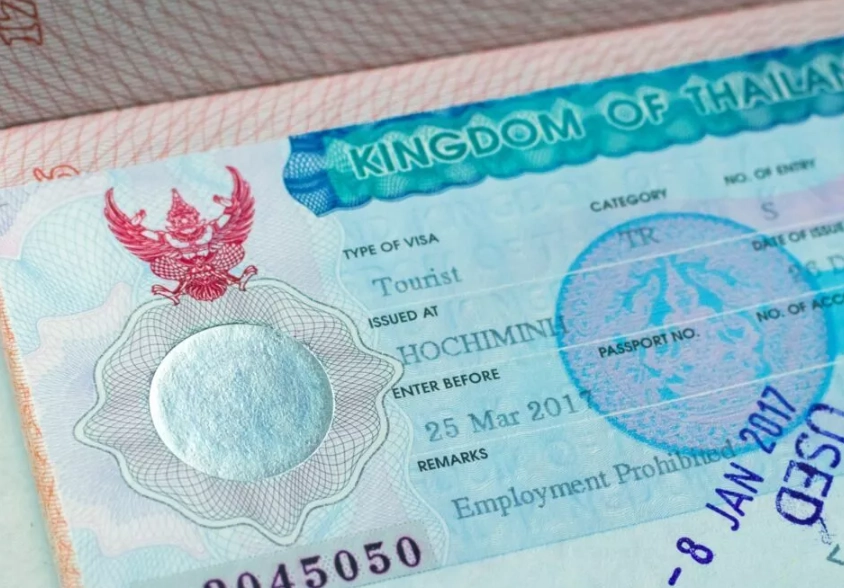
Getting Around
Domestic Flights: Cheap and efficient for long distances (Bangkok to Chiang Mai/Phuket). Airlines like AirAsia, Nok Air, Thai Vietjet.
Trains: Slow but scenic, especially the overnight sleeper train to Chiang Mai. Book in advance through the State Railway of Thailand (dticket.railway.co.th).
Buses: Vary from basic to luxurious VIP coaches. Good for medium distances.
Local Transport: Tuk-tuks are fun for short trips, but agree on a price BEFORE getting in. Metered taxis in Bangkok—insist they use the meter. Grab (SE Asia's Uber) is reliable. Songthaews (shared pickup truck taxis) are common up north and on islands.
Money & Costs
Thailand can be as cheap or as expensive as you make it. Street food meal: 50-100 THB. Mid-range restaurant meal: 200-400 THB. Fancy hotel: 4000+ THB. Budget hostel: 300-600 THB. ATMs are everywhere but charge a 220 THB fee per withdrawal, so take out larger amounts. Credit cards are widely accepted in hotels and larger stores, but not at street stalls.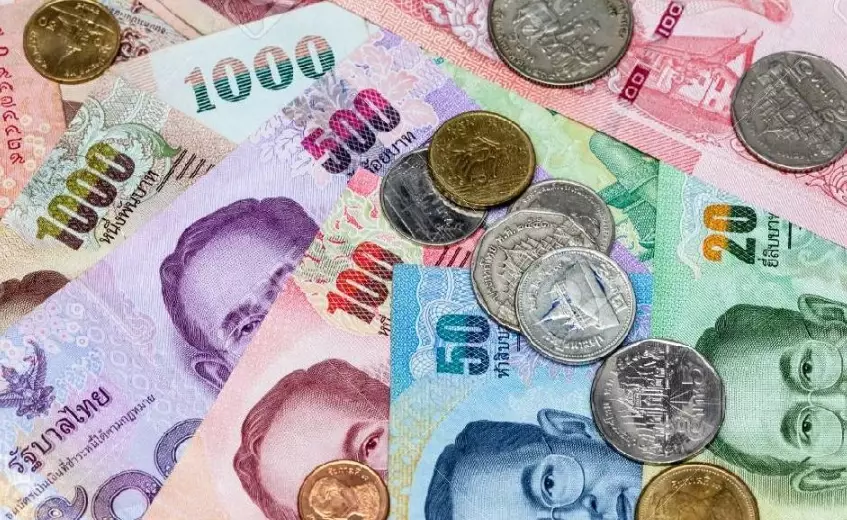
Culture & Etiquette: Don't Be That Tourist
Thais are famously friendly, but a little cultural awareness goes a long way.
The King and Royal Family: Held in the highest reverence. Never disrespect them. Don't step on currency (the King's image is on it).
The Head and Feet: The head is sacred—don't touch people's heads. Feet are considered low—don't point your feet at people or Buddha images.
Wai: The traditional greeting with pressed palms. You don't need to initiate it, but returning a wai is polite.
Temples: Dress modestly. Cover shoulders and knees. Remove shoes before entering any building within a temple complex.
Monks: Women should never touch a monk or hand something directly to him (place it on a table or have a man pass it).
Just be respectful. It's simple.
Sustainable & Responsible Thailand Tourism
This is becoming a huge concern, and rightly so. Overtourism damages the places we love. How can you travel better?
- Animal Welfare: Please avoid tiger temples, elephant shows where they paint or play football, or taking photos with drugged wildlife. Support true sanctuaries that prioritize animal welfare, like those accredited by organizations such as the World Animal Protection. Look for places that don't allow riding, bathing, or forced performances.
- Plastic: Thailand has a serious plastic waste problem. Refuse single-use straws and bags. Carry a reusable water bottle—many hostels and hotels have refill stations.
- Support Local: Eat at family-run restaurants, stay in locally-owned guesthouses, hire local guides. It makes a direct impact.
- Respect Nature: Don't touch or step on coral reefs. Use reef-safe sunscreen. Take all your trash with you, especially on islands.
Common Questions (Stuff You're Actually Wondering)
Putting It All Together: Sample Itinerary Ideas
You can't see it all in one go. Here are two classic routes:
Days 1-3: Bangkok (Grand Palace, temples, markets, street food).
Fly to Chiang Mai.
Days 4-7: Chiang Mai (cooking class, ethical elephant sanctuary, Doi Suthep, night market).
Fly to Phuket or Krabi.
Days 8-12: Andaman Coast (island hopping, beach time, Railay).
Day 13-14: Back to Bangkok for last-minute shopping/departure.
Days 1-2: Bangkok (quick stopover).
Fly to Koh Samui.
Days 3-5: Koh Samui (relax, Ang Thong Marine Park tour).
Ferry to Koh Phangan.
Days 6-7: Koh Phangan (explore the north/west coasts, not just Haad Rin).
Ferry to Koh Tao.
Days 8-10: Koh Tao (snorkeling, diving, chill vibes).
Fly back to Bangkok from Samui.
Remember, these are templates. Slow down if you can. Spending 5 days in one place lets you breathe and discover more than just ticking off sights.
Final Thoughts
The appeal of Thailand tourism isn't just one thing. It's the chaos of Bangkok, the serenity of a northern temple, the shock of turquoise water on your first island morning, the explosion of flavor in a simple street food dish, and the gentle smile of the locals. It's a country that caters to every travel style, if you know where to look.
Do your research, but leave room for spontaneity. Learn a few Thai phrases (“hello” = sawasdee krap/ka, “thank you” = kop khun krap/ka). Pack light, bring sunscreen, and an open mind.
Thailand has a way of getting under your skin.
You'll plan to go once, and then find yourself plotting your return before you've even left. I know I did. Happy travels, or as they say in Thailand, “Tam ngiap dai!” (Have a safe trip!).


Comments
Join the discussion