Jump Straight to What Matters
Modern Australian cuisine isn't just a trend—it's a full-blown culinary movement that's redefining how the world sees Australian food. Forget the old stereotypes of meat pies and Vegemite. Today, it's about native ingredients like kangaroo, lemon myrtle, and finger limes meeting techniques from Asia, Europe, and beyond. I've spent years exploring Australia's food scene, and let me tell you, it's one of the most exciting places to eat right now. This guide cuts through the hype and gives you the real scoop on where to go, what to try, and how to make the most of your trip.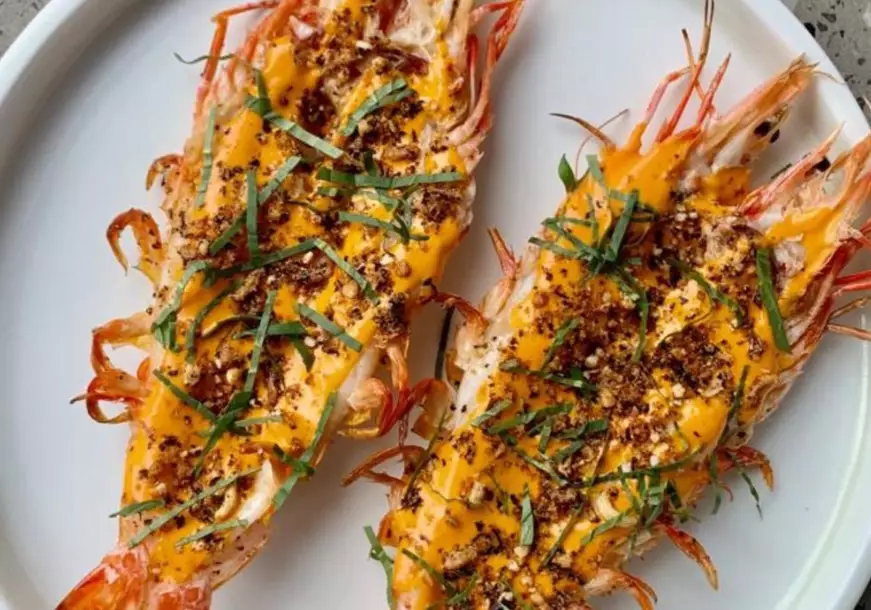
What Modern Australian Cuisine Actually Means
If you think it's just fusion food, you're missing the point. Modern Australian cuisine started in the 1980s when chefs began looking beyond British influences. They tapped into Indigenous Australian knowledge, using ingredients that had been around for thousands of years—things like wattleseed, saltbush, and quandong. Then, waves of immigration from Italy, Greece, Vietnam, and other places added new flavors. The result? A cuisine that's uniquely Australian, not just a copy of something else.
Take kangaroo meat, for example. It's lean, sustainable, and packed with flavor. But early on, many chefs overcooked it, treating it like beef. Now, places like Orana in Adelaide serve it rare with native berries, and it's a game-changer. The cuisine keeps evolving, with a strong focus on sustainability. According to Tourism Australia's latest reports, over 60% of top restaurants now prioritize locally sourced native ingredients, which isn't just a marketing gimmick—it tastes better.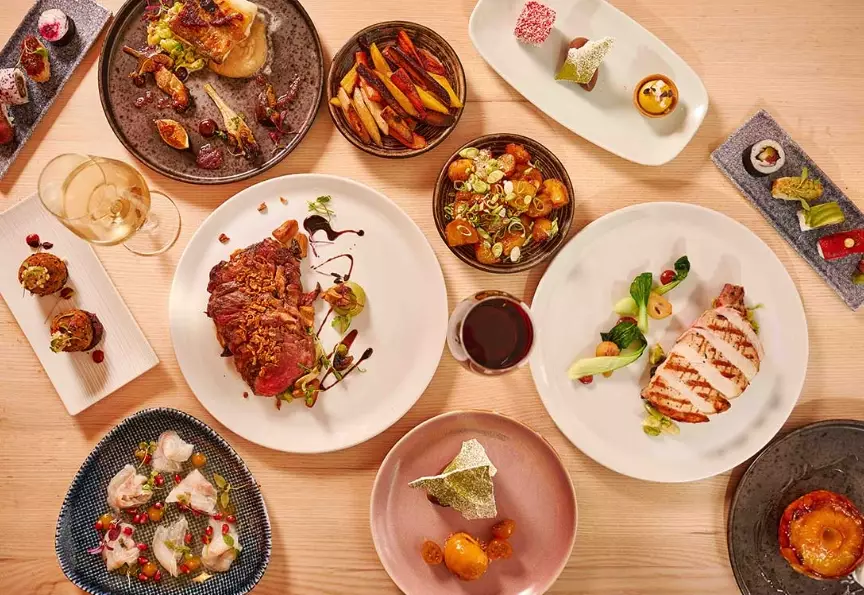
Quick fact: Modern Australian cuisine isn't confined to fine dining. You'll find its influence in cafes serving avocado toast with bush spices or pubs offering emu burgers. It's everywhere once you know what to look for.
The Ingredients and Techniques That Define It
Let's talk ingredients. Native Australian plants and animals are the stars here. Lemon myrtle adds a citrusy punch to seafood, while wattleseed gives desserts a nutty, coffee-like flavor. Then there's barramundi, a fish that's become synonymous with Australian cooking—it's often grilled with macadamia crusts or paired with Asian-inspired sauces.
Techniques vary widely. Many chefs use slow-cooking methods for tougher meats like crocodile, or fermentation to enhance native fruits. I remember trying wallaby tartare in Melbourne, and the chef explained how he aged the meat with native peppers. It was mind-blowing, and not something you'd find in a typical European restaurant.
Here's a quick rundown of must-know ingredients:
- Kangaroo: Low in fat, high in protein. Best served medium-rare.
- Finger limes: Tiny citrus bursts that pop like caviar—great on oysters.
- Macadamia nuts: Often used in crusts or as oil for dressing.
- Saltbush: A salty herb that seasons meats naturally.
If you're vegetarian, don't worry. Dishes like roasted pumpkin with quandong glaze or salads with warrigal greens are becoming mainstream.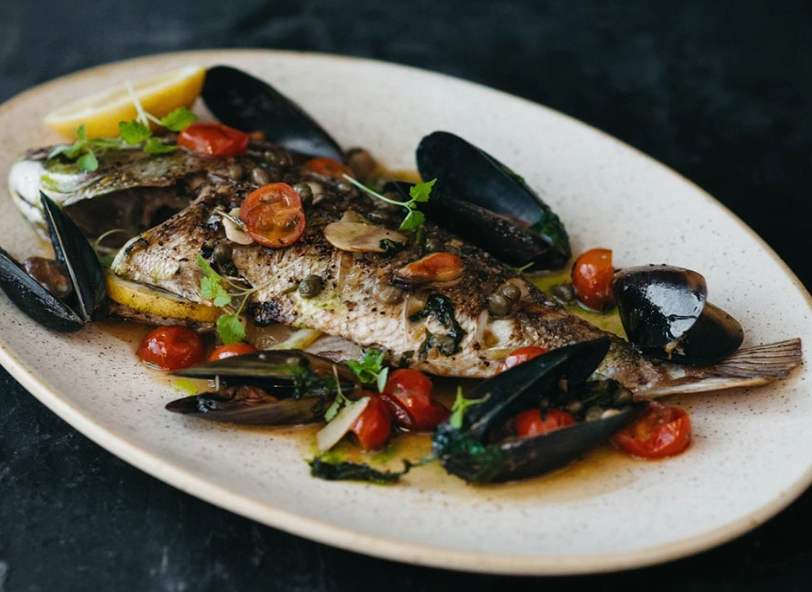
Where to Eat: Top Restaurants for Modern Australian Cuisine
This is where things get practical. I've compiled a list of restaurants that truly embody Modern Australian cuisine, based on my visits and chef recommendations. Prices are in Australian dollars, and remember to book ahead—some places fill up months in advance.
| Restaurant | Location | Signature Dish | Price Range (per person) | Hours |
|---|---|---|---|---|
| Quay | Upper Level, Overseas Passenger Terminal, The Rocks, Sydney NSW 2000 | Snow egg with native fruits | $250-300 (degustation) | Dinner: 6pm-10pm, closed Mon-Tue |
| Attica | 74 Glen Eira Rd, Ripponlea VIC 3185 (Melbourne) | Potato cooked in paperbark | $200-250 (tasting menu) | Dinner: 6pm-11pm, Wed-Sat |
| Orana | 285 Rundle St, Adelaide SA 5000 | Kangaroo with bush tomato | $180-220 (degustation) | Dinner: 6:30pm-10pm, Tue-Sat |
| Vue de Monde | Level 55, Rialto Towers, 525 Collins St, Melbourne VIC 3000 | Marron with lemon myrtle | $300-350 (premium menu) | Dinner: 5:30pm-11pm, daily |
| Bennelong | Sydney Opera House, Bennelong Point, Sydney NSW 2000 | Barramundi with saltbush | $120-150 (a la carte) | Lunch & dinner, hours vary |
Quay in Sydney is iconic for a reason—their snow egg dessert is legendary, but the savory dishes like mud crab congee with native herbs are just as good. Attica in Melbourne feels more experimental; the potato dish sounds simple, but the paperbark wrapping infuses it with smoky flavor. Orana in Adelaide is smaller and focuses intensely on Indigenous ingredients; it's pricey, but worth it for the education alone.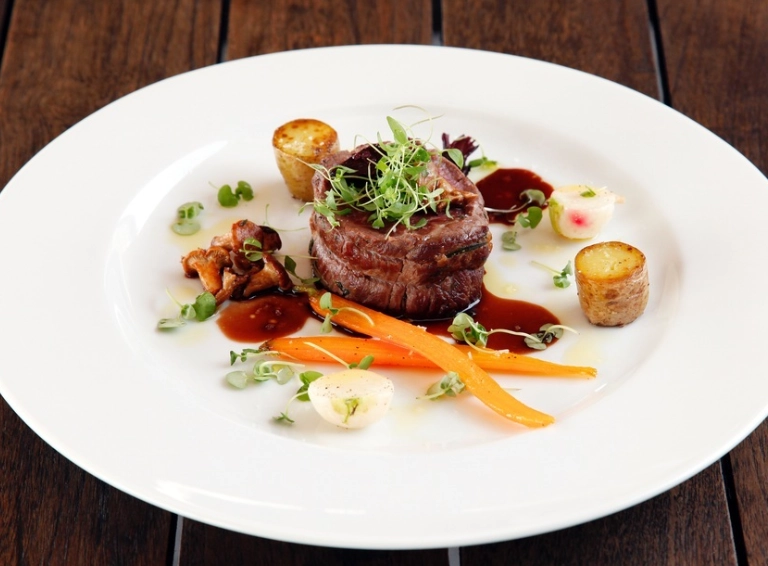
I once booked Vue de Monde six months ahead and still got a late seating. The view is stunning, but the food can feel overly theatrical. If you're on a budget, Bennelong offers a more accessible entry point without sacrificing quality.
Sydney's Waterfront Wonders
Sydney's dining scene is dominated by seafood and harbor views. Besides Quay, check out Saint Peter in Paddington (102 Oxford St, Paddington NSW 2021). It's a fish-focused spot where the chef, Josh Niland, does things like dry-aged kingfish—a technique borrowed from meat aging. It's innovative without being gimmicky. Open for dinner Tuesday to Saturday, with mains around $40-60.
Melbourne's Lane Way Delights
Melbourne is all about hidden gems. Lee Ho Fook (11-15 Duckboard Pl, Melbourne VIC 3000) isn't strictly Modern Australian, but it blends Chinese techniques with Australian ingredients like wallaby in black bean sauce. It's noisy and casual, with dishes around $25-40. For something quieter, Igni in Geelong (Ryan Pl, Geelong VIC 3220) is worth the trip—their fire-based cooking highlights native produce in a way that feels rustic yet refined.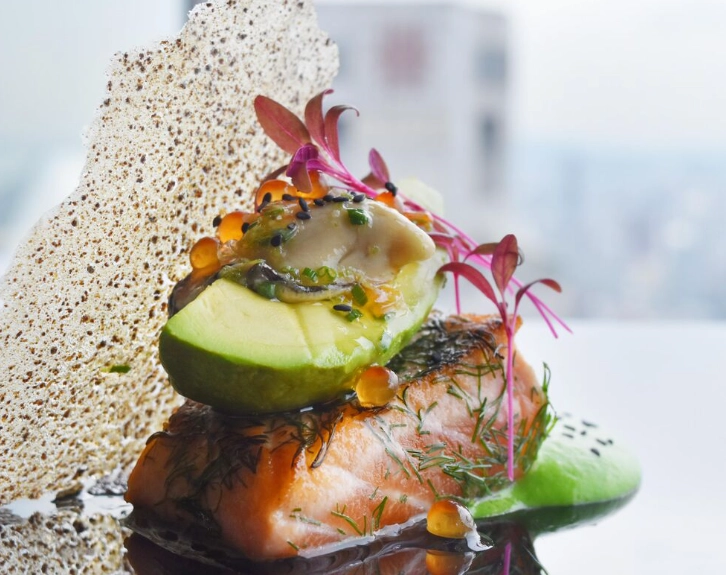
How to Plan a Food-Focused Australian Trip
Planning is key. Australia's big, and food scenes vary by city. Start with Sydney and Melbourne—they're the hubs. Fly into Sydney, spend 3-4 days there, then take a short flight to Melbourne for another 3-4 days. If you have time, add Adelaide for a deeper dive into native ingredients.
Budget-wise, expect to spend around $100-150 per day on food if you mix high-end and casual meals. Accommodation in cities like Sydney averages $200-300 per night for mid-range hotels. For transport, public transit works well, but renting a car lets you explore regional areas like the Hunter Valley for wine pairings with Australian food.
Here's a sample 7-day itinerary:
- Day 1-3 Sydney: Lunch at Bennelong, dinner at Quay, explore The Rocks markets for street food.
- Day 4-5 Melbourne: Coffee in laneways, dinner at Attica, visit Queen Victoria Market for local produce.
- Day 6-7 Adelaide: Day trip to Kangaroo Island for fresh seafood, dinner at Orana.
Book restaurants as soon as you confirm flights. Many offer online reservations, but for places like Attica, you might need to call. Don't overlook food festivals—events like Tasting Australia in Adelaide or Good Food Month in Sydney showcase Modern Australian cuisine in a more relaxed setting.
Mistakes Most Travelers Make with Australian Food
I've seen this too many times. Travelers come to Australia and stick to tourist traps serving overcooked kangaroo or generic pasta. Here's what to avoid:
Mistake 1: Skipping native ingredients because they sound weird. Things like witchetty grubs or crocodile might seem daunting, but chefs prepare them in approachable ways. Try a crocodile skewer at a market—it tastes like chicken with a firmer texture. You'll kick yourself if you miss out.
Mistake 2: Assuming all Modern Australian restaurants are expensive. Sure, fine dining spots cost a lot, but cafes and pubs have adopted the style. In Sydney, The Grounds of Alexandria (7a/2 Huntley St, Alexandria NSW 2015) offers dishes with native herbs at cafe prices ($15-25). Open 7am-4pm daily, and it's packed with locals.
Mistake 3: Not considering seasonality. Australian seasons are opposite to the Northern Hemisphere. Summer (Dec-Feb) is great for seafood and berries, while winter (Jun-Aug) brings hearty meats and root vegetables. I once visited in July and had the best slow-cooked emu stew—something you won't find in summer menus.
A chef friend once told me that many tourists order the same dishes they'd eat back home, missing the point entirely. Be adventurous; even if a dish doesn't work for you, the story is worth it.
Your Burning Questions Answered
Modern Australian cuisine is more than a meal—it's an experience that ties together history, culture, and innovation. Whether you're splurging at a fine dining temple or grabbing a bite at a market, the key is to embrace the local flavors. Start planning now, and you'll taste why Australia's food scene is turning heads globally. For more insights, check out resources from Tourism Australia or local food blogs like Broadsheet for updated reviews.





Comments
Join the discussion