Let's cut to the chase: India can be dirt cheap or shockingly expensive, and it all depends on how you travel. I've backpacked here for months and also splurged on luxury stays, so I'll break down the real costs you'll face. Forget generic advice—this is about what actually hits your wallet.
What You'll Find in This Guide
Daily Budget Breakdown for Tourists in India
Most travelers ask for a single number, but that's misleading. Your daily spend swings wildly based on style and location. In my experience, here's a realistic range:
| Budget Level | Daily Cost (USD) | What It Covers |
|---|---|---|
| Budget Backpacker | $20 - $30 | Hostel dorm, street food, local buses, free walking tours |
| Mid-Range Traveler | $50 - $80 | Private room in guesthouse, restaurant meals, auto-rickshaws, entry fees |
| Luxury Tourist | $150+ | Boutique hotels, fine dining, domestic flights, private guides |
Notice something? Even luxury here costs less than a mid-range trip in Europe. But cities like Mumbai or Delhi will stretch your budget—I once spent $40 just on a taxi from the airport in Mumbai due to traffic and surcharges. Rural areas like Rajasthan villages? You can live like royalty on $50 a day.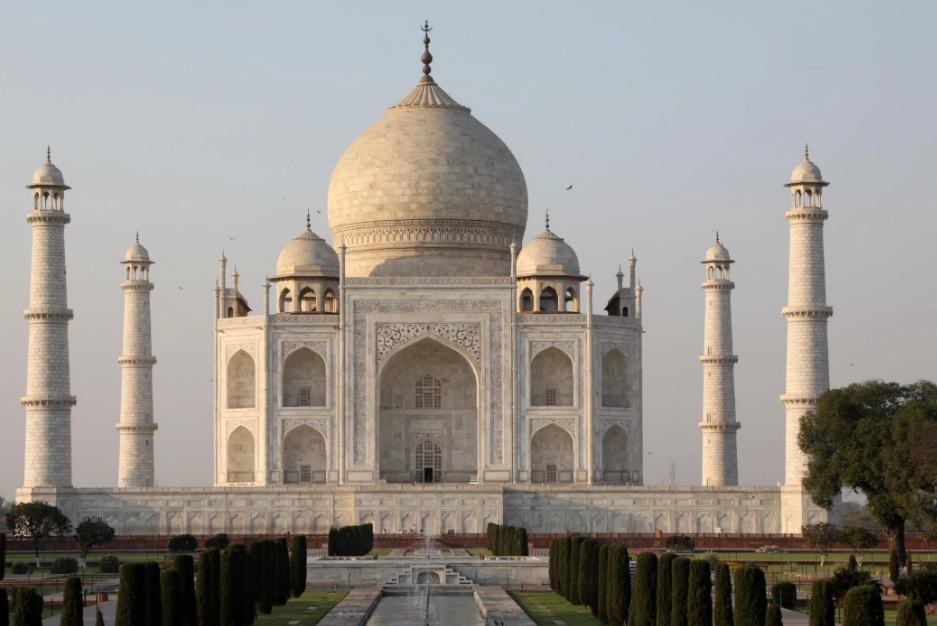
Accommodation Costs: Where to Stay Without Breaking the Bank
Hotels aren't your only option. In fact, sticking to international chains like Taj or Marriott will drain your funds fast. Instead, try these:
- Hostels: Dorm beds go for $5-10 in cities like Goa or Rishikesh. Zostel is a reliable chain with locations nationwide.
- Guesthouses and Homestays: My favorite—family-run spots in Jaipur (e.g., near Hawa Mahal) charge $15-25 per night with breakfast. You get local tips and home-cooked meals.
- Budget Hotels: Basic rooms with AC cost $20-40. Check out OYO Rooms for last-minute deals, but read reviews; some are dingy.
Here's a pro tip: Book directly via phone or walk in. Online platforms often add commissions. In Kerala, I saved 20% by calling a homestay in Fort Kochi directly—they offered a room for $18 instead of the listed $22.
Food and Dining Expenses: From Street Eats to Fine Dining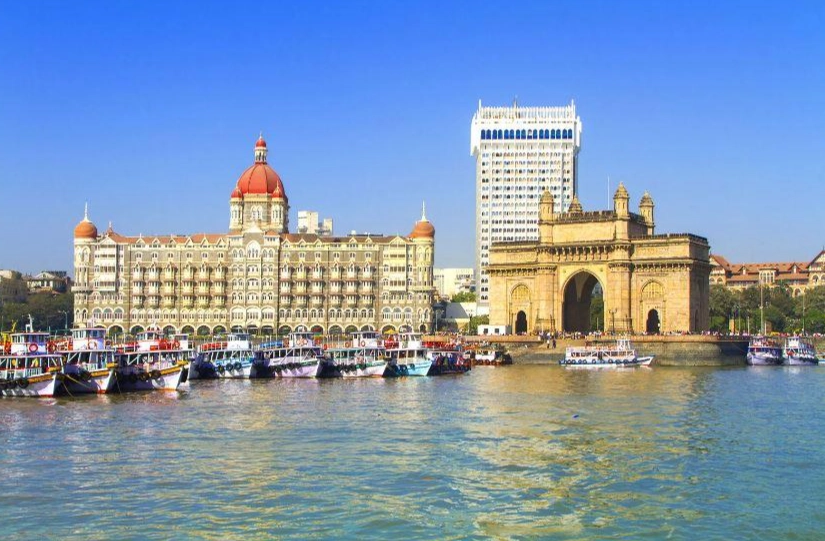
Food is where India shines for budget travelers. But there's a catch: hygiene varies. Let's talk numbers.
Street Food: A plate of chaat or samosas costs under $1. In Delhi, head to Chandni Chowk for parathas at Paranthe Wali Gali—each stuffed paratha is around ₹50 ($0.60). Delicious, but watch where you eat; I got food poisoning once from a dubious pani puri stall. Now I only go to busy vendors with high turnover.
Local Restaurants: A thali meal (unlimited rice, bread, curries) runs $2-5. In Mumbai, try Britannia & Co. in Ballard Estate for Parsi cuisine—their berry pulao is ₹600 ($7) and worth every penny.
Upscale Dining: Fancy restaurants in big cities charge $15-30 per person. Delhi's Indian Accent (rated among Asia's best) sets you back $50 for a tasting menu. Splurge if you want, but honestly, the street food often tastes better.
Transportation Costs in India: Getting Around
Transport can be a budget-killer if you're not careful. India's vast, so plan wisely.
Local Transport
Auto-rickshaws and taxis: Always negotiate or use meters. In cities like Bangalore, app-based rides (Uber, Ola) are cheaper—a 5km trip costs $2-3. But tourists often get quoted double; I've argued with drivers who tried to charge $10 for a short ride. Stand your ground.
Inter-city Travel
Trains are iconic and affordable. A sleeper class ticket from Delhi to Agra (200km) is about $5. Book via IRCTC, the official railway site—foreigners can use special quotas. Buses are even cheaper: a Volvo AC bus from Mumbai to Goa (600km) costs $15-20. Domestic flights vary; budget airlines like IndiGo offer sales for $30-50 one-way if booked early.
Personal Story: On my first trip, I blew $100 on a last-minute flight from Varanasi to Kolkata. Later, I learned that trains would've cost $20 and taken only a few hours more. Lesson: slow down and save.
Attraction and Activity Costs
Here's where hidden costs creep in. Monument fees differ for Indians and foreigners—a common gripe.
- Taj Mahal: Entry is ₹1100 ($13) for foreigners, plus ₹200 ($2.4) for a camera ticket. Guides charge extra; negotiate to ₹500 ($6) for an hour.
- Forts and Palaces: In Rajasthan, a combined ticket for Amber Fort and City Palace in Jaipur costs ₹1000 ($12). Worth it, but skip the audio guide; it's often outdated.
- Free Activities: Don't miss walking tours in old cities or temple visits (like the Golden Temple in Amritsar, free and includes a meal).
According to the India Tourism Development Corporation (ITDC), foreign tourist entry fees help fund preservation. Still, it adds up—budget $10-20 daily for attractions.
How to Travel India on a Budget: Insider Tips
Most guides repeat the same advice. Here's what I've learned from a decade of travel here:
- Travel Off-Season: July-September (monsoon) means lower prices. Hotels in Goa drop by 30%, though some beaches are muddy.
- Use Local SIM Cards: Airtel or Jio plans cost $3-5 for a month with data. It saves you from expensive roaming and helps with navigation.
- Avoid Tourist Traps: Skip overpriced souvenir shops near sites. Instead, buy from government emporiums or local markets—I got a silk scarf in Varanasi for $5 instead of the $20 quoted at a hotel shop.
- Learn Basic Hindi: Phrases like "kitna hoga?" (how much?) can prevent overcharging. It shows you're not a clueless tourist.
One more thing: cash is king. Many small places don't accept cards, and ATMs sometimes run out. Withdraw enough in cities.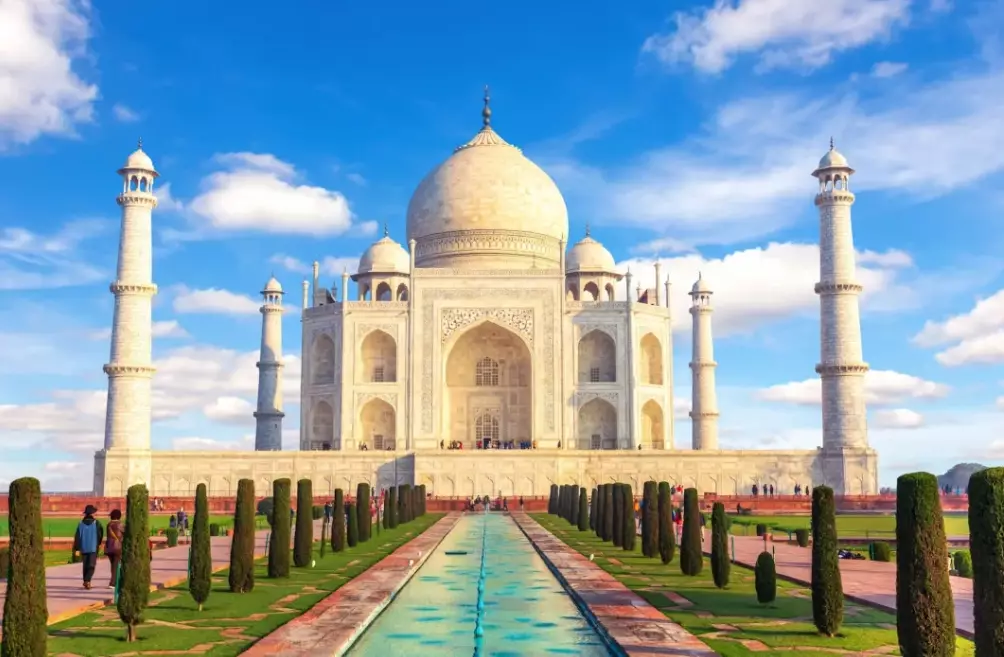
Frequently Asked Questions
So, is India expensive for tourists? Not really, if you travel smart. It's a place where your money goes far, but only if you avoid the pitfalls. Plan ahead, embrace local options, and you'll have an amazing trip without emptying your wallet. Ready to pack? Start with a realistic budget and dive in—India's chaos is part of the charm.





Comments
Join the discussion