Planning a trip to Australia? Forget just looking at pretty pictures. If you want to avoid the crowds, get better deals, and understand what you're really signing up for, you need to look at the numbers. Australia tourism statistics aren't just dry government figures—they're a secret map to a better holiday. The latest data from Tourism Research Australia shows international visitor numbers are roaring back, but where are they going? How much are they spending? And what does that mean for your itinerary and budget?
I've spent years sifting through these reports, and the story they tell is more interesting than you might think. It's not just about Sydney and the Great Barrier Reef anymore.
What's Inside This Guide
Understanding the Key Australia Tourism Statistics
Let's cut through the noise. When we talk about Australia visitor statistics, we're usually looking at three big buckets of data from Tourism Research Australia (TRA) and the Australian Bureau of Statistics (ABS).
International Arrivals: This is the headline number. How many people are flying in? Pre-pandemic, Australia hit a record of 9.5 million international visitors in 2019. The climb back has been steep. As of the latest data, we're seeing numbers consistently above 90% of those 2019 levels, with certain months even surpassing them. The recovery isn't uniform, though. Visitors from New Zealand and the UK came back fast. The China market, once the biggest spender, is recovering at a different pace—still significant, but the dynamics have shifted.
Domestic Tourism: This is the massive, often overlooked engine. Australians traveling in their own country account for the vast majority of visitor nights and spending. When international borders closed, domestic travel boomed, especially to regional areas. That trend has settled but remains strong. Understanding domestic holiday patterns tells you when and where it might be busy with local families, not just overseas tourists.
Visitor Expenditure: This is the money talk. International visitors spent over $36 billion AUD in 2023. But here's a crucial detail most miss: the average spend per night varies wildly. A backpacker on the East Coast might spend $100 a day. A Chinese leisure tourist pre-pandemic averaged over $250 per day. This spending drives everything from hotel prices to tour availability.
Top Destinations and Visitor Behavior
So where is everyone going? The usual suspects dominate, but the rankings have subtle shifts that are pure gold for trip planning.
The Unshakeable Favorites
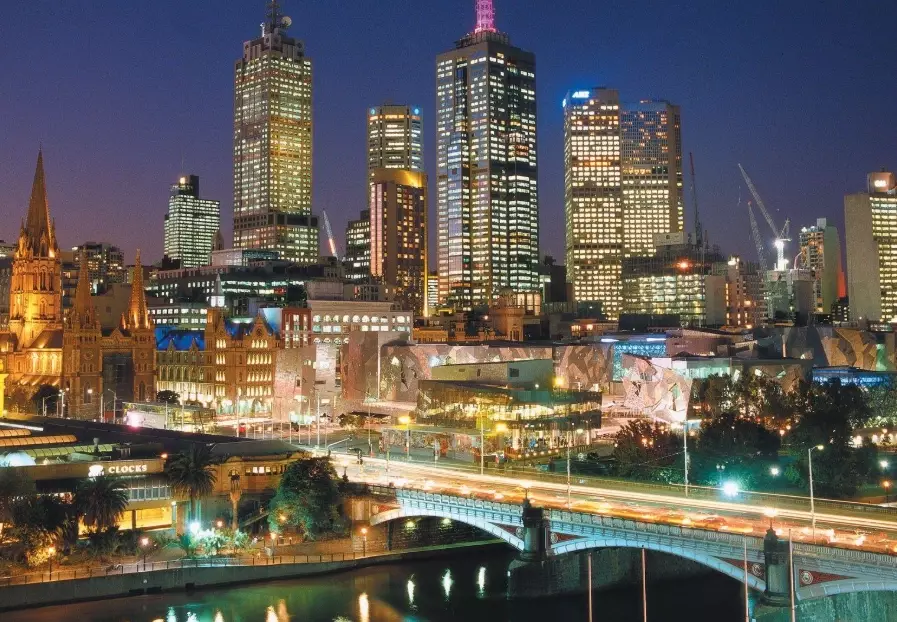
Sydney and Melbourne still capture the lion's share of international arrivals, nearly 50% combined. They're the gateways. Sydney's iconic Opera House and Harbour Bridge are magnets. Melbourne's draw is food, culture, and sports events. The data shows visitors to these cities have high rates of also visiting a second destination—usually Queensland.
Queensland is the holiday state. The Gold Coast, Sunshine Coast, and Cairns/Great Barrier Reef region are perpetually in the top 5 visited regions. The stats reveal a seasonal pattern: North Queensland (Cairns) peaks in the dry season (June-Oct), while the southern Queensland beaches are packed during summer holidays (Dec-Jan).
| Top Destination (International Visitors) | Key Driver | Quieter Alternative to Consider |
|---|---|---|
| Sydney, NSW | Iconic landmarks, gateway city | Explore the Blue Mountains for 2+ days |
| Melbourne, VIC | Culture, food, events | Day trips to Phillip Island or Mornington Peninsula |
| Gold Coast, QLD | Beaches, theme parks, nightlife | Sunshine Coast (Noosa, Mooloolaba) |
| Cairns & GBR, QLD | Great Barrier Reef, Daintree Rainforest | Port Douglas as a base, or look at the Whitsundays |
| Perth, WA | Beaches, Rottnest Island, direct flights | Margaret River region for wine and coast |
The Rising Stars in the Data
This is where it gets interesting. Look at the growth percentages, not just the total numbers.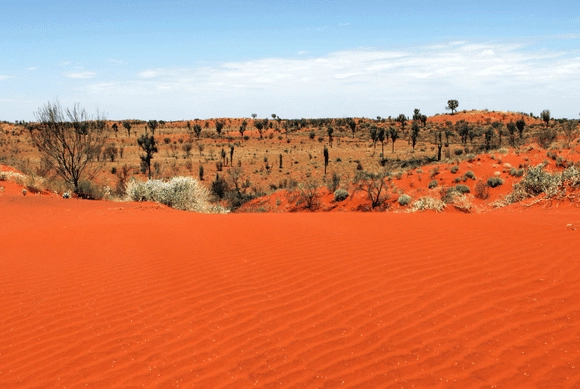
Tasmania has seen sustained growth, appealing to travelers seeking nature, food, and a less hectic pace. Hobart's MONA museum is a major drawcard the stats specifically link to increased visitation.
South Australia's wine regions (Barossa, Clare Valley) and Kangaroo Island's recovery post-bushfires are pulling in a more mature, high-spending demographic. The data shows these visitors stay longer and spend more per day on average than the typical coastal tourist.
Regional Victoria (like the Great Ocean Road) and regional NSW (Byron Bay hinterland, South Coast) show huge spikes during domestic school holidays. If you're an international visitor, avoiding these periods means a completely different experience on the same stretch of road.
Emerging Trends and the Future
The numbers hint at where tourism is headed.
Sustainable Travel is No Longer a Niche. Surveys embedded in the tourism statistics show a clear increase in traveler awareness. Over 60% of international visitors express a preference for businesses with strong environmental practices. This isn't just talk. It's influencing bookings for eco-certified tours and accommodations in places like the Daintree or the Whitsundays.
Experience over Checklist. There's a measurable shift away from just "seeing" landmarks to "doing" activities. Data on guided tours, culinary experiences, and Indigenous cultural tours show stronger growth than general attraction visitation. People want a learning or participatory element.
The "Workation" or Long-Stay Visitor. With remote work, visa data shows an increase in people staying for one to three months. They might base themselves in a city like Brisbane or Perth and travel slowly. This demographic spends differently—more on groceries, local cafes, and mid-term rentals, less on frantic sightseeing tours.
Aviation Capacity is the Wild Card. All these Australia tourism statistics depend on flight availability. The data clearly shows a correlation between the resumption of direct flight routes (e.g., from India, Vietnam) and immediate spikes in visitors from those countries. Future growth is tied to airline networks as much as destination appeal.
How to Use This Data to Plan Your Trip
Okay, so the stats are nice, but how do they help you book a flight? Let's get practical.
1. Timing is Everything (Leverage Seasonality Data)
Don't just think "Australian summer = busy." Cross-reference. The domestic school holiday calendar (available on each state's education department website) is your secret weapon. Avoid the two weeks around Easter, late June to mid-July, and late September to early October if you hate crowds at major family attractions. Want to dive the Great Barrier Reef? The statistics show the best balance of good weather and fewer people is in the shoulder months of April-May or November.
2. Pick Your "Peak" Based on Your Interests
If you're a foodie, going to Melbourne during a major food festival (when it's busy) might be worth it for the experience. If you're a hiker, you want good weather and fewer people, so targeting the shoulder season in Tasmania (March-April or October-November) aligns with the data on comfortable temperatures and lower visitation.
3. Follow the Spending Patterns for Deals
High-spending markets tend to book luxury tours and five-star hotels. If you're more mid-range, look for destinations that are popular but have a mix of visitor types. The data might show a place like Adelaide has a growing visitor base but average spend isn't skyrocketing. That often means more competition and better value in mid-tier accommodations compared to, say, parts of the Gold Coast dominated by high-end international demand.
4. Use Domestic Data for Regional Trips
Planning a road trip on the Great Ocean Road? Check the domestic tourism stats for Victoria. You'll see huge spikes during long weekends. Avoid them. The difference between having the Twelve Apostles lookout to yourself versus sharing it with twenty coaches is just a matter of picking the right Tuesday.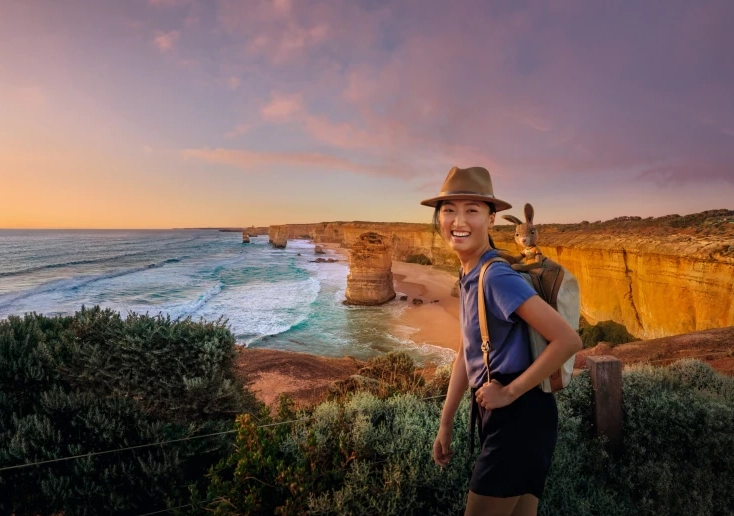


Comments
Join the discussion