Let's cut right to the chase. If you're looking at visitor numbers, cultural impact, and sheer "wow" factor, New Zealand's biggest tourist attraction isn't a city, a museum, or a bungee jump. It's a place of water, rock, and sky that feels almost prehistoric. It's Milford Sound (Piopiotahi) in Fiordland National Park.
I know, some of you might be thinking of Queenstown's adventure scene or Rotorua's geothermal wonders. They're huge, absolutely. But when we talk about a single, defining natural site that draws people from across the globe specifically to see it, Milford Sound is the undisputed champion. Data from Tourism New Zealand consistently shows it as the most visited and iconic single natural attraction in the country. Over half a million people make the journey there each year. That's a lot of people for a remote fiord at the bottom of the world.
But here's the thing most articles don't tell you: calling it the "biggest" is about more than just counting heads. It's about the journey, the scale, and the feeling you get when you're there. This guide isn't just going to tell you it's number one. I'm going to show you exactly why, and more importantly, how to experience it properly, avoiding the pitfalls that turn a dream trip into a rushed checkbox exercise.
What You'll Find in This Guide
Why Milford Sound is New Zealand's Number One Attraction
It's not an accident. Several factors combine to put Milford Sound on top.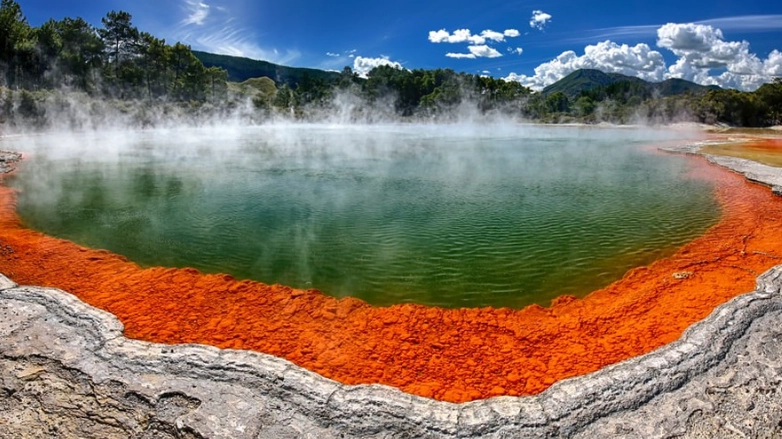
First, the geography is absurdly dramatic. Sheer granite cliffs, some rising over 1,200 meters straight out of the dark water. Waterfalls that appear out of nowhere after a bit of rain, cascading down a thousand meters. The famous Mitre Peak, a near-perfect pyramid that's one of the most photographed peaks on the planet. It's a landscape that feels impossible, like a movie set. But it's real.
Second, it's accessible, but just barely. The journey there is part of the adventure. The Milford Road (State Highway 94) is one of the world's great scenic drives. You'll pass through the Homer Tunnel, carved through solid rock, and emerge into a completely different world. This sense of pilgrimage adds to its allure. You can't just pop in; you have to commit to the trip.
Finally, there's the wildlife. You're almost guaranteed to see fur seals lounging on the rocks. Dolphins often play in the bow waves of the cruise boats. If you're incredibly lucky, you might spot a rare Fiordland crested penguin. This isn't a zoo; it's their home, and you're the visitor.
A Quick Reality Check
Before you get too starry-eyed, let's be real. Milford Sound is in one of the wettest places on Earth. It rains about 200 days a year. But locals have a saying: "There's no bad weather in Milford Sound, only different kinds of amazing." The rain creates hundreds of temporary waterfalls, turning the cliffs into a living, roaring spectacle. Don't let a forecast of rain put you off—it might just gift you the best show.
How to Get to Milford Sound: Your Transport Options
This is where most first-timers make their first big mistake: underestimating the journey. You need to plan this part carefully.
Driving Yourself from Queenstown or Te Anau
The classic DIY approach. From Queenstown, it's about a 4-hour drive (287 km) to the sound itself. From Te Anau, the closest real town, it's about 1.5-2 hours (119 km).
The pros: Total freedom. You can stop at every lookout (like the Mirror Lakes or the Chasm), leave on your own schedule, and maybe even do some short walks.
The big con (and my expert tip): Driving the Milford Road, especially the final stretch after the Homer Tunnel, is intense. It's narrow, winding, and if you're not used to it, stressful. You'll be tired after a cruise, and then you have to do the drive back. I've seen too many people ruin their day by being exhausted and anxious behind the wheel. If you drive, seriously consider staying in Te Anau the night before. Breaking the journey makes all the difference.
Taking a Coach Tour
This is the most popular option for a reason. Companies like Real Journeys or GreatSights run full-day trips from Queenstown and Te Anau.
| Departure Point | Total Trip Duration | Approx. Cruise Time | Key Benefit |
|---|---|---|---|
| Queenstown | 12-13 hours | ~2 hours | All-in-one from the adventure hub. |
| Te Anau | 7-8 hours | ~2 hours | Shorter bus ride, more relaxed day. |
The guide commentary on these buses is usually excellent, pointing out things you'd miss. The downside? You're on a fixed schedule with 50 other people.
Flying There (The Splurge)
For a truly unforgettable perspective, take a scenic flight from Queenstown or Te Anau. You'll soar over the Southern Alps and get a god's-eye view of the fiords before landing at the small Milford Sound airport. You then join a cruise before flying back.
It's expensive (think NZD $500+ per person), but it saves a full day of travel and gives you an experience 99% of visitors miss. If your budget allows, it's the single best way to appreciate the scale of the place.
What to Do in Milford Sound: Beyond the Basic Cruise
Okay, you've arrived. Now what? The cruise is the main event, but you have choices.
The Standard Nature Cruise: This is what most people do. A 1.5 to 2-hour boat trip out to the Tasman Sea and back. The boats are big, stable, and have indoor and outdoor viewing. They'll take you right up to waterfalls like Stirling Falls (prepare to get a little wet on the front deck!) and close to seal colonies. Companies like Real Journeys and Southern Discoveries run these constantly. Prices range from NZD $80 to $150 per adult.
The Smaller Boat or Kayak Option: For a more intimate feel, opt for a smaller vessel or a guided kayaking trip. The silence when you're in a kayak, hearing only the drip of water and the call of birds, is magical. You feel tiny against the cliffs. This is for those who want to actively engage with the environment, not just observe it from a deck.
The Overnight Cruise: This is the insider's secret. Staying overnight on a boat in the sound is a game-changer. After the day-trippers leave, a profound peace descends. You can kayak in the evening stillness, enjoy a meal with new friends, and fall asleep to the sound of water. In the morning, you have the fiord almost to yourself. It's a completely different, and in my opinion, superior experience.
When is the Best Time to Visit Milford Sound?
This depends on what you want.
Summer (Dec-Feb): The warmest, busiest time. More stable weather (though rain is always possible), longer days. Book everything far in advance.
Autumn/Winter (Mar-Aug): Crowds thin out. You get a higher chance of seeing snow-capped peaks, which is stunning. The waterfalls are still flowing. It can be cold and rainy, but that's part of the fiord's character.
Spring (Sep-Nov): A lovely balance—warming up, fewer people than summer, and lots of newborn wildlife.
My personal favorite is the shoulder seasons (April-May or September-October). You avoid the peak summer rush, the weather is often still good, and you get a more relaxed vibe.
Other Contenders: New Zealand's Must-See Attractions
Calling Milford Sound the biggest doesn't mean other places aren't incredible. A great New Zealand trip weaves several of these together. Here's a quick rundown of other heavy hitters:
- Queenstown: The adventure capital. It's not a single attraction but a hub for bungee, skiing, jet boating, and hiking. The Remarkables mountain range provides the backdrop.
- Rotorua: Unique geothermal activity—geysers, bubbling mud pools, and rich Māori culture. The smell of sulphur is its signature scent.
- Tongariro Alpine Crossing: Often called the world's best one-day hike. It's a lunar landscape of emerald lakes and volcanic craters. A tough but rewarding day.
- Abel Tasman National Park: The golden beaches and turquoise waters of the South Island's north coast. Best explored by kayak or water taxi.
- Aoraki / Mount Cook National Park: For mountain majesty. Home to New Zealand's highest peak and stunning glacial lakes like Lake Pukaki.
Think of Milford Sound as the crown jewel, but the whole country is the treasure chest.
Your Milford Sound Questions Answered
 So, there you have it. New Zealand's biggest tourist attraction is a masterpiece of nature called Milford Sound. It earns that title not just through popularity, but through an undeniable, humbling power that stays with you long after you've left. Plan wisely, embrace the weather, and go see it for yourself.


Comments
Join the discussion