Planning a trip to New Zealand and staring at your savings account? You're not alone. The first question everyone asks is: how much is this going to set me back? I've planned trips there for over a decade, from shoestring backpacking to a more comfortable family holiday. The short answer: a two-week trip for one person can range from NZD $2,500 on a very tight budget to well over NZD $7,000+ for a comfortable, activity-filled experience. But that number is useless without context. Let's peel back the layers.
Your Quick Guide to NZ Trip Costs
The Three Budget Levels: Which One Are You?
Forget a single number. Your daily spend in New Zealand falls into one of three camps. This table isn't just guesswork; it's based on tracking expenses across dozens of trips.
| Budget Level | Approx. Daily Cost Per Person (NZD) | What It Gets You |
|---|---|---|
| Economy / Backpacker | $120 - $180 | Dorm beds in hostels (YHA, BBH), cooking most meals, bus transport (InterCity Flexipass), limited paid activities, lots of hiking. |
| Comfort / Mid-Range | $250 - $400 | Private rooms in motels/Airbnbs, mix of self-catering and café/restaurant meals, rental car (shared cost), several key paid activities (e.g., one glacier tour, one Milford Sound cruise). |
| Premium / Luxury | $500+ | Boutique hotels or luxury lodges, dining out for most meals, premium rental car or campervan, guided tours and heli-hikes, premium wine tours. |
Most first-time visitors aiming for a "nice" trip land squarely in the mid-range. The biggest mistake I see? People budget for economy but book like they're in comfort mode, especially on activities and food.
The Real Cost Breakdown: Where Your Money Goes
1. Accommodation: Your Biggest Fixed Cost
This varies wildly by season (December-February is peak). A bed in a 4-6 person dorm at a reputable hostel like YHA Wellington or Adventure Queenstown Hostel runs $35 - $55 per night. A private double room in a basic motel (think Golden Chain Motels) or a decent Airbnb outside city centers costs $120 - $180. A nice hotel in Auckland or Queenstown? Easily $250 - $400+.
Pro tip: Motels are a Kiwi staple. They often have kitchenettes, saving you a fortune on food. Don't overlook them.
2. Transport: To Drive or Not to Drive?
This is the make-or-break item. Public transport is limited outside cities.
- Rental Car: A compact car (Toyota Corolla) costs $45 - $80 per day, plus insurance. Gas (petrol) is expensive—around $2.70 - $3.00 per litre. Driving from Christchurch to Queenstown (480km) will cost about $120 in fuel alone.
- Campervan: A basic 2-berth van in summer can be $150 - $250 per day. Remember to budget for powered site fees at holiday parks ($50 - $80 per night).
- Buses: The InterCity Flexipass or Naked Bus pass offers flexibility. A 15-hour pass costs about $170.
- Domestic Flights: Auckland to Christchurch one-way can be $80 - $150 if booked in advance with airlines like Air New Zealand or Jetstar.
3. Food & Drink: The Daily Grind
You can control this cost significantly.
- Supermarket (Countdown, New World): Self-catering costs $15 - $25 per person per day for basics.
- Café Lunch: A pie and a coffee: $10 - $15. A café brunch (eggs, avocado, coffee): $25 - $35.
- Restaurant Dinner: A main course at a mid-range pub/restaurant: $30 - $45. A nice dinner with a drink: $60 - $90 per person.
- Coffee: A flat white: $5 - $6. It's a religion here, budget for it.
4. Activities & Tours: The "Wow" Factor
This is where budgets explode. New Zealand sells experiences.
- Milford Sound Coach & Cruise Day Trip from Queenstown: $150 - $220.
- Franz Josef Glacier Heli-Hike: $500 - $600 (weather-dependent).
- Bungy Jump (Queenstown): $200 - $250.
- Hobbiton Movie Set Tour: $90 - $120.
- Great Walks Hut Pass (e.g., Routeburn Track): $65 - $130 per night (must book months ahead).
The good news? The best things are often free: hiking Tongariro Alpine Crossing, visiting Cathedral Cove, exploring any National Park visitor centre, or just pulling over at a stunning lookout.
My Personal Rule: For every big-ticket paid activity, I balance it with two free days of hiking and exploring. It keeps the budget and the experience in check. I also use Bookme or GrabOne for last-minute activity deals, especially in places like Queenstown.
How to Save Money on Your New Zealand Trip
Want to stretch your dollar? It's about strategy, not just deprivation.
- Travel Shoulder Season: April-May and September-October. Flights and accommodation are cheaper, crowds thinner, and weather can still be great.
- Accommodation Hack: Book a Holiday Park cabin (like Top 10 or Kiwi Holiday Parks). You get a private room with shared kitchen facilities for often less than a motel room.
- Transport Strategy: If solo, a bus pass might beat a rental car. For two or more, sharing a car is almost always cheaper and far more flexible. Relocation deals for campervans exist but are rigid.
- Food Wisdom: Embrace the "big breakfast, picnic lunch, simple dinner" routine. New Zealand has amazing produce—make use of it.
- Activity Planning: Prioritize one or two "must-do" paid experiences. For the rest, research the free alternatives. The DOC (Department of Conservation) website is your best friend for hiking trails.
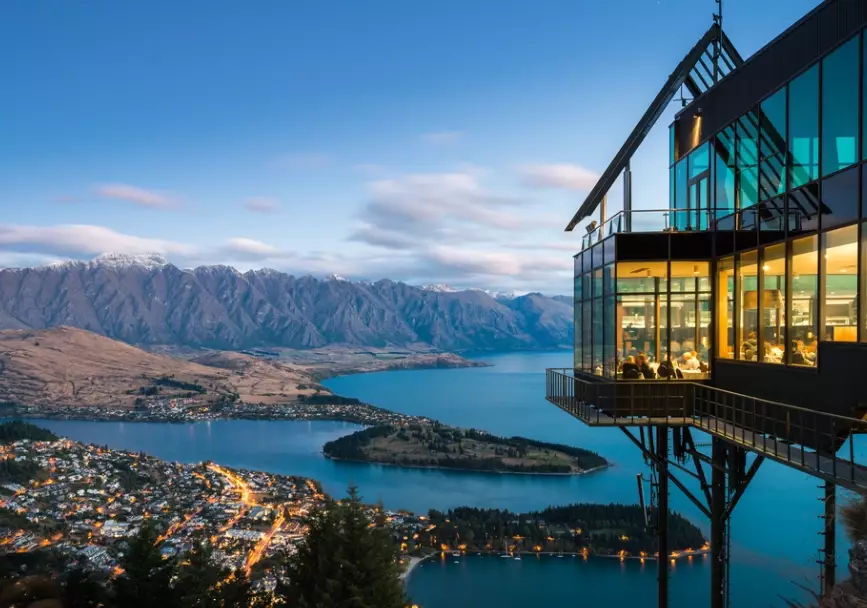
Budget by Travel Style: Backpacker, Family, Couple
For the Solo Backpacker
Aiming for $130/day. You'll live in dorms, cook 80% of meals, travel by bus, and maybe do one big activity a week. Your splurge will be that Fergburger in Queenstown ($18, worth it). Focus on free hikes and meeting people. A 1-month trip could total ~$3,900 plus flights.
For a Family of Four
The calculus changes. A rental car or spacious campervan is non-negotiable. Self-contained accommodation with a kitchen (like a 2-bedroom holiday park unit or Airbnb) is key. Daily budget can be $600 - $800 for the family ($150-$200 per person). Look for family passes on activities. A 2-week trip can realistically hit $8,500 - $11,000 plus flights.
For a Couple (Mid-Range Comfort)
This is the sweet spot for many. Sharing a rental car and private Airbnb/motel room splits costs nicely. Budget $350 - $500 per day as a couple. This allows for a mix of dining out, a few premium activities, and a comfortable pace. A classic 2-week South Island road trip might cost $7,000 - $9,000 total for two, excluding international flights.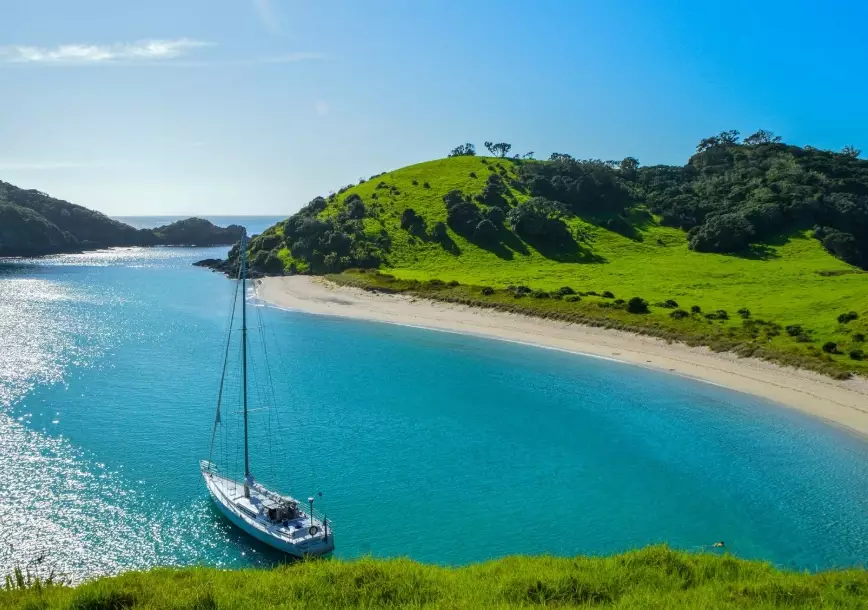
A Real 14-Day South Island Itinerary Cost (Couple, Mid-Range)
Let's get concrete. This is a classic loop: Christchurch > Tekapo > Mount Cook > Wanaka > Queenstown > Te Anau > Milford Sound > Franz Josef > Christchurch.
- Rental Car (14 days, intermediate SUV): $1,100 (incl. basic insurance)
- Fuel (approx. 2,000 km): $500
- Accommodation (13 nights, avg. $160/night): $2,080
- Food & Drink ($100/day for two, mix): $1,400
- Activities (Milford Sound cruise, Dark Sky Project, one short glacier walk): $450
- Incidentals (parking, coffee, souvenirs): $300
Estimated Total for Two: $5,830 (or $2,915 per person). Add flights to Christchurch. See how it aligns with the mid-range daily estimate? This is a realistic, enjoyable trip without extreme luxury or extreme frugality.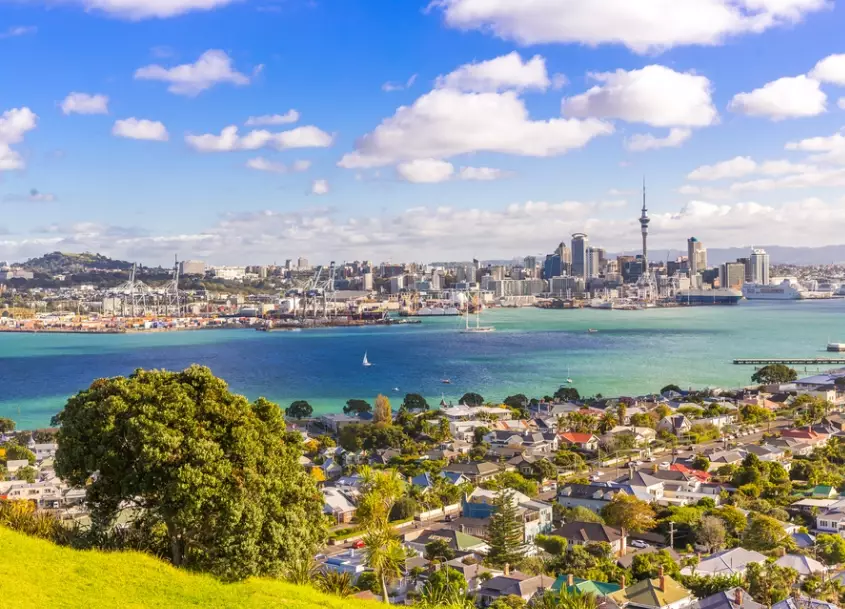
Your New Zealand Trip Cost Questions Answered
So, how much does a New Zealand trip cost? It's the cost of your choices. You can have an incredible time at different price points. Be honest about your style—are you a dorm-room, ramen-noodle adventurer, or do you need a comfortable bed and a good meal after a day of hiking? Plan for the mid-point of your chosen budget level, always leave a 10% buffer for the unexpected (a spontaneous wine tour in Marlborough, perhaps?), and remember that the most valuable things here—the air, the mountains, the lakes—don't have a price tag.


Comments
Join the discussion