Asking "what foods are Asian cuisine?" is like asking what sounds are in a symphony. The answer is vast, complex, and beautifully varied. Asia isn't a monolith; it's a continent of distinct cultures, histories, and climates, each reflected on the plate. From the delicate, umami-rich dishes of Japan to the fiery, herbaceous curries of Thailand and the complex, spice-laden creations of India, Asian food represents the world's most diverse culinary landscape.
I remember my first real encounter with this diversity wasn't in a fancy restaurant, but in a cramped food court. A bowl of Vietnamese pho sat next to a plate of Korean bibimbap, across from a vendor selling Chinese dumplings. The aromas alone told different stories. That's what we're exploring here—not just a list of dishes, but the stories, regions, and flavors that make up Asian cuisine.
Your Flavor Journey Starts Here
- Beyond a Single Flavor: Understanding Asia's Culinary Regions
- East Asian Foundations: Balance, Technique, and Umami
- Southeast Asian Vibrancy: Herbs, Heat, and Harmony
- South Asian Complexity: The Art of the Spice Blend
- The Core Flavors of Asia: A Quick-Reference Table
- How to Experience Asian Cuisine: A Practical Guide
- Your Questions Answered (FAQ)
Beyond a Single Flavor: Understanding Asia's Culinary Regions
Grouping all Asian foods together is the first mistake. It leads to confusion—expecting Thai food to taste like Chinese, or Indian like Korean. To truly grasp what Asian cuisine is, we need to break it down by major culinary regions. For a broad geographical reference, regions like East Asia are defined by entities like the United Nations geoscheme for Asia.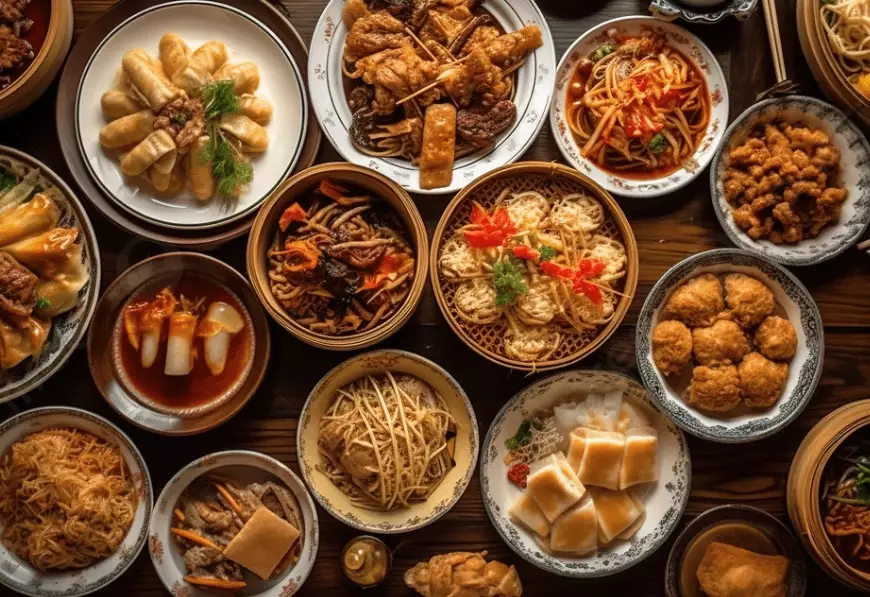
The main pillars are East Asia (China, Japan, Korea, Taiwan), Southeast Asia (Thailand, Vietnam, Indonesia, Philippines, Malaysia, Singapore, etc.), and South Asia (India, Pakistan, Bangladesh, Sri Lanka, Nepal). West Asian (or Middle Eastern) cuisine, while incredible, is often categorized separately in culinary discussions.
Each region has a culinary philosophy. East Asia often focuses on the intrinsic flavor of quality ingredients, balanced with salt, soy, and umami. Southeast Asia is a dance of fresh herbs, pungent fish sauce, lime, and chili. South Asia is a deep exploration of spices, layered and toasted to create profound depth.
East Asian Foundations: Balance, Technique, and Umami
Think precision and balance. The food here is often less about overwhelming heat and more about creating a harmonious flavor profile.
Chinese Cuisine: A Universe in Itself
Even within China, the differences are staggering. Sichuan food is famously ma la (numbing and spicy), with dishes like Mapo Tofu. Cantonese cuisine from the south is about subtlety and fresh seafood, exemplified by steamed whole fish or dim sum. Peking Duck from Beijing is a ritual of crisp skin and pancakes. A common oversight is thinking all Chinese food is greasy takeout. Authentic versions are about texture and nuanced sauce work.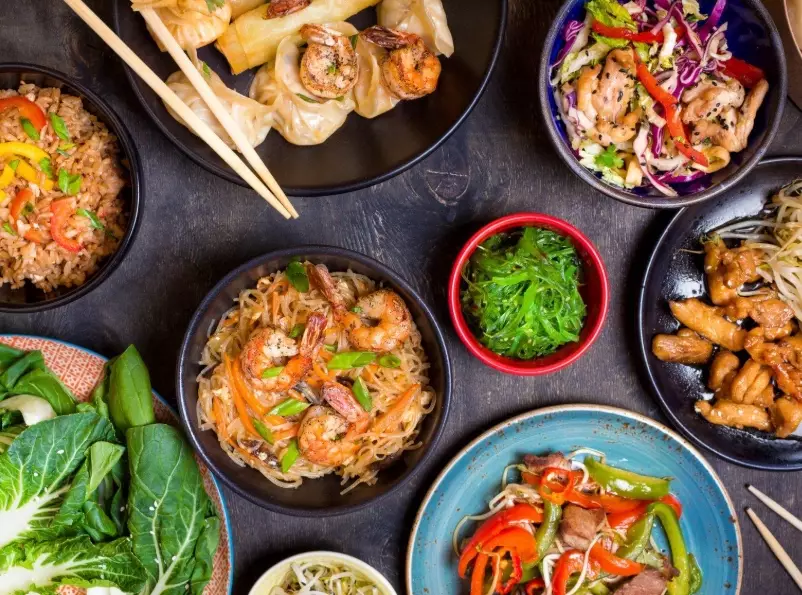
Japanese Cuisine: The Art of Subtraction
It's about highlighting pristine ingredients. Sushi and sashimi are the obvious stars, but don't miss ramen (endless regional styles), delicate tempura, or comforting bowls of donburi (rice bowls). Umami from dashi (kelp and bonito stock) is the secret weapon. A tip from my sushi-chef friend: real wasabi (wasabia japonica) is grated fresh, pale green, and subtly sweet—nothing like the bright green horseradish paste commonly served.
Korean Cuisine: Bold and Fermented
Korean food has a robust, communal heart. Kimchi, the fermented vegetable side dish, is a national obsession and the base flavor for many stews like Kimchi Jjigae. Bulgogi (marinated grilled beef) and Bibimbap (a mixed rice bowl) are global favorites. The magic is in the marinades and banchan (the array of small side dishes that come with every meal).
Southeast Asian Vibrancy: Herbs, Heat, and Harmony
This is where freshness meets fire. Meals are often a DIY assembly of herbs, proteins, sauce, and carbs.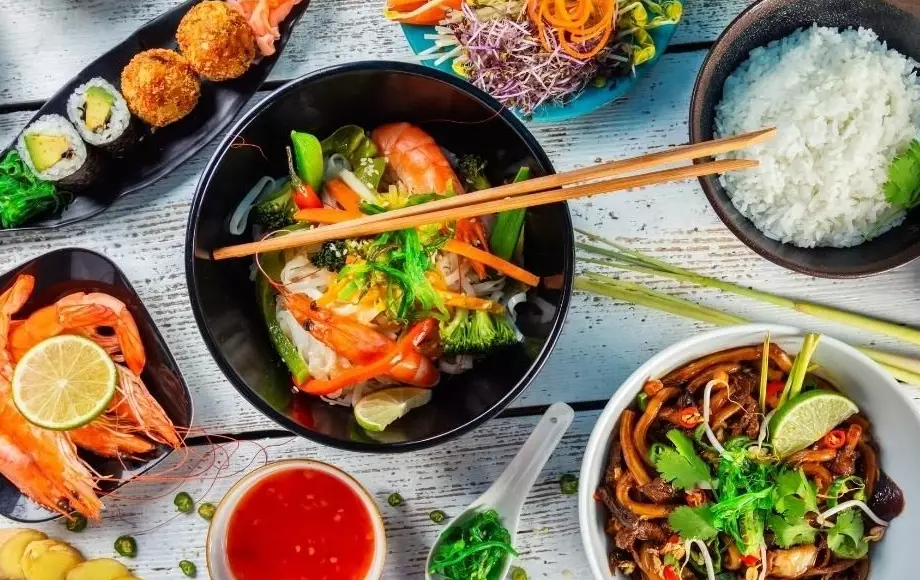
Thai food masters the balance of sweet, sour, salty, and spicy. A proper Pad Thai should have a tamarind-based tang, not just be sweet. Green Curry gets its color and flavor from fresh green chilies and herbs. For a true street food experience, seek out Som Tum (green papaya salad), pounded to order.
Vietnamese food is characterized by clarity and herbs. Pho is the national dish—a clear, aromatic beef or chicken broth with rice noodles. Banh Mi sandwiches are a legacy of French colonialism, combining baguette with pâté, pickled vegetables, and cilantro. Fresh herbs like mint, Thai basil, and cilantro are not garnishes; they are essential components.
Indonesian/Malaysian/Singaporean food is incredibly rich. Think Rendang (a slow-cooked dry curry from Indonesia), Laksa (a spicy noodle soup with coconut milk), and Satay (skewered grilled meat with peanut sauce). These cuisines make heavy use of coconut milk, lemongrass, galangal, and shrimp paste.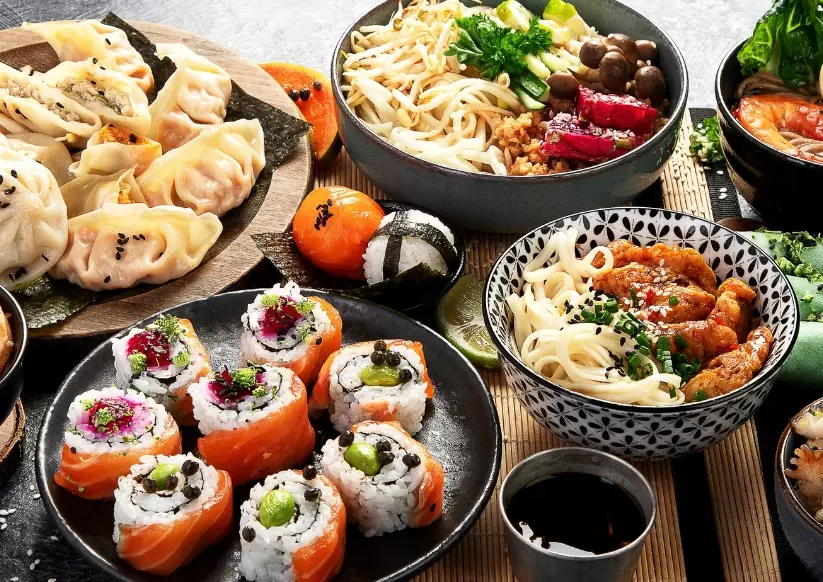
South Asian Complexity: The Art of the Spice Blend
Here, spices are not just added heat; they are toasted, ground, and layered to build flavor foundations like garam masala or curry powder (which is itself a British invention to approximate Indian blends).
Indian cuisine is phenomenally diverse. Butter Chicken and Chicken Tikka Masala from the north are creamy and tomato-based. Southern food features rice, lentils (as in dosas), and coconut-based curries that can be fiercely hot. Vegetarianism is deeply rooted, leading to an incredible array of lentil (dal) and vegetable dishes. A common mistake is ordering everything as "curry." Each dish has a specific name and spice profile.
Foods from Pakistan, Bangladesh, and Sri Lanka share similarities but have their own identities. Sri Lankan cuisine, for instance, uses unique spices like cinnamon and pandan leaves, and their curries are often thinner and more broth-like.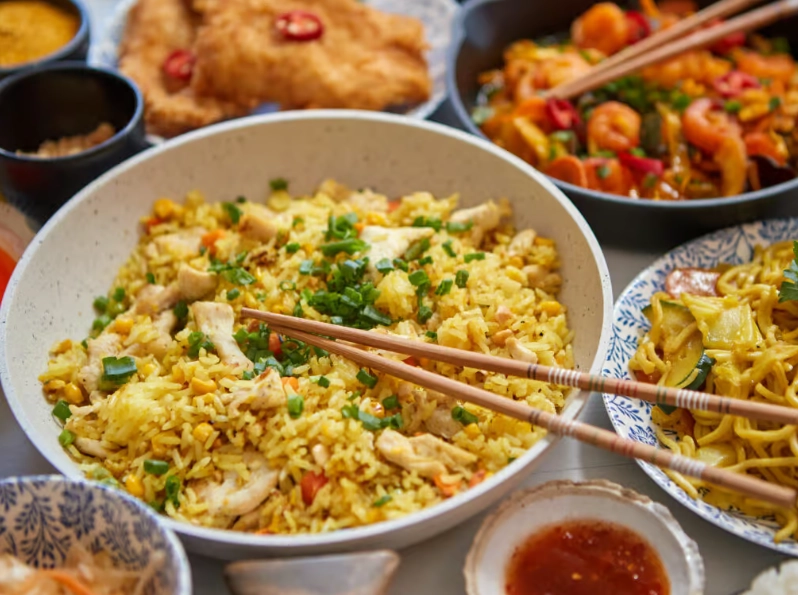
The Core Flavors of Asia: A Quick-Reference Table
This table helps you decode the flavor profile of different Asian culinary regions at a glance.
| Culinary Region | Signature Dishes (What to Try) | Core Flavors & Ingredients | Dining Style Note |
|---|---|---|---|
| East Asia (China, Japan, Korea) | Dim Sum, Sushi, Ramen, Bulgogi, Kimchi, Peking Duck | Soy sauce, rice vinegar, ginger, garlic, sesame oil, miso, gochujang (Korean chili paste), umami (dashi, fermented beans) | Often shared dishes (Chinese), individual bowls (Japanese ramen), or communal BBQ (Korean). |
| Southeast Asia (Thailand, Vietnam, Indonesia) | Pad Thai, Green Curry, Pho, Banh Mi, Satay, Rendang | Fish sauce, shrimp paste, lime, lemongrass, galangal, coconut milk, fresh chilies, basil, mint, cilantro | Highly interactive. Wrap, dip, and assemble with fresh herbs. Street food is king. |
| South Asia (India, Sri Lanka) | Butter Chicken, Biryani, Dosa, Dal, Various Curries | Turmeric, cumin, coriander, cardamom, cloves, cinnamon, ginger, garlic, ghee, yogurt | Bread (naan, roti) or rice used to scoop food. Many small dishes (vegetarian and non-veg) shared. |
How to Experience Asian Cuisine: A Practical Guide
Knowing the theory is one thing. Here’s how to put it into practice, whether you're dining out or cooking at home.
Finding Authentic Asian Restaurants
Skip the places with giant glossy menus picturing every dish. Look for spots specializing in one region or even one dish. A pho shop that only serves pho and a few sides is a good bet. Check the clientele—if it's filled with people from that culture, you're likely in the right place. Don't be afraid of places in unassuming strip malls; some of the best food hides there.
Cooking Asian Food at Home: Start Simple
The biggest barrier is the ingredient pantry. You don't need everything. Start with a cuisine you love and build slowly.
- For Thai/Vietnamese: Fish sauce, a good soy sauce, rice vinegar, and fresh limes are non-negotiable. Fresh herbs (cilantro, basil) make the dish.
- For Chinese/Japanese: A dark and light soy sauce, sesame oil, and rice wine. Good quality miso paste opens up many doors.
- For Indian: Whole cumin seeds, ground coriander, turmeric, and garam masala. Buying whole spices and toasting/grinding them yourself is a game-changer.
My first successful homemade dish was a simple Thai basil stir-fry (Pad Krapow). It taught me the importance of high heat and having all ingredients pre-chopped (mise en place).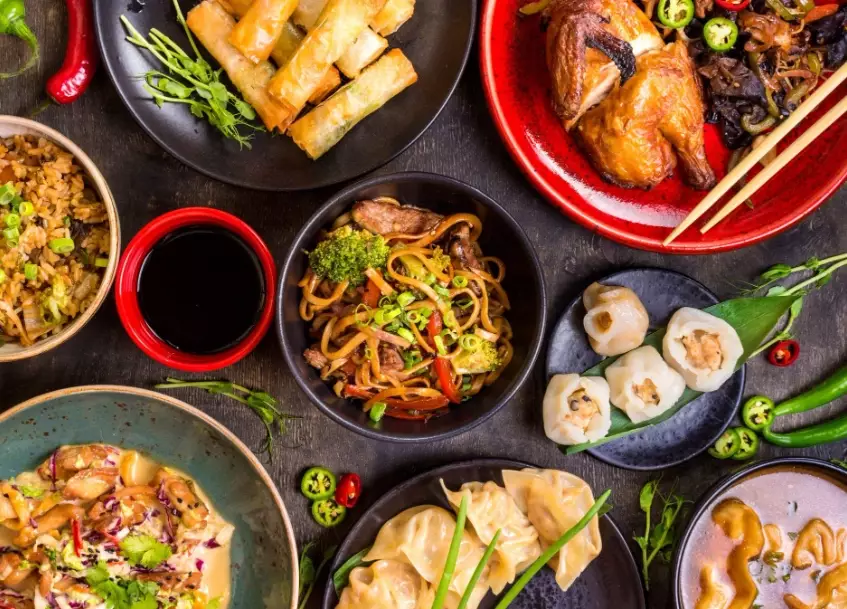
Your Questions Answered (FAQ)
So, what foods are Asian cuisine? It's the delicate slice of sashimi, the steaming bowl of pho fragrant with star anise, the complex layers of a biryani, and the fiery punch of a green curry. It's a culinary tradition defined not by one flavor, but by a philosophy of balance, fresh ingredients, and deep respect for technique and region. The best way to understand it is to stop thinking of it as one thing and start exploring it as many. Pick a region, find a reputable restaurant or a solid recipe, and take your first bite into a continent's worth of flavor.





Comments
Join the discussion