You've booked your flight to Japan, found the perfect hotel in Tokyo or a traditional ryokan in Kyoto, and you think your budget is set. Then you check out, and your final bill is a few thousand yen higher than expected. Chances are, you've just met the Japan Accommodation Tax. It's not a scam, it's a legitimate local levy, but the way it's applied can be surprisingly opaque for travelers. Let's clear that up.
This tax is a per-person, per-night charge imposed by certain cities and prefectures to fund tourism infrastructure and cultural projects. It started in Tokyo in 2018 and has since been adopted by other popular destinations. The core confusion? It's often not included in the prices you see on major booking websites.
What You'll Find in This Guide
What Exactly Is the Japan Accommodation Tax?
Think of it as a small municipal tourism fee. The national government levies a 10% Consumption Tax on goods and services, which is usually included in your hotel's advertised price. The Accommodation Tax is separate, charged by local governments on stays at hotels, ryokans, guesthouses, and even some approved vacation rentals.
The money is supposed to go back into improving the visitor experience—think better signage, multilingual support, cultural event promotion, and maintaining public spaces. According to the Ministry of Land, Infrastructure, Transport and Tourism (MLIT), the rationale is to balance the economic benefits of tourism with the local costs of hosting millions of visitors.
Here's the first nuance many miss: the tax is calculated on the per-person, per-night room rate, not the total room cost. If a double room costs 20,000 yen per night, that's 10,000 yen per person. This per-person rate determines which tax bracket you fall into.
Tax Rates in Tokyo, Osaka, Kyoto & More
Rates are tiered based on that per-person, per-night rate. Below is a quick comparison for major destinations. Remember, these amounts are per person, per night.
| City/Prefecture | Tax Bracket 1 (Per Person/Night) | Tax Bracket 2 (Per Person/Night) | Important Notes |
|---|---|---|---|
| Tokyo | Room rate below 10,000 JPY: 100 JPY |
Room rate 10,000 JPY or more: 200 JPY |
Applies to all guests, including children. Covers the 23 wards and other designated areas. |
| Osaka | Room rate below 7,000 JPY: 100 JPY |
Room rate 7,000 JPY or more: 200 JPY |
Commonly applied. Some child exemptions may apply if not using an extra bed. |
| Kyoto City | Room rate below 20,000 JPY: 200 JPY |
Room rate 20,000 JPY or more: 1,000 JPY |
Has a much higher top tier. Junior high school students and younger are exempt. |
| Okinawa (Main Island) | Room rate below 7,000 JPY: 100 JPY |
Room rate 7,000 JPY or more: 200 JPY |
Used for environmental and cultural preservation. Check if your island has it. |
Notice Kyoto's jump? A stay in a higher-end ryokan there can add a significant amount. A couple in a 25,000 yen per person room would pay 2,000 yen extra per night (1,000 yen each).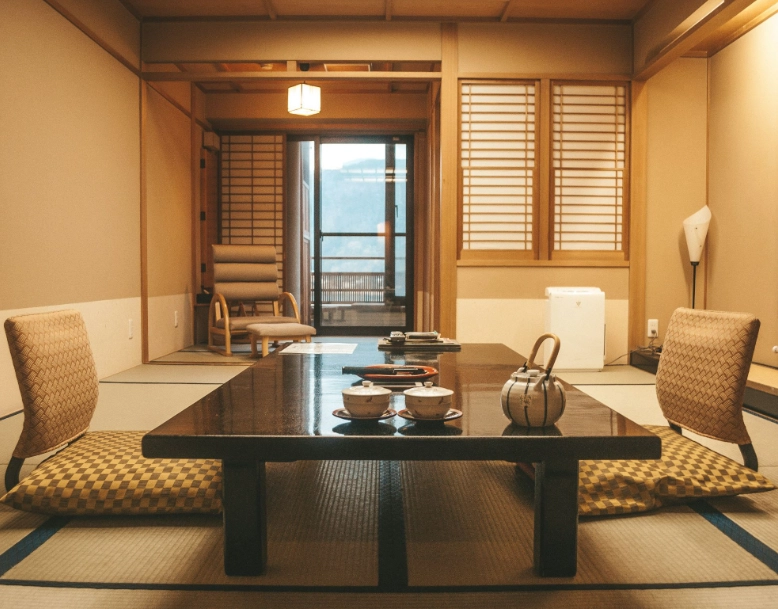
Other places like Kanazawa, Hokkaido (Sapporo), and parts of Fukuoka have also implemented similar taxes. Always check the latest information for your specific destination. The Japan National Tourism Organization (JNTO) website is a good starting point for official updates.
How and When You'll Actually Pay It
This is where the rubber meets the road, and where most travelers get tripped up. The payment mechanism isn't standardized.
The Booking Website Black Box
On sites like Booking.com, Agoda, or Expedia, the displayed price typically includes the 10% Consumption Tax. The accommodation tax is a wild card. Sometimes it's included in a "Taxes and Fees" estimate. More often, you'll see a small disclaimer: "City/Tourist tax may be charged additionally at the property."
I learned this the hard way in Osaka. My booking confirmation showed a neat total. At checkout, the front desk clerk presented a bill with an extra 800 yen for a four-night stay for two people. It wasn't a lot, but the surprise wasn't welcome.
At the Hotel Front Desk
The most common method is payment upon check-out. The tax will appear as a separate line item on your itemized bill, often called "宿泊税" (Shukuhaku Zei) or "City Tax." You'll pay it along with any other incidental charges (like minibar or laundry). They'll accept cash or card.
Some hotels, especially higher-end ones that quote rates directly to you, may include it in their advertised nightly rate. This is less common but happens. When in doubt, ask at check-in: "Is the accommodation tax included, or will it be added at checkout?"
For Vacation Rentals & Guesthouses
The rules apply here too, but enforcement can be patchier. Legitimate, registered rentals should collect it. You might pay it as part of a "cleaning fee" bundle or be asked for cash on arrival. If you're booking through Airbnb, check the "Price Details" section before confirming. The platform has gotten better at showing these fees upfront for listings in jurisdictions that require it.
Real Impact on Your Travel Budget
Let's put this into practical terms. For a solo traveler on a budget staying in a 9,000 yen per night capsule hotel in Tokyo for 5 nights, the tax is 500 yen total. That's less than a vending machine coffee each day.
For a family of four (two adults, two teenagers) staying in a mid-range Tokyo hotel where the per-person rate is 12,000 yen, the cost is 200 yen per person per night. Over a week, that's 200 yen x 4 people x 7 nights = 5,600 yen. That's enough for a nice family meal at a casual restaurant.
For a couple on a luxury trip staying at a top-tier Kyoto ryokan at 30,000 yen per person per night, the tax is 1,000 yen each, per night. A three-night stay adds 6,000 yen to the bill.
The point isn't that it will break the bank—it usually won't. The point is to anticipate it. Factor in an extra 100-200 yen per person per night into your daily accommodation budget, especially in Tokyo, Osaka, and Kyoto. That mental calculation eliminates the surprise.
Your Top Questions Answered
So there you have it. The Japan Accommodation Tax is a small, predictable part of visiting its major cities. The hassle isn't the cost—it's the lack of consistent upfront pricing. By understanding the per-person, per-night principle, checking your destination's specific rates, and asking the right questions at check-in, you can turn this from a minor budget surprise into a non-issue. Just remember to set aside a little extra cash for that final bill. Your trip is worth every yen.




Comments
Join the discussion