Your Tahiti Journey Map
- So, What's the Deal with Visas and Entry Rules?
- Getting There: The Flight Situation
- Money Talk: Let's Be Real About the Budget
- When Should You Go? Timing is (Almost) Everything
- Where to Stay and What to Actually Do
- Tahiti Travel FAQs: Your Quick-Fire Questions Answered
- The Final Word: Making It Happen
Let's cut straight to the chase. You're probably sitting there, dreaming of those iconic overwater bungalows and impossibly blue lagoons, and the big question pops into your head: can US citizens go to Tahiti? Maybe you saw a stunning photo on Instagram, or a friend won't stop raving about their honeymoon there. The good news is, the answer is a resounding yes. But—and there's always a but—it's not quite as simple as just booking a flight to Hawaii. There's a bit more to it, and honestly, that's part of what makes it feel so special.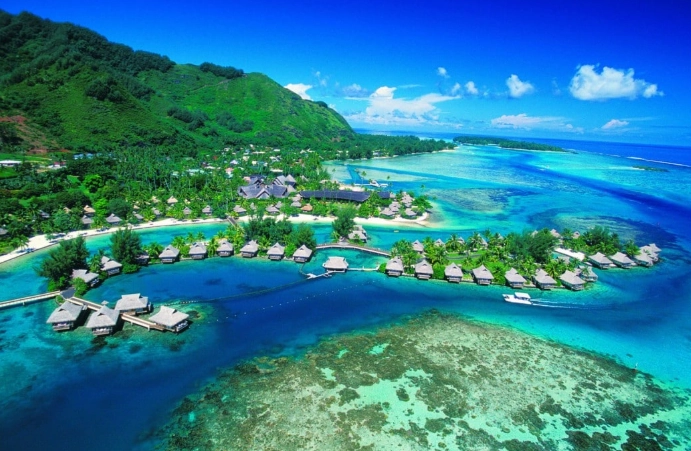
I remember my first time landing in Papeete. The air smelled different—warm, floral, salty. But before I got to that moment, I had a ton of questions. Is it safe? Do I need a visa? How on earth do I get there from the Midwest? I spent hours digging through outdated forum posts and confusing government websites. This guide is the one I wish I'd had. We'll walk through everything, from the absolute basics to the nitty-gritty details that can make or break your trip. No fluff, just the real info you need.
The Short Answer: Yes, U.S. citizens can travel to Tahiti (which is part of French Polynesia) for tourism without a visa for stays of up to 90 days. You just need a valid U.S. passport, proof of onward travel, and sometimes proof of accommodation. It's that simple. But stick around, because the how is where things get interesting.
So, What's the Deal with Visas and Entry Rules?
This is the part everyone worries about, and it's usually much easier than people think. Since Tahiti is an overseas collectivity of France, the entry rules for Americans are the same as for mainland France. That means you're granted a 90-day visa-free stay upon arrival. No pre-application, no embassy visits, no fees at the border.
Key Entry Requirements at a Glance: To clear immigration in Faa'a International Airport (PPT), you'll need to present three things: 1) A U.S. passport valid for at least three months beyond your planned departure date from French Polynesia (I always recommend six months to be super safe), 2) A return or onward ticket to a country you have the right to enter, and 3) Proof of sufficient funds for your stay (though this is rarely checked for tourists on shorter trips).
They might also ask for your hotel confirmation or a letter from your host if you're staying with friends. I've been asked maybe once out of a dozen trips. Just have a printed copy or a clear screenshot on your phone. The process is generally quick and friendly. The officers see tourists all day, every day.
One thing that often confuses people is the difference between Tahiti and French Polynesia. Think of Tahiti as the main island (where the capital Papeete and the international airport are), and French Polynesia as the whole country, which includes other famous islands like Bora Bora, Moorea, and Raiatea. When you ask, "can US citizens go to Tahiti," you're really asking about the entire territory. The entry rules apply everywhere.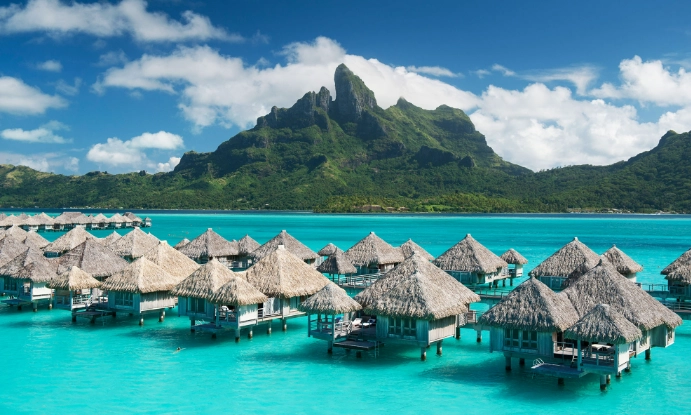
What About COVID-19 or Other Health Requirements?
As of my last update, all COVID-19 related travel restrictions for French Polynesia have been lifted. You don't need proof of vaccination or a negative test. It's back to pre-2020 normal. However, this can change. The only way to be 100% sure is to check the official source a week or two before your trip.
For the most current and official information, always refer to the French Ministry for Europe and Foreign Affairs website. It's dry reading, but it's the law of the land. The U.S. Department of State's travel page for French Polynesia is also an excellent resource for safety and entry info from the American perspective.
Heads Up: While no specific vaccinations are required to enter, the CDC recommends being up-to-date on routine vaccines and considering Hepatitis A and Typhoid, especially if you'll be exploring local markets or smaller villages. It's a good chat to have with your doctor.
Getting There: The Flight Situation
Alright, you're allowed in. Now, how do you actually get there? This is the first reality check for many. There are no direct flights from the U.S. mainland to Tahiti (PPT). Zero. The era of direct flights from L.A. ended a while back. So you'll have a stop. The most common gateway is via Honolulu, Hawaii.
| Airline | Common Route | Approx. Total Travel Time (from West Coast) | Notes |
|---|---|---|---|
| United Airlines & Air Tahiti Nui | LAX/SFO -> HNL -> PPT | 10-13 hours | Codeshare. You check bags through. The most popular option. |
| Air France & Delta | Various U.S. cities -> LAX -> PPT | 11-15 hours | Operated by Air France. Often includes a long layover in LAX. |
| French Bee | SFO -> PPT (direct) | ~8 hours | A low-cost carrier. Budget-friendly, but check baggage fees carefully. |
| Hawaiian Airlines | Various -> HNL -> PPT | 9-12 hours | Great if you want to break up the trip with a few nights in Hawaii. |
My personal take? The Hawaiian Airlines route via Honolulu is the least painful. Breaking up a long journey with a night or two in Waikiki isn't the worst thing in the world. The flight from HNL to PPT on Hawaiian is only about 5.5 hours. It feels manageable.
French Bee is a game-changer for budget travelers, but remember, "low-cost" means the base fare is just the start. By the time you add a checked bag, a meal, and seat selection, the price can creep up. Still, it's a solid direct option from the West Coast.
Money Talk: Let's Be Real About the Budget
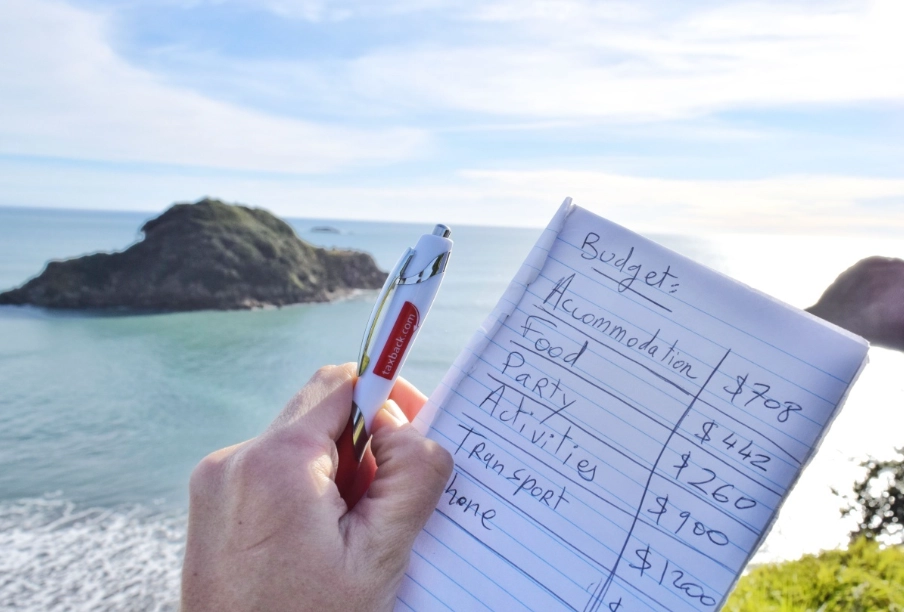
Let's be honest, Tahiti isn't a budget destination. It's a splurge. But knowing where the costs are lets you plan smarter. You can tailor the experience to your wallet.
The Big Three Expenses
1. Accommodation: This is your biggest variable. The spectrum is wild.
- Luxury Resorts (Bora Bora, etc.): We're talking $800 - $2000+ per night for an overwater bungalow. It's insane. And honestly? For a special occasion, it's worth it once in your life. The service, the setting—it's next level.
- Mid-Range Hotels & Guesthouses (Moorea, Tahiti): A much more reasonable $150 - $400 per night. You'll get a clean, comfortable room, often with a kitchenette, and sometimes breakfast. This is where I usually stay. You get 90% of the beauty for 30% of the price.
- Pensions & Family Stays: For the adventurous, these local guesthouses can be as low as $80-$150 a night, sometimes including meals. The facilities are basic, but the cultural immersion is priceless.
2. Inter-Island Flights & Ferries: If you want to see more than just Tahiti island (and you should), you need to get around. Air Tahiti operates all the domestic flights. A round-trip from Papeete to Bora Bora can cost $300-$500. Ouch. The ferry to Moorea, on the other hand, is a steal at about $15-$20 each way and takes 30-45 minutes. My advice? Base yourself on Moorea for a few days and take the ferry. It's easier and cheaper.
3. Food & Drink: Eating out at resort restaurants will drain your funds fast. A burger can be $30, a cocktail $20. But venture out! The roulottes (food trucks) in Papeete are legendary. You can get a massive plate of poisson cru (the national dish of raw fish in coconut milk), fries, and a drink for under $15. Supermarkets like Carrefour have decent prices for snacks, wine, and picnic supplies.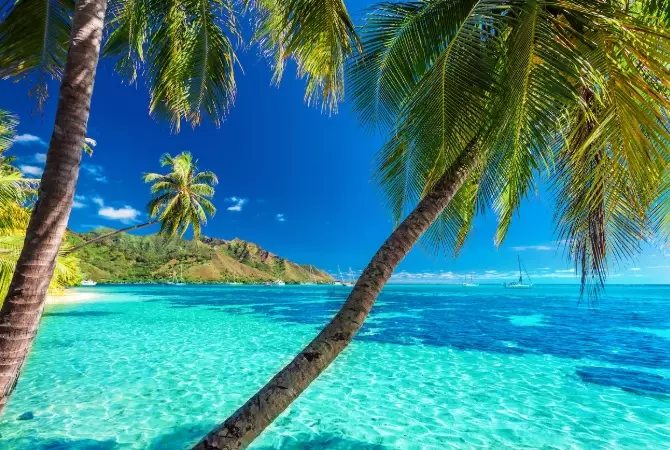
When Should You Go? Timing is (Almost) Everything
There's no universally "bad" time, but there are definitely better times depending on what you want.
- High Season (Dry Season): May through October. This is the sweet spot. Less rain, lower humidity, cooler evenings. It's also the busiest and most expensive. July and August are packed with French and European summer vacationers.
- Shoulder Season: April and November. My personal favorite. You might get a brief afternoon shower, but the crowds are thinner, and the prices start to dip. The water is still warm.
- Low Season (Wet Season): December through March. This is the rainy, humid, and hotter season. It's also cyclone season (risk is highest Jan-Feb). Here's the thing, though: the rain often comes in intense, short bursts, followed by brilliant sun. The landscapes are explosively green, and you'll find the best hotel deals. It's a roll of the dice, but it can pay off.
I went once in early December. It poured for one full day, trapping us inside. We played cards, read books, and listened to the rain on the thatched roof. It was kind of magical in its own way. The next six days were perfect.
Where to Stay and What to Actually Do
If you only stay on Tahiti island, you're missing out. Tahiti is the bustling gateway, but the magic is out in the other islands.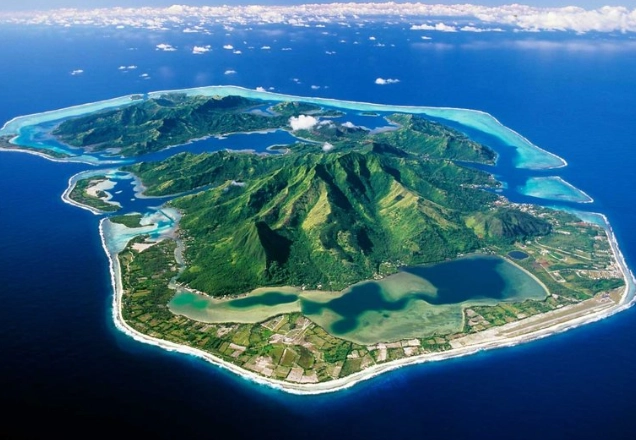
Island Breakdown: Picking Your Paradise
Moorea: Just a 30-minute ferry from Tahiti. It's my top recommendation for first-timers. It has everything: dramatic mountain peaks, incredible snorkeling with rays and sharks (yes, friendly ones!), lush valleys, and a relaxed vibe. You can rent a little car and explore the whole island in a day. The question isn't just "can US citizens go to Tahiti," it's "can US citizens go to Moorea?" And you absolutely should.
Bora Bora: The postcard. The lagoon is arguably the most beautiful on the planet. The overwater bungalow experience here is the archetype. It's also the most expensive and, in my opinion, a bit... manufactured. It's a resort island. For a honeymoon or a once-in-a-lifetime blowout, it's unbeatable. For culture and exploration, look elsewhere.
Raiatea & Taha'a: The cultural heart. Less developed for tourism, more authentic. Raiatea is considered the sacred birthplace of Polynesian culture. Taha'a is the "vanilla island," smelling incredible. This is for travelers who want to get off the beaten path.
Activities Beyond the Beach Chair
Sure, you can just lounge. But getting active is rewarding.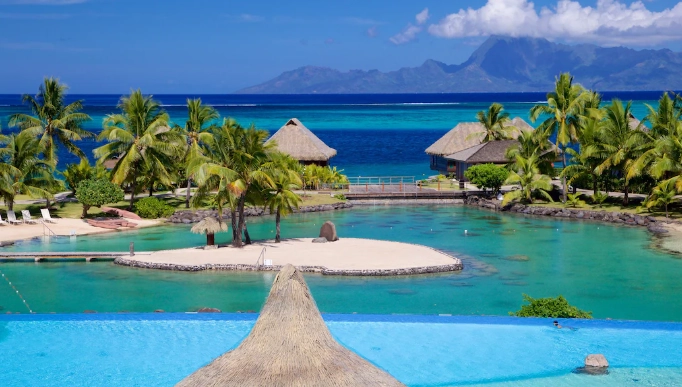
Top 5 Non-Lounging Activities:
1. Snorkeling or Lagoon Tour: Non-negotiable. The underwater world is stunning. In Moorea, Dr. Michael Poole's dolphin and whale watching tours (in season) are world-class.
2. 4x4 Safari: Get into the lush interior of the islands. You'll see pineapple fields, ancient marae (temples), and breathtaking lookout points.
3. Learn to Surf: Teahupo'o on Tahiti's south coast is legendary for experts, but there are gentle breaks for beginners elsewhere.
4. Visit a Pearl Farm: The black pearl is the symbol of French Polynesia. Seeing how they're cultivated is fascinating (and yes, there's a showroom at the end).
5. Attend a Heiva Festival: If your trip coincides with July, this month-long cultural festival of dance, music, and sports is an absolute must.
Tahiti Travel FAQs: Your Quick-Fire Questions Answered
Do I need an international driver's license to rent a car?
Technically, yes. French law requires it for U.S. licenses. In practice, many rental agencies on the main tourist islands (Tahiti, Moorea, Bora Bora) will accept your valid U.S. license. It's a risk, though. For about $20 and a trip to AAA before you leave, you can get the International Driving Permit and be fully covered. It's cheap peace of mind.
Is the tap water safe to drink?
In Papeete and most major hotel areas, yes, the tap water is treated and safe. On some smaller islands or in very remote pensions, they may recommend bottled water. When in doubt, ask your host. I usually drink the tap water in resorts and apartments and have never had an issue.
How much cash should I bring?
The local currency is the French Pacific Franc (XPF or CFP). Credit cards (Visa/Mastercard) are widely accepted at hotels, resorts, and larger restaurants. However, for the roulottes, small shops, farmers' markets, and taxi fares, cash is king. I usually withdraw about 20,000-30,000 XPF (roughly $200-$300) from an ATM at the airport when I arrive. It lasts me a week for small purchases.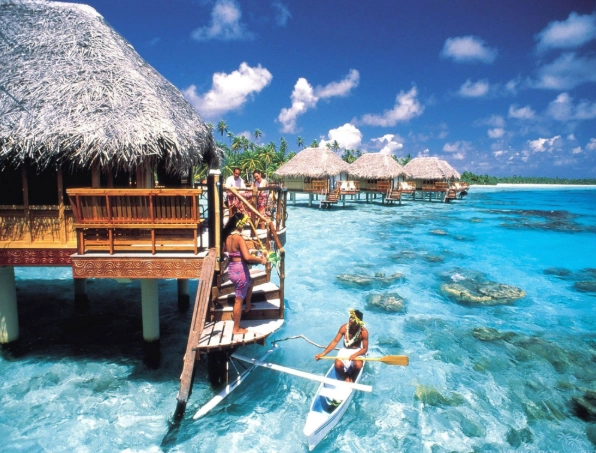
Is it safe for solo travelers, including women?
Generally, yes, French Polynesia is very safe. Violent crime against tourists is extremely rare. Petty theft (like leaving a bag unattended on the beach) can happen, but it's not rampant. As a solo female traveler, I've always felt comfortable walking around during the day. At night, standard big-city precautions apply in Papeete—stick to well-lit areas. On the outer islands, it's incredibly safe and welcoming.
What's the language barrier like?
The official languages are French and Tahitian. In the tourism industry, especially at resorts and major tour companies, English is widely spoken. Waiters, receptionists, and guides will almost always know enough English to help you. Learning a few basic French phrases (bonjour, merci, s'il vous plaît) is greatly appreciated and goes a long way. Venturing into local markets or smaller villages, you'll get by with smiles, gestures, and a few key words.
The Final Word: Making It Happen
So, after all that, can US citizens go to Tahiti? You bet they can. It's not the easiest or cheapest destination to reach from the States, but that's precisely why it remains so unspoiled and special. The logistics are straightforward: a valid passport, a flight with a connection, and a sense of adventure.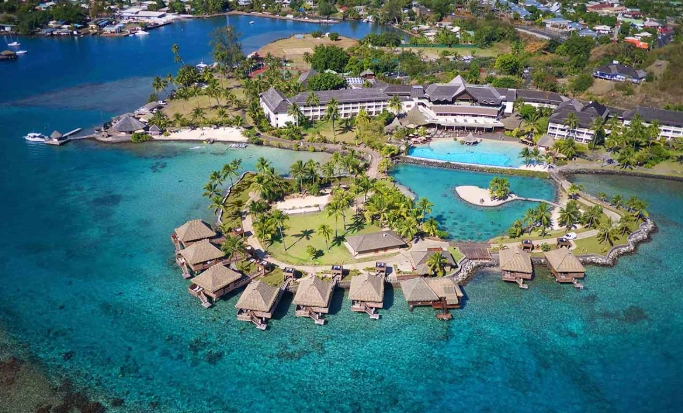
The real question shifts from "can I" to "how should I." My biggest piece of advice? Don't try to island-hop too much. Pick one or two islands max for a one-to-two-week trip. The travel between them eats up time and money. Dive deep instead of skimming the surface. Spend five days on Moorea, rent a scooter, find your own secret snorkel spot, befriend a local fisherman. That's where the magic is.
It's a long way to go. But when you're floating in that warm, turquoise lagoon, watching the sun set behind a jagged volcanic peak, every hour of travel feels worth it. Start planning. Your overwater bungalow (or your cozy pension) is waiting.




Comments
Join the discussion