Explore This Guide
- Let's Talk About Crime and Personal Safety
- Health and Medical Safety: What You Need to Know
- Natural Hazards and Environmental Safety
- Getting Around Safely: Transport Tips
- Cultural Sensitivity and Local Laws
- A Quick Island-by-Island Safety Glance
- Pre-Trip Checklist for a Safe Cook Islands Holiday
- Answering Your Burning Questions (FAQ)
- The Final Word: So, Is Cook Islands Safe for Tourists?
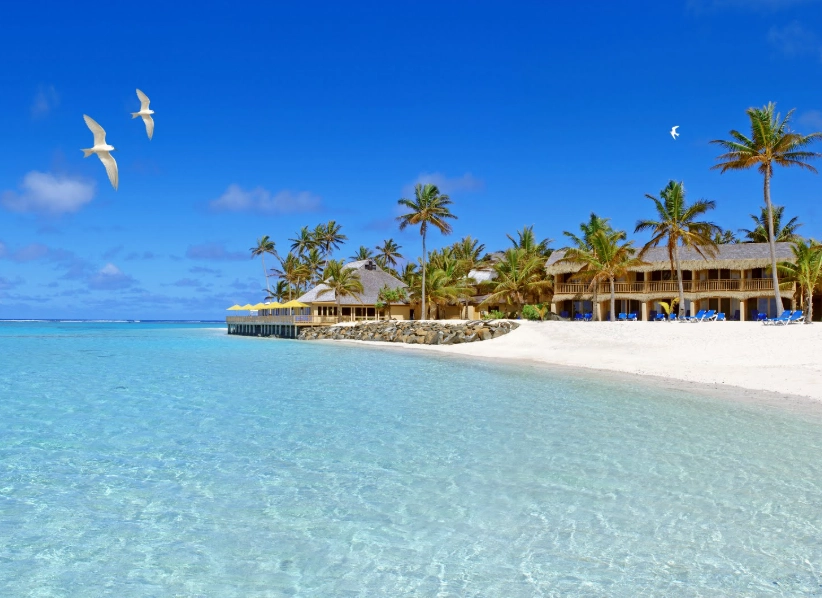
You've seen the pictures. Turquoise water, white sand, overwater bungalows that look like they're floating. The Cook Islands are a dream destination, no question. But then a little voice in your head asks the practical question: Is Cook Islands safe for tourists? Is it all postcard-perfect, or are there things you should really know before you go?
I asked myself the same thing before my first trip. You hear "Pacific Islands" and your mind might jump to things like remote medical care or getting caught in a storm. Let me cut to the chase: for the vast majority of travelers, the answer is a resounding yes. It's one of the safest places I've ever visited. But "safe" means different things to different people. A solo female traveler, a family with young kids, an adventure seeker—we all have different concerns.
This isn't a sugar-coated brochure. We're going to talk about everything. Crime (or the lack of it), health stuff you need to sort, what the ocean can throw at you, and even those awkward cultural moments you want to avoid. My goal is to give you the complete picture, so you can pack your bags with confidence, not anxiety.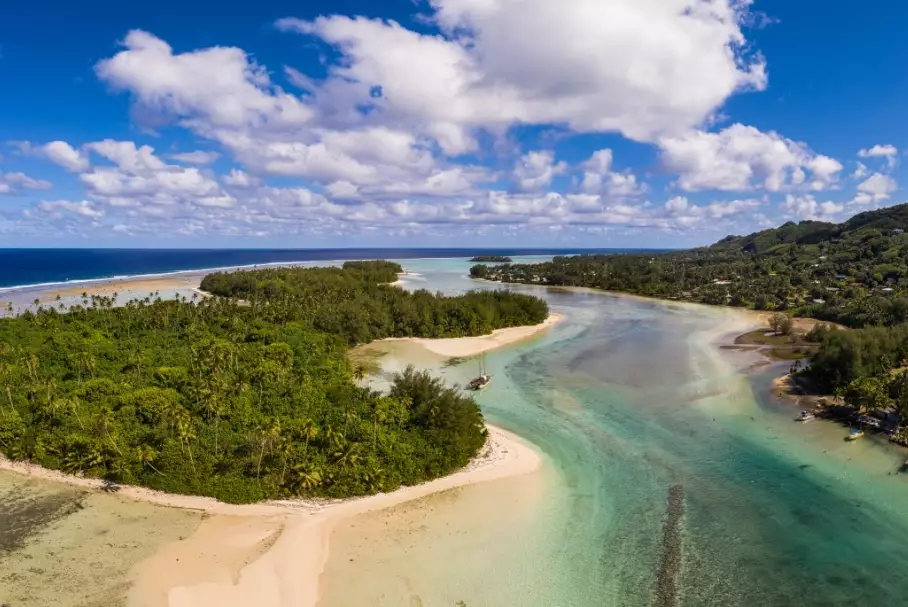
Let's Talk About Crime and Personal Safety
This is usually the first worry. You're in a new place, maybe alone, with your passport and cash. What's the real deal?
Petty theft is pretty much the extent of it. And even that is relatively rare compared to major tourist hubs in Europe or Asia. We're talking about opportunistic stuff—a bag left unattended on Muri Beach, a camera left visible in an unlocked rental car. Violent crime against tourists is exceptionally uncommon. I walked around Avarua, the main town on Rarotonga, after dark and felt completely at ease. The vibe is relaxed, not threatening.
But let's be real. No place is a 100% crime-free utopia. As tourism has grown, so have isolated incidents. It's just smart travel to have your wits about you.
Safety Tips for Different Travelers
Solo Travelers (Especially Women): You'll be fine. Really. The culture is respectful. Unwanted attention or harassment is not common. Normal precautions apply—maybe don't walk alone on extremely isolated paths late at night, but that's just global common sense. I met several solo female travelers who raved about how safe they felt.
Families: This is a fantastic family destination. Kids can run around with a degree of freedom that might be unthinkable back home. Traffic is slow, strangers are smiley, and the environment is clean. The biggest threats to kids are the sun and the sea, not people.
Nightlife Safety: "Nightlife" in the Cook Islands is pretty tame. There are a few bars and restaurants, and the famous Island Night shows. It's all good-natured. You're more likely to have a chat with a local fisherman than get into any trouble. Drunk and disorderly behavior is frowned upon.
- Don't flash valuables. Leave the expensive jewelry at home. Use a hotel safe for passports and excess cash.
- Lock your rental car/scooter. And don't leave anything visible inside. Not even a towel.
- Secure your accommodation. Close windows and lock doors, even in sleepy beachfront bures.
- Be mindful of your belongings at the beach. Take turns swimming or use a dry bag.
- Trust your instincts. If a situation feels off, it probably is. But honestly, you'll rarely get that feeling here.
Health and Medical Safety: What You Need to Know
This is arguably more important than worrying about crime. Being prepared health-wise is key to a safe trip.
Medical Facilities: Rarotonga has a modern hospital—the Rarotonga Hospital. It can handle emergencies, routine issues, and has a decompression chamber for diving accidents. For anything super serious, medical evacuation to New Zealand is required. The outer islands have much more basic clinics. This is a crucial point: if you have a serious pre-existing condition, talk to your doctor and ensure your travel insurance covers medevac.
My own experience? I had a minor ear infection after too much snorkeling. The clinic in Avarua saw me quickly, the doctor was great, and the medication was cheap. It was straightforward.
Vaccinations and Health Precautions
No mandatory vaccinations are required for entry. However, health authorities like the World Health Organization (WHO) and the U.S. CDC recommend being up-to-date on routine vaccines (MMR, diphtheria-tetanus-pertussis, etc.). Hepatitis A and Typhoid shots are often advised due to the potential for contaminated food/water, though standards are generally high.
Mosquito-borne illnesses: Dengue fever and Zika virus are present in the South Pacific. There's no vaccine, so prevention is key. Pack strong insect repellent (DEET or picaridin), wear long sleeves at dawn/dusk, and ensure your accommodation has screens or mosquito nets.
Food and Water Safety
Can you drink the tap water? In Rarotonga and Aitutaki, the tap water is generally treated and safe to drink in populated areas. Many locals drink it. However, many resorts and guides recommend tourists stick to bottled water to avoid any potential stomach upset from different bacteria. On the outer islands, assume the water is not safe to drink unless told otherwise. Bottled water is widely available.
The food is generally very safe. Restaurants and resorts maintain good hygiene standards. Fresh seafood is incredible. My advice? Eat the cooked food, enjoy the amazing fruit (peeled), and maybe be a little cautious with pre-cut raw salads from very casual roadside stalls if you have a sensitive stomach.
Natural Hazards and Environmental Safety
The environment is why you're going, but it deserves respect.
Ocean Safety & Swimming: The lagoons are calm, clear, and shallow—perfect for kids and nervous swimmers. But there are channels (passages) in the reef where currents can be strong. Always swim in designated areas, heed warning signs, and ask locals about conditions. Never swim alone in remote spots. If you're not a strong swimmer, wear a life jacket when snorkeling. Reef shoes are essential to protect your feet from coral and stonefish.
Cyclone Season: This is the big one. The official season runs from November to April, with the highest risk from January to March. A cyclone can disrupt travel massively—flights canceled, power out, activities shut down. It doesn't happen every year, but it's a real risk. If you travel during this time, get travel insurance that covers weather disruptions and stay informed via the Cook Islands Meteorological Service.
Sunburn: Worth mentioning twice. It's a major health risk that people treat too lightly.
Getting Around Safely: Transport Tips
How you get around is a big part of your safety.
Driving and Scooters: They drive on the left. The main road on Rarotonga is a 32km ring road with one lane each way. Speed limits are low (50km/h max). The real hazards are pedestrians, cyclists, dogs, and… other tourists on wobbly scooters. You need a local driver's license to rent a scotor or car, obtained easily from the police station with your home license. Wear a helmet on scooters. Always. Most accidents involve tourists on scooters.
Buses: The clockwise and anti-clockwise buses on Rarotonga are safe, reliable, and a great way to meet people. No safety concerns here.
Inter-island Flights & Boats: Air Rarotonga operates the inter-island flights. They use small planes. Safety standards are good, but flights can be bumpy and are weather-dependent. For boat transfers to islands like Aitutaki (from the main island of Arutanga), use reputable operators.
Cultural Sensitivity and Local Laws
Being safe also means not offending the people who welcome you. Cook Islands Maori culture is warm but conservative in many ways.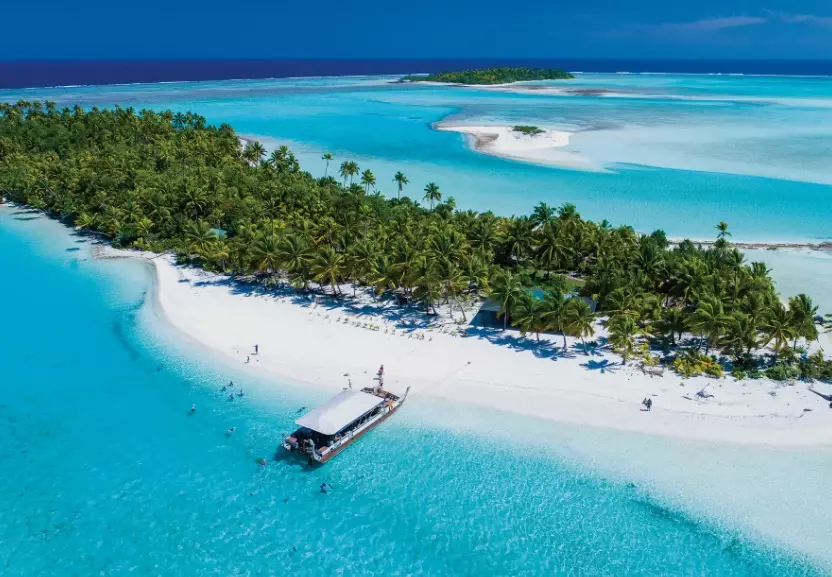
Sunday is Sacred. This is the biggest one. Most businesses are closed. It's a day for church and family. Don't expect to go shopping or do loud activities. Swimming is generally fine, but be respectful—no loud music or partying on the beach. Some tours don't operate.
Dress Modestly in Villages. Swimwear is for the beach and resort pool. When walking through a village or going to a shop, cover up with a shirt and shorts/sarong.
Respect the Land ("Marae" and Burial Sites): Don't walk on or disturb any marae (sacred meeting grounds) or old burial sites. They are often marked.
Alcohol: Legal drinking age is 18. Public drunkenness is disrespectful. Note that some of the outer islands are dry (no alcohol sold) due to local religious beliefs.
A Quick Island-by-Island Safety Glance
| Island | Safety & Security Vibe | Key Considerations | Best For |
|---|---|---|---|
| Rarotonga | Busiest, most services. Very safe. Petty theft possible in tourist areas. | Standard urban precautions. Good medical care. Watch for scooter hazards. | First-timers, families, those wanting convenience. |
| Aitutaki | Extremely relaxed and safe. Even quieter than Raro. | Very limited medical facilities. Lagoon and ocean safety is primary concern. | Honeymooners, relaxation, lagoon enthusiasts. |
| Atiu, Mangaia, Mauke etc. | Exceptionally safe, close-knit communities. Crime is virtually unheard of. | Very basic medical clinics. Travel insurance with medevac is CRITICAL. Remote. | Adventurous, self-sufficient travelers seeking authenticity. |
Pre-Trip Checklist for a Safe Cook Islands Holiday
Get this stuff sorted before you go, and you'll relax the moment you land.
- Travel Insurance: Non-negotiable. Must cover medical evacuation (medevac) to New Zealand, activity coverage (like snorkeling, hiking), and trip cancellation/interruption. Read the fine print.
- Health Prep: Visit a travel doctor 6-8 weeks before. Pack a comprehensive personal medical kit: repellent, high-SPF sunscreen, antiseptic, bandaids, anti-diarrheal, rehydration salts, any personal prescriptions.
- Documents: Photocopy/scan your passport, insurance policy, and credit cards. Leave a copy with someone at home. Email a copy to yourself.
- Money: Notify your bank you're traveling. NZD is used. ATMs are available on Raro and Aitutaki, scarce elsewhere. Carry some cash for markets and small shops.
- Register with Your Embassy: It's a smart step for any international travel. The New Zealand Safetravel registry is relevant for many visitors, given the close ties.

Answering Your Burning Questions (FAQ)
Is Cook Islands safe for tourists traveling alone?
Absolutely. It's an ideal solo destination due to its safety and friendly culture. You'll meet other travelers easily. Just use common sense as you would anywhere.
Are there any dangerous animals?
Not really. No large predators. There are no snakes. The main concerns in the water are stonefish (stepping on them) and moray eels (don't poke them). On land, mosquitoes are the biggest nuisance. Some centipedes have a painful bite, but they're not aggressive.
Is it safe to drink tap water?
In Rarotonga's main areas, it's generally safe but may upset sensitive stomachs. Most tourists and many locals drink bottled water. On outer islands, assume it's not safe unless confirmed. When in doubt, boil it or stick to bottled.
What about political stability?
The Cook Islands is a self-governing territory in free association with New Zealand. It's a stable parliamentary democracy. Political unrest or terrorism is not a concern for travelers.
Is it safe to hike the Cross-Island Track on Rarotonga?
Yes, but be prepared. It's a proper 3-4 hour hike. Wear proper shoes, take plenty of water, start early, and don't hike alone. Let someone know your plans. The trail is well-marked but can be slippery after rain. The views are worth it.
How reliable are communication networks?
Mobile coverage (Bluesky is the main provider) is good on Rarotonga and Aitutaki, patchy on other islands. WiFi is available at most resorts but can be slow and expensive. Inform family of potential communication black spots if visiting outer islands.
The Final Word: So, Is Cook Islands Safe for Tourists?
Look, if you're looking for a destination where you can truly unwind without looking over your shoulder every five minutes, the Cook Islands is it. The overwhelming feeling you get is one of peace and welcome. The question "Is Cook Islands safe for tourists?" is almost laughable once you're there, soaking in the tranquility.
The risks that exist are largely manageable with a bit of preparation: respect the sun and the sea, get good insurance, lock your scooter, and be culturally mindful. These aren't unique to the Cook Islands; they're just good travel habits.
Go. Book the trip. Smile at the people. Swim in that lagoon. Just don't forget the sunscreen.



Comments
Join the discussion