Quick Guide
Let's cut right to the chase, because that's probably why you're here. Can a US citizen go to New Zealand? The short, sweet, and absolutely critical answer is: Yes, you absolutely can. But—and there's always a but, right?—it's not as simple as just booking a flight and packing your bags anymore. The rules changed a few years back, and if you're planning a trip based on pre-2019 info, you might be in for a surprise.
I remember talking to a friend who was convinced all he needed was his passport. He was this close to booking non-refundable tickets before I asked, "Hey, did you get your NZeTA yet?" The blank stare said it all. That little piece of digital permission is now the gatekeeper for American travelers, and forgetting it is a surefire way to get turned around at the airport. Not a great start to a vacation.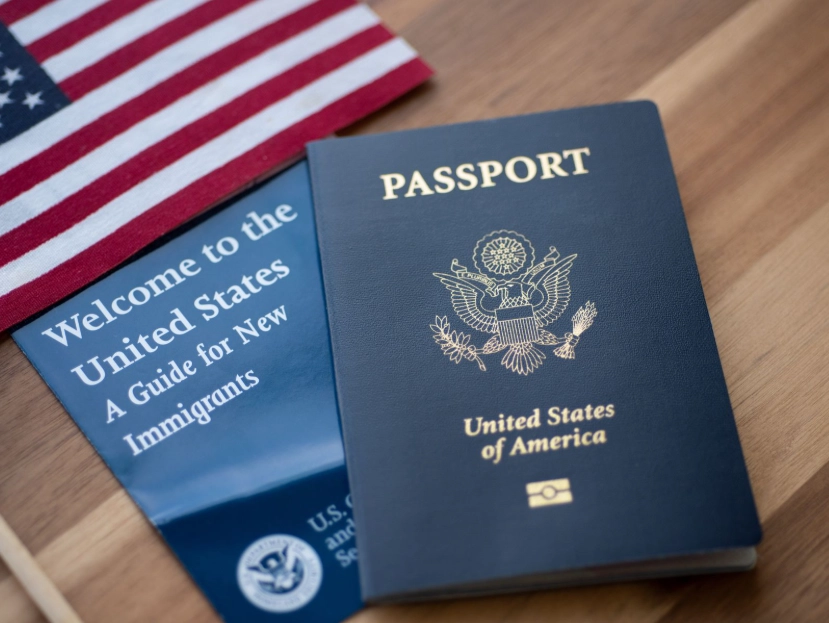
So, this guide is here to walk you through every single step, from that first "Can I go?" thought to stepping off the plane in Auckland or Christchurch. We'll cover the official requirements, the hidden costs, the practical stuff nobody tells you, and my own two cents from having done the trip myself. No fluff, just what you need to know.
The Golden Ticket: Understanding the NZeTA for Americans
This is the heart of the matter. Since October 2019, the visa waiver for US citizens traveling to New Zealand has been replaced by the New Zealand Electronic Travel Authority, or NZeTA. It's not a visa in the traditional sense—you don't get a stamp—but it's a mandatory pre-screening and permission to travel.
It's a pretty straightforward online process, but the devil's in the details. Here’s the breakdown:
- What it is: An electronic link to your passport that gives you permission to board a flight to New Zealand and request entry upon arrival.
- Who needs it: Every US citizen traveling by air (or cruise ship) who is visiting for up to 3 months for tourism, business, or visiting family/friends. Yes, even babies need one linked to their passport.
- How to apply: You have two options: use the official NZeTA app (which I found easier for taking your own passport photo) or apply through the Immigration New Zealand website. The app gets a bad rap sometimes for being glitchy, but it worked fine for me on a modern phone.
- Processing Time: They say most are approved within 72 hours, but it can be instant or take up to several days. My own came through in about 10 hours. Do not wait until the last minute. Apply at least a week before you plan to book flights, ideally sooner.
- Validity: Once approved, it's valid for up to 2 years for multiple visits. That's a pretty good deal if you plan on going back.
Now, the part everyone grumbles about: the cost. It's not free. There are two separate charges:
- The IVL (International Visitor Conservation and Tourism Levy): NZD $35. This is a tourist tax that goes toward maintaining infrastructure and protecting the environment. You pay this as part of your NZeTA application.
- The NZeTA processing fee: NZD $17 if you use the app, or NZD $23 if you apply online.
So, your total will be either NZD $52 (about $32 USD) via the app or NZD $58 (about $36 USD) via the website. It's a minor cost in the grand scheme of a trip to NZ, but it's an extra step and expense that didn't exist before.
Honestly, the process is simple. The hardest part is remembering to do it. Set a reminder on your phone right now: "APPLY FOR NZeTA."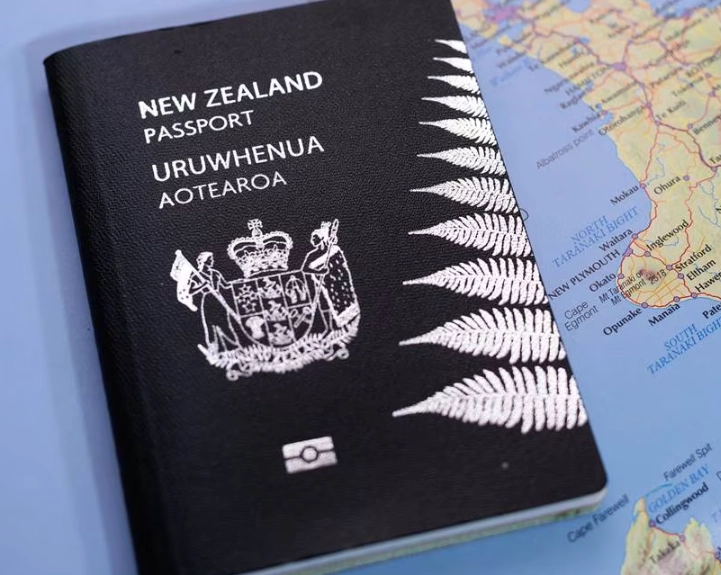
What You Need at the Border (Beyond the NZeTA)
Okay, so your NZeTA is approved. Awesome. But can a US citizen go to New Zealand and just waltz in? Not quite. The NZeTA gets you on the plane. A Border Protection Officer at the airport in NZ makes the final decision to let you in. To make that decision easy, you need to have your ducks in a row.
Here’s what you must have ready to show:
- A Valid US Passport: This seems obvious, but check the expiry date. It must be valid for at least three months beyond your intended departure date from New Zealand. I’ve seen people get tripped up by this. If your trip ends on December 1st, your passport must be valid until at least March 1st of the following year.
- Proof of Onward Travel: You need to show a ticket out of New Zealand, or proof of travel to another country you have the right to enter. A return ticket to the USA is perfect. This is non-negotiable—they want to be sure you're not planning to overstay.
- Proof of Funds: Can you support yourself during your stay? They might ask (though in my experience, they didn't). Having a recent bank statement or credit card available is smart. A rough guideline is NZD $1,000 per month per person, or NZD $400 per month if you have pre-paid accommodation.
- Your Plans: Be ready to briefly explain the purpose of your visit (tourism) and maybe where you're staying for the first few nights. Having a hotel booking confirmation printed or on your phone helps.
A Realistic Pre-Departure Checklist for Americans
Let's move from theory to practice. What should you actually do, and in what order? Here's my tried-and-tested list.
As Soon as You Start Planning (Months Before)
- Check Passport Expiry: Do it now. Renew if needed (the US State Department's travel website has the latest info). Renewals can take time.
- Research & Apply for NZeTA: Get this out of the way early. It's the biggest potential hurdle for entry.
- Book Flights: Consider the season. Peak (NZ summer, Dec-Feb) is expensive but gorgeous. Shoulder seasons (spring/fall) can offer better deals and fewer crowds.
- Skim Travel Insurance: I'm a huge advocate for this. New Zealand has excellent healthcare, but it's not free for visitors. A broken bone on a hiking trail or a canceled flight can cost thousands. A good policy is worth every penny for peace of mind.
A Few Weeks Before You Go
- Finalize Accommodation & Major Tours: Popular things like Milford Sound cruises or Hobbiton tours sell out.
- Get Your Money Sorted: Notify your bank and credit card companies of your travel plans. Get a small amount of NZD cash from your bank for arrival (like $100-$200 NZD). ATMs at the airport work fine too.
- Driving Plans: Renting a car? You can use your valid US driver's license for up to 12 months. But get an International Driving Permit (IDP) from AAA before you leave. It's a translation document that can smooth things over with rental companies and police if needed. It's cheap and easy to get.
In Your Carry-On Bag (The Day Of)
- Passport with NZeTA linked.
- Printed or digital copies of: flight confirmations (including out of NZ), accommodation bookings, travel insurance policy, driver's license/IDP.
- A pen for filling out the New Zealand Passenger Arrival Card on the plane.
- A jacket or sweater—planes are cold, and NZ weather is famously changeable, even in summer.
Breaking Down the Costs: What Does a Trip Really Cost?
Talking about money isn't fun, but it's necessary. New Zealand isn't a cheap destination, especially with the current exchange rates. Let's be brutally honest about what you'll spend so you can budget properly. Here’s a rough table for a moderate two-week trip for one person, excluding international flights (which vary wildly).
| Category | Budget Style | Moderate Style | Notes & My Experience |
|---|---|---|---|
| Accommodation | NZD $50-80/night (hostels, campsites) | NZD $120-200/night (motels, B&Bs, nicer hotels) | Motels are a great NZ staple—often clean, with kitchenettes. Booking.com and Airbnb are widely used. |
| Food & Drink | NZD $40-60/day (self-catering, cheap eats) | NZD $80-120/day (café lunches, restaurant dinners) | Eating out is pricey. A main course at a decent pub is NZD $25-$35. Supermarkets (Countdown, New World) are your friend for breakfast and lunch supplies. |
| Transport (Rental Car) | NZD $40-60/day (small car) | NZD $70-100/day (mid-size SUV) | Gas ("petrol") is expensive! Add NZD $150-$200 for fuel per week. Compare prices on rentalcars.com. |
| Activities & Tours | NZD $50-100/day (free hikes, some paid tours) | NZD $100-200/day (1-2 major tours) | This is where budgets blow up. A Milford Sound cruise is ~NZD $100. Bungy jumping is ~NZD $200. Pick your splurges. |
| Miscellaneous | NZD $20/day | NZD $30/day | Coffee, snacks, souvenirs, laundry, parking (which can be scarce and pricey in cities). |
| Estimated Total (14 days) | NZD $2,240 - $3,640 (~$1,350 - $2,200 USD) |
NZD $4,340 - $7,420 (~$2,600 - $4,450 USD) |
This is per person and a big reason why people ask "Can a US citizen go to New Zealand?"—they're checking if they can afford it! |
See? It adds up fast. My advice is to prioritize. Would you rather have a fancy hotel every night, or would you prefer a basic motel and spend that money on a helicopter flight over Franz Josef glacier? There's no right answer, just what's right for you.
Getting Around: Transport Options Once You're There
New Zealand's beauty is spread out. How you connect the dots is a major part of your trip.
Renting a Car/Campervan: This is the king of flexibility. You set your own schedule, stop at every scenic lookout, and access remote trails. The downsides? Cost (as shown above), driving on the left (which you get used to surprisingly quickly), and navigating sometimes narrow, winding roads. If you're not a confident driver, some South Island roads might stress you out. For campervans, you must stay in designated holiday parks or campsites—freedom camping has strict rules.
Domestic Flights: Air New Zealand and Jetstar connect major centers (Auckland, Wellington, Christchurch, Queenstown) quickly and sometimes affordably if booked in advance. Good for covering long distances fast, but you miss everything in between.
Buses & Tours: Companies like InterCity offer hop-on-hop-off passes and scheduled routes. It's cheaper than renting a car and you don't have to drive. Guided tour buses (like Kiwi Experience) handle all logistics and are super social, but you're on their timetable.
Trains: Limited but scenic. The Northern Explorer (Auckland-Wellington) and Coastal Pacific (Christchurch-Picton) are more about the journey than efficient transport.
Answering Your Burning Questions (FAQ)
With the visa waiver/NZeTA, you are typically granted a stay of up to 3 months (90 days) upon arrival. If you need longer, you must apply for a different type of visa (like a Visitor Visa) before you travel. You cannot extend your stay from within NZ on an NZeTA.
No. Absolutely not. The NZeTA is for tourism, business meetings, or visiting friends and family only. Any form of work—even unpaid volunteering or short-term gigs—requires a proper work visa. Similarly, any formal study requires a student visa. If you're caught working on an NZeTA, you'll be deported and likely banned from returning.
Medication: New Zealand has strict biosecurity. If you're bringing prescription meds (especially controlled substances or injectables), you must declare them on your arrival card and carry them in their original pharmacy-labeled containers with your name on it. Bring a copy of your prescription or a doctor's letter. Check the New Zealand Customs Service website for the latest rules.
Pets: This is a massive, complex, and expensive process involving quarantine. It's generally not practical for short-term travel. Leave Fido with a trusted sitter at home.
Healthcare quality is high, but as a visitor, you are not covered by the public system. A visit to a doctor can cost NZD $80-$100. An emergency room visit or hospitalization can run into the thousands or tens of thousands of dollars. I cannot stress this enough: comprehensive travel insurance with medical coverage is non-optional. Read the policy to ensure it covers adventure activities if you plan on doing any (skiing, hiking, bungy, etc.).
This depends entirely on what you want to do.
- Summer (Dec-Feb): Warmest, busiest, most expensive. Best for beaches, hiking, and long days. Book everything far in advance.
- Autumn (Mar-May): My personal favorite. Crowds thin, weather is still pleasant, autumn colors in places like Arrowtown are stunning.
- Winter (Jun-Aug): Ski season in the South Island! Queenstown and Wanaka are buzzing. North Island is cooler and rainier. Some hiking trails may be closed or require extra gear.
- Spring (Sep-Nov): Lambs in the fields, blooming flowers, unpredictable but often beautiful weather. A great time for road trips before the peak rush.
So, can a US citizen go to New Zealand? I think we've thoroughly answered that. The path is clear, if not entirely free. It requires a bit more admin than it used to, but the reward—the landscapes, the people, the sheer sense of adventure—is completely unchanged and utterly worth it. The key is planning. Get your NZeTA sorted early, budget realistically, and go in with your eyes open. You're in for an incredible experience.
Honestly, the paperwork moment is a small price. The moment you crest a hill and see Lake Tekapo spread out in front of you, or feel the mist from a glacier-fed waterfall, you'll forget all about it.



Comments
Join the discussion