Quick Guide to Melbourne’s Charm
- The Heartbeat: Culture, Coffee, and a Certain Vibe
- A Foodie's Playground: From Fine Dining to Food Truck Feasts
- The Sporting Capital: Where Passion Runs Deep
- Neighbourhoods with Personality: The 20-Minute City
- Nature's Playground: From Parks to Penguins and The Great Ocean Road
- Practical Allure: Ease, Infrastructure, and Livability
- Addressing the Curiosities: Your Questions Answered
You see it on all the lists, don't you? "World's Most Liveable City," "Top Destination for Foodies," "Cultural Capital of Australia." It gets a bit repetitive. But then you talk to someone who's been, and their eyes light up. They start rambling about a tiny lane with incredible street art, the perfect flat white they had in a hidden cafe, or the electric atmosphere of a cricket match at the MCG. That's when it clicks. The popularity isn't just about awards; it's about a feeling, an experience that's hard to pin down but impossible to forget. So, let's cut through the buzzwords and look at the real, tangible reasons why Melbourne draws visitors from all over the globe, year after year.
I remember my first time wandering the city center. I got purposefully lost. One minute I was on a busy main street, the next I was in a cobblestone laneway covered in mind-blowing murals, the smell of roasting coffee beans wafting from a door that looked more like a warehouse entrance. That sense of discovery, that there's always something hidden just around the corner, is central to Melbourne's charm. It's not a city that shouts its attractions from the rooftops; it whispers them, and you have to be curious enough to listen.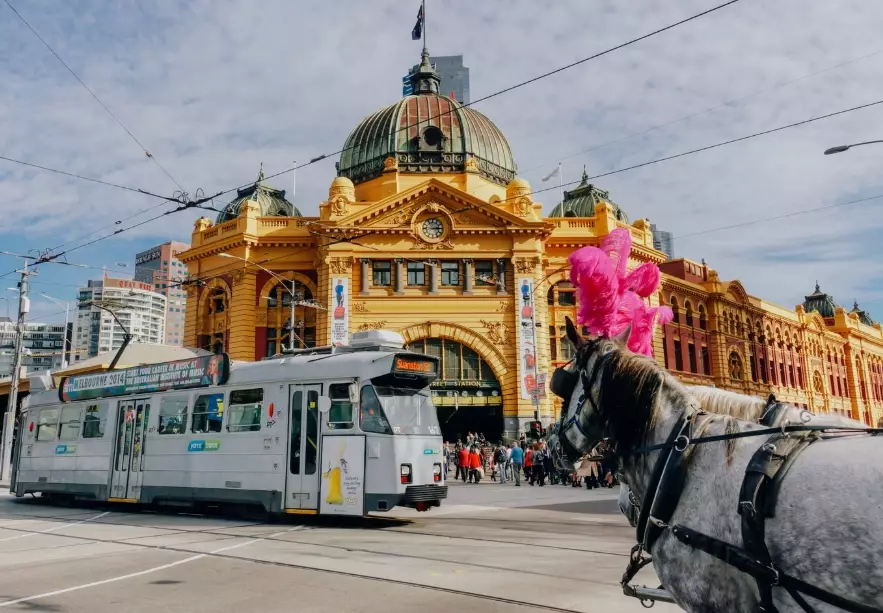
The Heartbeat: Culture, Coffee, and a Certain Vibe
Ask ten people what they love about Melbourne, and at least eight will mention the culture. But it's not just about having museums (though it has brilliant ones). It's about how art, music, and performance are woven into the everyday fabric of the city. You don't always need a ticket; sometimes you just need to turn a corner.
Why is Melbourne so popular for tourists seeking culture? Because it's accessible, diverse, and often free. The street art in Hosier Lane is a constantly changing open-air gallery. Buskers on Bourke Street Mall range from mediocre to absolutely world-class. The Victorian Arts Centre isn't just a building; its spire is the city's cultural beacon, lighting up at night.
Then there's the coffee. Calling it a "coffee culture" feels like an understatement; it's more of a coffee religion. Melburnians are fiercely discerning about their brews. This isn't just about caffeine; it's a ritual, a social cornerstone. The city's cafe scene, born from post-war European immigration, set a standard that the entire country now follows. You'll find third-wave specialty roasters, Italian-style espresso bars that haven't changed in 50 years, and minimalist spaces where the barista will explain the origin notes of your single-origin pour-over. A bad coffee is a rare and disappointing find here. For many visitors, this daily pursuit of the perfect cup becomes a joyful part of their itinerary.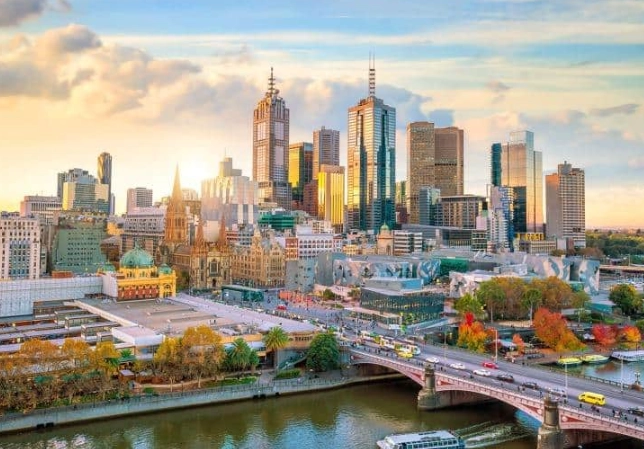
Beyond the Canvas: Performing Arts and Festivals
The cultural calendar is relentless. There's barely a month without a major festival, which is a huge part of the answer to why Melbourne is so popular for tourists who plan their trips around events.
- Melbourne International Comedy Festival: The largest stand-alone comedy festival in the world. The city fills with laughter, and big names perform alongside raw talent in every conceivable venue.
- Melbourne Fringe Festival: The wild, uncensored cousin of the major arts festivals. It's where you'll see the most daring, experimental, and downright weird performance art.
- White Night (now RISING): For one night (or over a winter festival), the city's buildings, parks, and laneways become canvases for breathtaking light installations and projections. It's pure magic.
This constant hum of creativity gives the city an energetic, forward-thinking pulse. You can check what's on at any given time on the official What's On Melbourne page from the City of Melbourne. It's an authoritative source that proves you're not just imagining the non-stop activity.
A Foodie's Playground: From Fine Dining to Food Truck Feasts
If coffee is the religion, then food is the grand celebration. Melbourne's culinary scene is a direct reflection of its multicultural makeup. Waves of immigration from Italy, Greece, Vietnam, China, Lebanon, and countless other nations didn't just add to the population; they built entire culinary ecosystems.
You want Greek? Head to Oakleigh or Thornbury. Authentic Vietnamese? Footscray or Richmond's Victoria Street has you covered. The best Italian pastries? That's Carlton or Lygon Street. This isn't about a "Chinatown" tucked into a few blocks (though it has a great one); it's about entire suburbs where you're immersed in the food and culture of another country.
I made the mistake once of trying to pick the "best" pho on Victoria Street. I gave up after four bowls in two days. Every place had its own character, its own subtle twist on the broth. That's the point here – it's about the journey of tasting, not just finding a single winner.
The restaurant scene is fiercely competitive, driving incredible innovation. Chefs aren't afraid to experiment, leading to a fantastic array of modern Australian cuisine that blends native ingredients (think lemon myrtle, wattleseed, finger lime) with techniques from all over the world. And let's not forget the institutions: the historic Queen Victoria Market isn't just for tourists. Locals do their weekly grocery shopping there, and the summer Night Market is a legendary feast of global street food.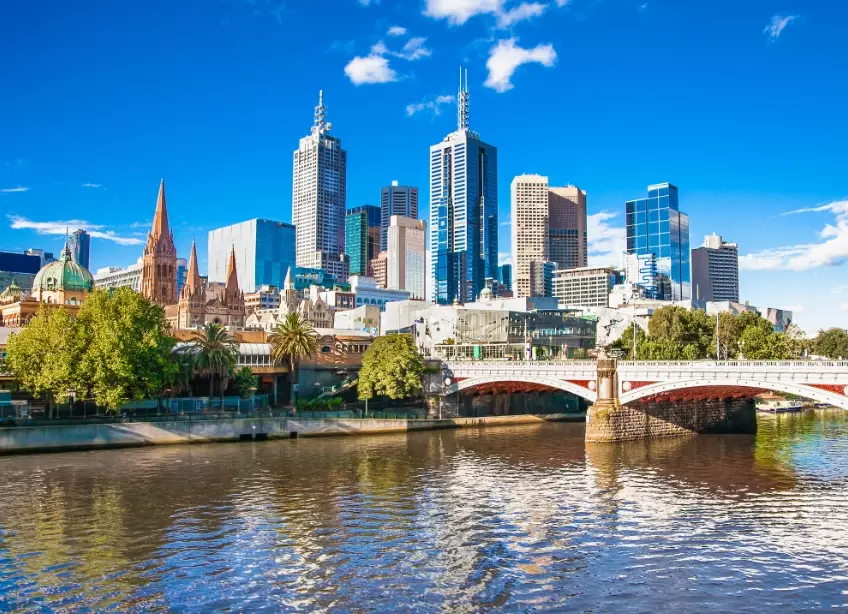
The Sporting Capital: Where Passion Runs Deep
This is a non-negotiable part of the city's identity. Calling Melbourne the sporting capital of Australia isn't bragging; it's a statement of fact backed by major events and fanatical crowds. Attending a big game here is an experience that transcends sport—it's a cultural immersion.
The Melbourne Cricket Ground (MCG) is hallowed ground. On a non-event day, taking the tour and visiting the National Sports Museum inside is fascinating. But on Boxing Day for the cricket Test match, or during the AFL Grand Final, the atmosphere is electric, a roaring sea of 100,000 people. The Australian Open tennis tournament turns Melbourne Park into a two-week summer party. Even if you're not a huge tennis fan, the vibe, the outdoor screens, the live music, and the chance to see world-class athletes up close is unforgettable.
Top Tier Sporting Events in Melbourne:
- Australian Open (Tennis, January)
- Formula 1 Australian Grand Prix (March/April)
- AFL Season (Australian Rules Football, March-September) – the Grand Final is a city-wide holiday.
- Melbourne Cup Carnival (Horse Racing, November) – the "race that stops a nation."
- Boxing Day Test Match (Cricket, December)
This sporting calendar creates a rhythm to the year and gives tourists a spectacular reason to visit in any season. The passion is contagious. You'll see people in team scarves and colors all over the city on game days, packing into pubs and spilling out of trams. It's a shared, unifying energy that's hard to find elsewhere.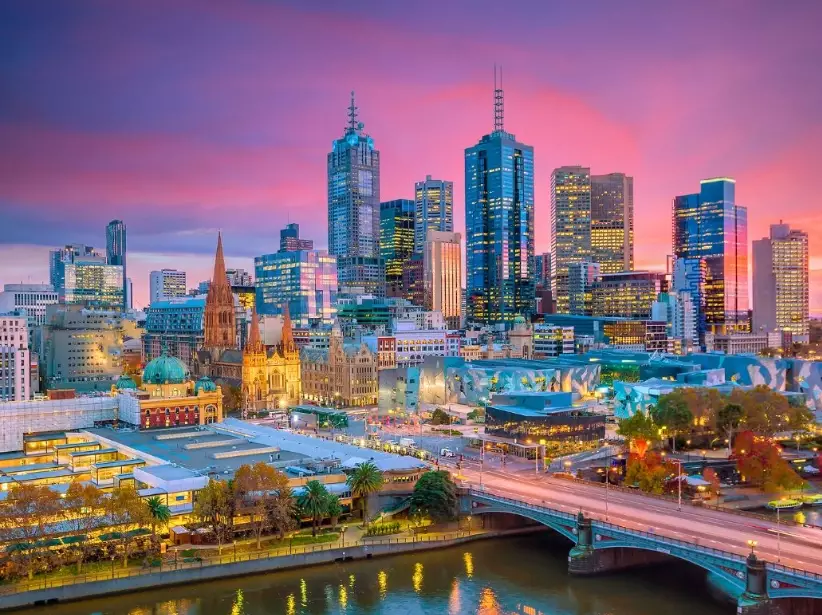
Neighbourhoods with Personality: The 20-Minute City
One of the most compelling answers to why Melbourne is so popular for tourists is its lack of a single, monolithic center. The Central Business District (CBD) is great, but the city's soul is in its inner suburbs. Each one has a distinct personality, and they're mostly connected by an efficient (though sometimes frustratingly delayed) tram network.
This concept of the "20-minute neighbourhood"—where you can live, work, and access most needs within a short walk or bike ride—makes it fantastic for visitors too. You can base yourself in one area and have a completely different experience.
| Neighbourhood | Vibe & Vibe | Don't Miss |
|---|---|---|
| Fitzroy/Collingwood | Grungy, creative, hipster central. Vintage shops, live music pubs, edgy galleries. | Rose Street Artists' Market, the Tote Hotel, Gertrude Street's boutiques. |
| St Kilda | Beachside, slightly faded grandeur, lively. Backpacker hub with a great promenade. | The Esplanade Sunday Market, a cake at Monarch Cake Shop, sunset at the pier. |
| Carlton | Italian heartland, academic (Uni of Melb). Old-world European charm. | Cinema at the Nova, a book at Readings, a long lunch on Lygon Street. |
| South Yarra/Prahran | Upscale, fashionable, leafy. Designer shopping and beautiful Victorian houses. | Chapel Street shopping, the Prahran Market (a foodie heaven). |
| Williamstown | Maritime village feel. A short ferry from the city for a completely different pace. | Seafood with a view, historic Fort Gellibrand, a stroll along Gem Pier. |
Getting lost in these suburbs is a recommended activity. Jump on a tram, pick a street that looks interesting, and get off. You'll find yourself on a street lined with beautiful Victorian terraces, or in a pocket park full of locals walking their dogs, or in front of a small shop selling something wonderfully niche. The city reveals itself in these moments.
Nature's Playground: From Parks to Penguins and The Great Ocean Road
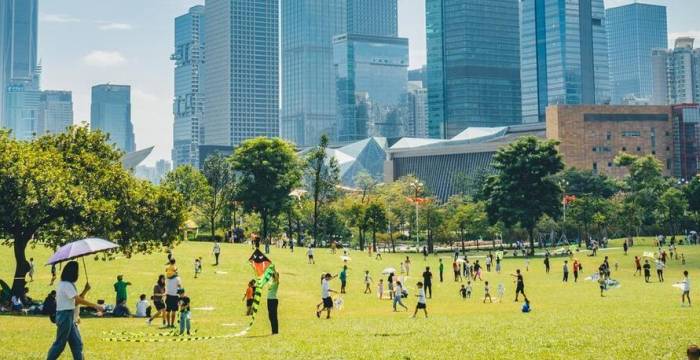
For a major metropolis, Melbourne is incredibly green. The Royal Botanic Gardens are a masterpiece—a sprawling, tranquil escape right next to the CBD. You can easily spend half a day wandering through different climatic zones, having a picnic, or just lying on the grass. Then there's the vast, wild Royal Park, the beachside paths of St Kilda and Brighton, and the Yarra River trail perfect for cycling.
But the real clincher is what lies beyond the city limits.
A short tram ride to St Kilda pier at dusk offers the chance to see wild little penguins waddling back to their burrows. A day trip can take you to the Dandenong Ranges, where you can ride a historic steam train through the fern forests (Puffing Billy) or sample treats from the Yarra Valley's wineries and dairy farms.
And then there's the crown jewel: The Great Ocean Road. This is often the number one reason international tourists include Melbourne in their Australia itinerary. The 12 Apostles, Loch Ard Gorge, the Shipwreck Coast—the scenery is dramatic, powerful, and utterly iconic. While it's a long day trip, staying overnight in Apollo Bay or Port Campbell lets you experience the magic at sunrise or sunset without the biggest crowds. It's a stark, beautiful reminder of nature's force, just a few hours from the city's coffee shops.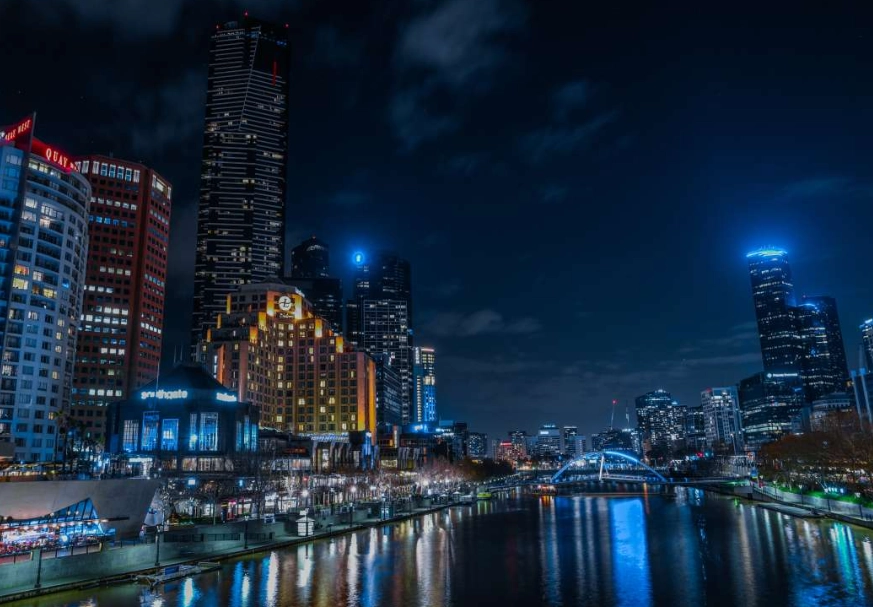
Practical Allure: Ease, Infrastructure, and Livability
All the culture and scenery in the world doesn't matter if a city is difficult to navigate or feels unwelcoming. Melbourne scores highly on the practicalities.
- Getting Around: The Free Tram Zone in the CBD is a tourist's dream. You can hop on and off to hit major sights without worrying about a ticket. The Myki card system for trams, trains, and buses outside the zone is... okay, it's a bit clunky compared to some Asian cities, but it works. The city is also very walkable.
- Airport Access: Melbourne Airport (Tullamarine) is well-connected to the city via the SkyBus (a reliable express service) and increasingly by rideshares. It's straightforward.
- Safety and Vibe: It consistently ranks as one of the world's safest major cities. You generally feel comfortable walking around at night, which is a huge plus for any traveler.
- Seasons: Yes, it has a reputation for having "four seasons in one day." The weather can be unpredictable. Pack layers. But this also means you get beautiful crisp autumns, mild winters perfect for cafe-hopping, and glorious spring and summer days. It's rarely extreme.
The overall "livability" that the city is famous for translates directly to a great experience for visitors. Things work, people are generally friendly (if a bit reserved at first), and there's a sense of order without feeling sterile.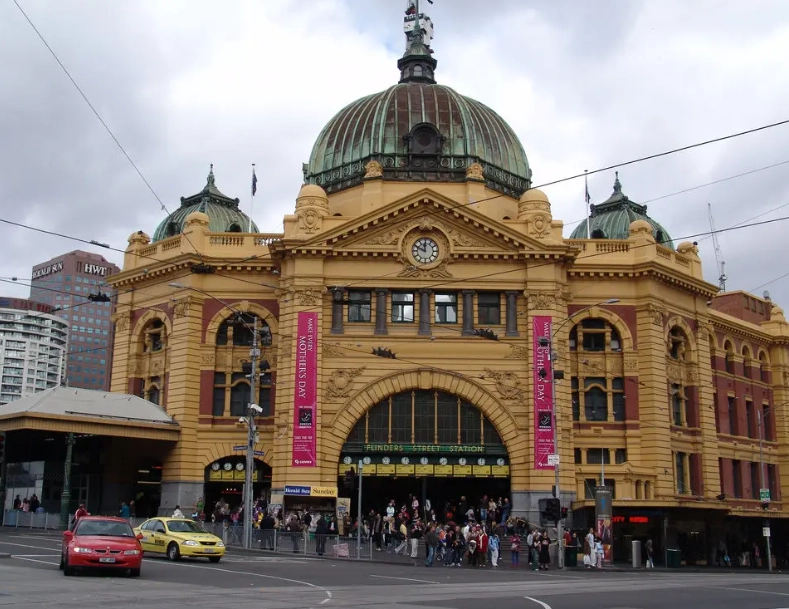
Addressing the Curiosities: Your Questions Answered
After talking to so many travelers, some common questions always pop up. Let's tackle a few.
Is Melbourne better than Sydney for tourists?
Oh, the eternal debate! It's not about better, it's about different. Sydney is the postcard: stunning harbor, iconic opera house and bridge, magnificent beaches right in the city. It's more immediately breathtaking. Melbourne is the novel: layered, nuanced, with its beauty in the details, the laneways, the subculture. Sydney feels more Pacific, Melbourne feels more European. If you want grand vistas and beach time, Sydney dazzles. If you want to feel like a local exploring a multifaceted city, Melbourne draws you in. Many people end up loving both for completely different reasons.
How many days do I really need?
This is crucial. A common mistake is to give Melbourne only 2-3 days as a quick stopover. You'll leave frustrated, having only scratched the surface. With 4-5 full days, you can comfortably explore the CBD laneways, hit a couple of key suburbs, enjoy some major cultural sites, and do one day trip (like the Great Ocean Road or the Penguins). A week allows you to relax into the rhythm, explore deeper, and maybe add a Yarra Valley wine tour or a trip to Mornington Peninsula's hot springs. The city rewards a slower pace.
What's overrated? What's a hidden gem?
Personal opinion time? The Brighton Bathing Boxes are cute for a photo, but they're just colorful sheds on a crowded beach. You can skip them if you're pressed for time. Conversely, the Immigration Museum is often overlooked but is one of the most moving and informative museums in the city. It tells the foundational story of modern Australia. Another gem: the rooftop bar and gallery at Curtin House on Swanston Street. It's a time capsule of indie Melbourne cool.
Final Thought: Why is Melbourne so popular for tourists? It's not a single landmark. It's the alchemy of all these elements—the hidden art, the ritual of coffee, the roar of a sports crowd, the quiet of a garden, the flavor of a meal from a faraway home, and the sense that you, the visitor, are in on the secret of its layered charm. It's a city that asks for a bit of curiosity and rewards it with an incredibly rich and personal experience. That's a popularity that's well-earned.
So, pack a jacket (seriously, the weather will change), bring comfortable shoes for wandering, and come ready to explore beyond the obvious. Melbourne's popularity isn't a trend; it's the result of a city that has carefully, and sometimes messily, built an identity that visitors can genuinely connect with and feel a part of, if only for a little while.
Comments
Join the discussion