Your Journey at a Glance
- First Things First: Laying the Groundwork for Your NZ Trip
- The Core Framework: Sample New Zealand Tourism Itineraries
- Beyond the Beaten Path: Itinerary Deep Dives & Customization
- The Nitty-Gritty: Practicalities of Your NZ Itinerary
- Tailoring Your Trip: Itineraries for Different Travelers
- Your New Zealand Itinerary FAQ (Stuff You're Probably Wondering)
- Wrapping Up: Your Next Steps
Let's be honest. Staring at a map of New Zealand is equal parts thrilling and completely overwhelming. You've got these two stunning islands staring back at you, packed with more natural wonders per square mile than seems fair. Where do you even start? A perfect New Zealand tourism itinerary isn't just about ticking off places; it's about matching the journey to your travel style, your pace, and honestly, your tolerance for winding mountain roads.
I remember my first trip. I tried to cram everything into two weeks. Big mistake. I spent more time in the car than anywhere else, and the constant moving left me exhausted. I missed the magic of just sitting by Lake Tekapo for an extra hour, or taking that unplanned detour to a hidden beach. That's what this guide is for—to help you avoid those pitfalls and craft a trip that feels like an adventure, not a military operation.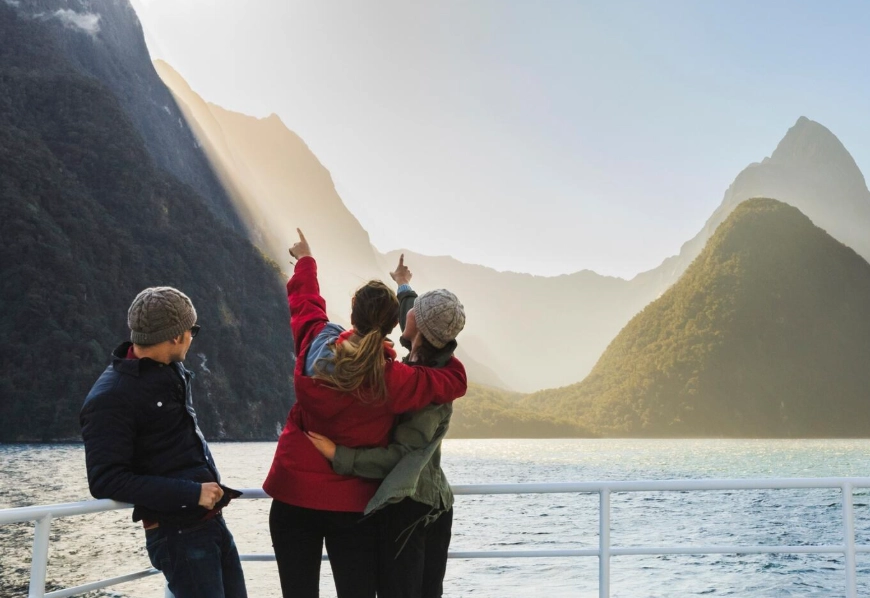
Forget the checklist. The best New Zealand travel itinerary is the one that leaves you with stories, not just photos.
First Things First: Laying the Groundwork for Your NZ Trip
Before we dive into day-by-day plans, let's get the boring (but crucial) stuff out of the way. Skipping this is like building a house without a foundation.
When to Go: Timing is Everything
New Zealand's seasons are flipped from the Northern Hemisphere. Your experience changes dramatically based on when you visit.
- Summer (Dec-Feb): Peak season. The weather is glorious, days are long (sunset past 9 pm!), and everything is open. It's also crowded and the most expensive. Great for hiking, beaches, and festivals.
- Autumn (Mar-May): My personal favorite. Crowds thin out, prices drop, and the landscapes in places like Arrowtown and Central Otago turn into a canvas of gold and red. The weather is still stable.
- Winter (Jun-Aug): All about the South Island's ski fields (Queenstown, Wanaka, Mt. Hutt). The North Island is milder but rainier. You'll find great deals on accommodation outside ski resorts. Some high-country roads and hikes may be closed.
- Spring (Sep-Nov): Baby lambs everywhere! Temperatures are warming, flowers are blooming, and it's a lovely, quiet time to visit. The weather can be unpredictable, though—four seasons in a day is a real thing here.
So, what's the best time? For a classic first-time New Zealand road trip itinerary aiming to cover both islands with lots of outdoor time, aim for late spring (November) or early autumn (March/April). You hit the sweet spot between good weather and manageable crowds.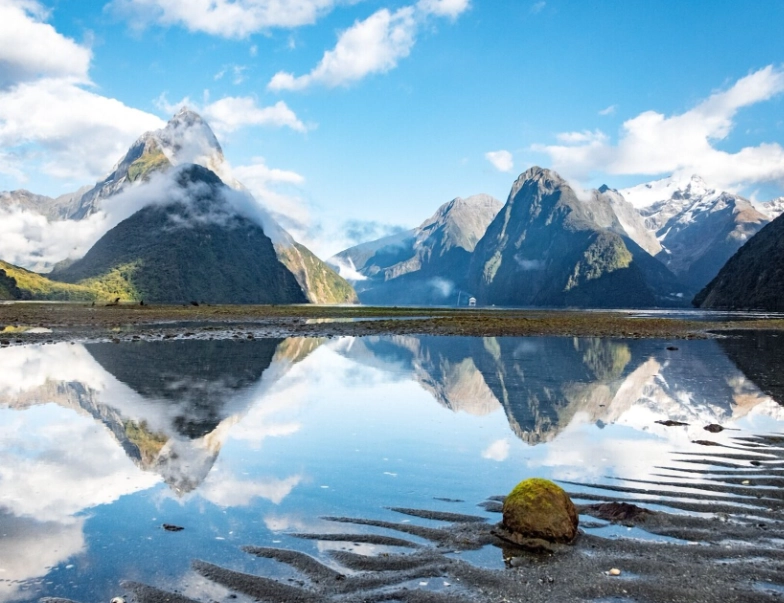
How Long Do You Really Need?
This is the million-dollar question. Here's the brutal truth:
- 7-10 days: You'll need to pick one island. Seriously. Don't try to do both. You'll see very little of either. A 7-day New Zealand itinerary focused solely on the South Island's highlights (Christchurch, Tekapo, Queenstown, Milford Sound) is a fantastic, intense trip.
- 14 days (2 weeks): This is the golden minimum for a decent taste of both islands. It's a fast-paced road trip, but it's doable and incredibly popular. We'll build a core 14-day New Zealand tourism itinerary below.
- 21 days (3 weeks) or more: Now we're talking. This allows for a more relaxed pace, deeper exploration of regions, multi-day hikes (like the Great Walks), and time to just... breathe. This is the ideal scenario if you can swing it.
The Core Framework: Sample New Zealand Tourism Itineraries
Okay, let's get into the meat of it. Here are skeleton frameworks you can adapt. Think of these as blueprints.
The Classic 14-Day New Zealand Itinerary (Both Islands)
This is the bread and butter for most first-timers. It's fast but hits the iconic spots.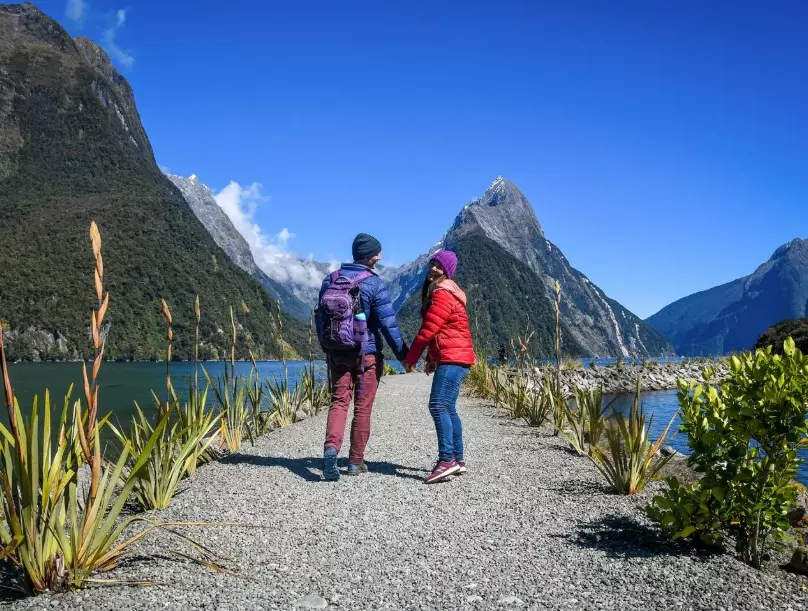
| Days | Route & Key Stops | Overnight | Highlights & Tips |
|---|---|---|---|
| 1-3 | North Island Start: Arrive Auckland. Explore city, day trip to Waiheke Island or Hobbiton. Drive to Rotorua (3 hrs). | Auckland (2), Rotorua (1) | Waiheke for wine, Hobbiton for fans. Rotorua for geothermal wonders (Wai-O-Tapu) and Maori culture. The smell is... distinctive (eggy), but you get used to it. |
| 4 | Drive Rotorua to Wellington (7-8 hrs). Stop at Lake Taupo, Huka Falls. | Wellington | A long drive. Consider the scenic train (Northern Explorer) as an alternative. Wellington is a cool, windy city with amazing food and Te Papa museum. |
| 5 | Morning in Wellington. Afternoon ferry to South Island (3.5 hrs). | Picton / Blenheim | The ferry crossing through the Marlborough Sounds is stunning. If you love wine, stay in Blenheim. If you prefer a quaint seaside town, Picton. |
| 6-7 | Explore Marlborough Sounds. Drive to Abel Tasman National Park (2 hrs). Kayaking or hiking. | Kaiteriteri or Marahau (2) | Abel Tasman is all about golden beaches and turquoise water. A water taxi to hike a section is the perfect day. |
| 8-9 | Drive down the West Coast (long day, ~6 hrs to Franz Josef). See Punakaiki Pancake Rocks. Glacier region. | Franz Josef or Fox Glacier (2) | The West Coast is wild and rainy. A heli-hike on the glacier is epic but weather-dependent. The scenery is moody and magnificent. |
| 10-11 | Drive to Wanaka (3.5 hrs), via Haast Pass. Then to Queenstown (1 hr). | Wanaka (1), Queenstown (1) | Haast Pass is incredible. Wanaka's that #ThatWanakaTree and Roy's Peak (hard hike!). Queenstown is the adventure capital. |
| 12 | Day trip to Milford Sound from Queenstown (long day) or Te Anau. | Queenstown or Te Anau | The drive to Milford is the main event. Allow a full 12-hour day from Queenstown. Overnighting in Te Anau splits the journey. |
| 13-14 | Queenstown activities. Fly out from Queenstown (ZQN) or drive to Christchurch (6 hrs) to depart. | Queenstown or Christchurch | Bungee jumping, jet boating, wine tasting. Or just relax by the lake. The drive to Christchurch across the Canterbury plains is less scenic. |
See? It's full-on. You're moving almost every other day. But it shows you an incredible cross-section. For a more detailed day-by-day breakdown of a similar route, the official New Zealand Tourism website has some great suggested drives.
If You Only Have 7 Days: South Island Focus
Fly into Christchurch (CHC) and out of Queenstown (ZQN) to avoid backtracking.
- Day 1: Arrive Christchurch, explore the regenerating city. Drive to Lake Tekapo (3 hrs). See the Church of the Good Shepherd and star gaze (it's in a Dark Sky Reserve).
- Day 2: Drive to Aoraki/Mt. Cook National Park (1.5 hrs). Do the Hooker Valley Track (easy, stunning). Drive to Omarama or Twizel for the night.
- Day 3: Drive to Wanaka (2 hrs). Hike Roy's Peak or the easier Mt. Iron. Soak in the views.
- Day 4: Drive the Crown Range road (spectacular!) to Queenstown (1 hr). Settle in, ride the gondola for views.
- Day 5: Queenstown day. Choose one big adventure (bungy, jet boat, ski) or take a wine tour to Gibbston Valley.
- Day 6: Day trip to Milford Sound. It's a marathon, but worth it. Consider a flightseeing tour back to save time and get a mind-blowing perspective.
- Day 7: Last-minute exploring, then fly out from Queenstown.
This 7-day New Zealand itinerary is intense but delivers maximum wow factor from the South Island's alpine and lake scenery.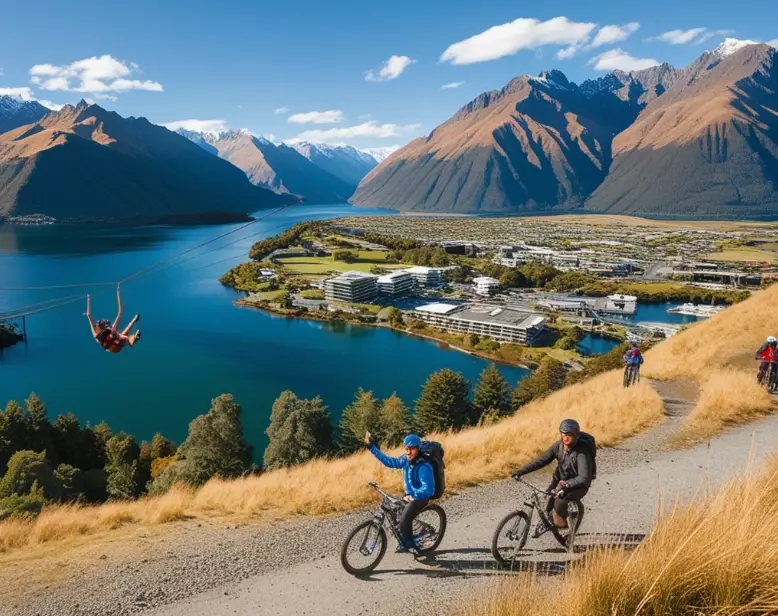
Beyond the Beaten Path: Itinerary Deep Dives & Customization
Now, let's say the classic loops feel too... typical. Or you have a specific interest. Here’s where you can really tailor your New Zealand travel itinerary.
Building a North Island-Only Adventure
The North Island gets less hype than the South, but it's packed with culture, volcanic drama, and sub-tropical vibes. A great 10-day North Island New Zealand tourism itinerary could look like this:
- Auckland & the North: Waitemata Harbour, day trip to Tiritiri Matangi island sanctuary.
- Bay of Islands: Historic Waitangi, dolphin watching, sailing in Paihia.
- Coromandel Peninsula: Hot Water Beach (dig your own spa), Cathedral Cove. It's slower-paced and gorgeous.
- Rotorua & Taupo: The geothermal heart. Don't just look—soak in a natural hot spring! Visit Huka Falls, maybe skydive over the lake.
- Tongariro Alpine Crossing: Often called the best one-day hike in NZ. It's challenging and needs planning (transport, weather).
- Wellington: The cool little capital. End here.
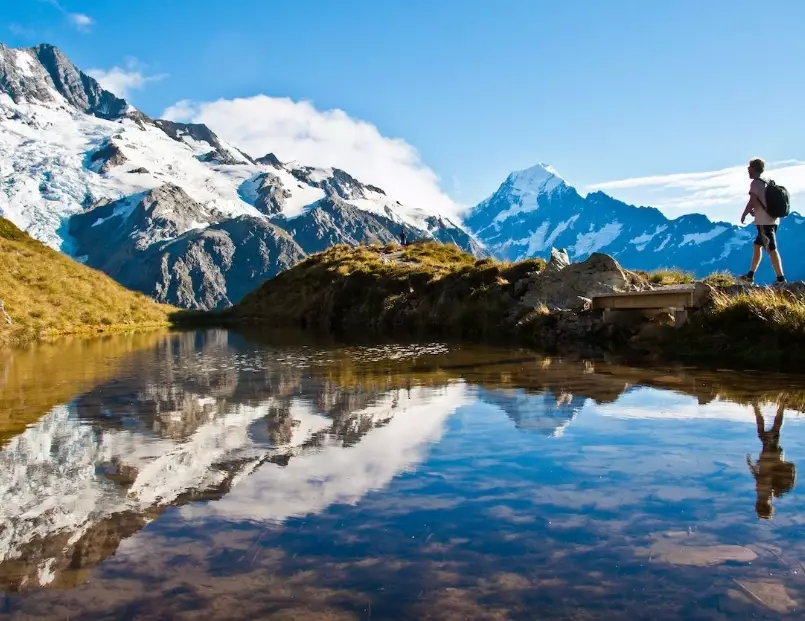
The Ultimate South Island Road Trip Itinerary (for 3+ weeks)
This is the dream. You can go deep. After Christchurch and the Alps, instead of rushing, you could:
Or, spend a week just in Fiordland. Do the Milford Track (one of the Great Walks, book a year ahead!), kayak in Doubtful Sound (quieter than Milford), and explore the remote valleys.
Another option is focusing on the east coast: Kaikoura for whale watching, the Marlborough Wine Trail, and the arty town of Nelson before heading to Abel Tasman.
The best itinerary isn't on any blog. It's the one you create after asking yourself: Do I want postcards or stories? Comfort or discovery?
The Nitty-Gritty: Practicalities of Your NZ Itinerary
Alright, you've got a rough route. Let's talk about the engine that makes it run.
Getting Around: Car, Campervan, or Tour?
- Rental Car: The most flexible option for most. Book early for best rates. Driving is on the left. Roads are often narrow and winding. Petrol is expensive. Companies like Apex, Omega, and the big internationals are reliable. Always check insurance coverage carefully.
- Campervan: The iconic Kiwi experience. Combines transport and accommodation. Perfect for flexibility. Downsides: They're slow, use a lot of fuel, and you MUST stay in designated campsites (freedom camping rules are strict). It's not always cheaper than car + motels.
- Domestic Flights: Great for covering big distances fast (Auckland to Queenstown, for example). Air New Zealand and Jetstar are the main carriers.
- Buses & Tours: InterCity buses connect main towns. Guided tours take the planning hassle away but sacrifice freedom. Good for solo travelers or those who don't want to drive.
Where to Stay? A Quick Hierarchy
Accommodation fills up fast in peak season, especially in small towns.
- Motels/Hotels: Reliable, often with kitchenettes (a huge money-saver). Book via Booking.com or direct.
- Holiday Parks & Motor Camps: Fantastic value. Offer powered sites for campervans, plus cabins and often communal kitchens. Top choice for families and budget travelers.
- Airbnb/Bookabach: "Bach" is the Kiwi term for a holiday home. Great for groups or longer stays, offering more space and local character.
- Luxury Lodges: Scattered in stunning locations. An incredible, splurge-worthy experience.
- Backcountry Huts: For multi-day hikers. Book through the Department of Conservation (DOC).
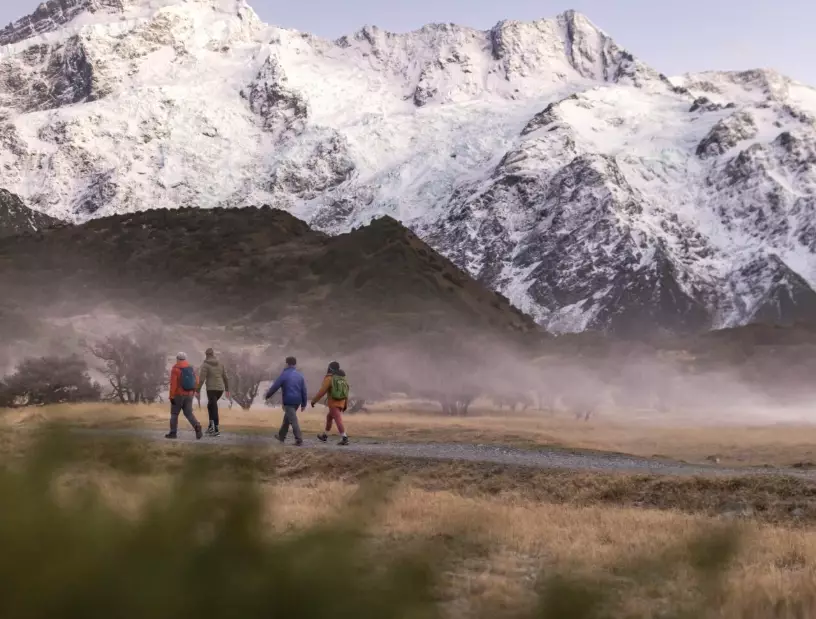
Activities & Booking: What to Lock In Early
Some things you can't just wing. Book these well in advance (months for peak season):
- Great Walks huts and campsites (Milford Track, Routeburn Track, etc.).
- Interislander or Bluebridge ferry crossing (especially with a vehicle).
- Popular guided experiences: Milford Sound cruises (though many daily departures), specific glacier heli-hikes, Hobbiton tours.
- Accommodation in tiny, popular spots like Tekapo, Franz Josef, or near Milford Sound (Te Anau, Milford Sound Lodge).
For everything else, the amazing i-SITE network of official visitor centers is your best friend in every town. They have local knowledge, free maps, and can book activities on the spot.
Tailoring Your Trip: Itineraries for Different Travelers
Let's get specific. A family's ideal New Zealand tourism itinerary looks nothing like a honeymooner's or an adrenaline junkie's.
For Families with Kids
Slow down! Kids (and parents) hate repacking every day. Pick 2-3 bases for 3-4 nights each.
- Queenstown: A perfect base. Safe playgrounds, easy walks (Queenstown Gardens), the Skyline luge, steamship rides on the TSS Earnslaw to a farm show.
- Rotorua: Kids love the geothermal parks (bubbling mud!), the Redwoods Treewalk, and the Agrodome sheep show.
- A Beach Base: Like Kaiteriteri (for Abel Tasman) or the Coromandel. Build sandcastles, kayak gently.
Avoid super long driving days. Holiday parks with pools and playgrounds are gold.
For the Adventure Seeker
Your New Zealand road trip itinerary is just a conduit between adrenaline hits.
- Queenstown: The obvious hub. Nevis Bungy (highest in NZ), canyon swings, jet boating, skydiving.
- Taupo: Skydiving over the lake, world-class trout fishing, the Tongariro Alpine Crossing.
- West Coast: White-water rafting, heli-hiking on a glacier.
- Waitomo: Black-water rafting (tubing through glowworm caves).
Space out the big activities—both for your wallet and your nerves!
For the Foodie & Wine Lover
Base yourself in regions and explore.
- Marlborough: Sauvignon Blanc heaven. Cycle between wineries.
- Hawke's Bay (North Island): Art Deco Napier, fantastic reds and Chardonnay.
- Central Otago: Pinot Noir country around Queenstown, Cromwell, and Wanaka.
- Wellington: Craft beer and incredible coffee scene. Take a food tour.
- Auckland & Waiheke Island: Fine dining and boutique wineries.
For the Budget-Conscious Backpacker
Your best New Zealand itinerary leverages freedom.
- Transport: Consider a relocation rental car (super cheap, but you must move it one-way on a tight schedule). Or bus passes.
- Accommodation: Hostels (YHA, BBH network), DOC campsites ($10-20 per person), freedom camping (only in certified self-contained vehicles in designated areas).
- Activities: Focus on free hikes—NZ's best asset is free! The Hooker Valley, Roy's Peak, Tongariro Crossing (just transport cost). Use Bookme.co.nz for last-minute activity deals.
- Food: Cook your own. Supermarkets (Countdown, New World, Pak'nSave) are your best friends. “Pies” from bakeries are a cheap, tasty lunch.
Your New Zealand Itinerary FAQ (Stuff You're Probably Wondering)
- Budget: $70-100 NZD (hostels, cooking, buses, few paid activities).
- Mid-range: $150-250 NZD (motels/airbnbs, eating out some meals, rental car, a few activities).
- Luxury: $350+ NZD (hotels/lodges, fine dining, all activities).
Remember, activities are the big budget killer. A bungy jump is ~$250, a Milford Sound cruise ~$100, a glacier heli-hike ~$500.
Wrapping Up: Your Next Steps
So, where does this leave you? Hopefully, feeling less overwhelmed and more excited. Creating your perfect New Zealand tourism itinerary is a puzzle, but it's a fun one.
Start by asking yourself the core questions: How long do I have? What's my travel style (fast-paced explorer or slow immersion)? What's my budget? What are my must-dos (hiking, culture, adventure, food)?
Then, use the frameworks here as a starting point. Stretch them, break them, and mold them. Maybe you take the 14-day classic but add an extra night in Wanaka and skip the West Coast glaciers. That's your trip. Maybe you focus entirely on the North Island's volcanic and cultural trail. That's your trip too.
The goal isn't to see it all. That's impossible. The goal is to have an experience that feels uniquely yours—whether that's the thrill of a bungy cord snapping you back over a canyon, the quiet awe of a glacier under your boots, or the simple joy of a perfectly made flat white in a Wellington laneway.
Now, go start plotting those pins on the map. Your adventure is waiting.



Comments
Join the discussion