Safari Journey Map
Let's be honest. The idea of an African safari sits in the back of many travelers' minds like a shimmering mirage. It feels epic, a bit daunting, and shrouded in questions. Is it just for the super-rich? Will I be safe? How do I even begin to choose where to go? I remember my first time planning one – I spent weeks drowning in brochures and conflicting blog advice, utterly paralyzed by choice.
It doesn't have to be that way.
This guide is the one I wish I had. We're going to strip away the mystique and break down an African safari into practical, bite-sized pieces. No fluff, no over-the-top sales pitches, just clear information to help you make the best decisions for your dream trip. Because that's what it should be – a dream come true, not a logistical nightmare.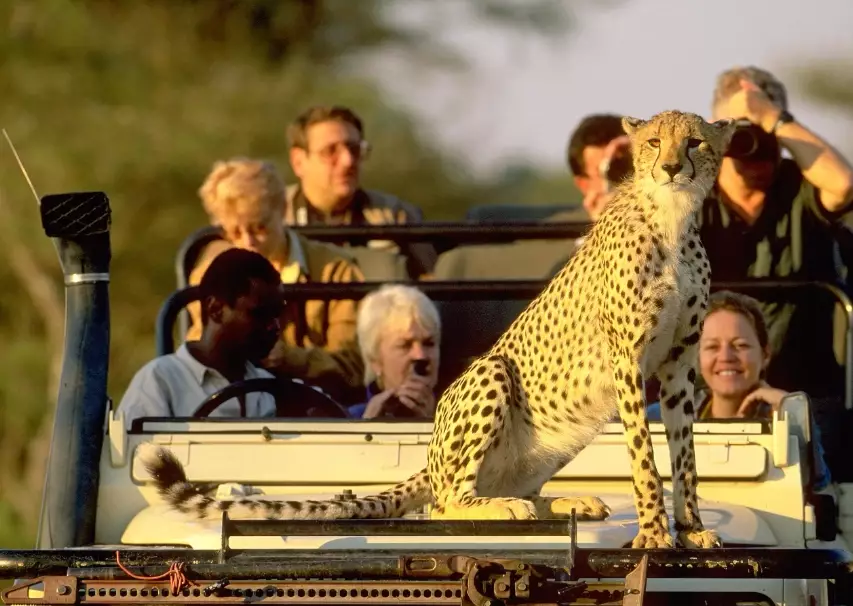
Why an African Safari? Beyond the Postcard
Everyone talks about the Big Five. And yes, seeing a lion yawn from ten meters away is a heart-stopping moment you'll never forget. But an African safari is about so much more than a wildlife checklist.
It's the sensory overload. The smell of rain on dry earth (the famous "petrichor") as a storm builds over the savanna. The sound of a million frogs erupting in chorus after that rain. The bone-deep silence of a night drive, punctuated only by the crunch of tires on gravel and the distant whoop of a hyena. You don't just see Africa; you feel it in your chest.
I once spent a solid forty minutes watching a dung beetle meticulously roll its prize ball across a road in the Serengeti. It was more captivating than half the TV I've ever watched. That's the magic – it reconnects you to a rhythm of life that has nothing to do with Wi-Fi speed or deadlines.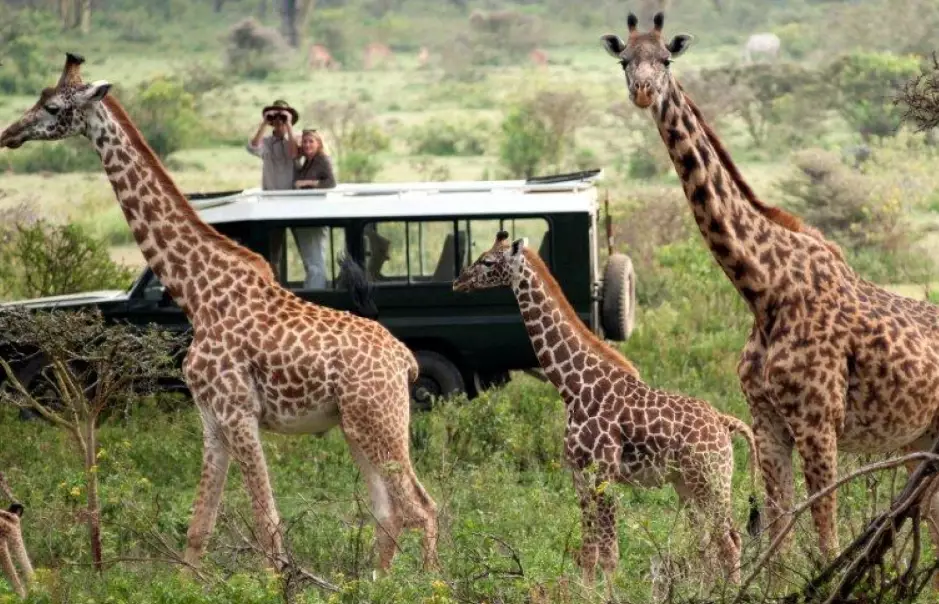
An African safari isn't a vacation; it's a recalibration. It quietly shifts your perspective on your place in the natural world. You come back different.
The Nuts and Bolts: Planning Your African Safari
Okay, let's get practical. Dreaming is fun, but spreadsheets are necessary. The key to a great safari is matching your expectations (and budget) with the right destination, time, and style of trip.
When to Go: Timing is Everything
Forget just "summer" or "winter." In Africa, seasons are defined by rain and dryness, and they dictate everything you'll see.
The Dry Season (June - October): This is peak safari season for East and Southern Africa. Why? Water is scarce, so animals congregate around remaining waterholes and rivers. Vegetation is thinner, making wildlife easier to spot. The weather is generally sunny and cool. The downside? Everyone else knows this too. Prices are at their highest, and popular parks can feel busy. If you're after guaranteed, concentrated game viewing and don't mind the crowds or cost, this is your window.
The Green/Wet Season (November - May): This is the secret handshake season. The landscapes explode in vibrant green, birdlife is spectacular (migratory birds are present), and you'll have many areas almost to yourself. It's also calving season for many herbivores, which means… predator action. The trade-off? Afternoon rains can sometimes disrupt drives, animals are more spread out with plentiful water, and some roads can get muddy. The shoulder months (November and late April/May) often offer a brilliant sweet spot. I did a trip in late November once and had incredible sightings with maybe three other vehicles in sight all day.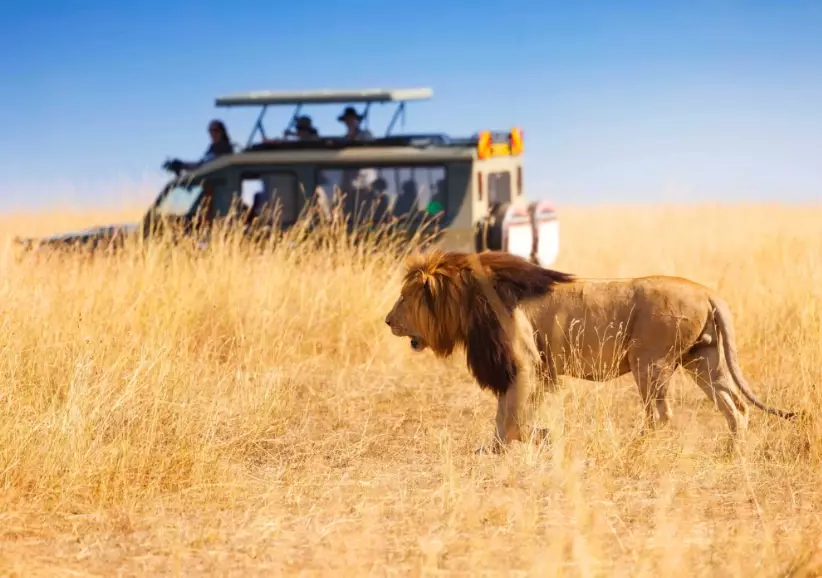
Pro Tip: Research the specific "micro-climates" of your chosen country. The timing of short and long rains varies between, say, Kenya's Masai Mara and Tanzania's Serengeti, even though they're right next to each other!
Choosing Your African Safari Destination: A Reality Check
This is where most people get stuck. Kenya? Tanzania? South Africa? Botswana? The choice feels monumental. Let's simplify it by looking at what each region does best.
| Country/Region | The Vibe & Best For | Consider If You Want... | A Realistic Budget Note |
|---|---|---|---|
| Kenya & Tanzania (East Africa) | The classic, cinematic safari. The Great Wildebeest Migration (primarily in the Serengeti/Mara ecosystem) is the headline act. Vast savannas, big cat capital. | The "Out of Africa" experience, dramatic river crossings (Jul-Oct), cultural visits to Maasai communities, combining safari with a beach trip to Zanzibar. | Wide range, from budget camping to ultra-luxury. Parks like the Masai Mara can be expensive and crowded in peak season. Northern Tanzania (Serengeti, Ngorongoro) is generally pricier than many southern parks. |
| South Africa | Ease and diversity. Excellent infrastructure, malaria-free options (like the Eastern Cape), self-drive possibilities in parks like Kruger (though I'd advise a guided tour for first-timers). | A first-time safari, family travel, combining safari with Cape Town, wine regions, and the Garden Route. Great for those who want more control. | Offers the best value for money, especially with the favorable exchange rate for many. You can have a fantastic, mid-range safari here for less than in East Africa. |
| Botswana | Exclusive, wilderness-focused. Low-impact, high-cost tourism model. The Okavango Delta is a unique inland waterworld. More remote and pristine. | A fly-in safari, mokoro (dugout canoe) trips, feeling like you have the wilderness to yourself, exceptional birding, and luxury under canvas. | This is a premium destination. The government's high-cost/low-volume policy means even mid-range trips here cost more than luxury in other countries. It's an investment. |
| Namibia | Otherworldly landscapes. As much about the scenery (dunes, desert, skeleton coast) as the wildlife. Etosha Pan's waterhole game viewing is phenomenal. | Photography (those landscapes!), self-drive adventures, a starkly different, more arid safari experience, combining desert and wildlife. | Can be very reasonable, especially if you're comfortable with a self-drive camping safari. Guided tours are also available at various price points. |
| Rwanda & Uganda | Primate paradise. The main draw is gorilla and chimpanzee trekking in lush, mountainous rainforests. A completely different biome. | A life-changing encounter with mountain gorillas, a more active trekking-based safari, combining primates with classic savanna safaris in neighboring countries. | Gorilla trekking permits are a major cost (currently $1500 in Rwanda, $800 in Uganda). This makes the trip expensive, but it's a fixed, non-negotiable fee for a unique experience. |
See? It's not about which is "best," but which is best for you. Want ease and variety? Look at South Africa. Dreaming of the migration? Kenya/Tanzania. Have a generous budget for exclusivity? Botswana calls.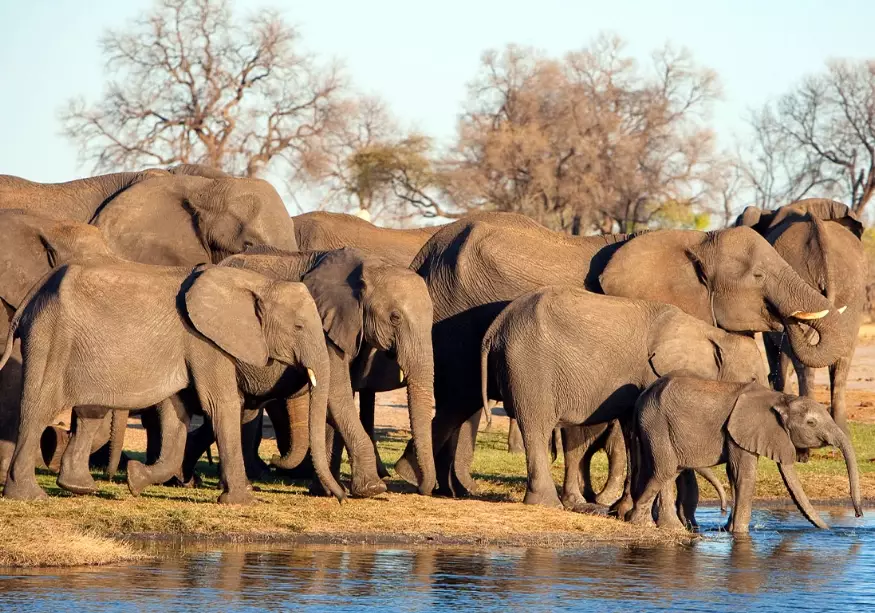
The Budget Breakdown: What Does an African Safari Really Cost?
Let's talk money, because this is the biggest hurdle. Costs are wildly variable, but you can think in tiers.
- Budget (Roughing it): $150-$250 per person per day. This means participatory camping (you might help set up tents), public campsites in parks like Kruger, or basic lodge rooms. Food is simple, transport might be in a minibus with a group. It's an adventure, for sure. You'll see the same animals as the guy in the $2000-a-night lodge, I promise.
- Mid-Range (The Sweet Spot): $350-$700 per person per day. This is where most quality guided safaris land. You'll stay in comfortable, permanent tented camps or lodges with en-suite bathrooms, great food, and experienced guides in private 4x4 vehicles. This tier offers incredible value and comfort.
- Luxury (& Beyond): $800-$2000+ per person per day. Think stunning design, private plunge pools, helicopter transfers, butler service, and exclusive access to private concessions bordering national parks. The wildlife experience is often more curated and private.
Watch Out For: The advertised price often doesn't include international flights, visas, travel insurance, drinks (sometimes), and most importantly, tips for your guide and camp staff. Always ask what's included. A "$5000 safari" that excludes flights and park fees can quickly become a $7000 trip.
My personal take? Splurge on a great guide and a good location, even if it means sacrificing a bit on lodging. A brilliant guide in a basic vehicle in the heart of the action is worth ten times more than a mediocre guide in a luxury vehicle on the periphery. I've had both.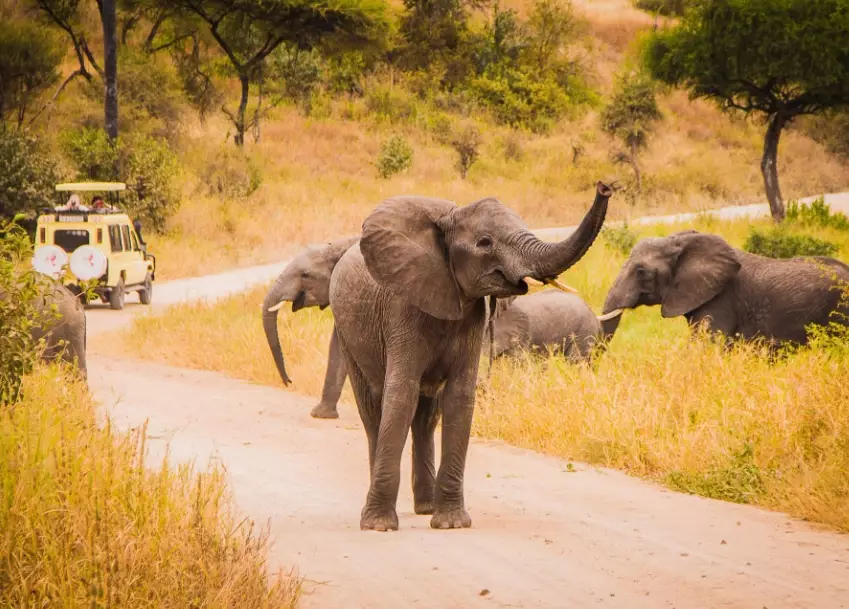
On the Ground: Your Safari Day & What to Expect
So you've booked it. What does a day actually look like? It's a rhythm dictated by the animals.
5:30 AM: Wake-up call with coffee and biscuits. It's dark, it's cold, you'll question your life choices. Do it anyway.
6:00 AM: Morning game drive. This is the golden hour – literally. The light is stunning, predators are often still active from the night, and the air is cool.
9:30 AM: Return to camp for a huge brunch. Then, downtime. Read, nap by the pool, watch animals at the waterhole. This midday lull is when most animals rest too.
3:30 PM: Afternoon tea (a proper ritual), then head out for the evening drive.
6:30 PM: Sundowner stop. Your guide finds a scenic spot, lays out drinks and snacks, and you watch the sunset. It's as cliché and as perfect as it sounds.
8:00 PM: Dinner back at camp, often under the stars, sharing stories of the day.
It's a simple, glorious routine.
The Packing List: What You Actually Need
Forget fancy outfits. Safari wear is about being comfortable, protected, and unobtrusive.
- Colors: Khaki, green, brown, beige. Avoid white, bright colors, and black/blue (attracts tsetse flies in some areas). Camo is often illegal as it's associated with the military.
- Fabrics: Light, breathable, natural fibers (cotton, linen) or technical fabrics. Layers are key – freezing mornings, hot days, cool evenings.
- Footwear: Closed-toe shoes for walks. Comfortable trainers are fine for drives. No need for heavy boots unless you're trekking gorillas.
- The Essentials Most Forget:
- A warm fleece or down jacket for morning drives. Trust me.
- A beanie or buff for your head/ears in the open vehicle.
- Binoculars. One pair per person. Don't skimp here. 8x42 is a great all-round specification.
- A good headlamp (with a red light setting to preserve night vision) for walking around camp at night.
- A power bank. Charging opportunities can be limited.
- A small, reusable water bottle to refill.
Navigating the Tricky Bits: Safety, Ethics, and FAQs
Let's address the elephants in the room (pun intended).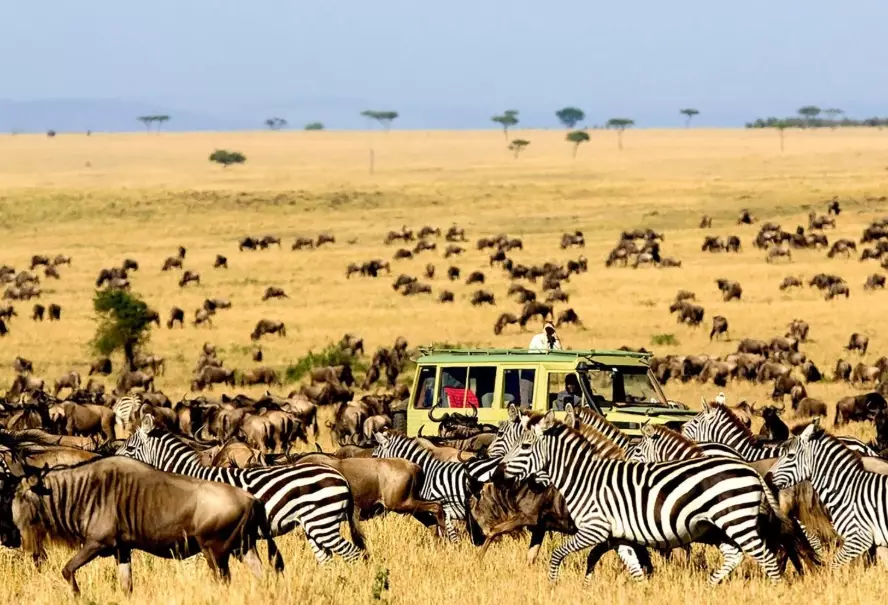
Is it Safe?
Yes, when done responsibly. You are in a vehicle with a professional who reads animal behavior for a living. The rules are simple and non-negotiable: stay in the vehicle unless your guide says it's safe, don't stand up or make sudden movements, and don't try to feed or call the animals. I've felt far less safe crossing a busy street in my hometown than I ever have on a game drive. The biggest health risk is often malaria, so consult a travel clinic for prophylaxis. Road safety between destinations can be a concern in some countries, which is another reason to use reputable operators.
How Do I Choose a Responsible Operator?
This matters. Look for operators who:
- Employ local guides and staff at fair wages.
- Use locally-owned accommodations where possible.
- Have clear environmental policies (water conservation, waste management, solar power).
- Respect animal welfare – no baiting, chasing, or getting too close to distress animals. A good sign is membership in a reputable tourism association. In South Africa, look for SATSA bonded members. For East Africa, the African Travel and Tourism Association (ATTA) is a good resource. Always check independent reviews on platforms like TripAdvisor.
Your Burning African Safari Questions, Answered
A quick story: On my last trip, in Botswana's Okavango, our guide stopped to watch a pair of saddle-billed storks. Not a lion or leopard in sight. He spent twenty minutes explaining their mating dance, their role in the ecosystem. It was one of the most educational and fascinating moments of the trip. Don't just chase the big-ticket animals.
The Final Word: Making It Yours
Planning African safaris can seem complex, but it boils down to a few key decisions: your budget, your preferred experience (classic, exclusive, primate-focused), and the time of year. Be honest about what you want. Is it five-star luxury or an authentic bush camp? Is photographing a specific animal a priority?
Talk to a specialist travel agent who knows the ground. They can match you with the right operator and often get better rates. Read recent reviews. And once you're there, surrender to the rhythm. Put the camera down sometimes. Listen. Smell the air. Feel the sun.
An African safari is a privilege. It's a journey to the last great wild places on our planet. By traveling thoughtfully, choosing responsible operators, and immersing yourself fully, you're not just getting a holiday. You're becoming part of the story that ensures these landscapes and their incredible inhabitants are here for generations to come. And that might be the most rewarding part of all.
Now, start dreaming. Then start planning.

Comments
Join the discussion