Quick Navigation
Let's be honest. Planning a trip to Scotland can feel overwhelming. You've got the pictures of moody castles, the endless green of the Highlands, the promise of a good whisky. But then you start digging. When's the best time to go? How do you even tackle the Highlands? Is it all just Edinburgh and Loch Ness? I remember my first trip. I landed with a jumble of guidebook printouts and a vague hope to "see everything." I made every mistake so you don't have to.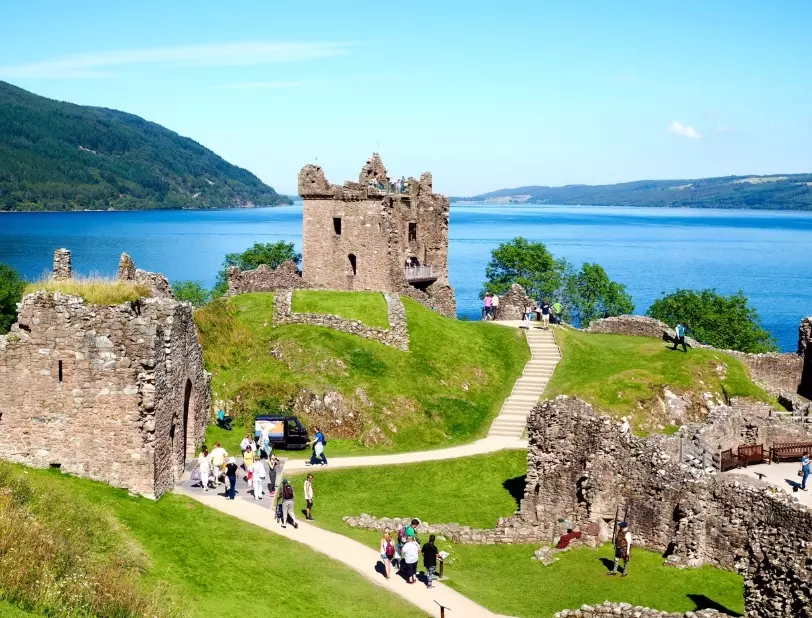
This isn't just another listicle. This is the Scotland tourism guide I wish I'd had. We're going to cut through the fluff and talk about what it's really like. The logistics, the hidden costs, the spots that are worth your time (and the ones that aren't), and how to build an itinerary that doesn't leave you exhausted. Scotland tourism is about the feeling you get when you round a bend and see a loch stretching out beneath brooding mountains, not just ticking boxes.
Before we dive in, let's tackle the big questions everyone has right away:
- Best time for Scotland tourism? Late May to September for weather, but June-August gets busy. September is my personal sweet spot.
- How many days do you need? A solid 7-10 days lets you scratch the surface of cities and Highlands. Less than that and you'll just be rushing.
- Biggest mistake people make? Trying to do too much. The distances are deceptive, and single-track roads aren't a race track.
- Is it expensive? It can be, yes. But there are ways to manage it, which we'll get into.
When to Go: Decoding the Scottish Seasons
Scotland's weather is its most famous (or infamous) feature. It's not just rain—it's four seasons in one hour. Picking your time is the first major decision for your Scotland tourism adventure.
Summer (June-August): This is peak season. The days are gloriously long—think 18 hours of daylight in the north. It's the warmest (relatively speaking), and everything is open. But. It's also the busiest. Edinburgh during the Fringe Festival in August is a wonderful, chaotic beast of its own, but accommodation prices triple and you need to book everything a year in advance. The midges (tiny biting insects) in the Highlands are also at their peak. If you want long days and don't mind crowds, this is your window.
Shoulder Seasons (April-May & September-October): My absolute favourite times. I did a September road trip once, and the heather was purple on the hills, the summer crowds had thinned, and the light was golden. The weather is more unpredictable, sure, but you get a more authentic feel. May brings wildflowers, and October brings stunning autumn colours. Some remote attractions start reducing hours in October, so check.
Winter (November-March): This is for a specific kind of Scotland tourism. It's dark by 4 pm, cold, and can be stormy. But. If you dream of cozy pubs with fireplaces, potentially seeing the Northern Lights from the north coast (like in Caithness or Sutherland), and having historic sites nearly to yourself, it's magical. Just be prepared for travel disruptions and always, always check road conditions on the Transport Scotland website before driving.
Pro Tip: No matter when you go, pack layers. A waterproof jacket is non-negotiable. I'm serious. Even in August, I've been caught in horizontal rain on Skye. A good rule is to pack as if you're going hiking, even if you're just city-hopping.
Where to Go: Beyond Edinburgh and Loch Ness
Everyone knows Edinburgh. And everyone's heard of Loch Ness. But Scotland tourism has so much more texture. Here’s a breakdown of the main regions and what they offer.
Edinburgh: The Captivating Capital
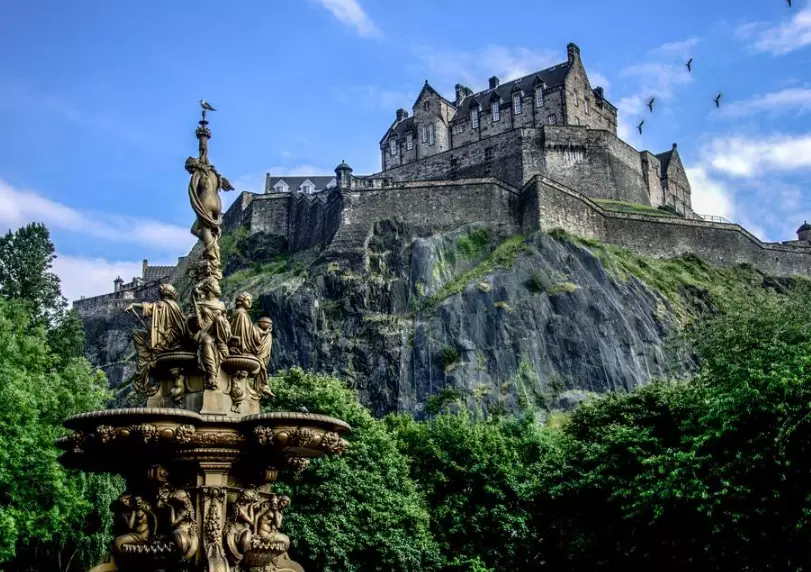
It's popular for a reason. The Old and New Towns are a UNESCO World Heritage site for good cause. Walking the Royal Mile is a must, but get off it. Wander down the closes (alleyways), climb Calton Hill for the view, and explore Stockbridge for a village feel. The castle is impressive, but it's expensive and can feel like a tourist conveyor belt. Arthur's Seat, the ancient volcano in Holyrood Park, is free and gives you the best view in the city.
My take? Spend 2-3 days here. Don't just rush through.
Glasgow: The Gritty, Creative Heart
If Edinburgh is the postcard, Glasgow is the real living room. It's grittier, friendlier, and has an incredible art and music scene. The Kelvingrove Art Gallery and Museum is fantastic and free. The architecture, from Charles Rennie Mackintosh's masterpieces to the modern Riverside Museum, is worth the trip alone. The food scene is also arguably better and more diverse than Edinburgh's. It's a brilliant counterpoint to the capital.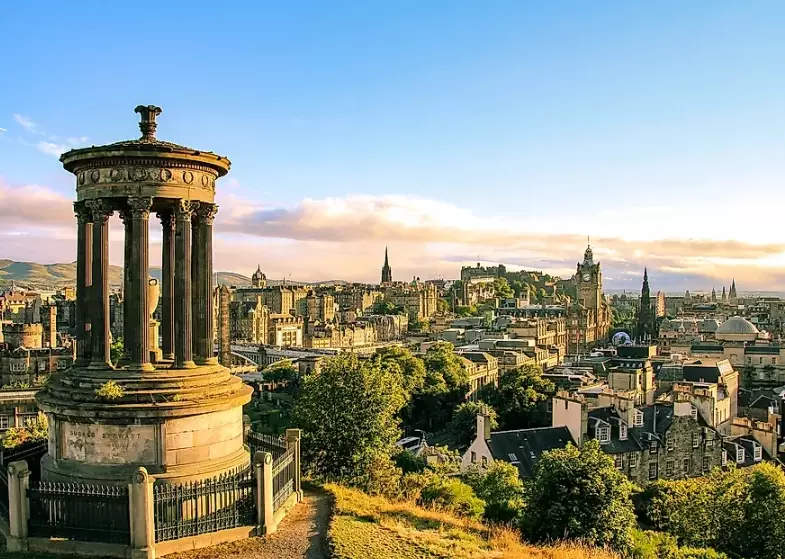
The Scottish Highlands: The Soul of the Country
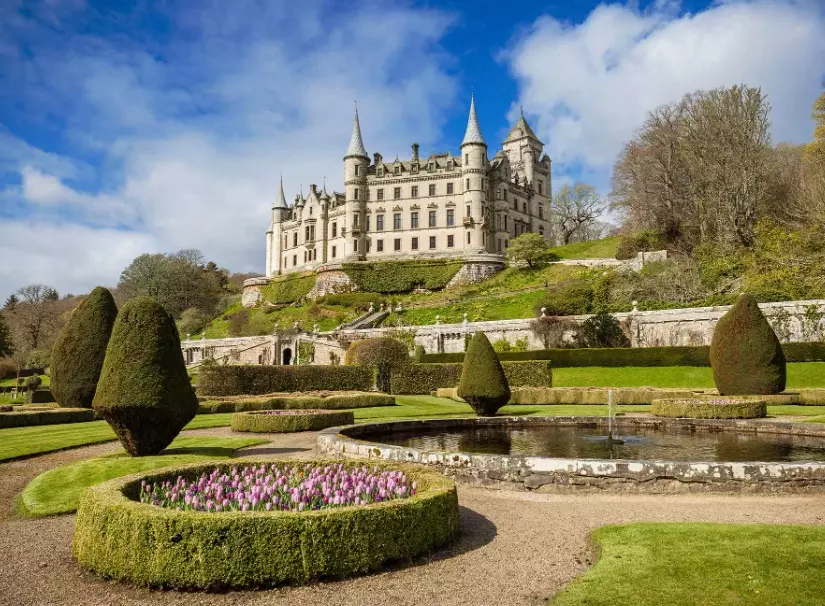
This is what you see in the movies. Vast, empty landscapes, deep lochs, and towering mountains. The key here is not to just drive through, but to stop and immerse.
- Glen Coe: It's not just a pretty valley. It's a place of haunting history (the 1692 massacre). The drive through is stunning, but pull over at the Three Sisters car park and go for even a short walk to feel its scale.
- Isle of Skye: Yes, it's busy. The Fairy Pools, the Old Man of Storr, Neist Point lighthouse—they're famous for good reason. But the magic of Skye is found when you get away from the main sights. Take a walk on the quieter Trotternish ridge, or visit the coral beaches near Dunvegan. Book accommodation well in advance.
- The North Coast 500 (NC500): This 500-mile coastal route is spectacular. But it's not a race. It's become a victim of its own success, with some drivers treating it like the Nürburgring. If you do it, take at least 5 days, let locals pass, and respect single-track road etiquette. The beaches on the north coast, like Achmelvich and Sandwood Bay, are among the best in the world.
A Reality Check: The Highlands are not a theme park. Services can be sparse (gas stations are far apart, phone signal is patchy). The weather changes fast. That remoteness is part of the appeal, but you need to be self-reliant. Always have water, snacks, and a paper map in the car.
The Islands: Orkney & Shetland
Often overlooked, these northern archipelagos offer a completely different Scotland tourism experience. Orkney is a treasure trove of Neolithic history—the Ring of Brodgar, Skara Brae (a 5,000-year-old village), and Maeshowe chambered cairn are mind-blowing. It feels ancient in a way the mainland doesn't. Shetland is even more remote, with a strong Norse heritage and incredible birdlife. Both require a ferry or flight and extra time, but they're worth it for a second or third trip.
| Region | Best For | Time Needed (Min.) | Vibe |
|---|---|---|---|
| Edinburgh & Lothians | History, culture, first-time visitors | 2-3 days | Majestic, tourist-friendly, bustling |
| Glasgow & Clyde Valley | Art, music, dining, urban energy | 1-2 days | Gritty, friendly, authentic |
| Scottish Highlands | Dramatic scenery, hiking, solitude | 4-5 days | Epic, raw, remote |
| Isle of Skye | Iconic landscapes, photography | 2-3 days | Magical, popular, weather-dependent |
| Speyside & Moray | Whisky distilleries, gentle scenery | 1-2 days | Lush, flavorful, relaxed |
| Orkney Islands | Prehistoric sites, quiet isolation | 3-4 days | Ancient, windswept, unique |
Getting Around: Trains, Planes, and (Mostly) Automobiles
How you move dictates your Scotland tourism experience.
Renting a Car: This is, hands down, the best way to explore the Highlands and islands at your own pace. The freedom is unbeatable. But it's not cheap. Petrol is expensive, automatic cars cost more, and insurance for single-track roads is a must. Remember: they drive on the LEFT. The first roundabout can be terrifying. Get a small car—the roads are narrow. And for the love of all that is holy, learn how to use a passing place on a single-track road. (Hint: The one closest to you pulls in, the one going uphill has priority).
Public Transport: It's better than you might think, but it requires planning. Trains, like the spectacular West Highland Line to Mallaig (the "Hogwarts Express" route), are a destination in themselves. Buses connect most towns. You can absolutely have a brilliant Scotland tourism trip without a car, especially if you focus on cities and use tours to reach specific spots like Loch Ness or Glen Coe. Websites like Traveline Scotland are essential for planning.
Tours: A great option if you don't want to drive. Day trips from Edinburgh or Glasgow can whisk you to Stirling, Loch Lomond, or even as far as Glen Coe. Multi-day tours (like Rabbie's or Haggis Adventures) are popular with solo travelers and cover a lot of ground. You trade flexibility for convenience and local knowledge.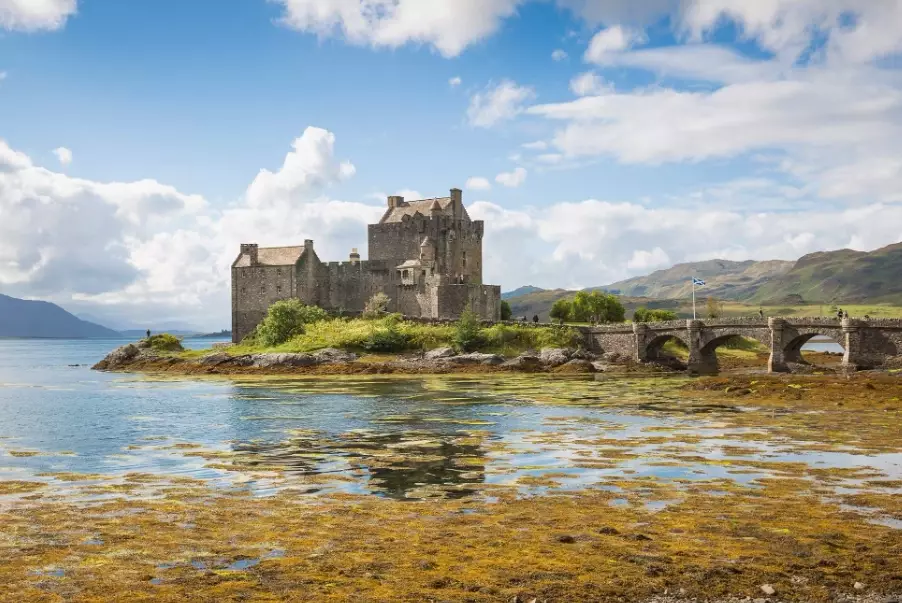
Building Your Scotland Itinerary: Sample Plans
Here’s the practical part. How do you stitch this all together? Here are two classic Scotland tourism itineraries, one for a week and one for a deeper dive.
The Classic 7-Day Introduction
This is a fast-paced but rewarding loop for first-timers.
- Day 1-2: Edinburgh. Hit the highlights, do a walking tour, climb Arthur's Seat.
- Day 3: Drive to Stirling. See the castle (it's a great alternative to Edinburgh's), then head into the Highlands. Overnight in Fort William or Glencoe area. The drive past Loch Lomond is your first taste of the scenery.
- Day 4: Explore Glen Coe & drive to Isle of Skye. Hike in Glen Coe in the morning, then cross the bridge to Skye. Overnight in Portree or a nearby village.
- Day 5: Isle of Skye. Tackle the Trotternish Peninsula loop (Old Man of Storr, Kilt Rock, Quiraing).
- Day 6: Skye to Inverness via Loch Ness. Ferry from Armadale to Mallaig (book ahead!), drive along Loch Ness (maybe a cruise), overnight in Inverness.
- Day 7: Inverness to Edinburgh via Pitlochry. Stop at a whisky distillery or the charming town of Pitlochry on the way back. Drop the car in Edinburgh.
It's a whirlwind, but it works.
The Deeper 10-14 Day Exploration
This allows you to breathe and go further.
- Day 1-2: Edinburgh.
- Day 3: Edinburgh to St. Andrews via the Fife Coast. See the famous golf course and the charming university town.
- Day 4: St. Andrews to Inverness via Speyside. Stop at a couple of whisky distilleries (like Glenfiddich or Macallan) for a tour. Overnight in Inverness.
- Day 5-6: The North Coast. Drive up to the north coast (Dunnet Head, Smoo Cave, stunning beaches). Overnight in Thurso or Durness.
- Day 7-8: Sutherland & Wester Ross. Explore the remote northwest—Scourie, Lochinver, the drive to Ullapool. This is some of the most dramatic and empty scenery in Europe.
- Day 9-10: Isle of Skye. From Ullapool, drive to Skye via the stunning Bealach na Bà pass (not for the faint-hearted!). Spend two full days on Skye.
- Day 11: Skye to Fort William. Take the ferry to Mallaig, visit Glenfinnan Viaduct (Harry Potter fans, this is your spot), overnight in Fort William.
- Day 12: Fort William to Glasgow via Glen Coe. Hike in Glen Coe, then drive south to Glasgow.
- Day 13: Glasgow. Explore the city.
- Day 14: Depart from Glasgow.
Money, Food, and Practical Stuff
Let's talk brass tacks.
Budgeting: Scotland isn't cheap. Mid-range, I'd budget £100-£150 per person per day excluding flights. That gets you a decent B&B, a rental car split between two, meals in pubs and cafes, and entry to a few attractions. Hostels and self-catering can cut costs. Fine dining in cities can blow it up. A pint of beer is £5-£6, a main course in a pub £12-£18.
Food & Drink: Forget the tired stereotypes. Yes, you should try haggis (it's delicious, trust me—like a savory oatmeal-meatloaf). But Scottish cuisine has had a renaissance. Look for fresh seafood (langoustines in Oban!), Aberdeen Angus beef, and amazing artisan cheeses. And whisky, of course. Don't just drink it—visit a distillery to understand it. The Malt Whisky Trail in Speyside is a great start.
Accommodation: Book ahead, especially in summer and on Skye. Options range from luxury castles to B&Bs (a great way to meet locals), self-catering cottages, and hostels. A "bothies" are basic, free mountain shelters for hikers—a unique experience for the adventurous.
Your Scotland Tourism Questions, Answered
Final Thoughts Before You Go
The goal of Scotland tourism shouldn't be to collect photos of every famous spot. It's about the experience. It's the smell of rain on peat, the taste of a peaty whisky after a long walk, the sound of a Gaelic song in a packed pub. It's about slowing down.
Be flexible. If the weather turns on Skye, visit a museum or a distillery instead of stubbornly hiking in a downpour. Talk to people. Scots are famously friendly and love to share stories about their home.
Do your research, but don't over-plan every minute. Leave space for the magic to happen. That's when you'll have a real Scotland tourism adventure, not just a holiday.
Last-Minute Checklist: Valid passport, UK plug adapter, waterproof jacket and shoes, driving license (and an International Driving Permit if required), booked first night's accommodation, travel insurance (crucial!), and a sense of adventure. Now you're ready.
Honestly, I'm jealous. You're about to see one of the most beautiful, complex, and welcoming countries on earth. Go have a brilliant time.

Comments
Join the discussion