Ask someone about traditional European foods, and you'll likely get a rapid-fire list: Italian pizza, French croissants, Spanish paella. But that's just scratching the surface. European culinary tradition is a living, breathing storybook written in recipes passed down through generations, shaped by geography, history, and sheer local pride. It's not a monolithic entity but a vibrant tapestry of regional identities. Understanding it means moving beyond the postcard versions and diving into the where, when, and how these dishes are truly enjoyed.
I remember my first "real" paella wasn't in a Valencia restaurant, but at a friend's family home on the coast. It was a Sunday affair, cooked over an open fire, and contained rabbit and snails—ingredients my guidebook had conveniently omitted. That's the thing about tradition; it's often messier, more specific, and more surprising than the tourist menu lets on.
Your Quick Guide to European Food
What Makes a Dish 'Traditional' in Europe?
Forget the idea of a static, unchanging recipe. Tradition here is about continuity and adaptation. A dish becomes traditional when it's woven into the fabric of daily life and celebrations for a long time, often centuries. It's tied to a specific place—the oysters from Brittany, the saffron from La Mancha, the olives from Puglia.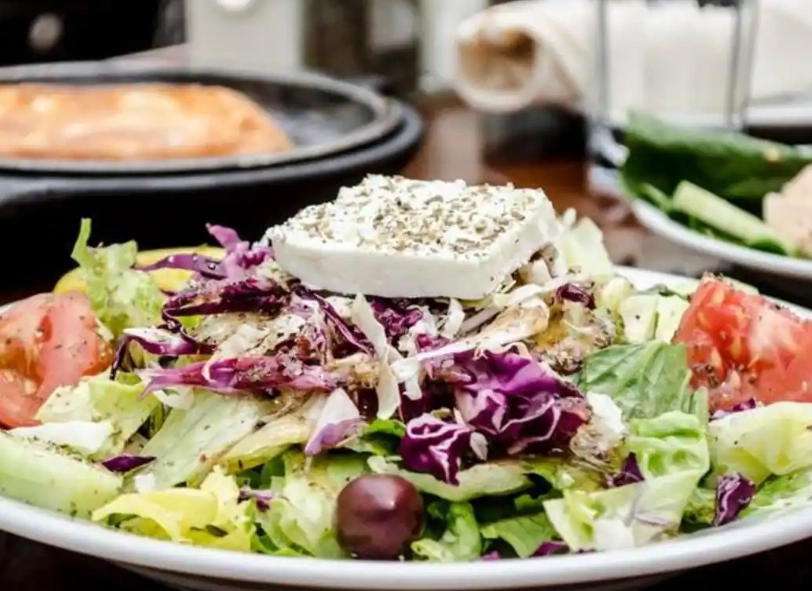
UNESCO agrees. They've inscribed several European food cultures on their Intangible Cultural Heritage list, like the Mediterranean diet (not a weight-loss plan, but a social practice centered around shared meals in countries like Italy, Greece, and Spain) and the art of Neapolitan pizza-making. This recognition isn't about the food alone; it's about the community knowledge, the seasonal rhythms, and the shared table.
A key insight most guides miss: The most "traditional" meal might not be the most famous one. In Italy, for instance, carbonara is iconic, but in many Roman homes, a simpler pasta alla gricia (just guanciale, pepper, and pecorino) is the true weeknight staple. Tradition lives in the everyday as much as in the feast day.
A Regional Tour of Must-Try Dishes
Let's break it down by region, focusing on dishes that are pillars of their local cuisine. I'll give you specifics—not just what it is, but where you might find a great version and what to expect.
Southern Europe: The Sun-Drenched Classics
This is the Europe of olive oil, tomatoes, and seafood. The flavors are bold and the ingredients are king.
Spain is a universe in itself. Beyond paella Valenciana, seek out pulpo a la gallega (Galician octopus) in Santiago de Compostela's pulperías, or jamón ibérico de bellota carved fresh from the leg in a Madrid tapas bar. For a truly local experience, head to Mercado de San Miguel in Madrid, but go early to beat the tourist crowds. A plate of jamón and a glass of sherry will cost around €12-€15.
In Barcelona, skip the crowded spots on La Rambla. For authentic Catalan cooking like esqueixada (salt cod salad) or suquet de peix (fish stew), try Can Solé in the Barceloneta district. It's been family-run for over a century. Mains range from €20-€30.
Italy's regional diversity is astounding. In Bologna, it's all about rich, slow-cooked sauces. Tagliatelle al ragù is the real deal here, not "spaghetti bolognese." Trattoria Anna Maria is a local institution. In Naples, pizza Margherita is a sacred symbol. L'Antica Pizzeria da Michele (made famous by Eat Pray Love) is the classic, but be prepared to queue. A classic margherita costs about €5-€7.
One mistake I see? Tourists ordering fish on a Monday in inland regions. Traditionally, fishermen didn't go out on Sunday, so Monday's seafood isn't the freshest. It's a small detail that reveals the old rhythms of life.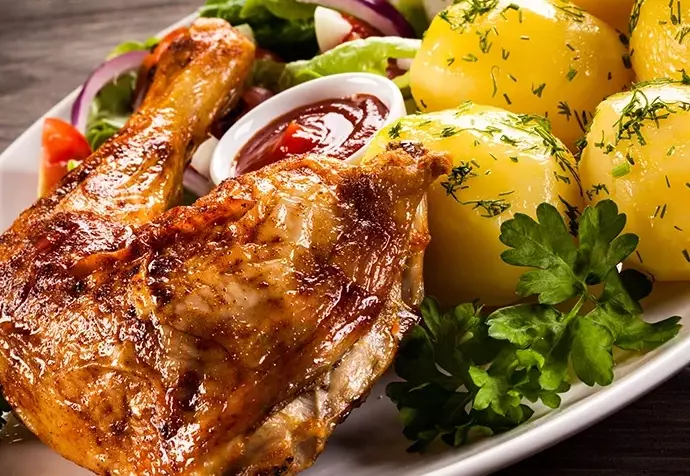
Western & Central Europe: Hearty and Refined
From buttery French sauces to robust German fare, this region balances sophistication with comfort.
France is synonymous with culinary artistry. A perfectly executed coq au vin in a Parisian bistro is a revelation. But venture to Lyon, the gastronomic capital, for dishes like quenelles de brochet (pike dumplings) at a traditional bouchon like Le Musée. In Alsace, choucroute garnie (sauerkraut with sausages and pork) is the winter warmer of choice.
Germany is far more than sausages, but they do them incredibly well. In Berlin, a currywurst from a street stand like Curry 36 is a rite of passage (under €3). In Bavaria, you must sit in a beer garden with a massive Schweinshaxe (roasted pork knuckle) and a liter of beer. It's not fancy, but it's deeply satisfying and communal.
Eastern Europe & The Balkans: Undiscovered Flavors
This is where you find some of Europe's most comforting and complex dishes, often with Ottoman and Austro-Hungarian influences.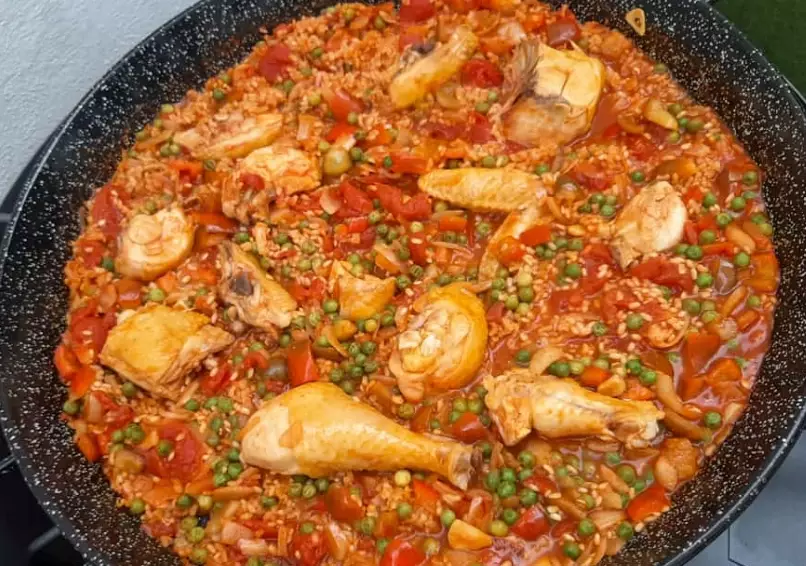
Hungary is all about paprika. Goulash (gulyás) is a rich, beefy soup, not a stew—order it as a starter. For a main, try chicken paprikash with dumplings. Budapest's Great Market Hall is a fantastic place to sample various styles.
In Poland, pierogi are the national treasure. Go beyond the basic potato and cheese; try them filled with wild mushrooms and sauerkraut (pierogi z kapustą i grzybami) at a milk bar (bar mleczny), a surviving relic of the communist era serving hearty, cheap meals. A plate might cost as little as €4.
How to Plan a European Food Tour
Turning this knowledge into an actual trip requires strategy. Here’s how to eat like a local, not just read about it.
Embrace the Local Schedule: In Spain, dinner starts at 9 PM or later. In Germany, many traditional restaurants stop serving hot food by 9 PM. In Italy, you might struggle to find a restaurant open between 3 PM and 7 PM. Respect these rhythms—they're part of the experience.
Prioritize Seasonality: Eating white asparagus in Germany in November is pointless; it's a May-June delicacy. Truffles in Italy are best in autumn. Research what's in season during your visit. It guarantees better flavor and a more authentic experience.
Mix Fine Dining with Everyday Spots: Budget for one or two special meals, but spend the rest of your time and money in markets, bakeries, casual tavernas, and family-run trattorias. That's where the soul of the cuisine lives.
A Rough Budget Framework:
- Street food / Bakery snack: €3-€8
- Casual lunch (menu del día, plat du jour): €12-€20
- Dinner at a mid-range traditional restaurant: €25-€50 per person (without premium wine)
- Food market graze: €15-€25 can get you a fantastic variety
Don't just hop between capital cities. Some of the best food experiences are in secondary cities or the countryside: Bologna over Rome for pasta, Porto over Lisbon for seafood, Lyon over Paris for bistro classics.
Your European Food Questions Answered
The journey through traditional European foods is endless. It's about tasting history, understanding people, and participating in a ritual that's much older than any of us. Start with the famous dishes, but let your curiosity lead you to the backstreets, the family homes, and the market stalls. That's where the real tradition—the one that's alive and constantly being rewritten—is waiting for you.





Comments
Join the discussion