Quick Navigation
If you're asking "what is the best month to travel to Canada?", here's the honest truth: it depends entirely on what you want. But after a decade of crisscrossing this country—from the rocky coasts of Newfoundland to the snowy peaks of the Rockies—I've found that September consistently delivers the best balance for most travelers. Let's dive into why, and how to pick your perfect time.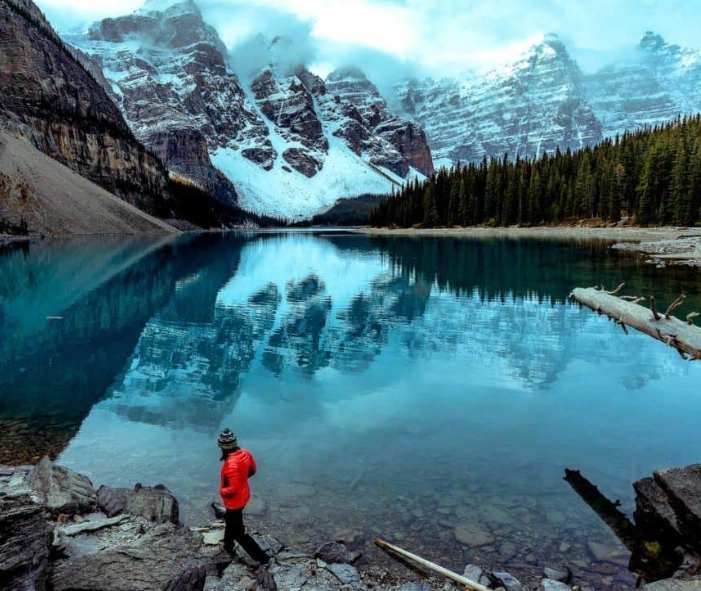
Understanding Canada's Seasons
Canada's vast size means weather varies wildly, but generally, you've got four seasons to consider. Each has its fans and flaws.
Spring (March to May)
Spring is a tricky one. In March, much of Canada is still shaking off winter. I visited Toronto in early April once, expecting blooms, but got slush instead. By May, things warm up, especially on the West Coast. Vancouver's Stanley Park is lovely then, with cherry blossoms in full swing. But here's a tip many miss: spring can be muddy for hiking. Trails in Banff might be closed or slippery until June. If you go, pack waterproof boots and check park updates from Parks Canada.
Summer (June to August)
Summer is peak season for a reason. Days are long, festivals abound, and everything's open. But crowd-wise, it's a zoo. I remember hitting Niagara Falls in July—the view was stunning, but the crowds made it feel like a theme park. Admission to the Falls' attractions like Journey Behind the Falls runs around $25 per adult, and it's open daily 9 AM to 9 PM. For national parks, summer means full access but also packed parking lots. If you must go summer, book accommodations months ahead; hotels in Banff can hit $300/night easily.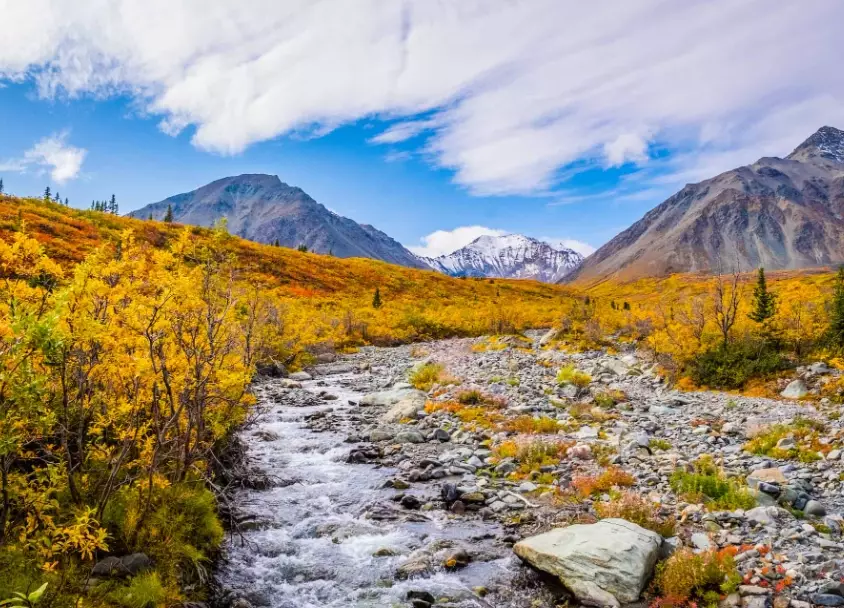
Fall (September to November)
This is my personal favorite. September brings crisp air, fewer tourists, and stunning fall colors. In Quebec City, the foliage turns the old town into a postcard. I stayed at Fairmont Le Château Frontenac (1 Rue des Carrières) in late September; rates dropped to $250/night from summer's $400. The weather's mild—perfect for hiking or city strolls. October can get chilly, especially up north, but for most, fall hits the sweet spot.
Winter (December to February)
Winter is for the brave or the ski-obsessed. Temperatures can plunge below -20°C in places like Winnipeg, but if you layer up, it's manageable. Whistler, BC, is a winter paradise with ski passes around $150/day. I've also chased the northern lights in Yellowknife—a magical experience, but bundle up! The downside: short days and potential flight delays. If you hate cold, stick to coastal BC where winters are milder.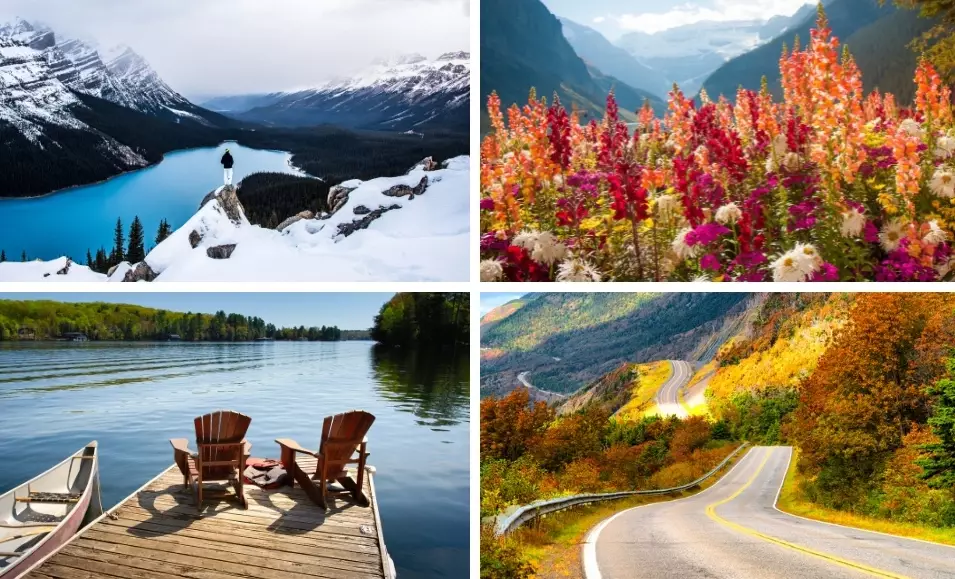
Month-by-Month Breakdown
To simplify, here's a table comparing key months. Prices are averages from my experience and industry reports like those from Destination Canada.
| Month | Weather | Crowds | Avg. Flight Price (from US) | Top Activity |
|---|---|---|---|---|
| January | Cold, snowy | Low | $400 | Skiing in Whistler |
| April | Cool, variable | Medium | $450 | Cherry blossoms in Vancouver |
| July | Warm, sunny | High | $600 | Festivals like Calgary Stampede |
| September | Mild, crisp | Medium | $500 | Fall foliage tours |
| December | Cold, festive | Medium | $550 | Christmas markets in Quebec |
Notice how September stands out? It's not the cheapest, but the value for weather and crowds is hard to beat. July might seem ideal, but I've seen families struggle with overbooked tours and inflated prices. A common mistake is assuming all of Canada is equally cold in winter—coastal regions like Victoria often hover around 5°C, making them year-round destinations.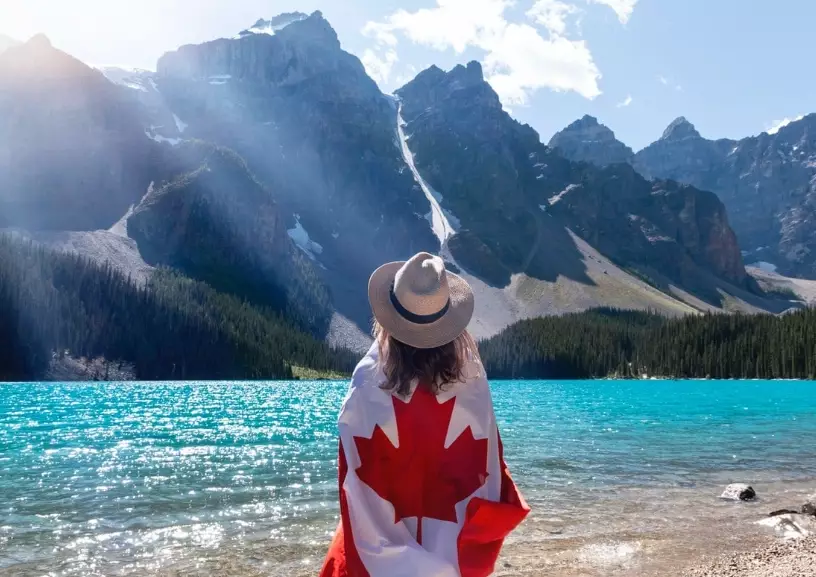
Regional Variations
Canada isn't a monolith. Where you go changes the best month dramatically.
West Coast (British Columbia)
Thanks to the Pacific, BC has mild winters and dry summers. Vancouver is great almost any time, but for hiking the Sea-to-Sky Highway, aim for June or September to avoid summer traffic. I once drove it in August and spent hours in jams—not fun. Whistler's ski season runs November to April, with peak snow in January.
Central Canada (Ontario and Quebec)
Toronto and Montreal shine in fall. September to October offers pleasant temps for exploring CN Tower (tickets around $40) or Old Montreal. Winter here can be harsh, but Quebec City's Winter Carnival in February is worth braving the cold. Spring is wet, so pack an umbrella.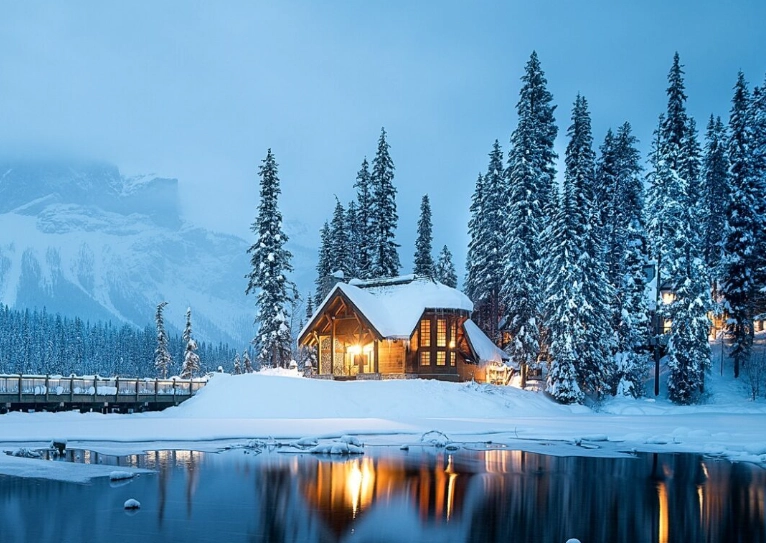
Atlantic Canada (Nova Scotia, Newfoundland)
This region is best in summer and early fall. I visited Halifax in August and loved the coastal drives, but September brought cheaper lobster rolls and emptier trails. Winters are stormy, so avoid unless you're into cozy inns.
Northern Territories (Yukon, Northwest Territories)
For northern lights, visit between September and March. I went to Whitehorse in October and saw incredible auroras, but days are short. Summer offers midnight sun but fewer aurora chances. It's a trade-off.
Practical Tips for Choosing Your Month
Think beyond weather. What activities matter to you? If you're a festival-goer, summer's your jam—but book early. For budget travelers, January and February offer flight deals, though you'll face cold. A pro tip: use shoulder seasons (May-June, Sept-Oct) for discounts and fewer people. I've saved up to 30% on hotels in Banff by visiting in late May versus July.
Also, consider regional events. Canada Day on July 1st means cities are packed, but it's a blast if you love parades. For nature lovers, check park websites for trail conditions—spring thaw can limit access.
Sample Itineraries
Let's make this concrete with two scenarios.
Scenario 1: Family Trip in Summer
Fly into Toronto in early July. Spend a day at Niagara Falls (address: 6650 Niagara Parkway, open daily). Book a hotel nearby like the Marriott Fallsview ($200/night). Then drive to Algonquin Park for camping—reserve sites months ahead. Total cost for a week: around $3000 for a family of four, including flights.
Scenario 2: Couple's Fall Getaway
Fly to Vancouver in late September. Rent a car and drive to Banff. Stay at the Rimrock Resort Hotel (address: 300 Mountain Avenue, prices drop to $250/night). Hike Johnston Canyon—less crowded than summer. End in Calgary for a relaxed vibe. Budget: $2500 for two, with flights.
I did the fall trip last year and loved the solitude. Summer would've been more expensive and hectic.
Frequently Asked Questions
Ultimately, the best month depends on your priorities. If I had to pick one, September wins for its balance of weather, crowds, and value. But whatever you choose, Canada's beauty shines year-round—just pack accordingly and book early. Safe travels!




Comments
Join the discussion