Quick Navigation
- The Big Picture: Overall South Korea Tourism Numbers
- Where Everyone Goes: Top Destinations Within South Korea
- Who Visits and When: Demographics and Seasonality
- The Money Trail: Tourism Spending and Economic Impact
- Reading Between the Data Lines: What This Means for Your Trip
- Common Questions Answered by South Korea Tourism Statistics
- Beyond the Numbers: The Human Side of the Data
Let's be honest, when you're planning a trip, you probably look at pretty pictures and watch exciting vlogs. But have you ever stopped to look at the actual South Korea tourism statistics? I didn't either, until I tried to book a hotel in Myeongdong during what turned out to be peak season and found everything either sold out or triple the price. That's when I realized the numbers aren't just for government reports or business analysts—they're a secret weapon for smarter travel.
These statistics paint a vivid picture of when people go, where they crowd, how much they spend, and even why they choose Korea. It's the behind-the-scenes data that can help you avoid the worst crowds, find better deals, and understand the rhythms of the country you're about to visit. Whether you're a K-drama fan heading to filming locations or a foodie chasing the best bibimbap, these South Korea visitor statistics offer clues you won't find in any standard guidebook.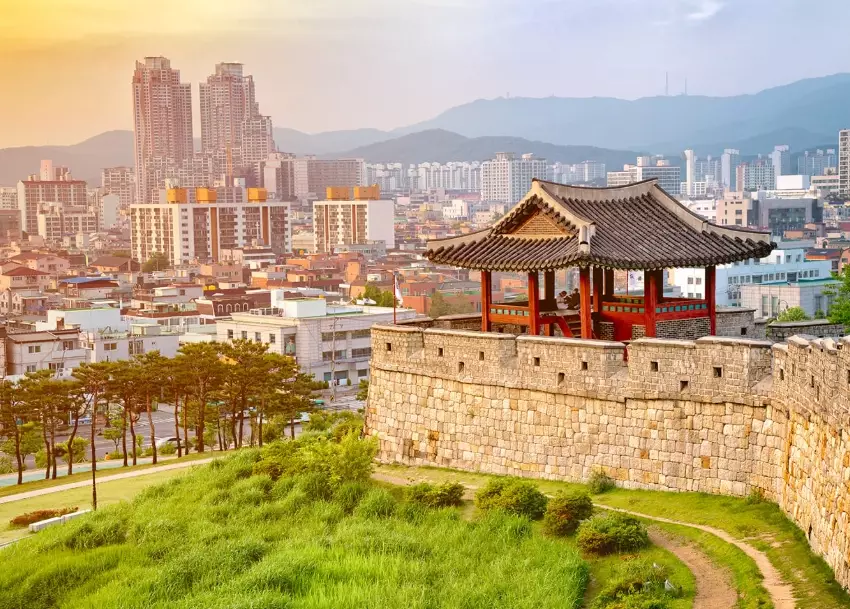
The Core Insight: South Korea tourism statistics show a remarkable recovery and transformation post-pandemic. It's not just about getting back to 2019 levels; travel patterns, visitor demographics, and spending habits have shifted in fascinating ways. Understanding these shifts is key to planning a trip that matches the current reality, not pre-pandemic guidebooks.
The Big Picture: Overall South Korea Tourism Numbers
To get our bearings, we need to start with the total visitor count. This is the most basic piece of South Korea travel data, and its story is a rollercoaster. The peak before the global hiatus was in 2019, with the Korea Tourism Organization (KTO) recording a staggering 17.5 million international arrivals. Then, as you'd expect, the numbers plummeted. But the rebound has been aggressive and telling.
By the end of 2023, international arrivals had surged back to approximately 11 million. That's not quite the 2019 high, but the trajectory is steep and significant. The monthly breakdowns are even more interesting. They show that recovery wasn't uniform—it was led by specific markets and fueled by specific events. For instance, the latter half of 2023 saw monthly figures sometimes matching or even briefly exceeding 2019 levels for those same months, a clear sign of pent-up demand finally being released.
What drives these millions? The historical data points to a few consistent engines: the relentless global wave of Hallyu (the Korean Wave), featuring K-pop and dramas; competitive air connectivity; and a well-oiled tourism infrastructure that makes independent travel relatively easy. Lately, there's a new catalyst: post-pandemic "revenge travel." People who delayed their Seoul dreams for three years finally had the chance to go, and they did in droves.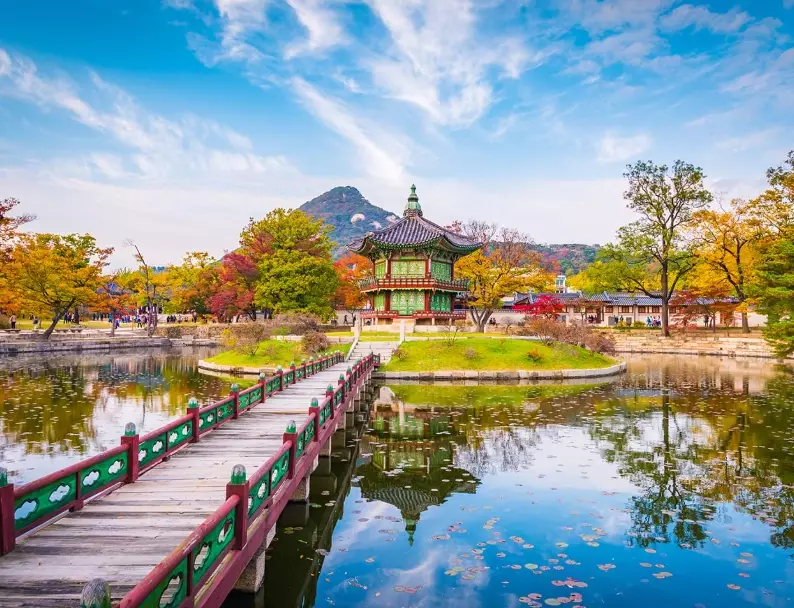
| Year | International Tourist Arrivals (Approx.) | Key Influencing Factor |
|---|---|---|
| 2019 (Peak Pre-Pandemic) | 17.5 Million | Strong Hallyu influence, stable global travel |
| 2020 | ~2.5 Million | Severe pandemic travel restrictions |
| 2021 | ~1.5 Million | Strict quarantine requirements in place |
| 2022 | ~3.2 Million | Restrictions easing in the latter half |
| 2023 | ~11.0 Million | Full reopening, pent-up demand, revenge travel |
One thing I find curious looking at this table is how resilient the desire to visit Korea seems to be. Even a global shutdown couldn't erase it, just postpone it. The latest South Korea tourism statistics prove the destination's fundamental appeal is intact, maybe even stronger. But where are all these people actually going?
Where Everyone Goes: Top Destinations Within South Korea
This might not surprise you, but Seoul absolutely dominates the destination stats. It's the primary port of entry, the cultural heart, and the media capital all rolled into one. Based on surveys and hotel occupancy data, a vast majority of first-time visitors—I'd estimate well over 90%—spend at least a few nights in Seoul. The city isn't just a stopover; it's the main event for most itineraries.
But the story gets more nuanced when you look at where people go after Seoul, or where repeat visitors head. The second-tier cities show fascinating trends in the regional South Korea visitor statistics.
- Seoul: It's in a league of its own. Districts like Gangnam, Hongdae, and Myeongdong are perpetually buzzing. The concentration of tourists in specific neighborhoods can feel overwhelming, honestly. I remember a Saturday evening in Myeongdong where moving down the street was a slow, shuffling crowd. The data explains why.
- Busan: Korea's vibrant coastal second city has cemented itself as the clear number two. Its beaches, seafood culture, and distinct atmosphere draw a significant portion of visitors. The Haeundae Beach area in summer shows tourist density that rivals Seoul.
- Jeju Island: This semi-tropical island has always been a favorite for domestic tourists, and its international profile keeps rising. It's particularly popular with visitors from China and Southeast Asia looking for a resort-style experience. The statistics often show Jeju having a different seasonal pattern, less peaked in fall and more sustained through warmer months.
- Incheon: Often lumped in with Seoul due to the airport, but it's building its own identity. Songdo International Business District and Chinatown are drawing more purpose visits.
- Gyeongju: The "museum without walls" is the top historical destination. Its numbers are lower than major cities but incredibly steady, attracting a niche of culturally focused travelers.
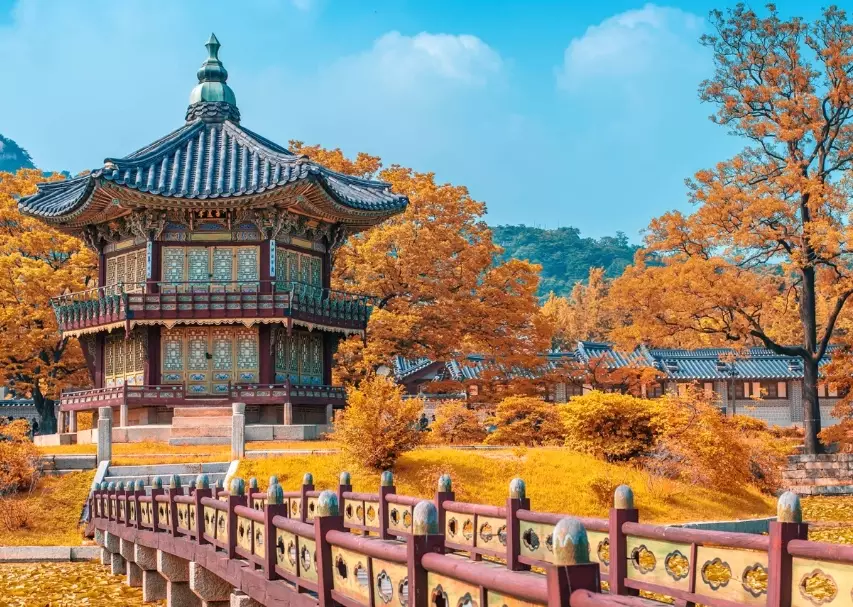
Pro Tip from the Data: If you want to escape the most intense crowds suggested by South Korea tourism statistics, look at the shoulder seasons for these top destinations. Also, consider basing yourself in a less tourist-centric Seoul neighborhood like Seongsu-dong or Hannam-dong and commuting to the hotspots. The vibe is different, and you'll get a more local feel.
Beyond these, there's a growing trend in the data worth noting: dispersal. The KTO and local governments are actively promoting lesser-known regions. You can see slow but steady growth in visitor numbers to places like the scenic Jeollanam-do province (famous for its food) or the mountainous Gangwon-do (host of the 2018 Winter Olympics). It's a positive sign that the tourism landscape is slowly broadening.
Who Visits and When: Demographics and Seasonality
This is where South Korea travel data gets really practical for your planning. Let's break it down.
Where Visitors Come From (Top Source Markets)
The ranking of source countries has seen some shuffling recently. For years, China, Japan, and Taiwan were the undisputed top three. While they remain crucial, the recovery has been uneven. As of the latest available South Korea visitor statistics, the order often looks like this:
- Japan: Traditionally a massive market due to proximity and cultural exchange. Recovery here has been strong.
- China: Previously the number one source by a huge margin. Its return has been slower due to various factors, including economic conditions and flight capacity, but it's picking up pace dramatically. When it fully rebounds, the overall South Korea tourism statistics will jump significantly.
- United States: A consistently strong and growing market. Visitors from the US tend to stay longer and have higher daily spending, making them a highly valued segment.
- Taiwan & Southeast Asia (Thailand, Vietnam, Philippines): These markets are incredibly robust, often driven by Hallyu fandom and affordable travel packages.
Why does this matter to you? Because it affects everything. Flight availability and prices, the languages you'll hear on the street, even the types of souvenirs shops stock. A surge in visitors from a particular region can temporarily change the atmosphere in major tourist zones.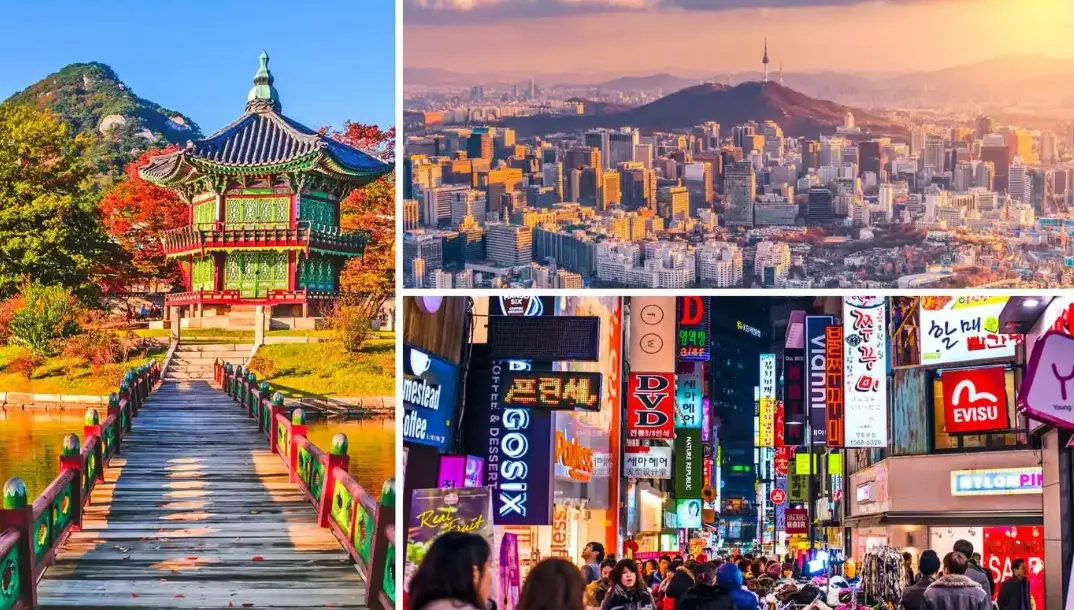
The Best and Worst Times to Go (According to the Numbers)
Seasonality is a huge factor. The aggregate South Korea tourism statistics reveal very clear peaks and valleys.
Peak Seasons (High Crowds, High Prices):
- Late September - November: This is the absolute king of peak seasons. The autumn foliage is a massive draw. The weather is perfect. I made the mistake of going in late October once, thinking "how bad could it be?" The palaces were so packed it was hard to see the architecture, and hotel prices were frankly painful.
- April - Early May: Cherry blossom season. Need I say more? It's a short, manic period where certain spots (like Jinhae or Yeouido Park) become a sea of people. The data shows a sharp, concentrated spike.
- July - August: Summer vacation for many Northern Hemisphere countries and for Koreans. While the heat and humidity can be oppressive, families travel. Beaches and resorts are at full capacity.
Shoulder Seasons (Good Balance):
- May (post-blossom) - June: Pleasant weather, fewer crowds than the spring peak. A personal favorite.
- December (pre-Christmas): The winter chill sets in, but the crowds thin out before the holiday/New Year's spike. You can find good deals.
Low Season (Fewer Crowds, Potential for Great Deals):
- January - February (excluding Lunar New Year): It's cold. Very cold. But if you don't mind bundling up, you'll have places like Gyeongbokgung Palace almost to yourself. The South Korea tourism statistics confirm this is the quietest time for international arrivals.
- Late June - Early July: The humid rainy season (jangma) deters many. It can be a gamble with daily downpours, but the green landscapes are lush, and cities feel less hectic.
My own worst travel planning blunder was overlapping with both a Korean public holiday (Chuseok) and the autumn peak. Trains were sold out weeks in advance, and every mid-range hotel was booked. I ended up in a overpriced, underwhelming business hotel far from everything. The data was screaming a warning I didn't bother to listen to. Learn from my mistake!
The Money Trail: Tourism Spending and Economic Impact
Tourism is a major economic engine for South Korea, and the spending statistics are closely watched. Total tourism revenue took a hit during the pandemic, of course, but the recovery in spending has been impressive. Interestingly, per-capita spending has shown an increase in some reports. Why? It seems travelers are splurging more on experiences, quality food, and shopping after years of being cooped up.
Breakdown of where the money goes, according to expenditure surveys:
- Shopping: Still the single largest category. This includes everything from luxury cosmetics in duty-free shops (a huge sector) to K-pop albums in Myeongdong and skincare products in Olive Young. The shopping-centric nature of tourism here is hard to miss.
- Accommodation: A major cost, especially in Seoul. The data shows a growing interest in unique stays—designer hotels, traditional hanok guesthouses, and premium resorts—which pushes the average spend up.
- Food & Drink: Korean cuisine is a primary attraction. Spending on dining out is significant and growing. From street food to high-end Korean BBQ, food is a non-negotiable part of the budget.
- Local Transportation & Tours: This includes everything from KTX train tickets to day tour fees to local subway rides.
- Entertainment & Culture: Tickets to concerts, theme parks (like Lotte World or Everland), palace entrances, and museum fees.
The government's official KTO statistics page provides detailed monthly and annual breakdowns on these figures if you're really into the economic angle. For the average traveler, the key takeaway is this: South Korea can be traveled on a budget, but it's also very easy to spend a lot, especially in Seoul. The market caters to all levels, from backpacker hostels to seven-star hotels.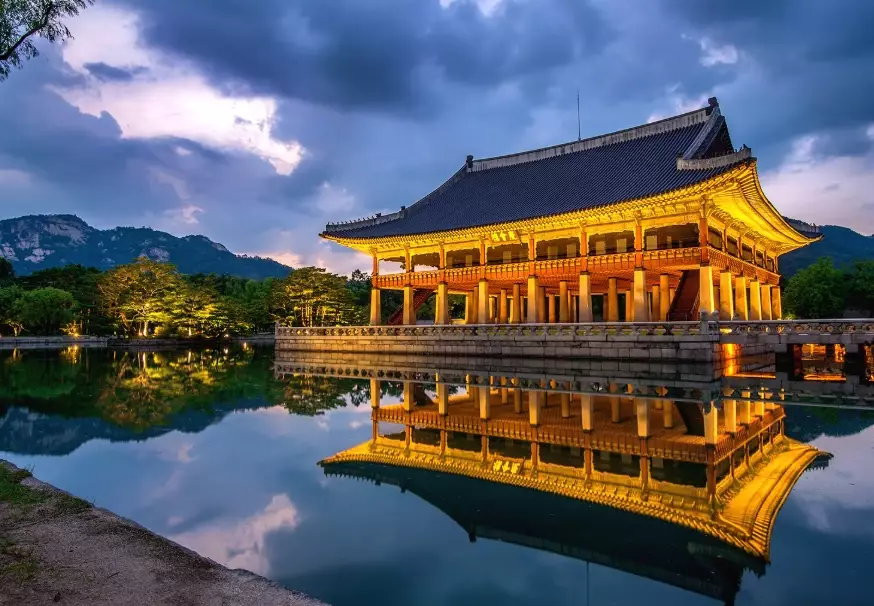
Reading Between the Data Lines: What This Means for Your Trip
Okay, so we have all these numbers. What do you actually do with this South Korea travel data? Let's get practical.
First, book flights and hotels way in advance if you're traveling during a peak period identified in the statistics. We're talking 4-6 months for autumn, 3-4 months for cherry blossom season. The data doesn't lie about demand.
Second, use the seasonality data to manage expectations. Going in peak autumn? Accept that famous sites will be crowded. Build a schedule that hits major sights right at opening time or uses pre-booked tickets (which many places now offer online). Consider adding a day-trip to a less crowded nearby city (like Suwon or Chuncheon) to break up the intensity.
Third, let the spending data guide your budget. If shopping is a low priority for you, your daily costs will be much lower than the average. But don't underestimate how much you might spend on amazing food—it's worth budgeting extra for.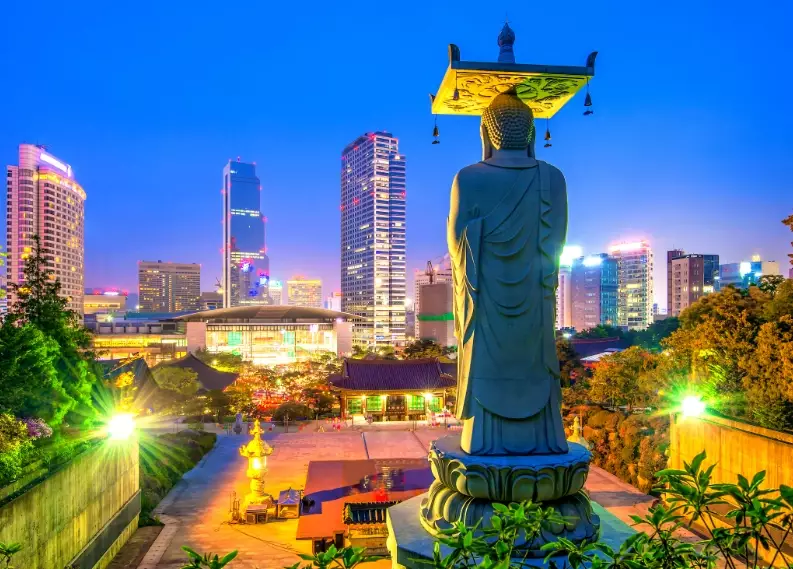
Common Questions Answered by South Korea Tourism Statistics
Has tourism in South Korea fully recovered to pre-pandemic levels?
Not quite in total annual numbers, but it's getting very close and has exceeded 2019 levels in certain months. The recovery trajectory is strong and steady. The latest South Korea tourism statistics indicate a full recovery is imminent, likely within the next year or two, barring any new global disruptions.
What is the single busiest month for tourism in South Korea?
Historically, October, due to the perfect autumn weather and foliage. However, April (cherry blossoms) and August (summer holidays) are also extremely busy. The monthly data published by the KTO shows very clear spikes during these periods.
Are there any emerging destinations that the statistics highlight?
Yes, there's a noticeable push and gradual growth in regions outside the classic Seoul-Busan-Jeju triangle. Areas like Jeollanam-do for food tourism, Gangwon-do for nature and sports, and the Chungcheong region for cultural heritage are seeing increased promotional efforts and a slow uptick in international visitor numbers. It's a trend worth watching in future South Korea visitor statistics reports.
How can this data help me save money on my trip?
The data directly points to the low seasons (deep winter, rainy season). Traveling during these times almost guarantees lower flight and hotel prices. Additionally, understanding that shopping is a major expenditure category might make you more mindful of your budget in advance.
Where can I find the most official and up-to-date South Korea tourism statistics?
The most authoritative source is the Korea Tourism Organization (KTO) official website. They have a dedicated statistics section with monthly and annual reports. For broader arrival/departure data, the Korea Immigration Service also publishes entry/exit figures. Always cross-reference with recent news, as the post-pandemic landscape is still evolving rapidly.
Beyond the Numbers: The Human Side of the Data
Staring at spreadsheets of South Korea tourism statistics can feel dry. But every number represents a person with a suitcase, a camera, and an expectation. The surge in late 2023? That was families reuniting, fans finally seeing their favorite band's hometown, food lovers tasting real kimchi for the first time.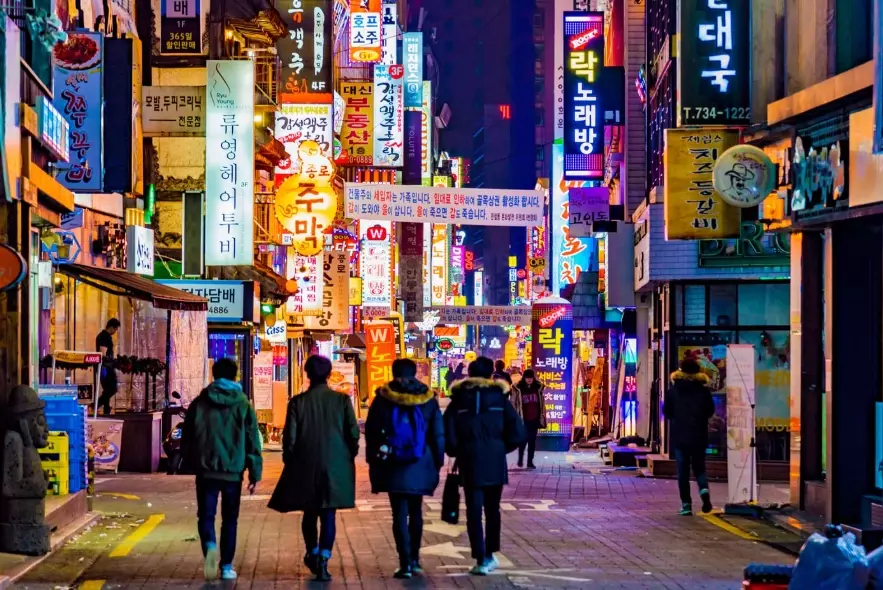
The data also hints at challenges. Overtourism in specific neighborhoods like Myeongdong or Insadong is a real concern. Residents can feel displaced, and the authentic local culture can get buried under a layer of souvenir shops targeting outsiders. As a traveler, being aware of this is part of being responsible. Maybe choose a local restaurant in a back alley instead of the crowded one on the main strip. Visit a lesser-known palace like Unhyeongung instead of just Gyeongbokgung. Use the data to disperse your impact, not concentrate it.
Finally, remember that statistics are a rear-view mirror. They tell you what has happened. Your trip is about what will happen. Use this South Korea travel data as a compass, not a rigid map. Let it guide you away from the biggest crowds and price gouges, but leave room for the spontaneous discoveries that no dataset can predict—the quiet temple you stumble upon, the amazing street food stall with no English menu, the friendly local who shows you their favorite spot.
The ultimate goal of understanding these South Korea tourism statistics isn't to engineer a perfect, frictionless trip. It's to remove the major logistical headaches so you have more mental space and time to enjoy the imperfect, wonderful, human experience of actually being there.
Final Thought: The numbers show a destination in high demand, with clear seasonal rhythms and evolving visitor patterns. By paying attention to the story these South Korea visitor statistics tell, you move from being a passive tourist to an informed traveler. You can anticipate crowds, budget realistically, and choose your timing strategically. In short, you take control of your experience, using cold, hard data to create a warm, memorable journey.



Comments
Join the discussion