In This Guide
- Why Asia? Let's Get Real About the Appeal
- Where to Go? Breaking Down Asia's Top Destinations
- Your Asia Tourism Budget: A Realistic Breakdown
- The Unspoken Rules: Culture & Etiquette
- Getting Around: Planes, Trains, and Tuk-Tuks
- Staying Safe and Healthy
- Your Asia Tourism Packing List (The Essentials)
- Final Thoughts Before You Go
Let's be honest. Thinking about Asia tourism can feel overwhelming. The place is massive. We're talking about dozens of countries, thousands of islands, cultures that shift every few hundred miles, and food that will make you want to cancel your return flight. Where do you even start? Do you chase beaches in Thailand, dive into the street food of Vietnam, or get lost in the ancient temples of Cambodia?
I remember my first trip. I landed in Bangkok with a giant backpack and a guidebook that felt useless after day one. The heat hit me like a wall, the sounds were a chaotic symphony, and I had no clue how to get from the airport to my hostel without getting hopelessly lost. That was a decade ago. Since then, I've spent years traveling, living, and sometimes just wandering around this incredible continent.
Why Asia? Let's Get Real About the Appeal
You're probably considering Asia tourism for a reason. Maybe it's the photos. Maybe it's the stories from friends. The appeal is real, but it's good to know what you're signing up for.
The value for money is still unbeatable, though it's not as dirt-cheap as it was 15 years ago. You can find a delicious meal for a couple of dollars in many places. A comfortable guesthouse might cost you less than a mediocre hotel breakfast back home. This opens up travel to people who aren't millionaires.
Then there's the sheer diversity. In Europe, you travel a few hours and the language and architecture change. In Asia, you travel a few hours and the entire worldview, religion, and cuisine can transform. From the hyper-modern skyscrapers of Singapore and Tokyo to the remote hill tribes of northern Laos, the continent is a patchwork of experiences.
The food. Oh, the food. This alone is a reason to visit. It's not a single cuisine; it's hundreds. The complex broths of Vietnam, the fiery curries of Thailand, the delicate sushi of Japan, the dumpling variety of China... it's a culinary journey that never ends.
It can be crowded. Popular sites in Bali, Thailand, and Japan get swamped. It can be chaotic. The traffic in cities like Hanoi or Manila is its own unique kind of madness. And yes, there's a risk of getting "templed out" if you try to see every single ancient ruin in a week. Pacing is key.
Where to Go? Breaking Down Asia's Top Destinations
This is the big question. You can't see it all in one go (trust me, I've tried). The best approach to Asia tourism is to pick a region or a theme. Trying to do Japan and Indonesia in two weeks is a recipe for exhaustion and airport lounges.
Southeast Asia: The Classic Gateway
For first-timers, Southeast Asia is often the sweet spot. It's relatively easy to travel, incredibly friendly, and packed with iconic sights. Think of it as Asia tourism with training wheels.
Vietnam: My personal favorite for its raw energy and staggering landscapes. Travel from north to south (or vice versa). Hanoi's old quarter is pure magic. Ha Long Bay is stunning, though the overnight cruises can feel a bit like a tourist conveyor belt. The real gem? The motorbike loop around the Ha Giang province in the far north. It's challenging but the most rewarding travel experience I've had in Asia. The official tourism site, Vietnam Tourism, has good practical info on visas and regions.
Cambodia: Angkor Wat. That's the draw. And it deserves the hype—it's mind-blowing. But spend more than a day there. Get a three-day pass, explore the lesser-known temples, and wake up for a sunrise that isn't at Angkor Wat itself (try Srah Srang instead) to avoid the biggest crowds. Phnom Penh is a tough but important city to visit for its history.
Indonesia: More than just Bali. Bali is beautiful but heavily developed in the south. For a different vibe, head to the Gili Islands for snorkeling, Lombok for hiking, or Java for volcanoes and Borobudur. The Indonesia Travel official site is useful for understanding the vast scale of the country.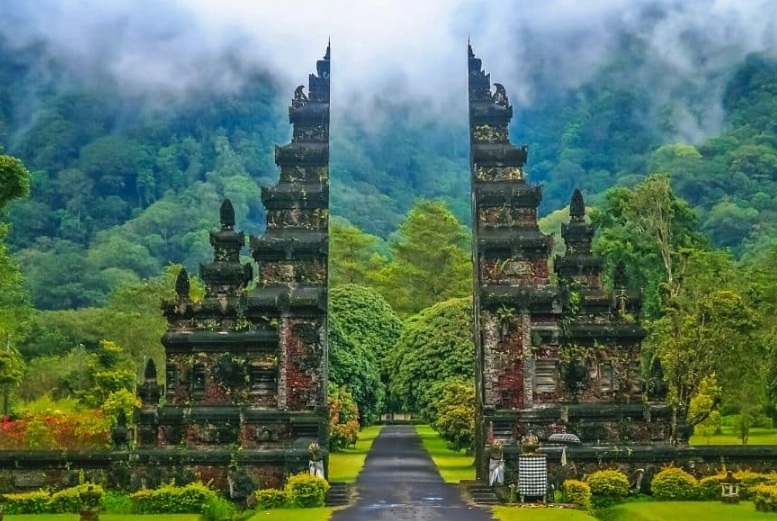
East Asia: Modernity Meets Deep Tradition
This is where you get a different flavor of Asia tourism—more organized, more high-tech, but with ancient traditions fiercely preserved.
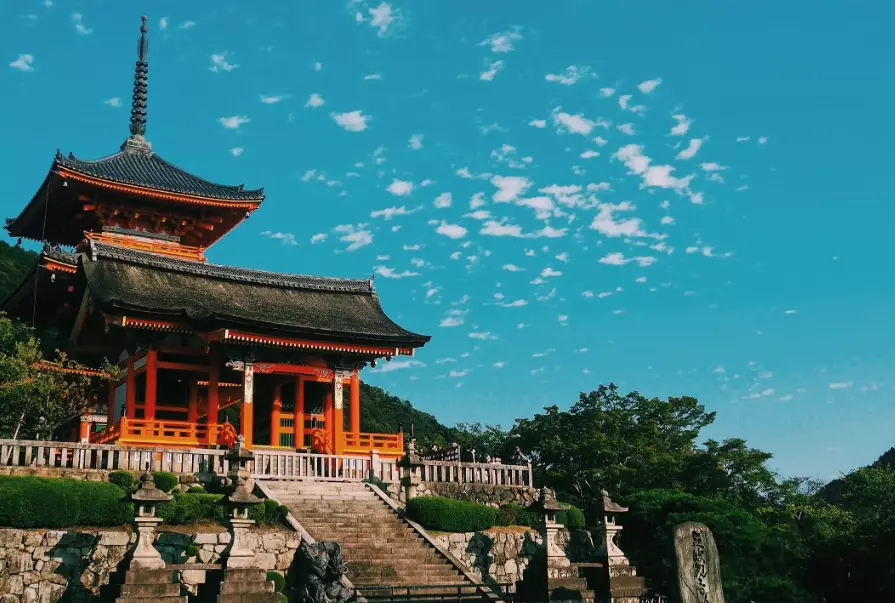
Japan: Impeccable, efficient, and fascinating. Tokyo is a futuristic wonder, Kyoto is the cultural heart, and the countryside (like the Japanese Alps or Okinawa) is serene. It's more expensive, but the quality of everything—from food to transport—is exceptional. A Japan Rail Pass used to be a no-brainer, but price hikes mean you need to calculate carefully if it's worth it for your itinerary.
South Korea: Often overlooked but massively rewarding. Seoul is a dynamic city with amazing food and cutting-edge culture. Busan has great beaches and a laid-back vibe. The hiking is fantastic nationwide.
Taiwan: A hidden gem. Incredible food night markets, friendly people, stunning natural scenery (Taroko Gorge is a must), and easy public transport. It's clean, safe, and feels manageable.
South Asia: An Intensity All Its Own
This is not for the faint of heart, but it's profoundly rewarding. Asia tourism here is more intense, more colorful, and more challenging.
India: A subcontinent unto itself. It will challenge all your senses simultaneously. You'll love it and hate it in the same hour. Don't try to "do India." Pick a region: the classic Golden Triangle (Delhi, Agra, Jaipur), the beaches and backwaters of Kerala, or the mountains up north. Research is non-negotiable here.
Sri Lanka: Like a condensed, slightly calmer version of India's highlights. Beautiful beaches, ancient ruins like Sigiriya, lush tea plantations, and incredible wildlife (leopard safaris in Yala). It's easier to travel around and has recovered wonderfully as a tourism destination.
Nepal: For the mountains and the trekking. Kathmandu is chaotic, but the second you head into the Himalayas, the peace is overwhelming. The Annapurna Circuit and Everest Base Camp treks are life-list items for a reason.
Your Asia Tourism Budget: A Realistic Breakdown
Let's talk money. "Asia is cheap" is an outdated blanket statement. Tokyo is not cheap. Singapore is not cheap. Even parts of Thailand and Bali have become pricier. But you can still travel incredibly well on a moderate budget if you're smart.
Your budget depends entirely on your style. Are you a backpacker staying in dorms and eating street food? A mid-range traveler wanting private rooms and the occasional nice meal? Or a luxury seeker?
| Country/Region | Budget Backpacker (Per Day) | Mid-Range Traveler (Per Day) | Key Budget Tip |
|---|---|---|---|
| Southeast Asia (Thailand, Vietnam, Cambodia, Laos) | $25 - $40 USD | $50 - $80 USD | Street food is king. Overnight buses save on a night's accommodation. |
| Indonesia (outside Bali resorts) | $20 - $35 USD | $45 - $70 USD | Local ferries over tourist speedboats. Eat at local *warungs*. |
| Japan | $60 - $80 USD (tight!) | $100 - $150+ USD | Use business hotel chains, convenience store meals, IC transport cards. |
| South Korea | $40 - $60 USD | $80 - $120 USD | Stay in guesthouses (*yeogwan*), utilize the superb subway. |
| India | $15 - $25 USD | $30 - $50 USD | Trains are very affordable. Book AC classes for long journeys. |
Those numbers are for everything: bed, food, transport, and some activities. Flights between countries are the big wild card. Use budget airlines like AirAsia, VietJet, or Scoot, but always read the baggage fine print.
The Unspoken Rules: Culture & Etiquette
This is where you can go from being a tourist to a respectful traveler. Asia tourism isn't just about seeing things; it's about not being an oblivious visitor.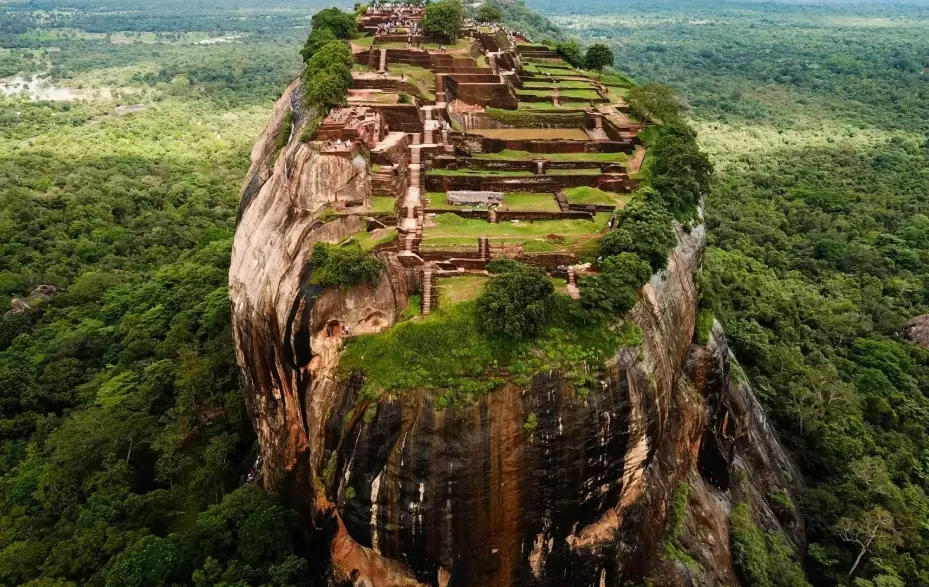
Heads are Sacred. Especially in Buddhist countries, the head is considered the highest part of the body. Don't pat people (especially children) on the head.
Dress Modestly at Temples. This means covered shoulders and knees for everyone. Many temples will lend you a sarong, but it's better to carry a light scarf. In more conservative Muslim countries like Indonesia (outside Bali) or Malaysia, this applies more broadly.
The Wai in Thailand. Don't wai (the prayer-like greeting) to everyone. Return a wai from someone older or in a service position, but you don't initiate it to waitstaff. A smile and nod is fine.
Chopstick Etiquette: Don't stick them upright in a bowl of rice (it resembles funeral rites). Don't pass food from chopstick to chopstick.
It sounds like a lot, but most of it boils down to basic respect and observation. Watch what locals do. A little effort goes a very long way in Asia tourism experiences.
Getting Around: Planes, Trains, and Tuk-Tuks
Transport is an adventure in itself.
Flights: For long distances, budget airlines are your friend. Book directly on their websites if possible. Skyscanner and Google Flights are great for finding routes.
Trains: Fantastic in some places. Japan's Shinkansen is legendary. India's rail network is an institution (book via IRCTC or a trusted agent). Vietnam has a scenic north-south line (book soft sleeper class). Thailand's overnight trains to Chiang Mai are a rite of passage.
Buses: The workhorse of Southeast Asia. Overnight sleeper buses save time and money. Quality varies wildly—from amazing VIP buses with reclining seats to local buses with chickens. 12GoAsia is a reliable booking site for Southeast Asian transport.
Tuk-tuks, Rickshaws, Grab, Gojek: For short trips. Always, always agree on a price before you get in for unmetered rides. Better yet, use ride-hailing apps like Grab (Southeast Asia) or Gojek (Indonesia). They're fixed-price, you pay through the app, and it eliminates haggling stress. This was a total game-changer for my Asia tourism comfort level.
Staying Safe and Healthy
Let's not sugarcoat it. Getting sick can happen. Traffic accidents are a real risk. But you can manage the risks.
Food: Don't be paranoid. Eat street food! But be smart. Go where it's busy (high turnover). Watch it being cooked fresh in front of you. Avoid raw veggies that may have been washed in tap water. Peel your own fruit. I got my one and only bout of serious food poisoning in Asia from a fancy hotel buffet, not a street stall.
Water: Don't drink tap water. Brush your teeth with bottled water. Avoid ice in drinks unless you're sure it's from a purified source (cylindrical ice with a hole in the middle is usually safe).
Vaccinations: See a travel doctor. Hepatitis A & B, Typhoid, and Tetanus are standard. For certain areas, Japanese Encephalitis or Rabies might be recommended. Check the CDC Travel Health site for the latest.
Scams: They exist, but are often avoidable. Common ones: the "gem scam" in Thailand (a friendly local tells you a temple is closed, takes you to a gem store), the "too-good-to-be-true" taxi fare, the "helpful" person at a train station who leads you to a private travel agency. If someone is overly friendly out of nowhere offering help with a major attraction, be skeptical. Have a plan before you arrive somewhere.
It's not for the small stuff. It's for if you break a leg trekking, get appendicitis, or need an emergency flight home. World Nomads or SafetyWing are popular with long-term travelers. Read the policy details.
Your Asia Tourism Packing List (The Essentials)
Packing light is a superpower in Asia. You'll be hauling your bag up stairs, onto boats, into tiny tuk-tuks.
- A good backpack or carry-on suitcase: 40-50 liters max. Test it fully packed before you go.
- Light, quick-dry clothing: Merino wool or synthetic blends. Cotton gets soggy and takes forever to dry.
- A solid pair of sandals: Like Tevas or Chacos, for everything from temples to showers.
- Comfortable walking shoes: You will walk more than you think.
- A sarong or large scarf: A towel, a blanket, a temple cover-up, a beach mat. The most versatile item.
- Universal power adapter with USB ports: Asia has a mix of plug types.
- A small medical kit: Band-aids, antiseptic, anti-diarrheal (Imodium), rehydration salts (the single most useful thing).
- Earplugs and an eye mask: For noisy hostels, overnight buses, and guesthouses with thin walls.
- A reusable water bottle with a filter: Like a Grayl or Lifestraw bottle. Saves money and plastic.
- Unlocked smartphone: Buy a local SIM card at the airport (cheap and easy). Data is your lifeline for maps and translation.
Answering Your Burning Questions (FAQ)
Final Thoughts Before You Go
Planning for Asia tourism can feel like drinking from a firehose of information. My biggest piece of advice? Don't over-plan. Book your first few nights and your flight out. Have a loose idea. Leave room for the magic that happens when you meet other travelers who tell you about an amazing place you've never heard of, or when a local family invites you for tea.
Embrace the chaos. Things will go wrong. Buses will break down. It will rain on your beach day. You'll order something mysterious and potentially spicy. That's not ruining your trip; that is the trip. The stories you'll tell later.
Asia has a way of getting under your skin. The smells, the colors, the overwhelming kindness of strangers, the taste of a perfect mango sticky rice on a hot night... it changes you. It broadens what you think is possible in the world.
Do your research, pack your bag, and then go get wonderfully, beautifully lost. Your adventure in Asia tourism is waiting.



Comments
Join the discussion