In This Guide
Let's be honest. When you think about Italy tourism, your mind probably floods with the same images: the Colosseum, a gondola in Venice, the Leaning Tower of Pisa. And listen, those places are famous for a reason. They're breathtaking. But if that's all you see, you're just scratching the surface of a country that has perfected the art of living over a few thousand years.
I remember my first trip. I sprinted from Florence's Uffizi to Rome's Forum in a jet-lagged haze, checking boxes. It felt more like a marathon than a vacation. The real magic happened later, on a return trip, when I got lost in the alleyways of a hill town in Umbria, stumbled upon a festival, and spent an evening with locals who cared more about the quality of their wine than the time. That's the Italy you fall in love with.
This guide is for anyone who wants more than just a checklist. We're going to talk about how to actually plan an Italy trip that feels authentic, how to navigate the glorious chaos, and how to find those moments that stick with you long after the tan fades. Forget the rigid itineraries. Let's build an adventure.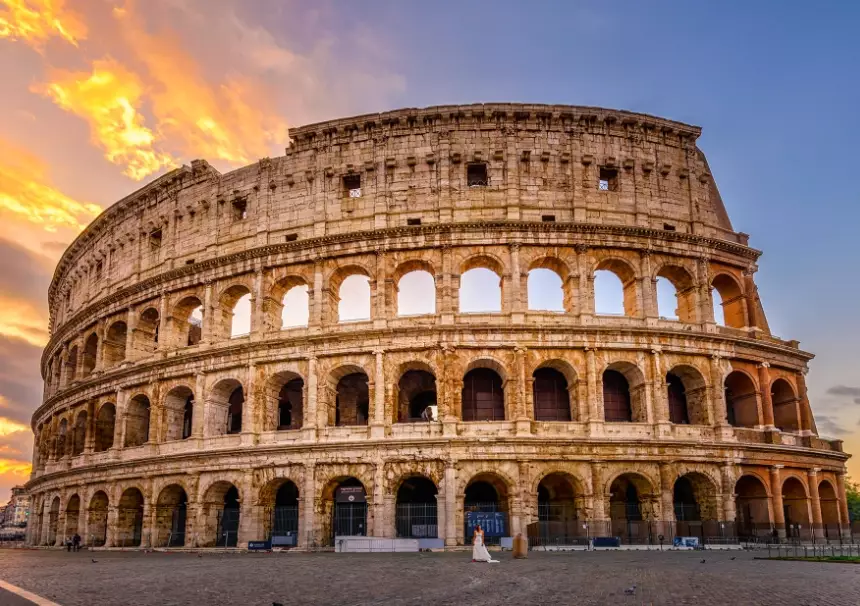
First Things First: Untangling the Italy Trip Puzzle
Where do you even start? Italy has 20 regions, each with a fiercely proud identity. Trying to "do Italy" in one go is like trying to eat a whole wheel of Parmigiano Reggiano in one sitting—overwhelming and you'll miss the nuance. The key is to choose a focus.
Pick Your Italy Vibe (The Big Three)
Most first or second trips cluster around these areas. Think of them as different flavors of the same incredible dish.
| Region/Focus | Core Experience & Vibe | Best For... | When to Go |
|---|---|---|---|
| The Classic North & Central (Rome, Florence, Venice) | Art, Renaissance history, iconic landmarks, structured tourism. Fast-paced, crowded at peaks. | First-timers, art lovers, history buffs who want the "greatest hits." | Shoulder seasons (Apr-May, Sep-Oct). Avoid July-August crowds. |
| The Scenic Countryside (Tuscany, Umbria, Piedmont) | Rolling hills, vineyard landscapes, medieval hill towns, slow food, agriturismos. Peaceful, rustic-chic. | Romantic getaways, food & wine pilgrims, photographers, anyone seeking relaxation. | Late spring (May-Jun) and early autumn (Sep-Oct) for perfect weather and harvests. |
| The Coastal & Southern Sun (Amalfi Coast, Puglia, Sicily) | Dramatic cliffs, turquoise water, vibrant street life, Greek ruins, bold flavors. Lively, hot, passionate. | Beach lovers, adventurers, foodies looking for robust flavors, summer sun-seekers. | June or September for the Amalfi Coast (July-Aug is packed). Sicily is great Apr-Jun & Sep-Oct. |
My personal bias? I'm a countryside guy. The pressure to "see everything" melts away on a terrace in Val d'Orcia. But you might be a city person who gets energy from Rome's buzz. Neither is wrong.
The Realistic Italy Tourism Budget (Let's Talk Numbers)
"How much does an Italy trip cost?" is the million-lira question. It varies wildly, but let's break down a daily mid-range budget for one person, excluding flights. This is for comfort, not luxury or shoestring.
- Accommodation: €80-€150/night for a nice hotel room or a private apartment in a central-ish location. A charming agriturismo (farm stay) might be on the lower end of this.
- Food & Drink: €40-€70/day. This covers a morning pastry and coffee (colazione), a casual lunch like pizza al taglio or a panini (€5-€10), a proper sit-down dinner (cena) at a trattoria (€25-€40), and a couple of drinks/gelatos.
- Local Transport & Sightseeing: €20-€40/day. This includes city bus/metro tickets, regional train fares between nearby towns, and entry to one major museum or site. A city pass in places like Rome or Florence can be worth it if you plan to hit several paid sights quickly.
- Miscellaneous & Souvenirs: €10-€20/day.
So, a rough daily total: €150-€280 per person.
Building Your Dream Itinerary: A Practical Blueprint
Here's a sample 10-day framework for a first-time Italy tourism circuit that balances icons with a taste of the countryside. It's intense but doable.
Days 1-3: Rome - The Eternal City's Rhythm
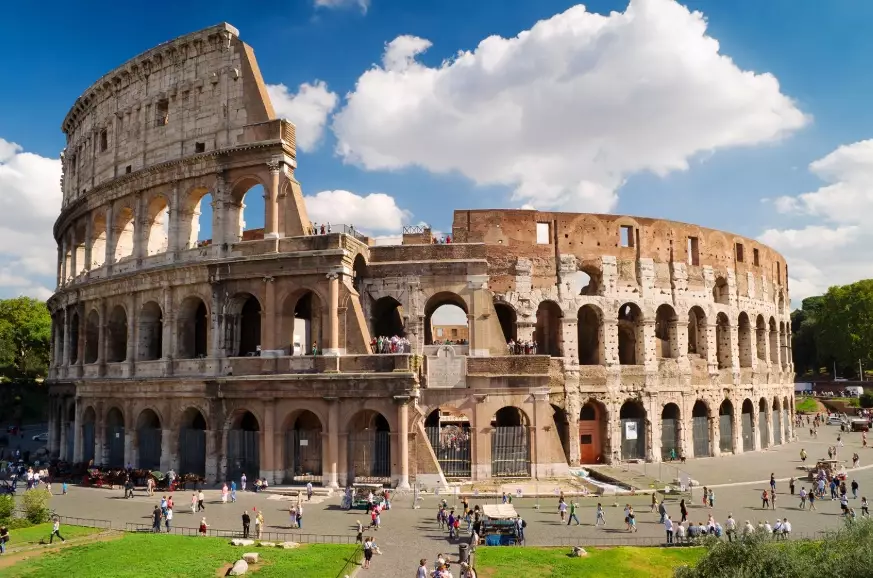
Don't try to conquer Rome. Absorb it. Book your Vatican Museums (especially the Sistine Chapel) and Colosseum/Forum tickets weeks in advance online. The official sites are Musei Vaticani and Coopculture for the Colosseum. Seriously, this is non-negotiable unless you enjoy 3-hour queues.
Spend one evening simply wandering the Trastevere neighborhood. Its cobbled streets and ivy-clad buildings come alive at night with the sound of clinking glasses and chatter from overflowing trattorias. This is where you feel the city's pulse.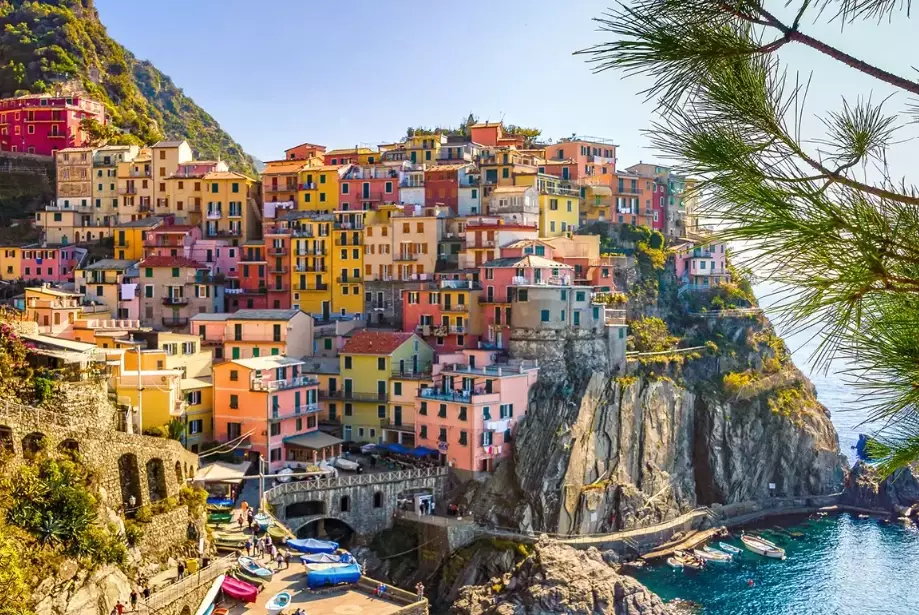
Days 4-6: Florence & The Heart of Tuscany
Take the train to Florence (about 1.5 hours). Again, book the Uffizi Gallery and Accademia (home to Michelangelo's David) ahead of time. But Florence's genius is also in its smaller museums and its food market, Mercato Centrale.
On one day, escape the city. Rent a car or join a small tour to the Chianti region or to a town like San Gimignano or Siena. This is the quintessential Tuscan landscape you've dreamed of. Have lunch at a winery. Don't rush.
I made the mistake of not leaving Florence on my first visit. Seeing the countryside made me appreciate the city's role as the capital of this incredible region.
Days 7-9: Venice & Its Unique Magic
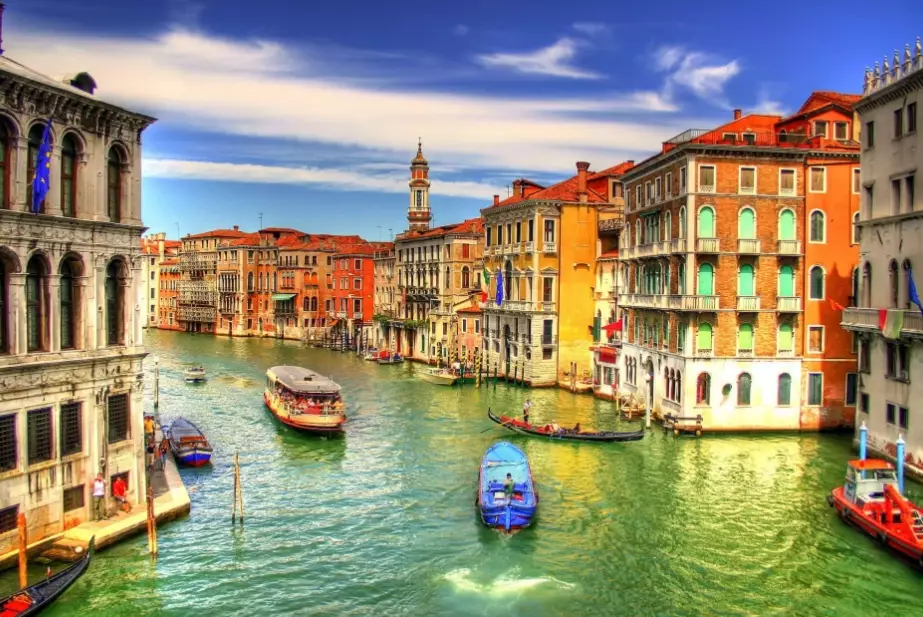
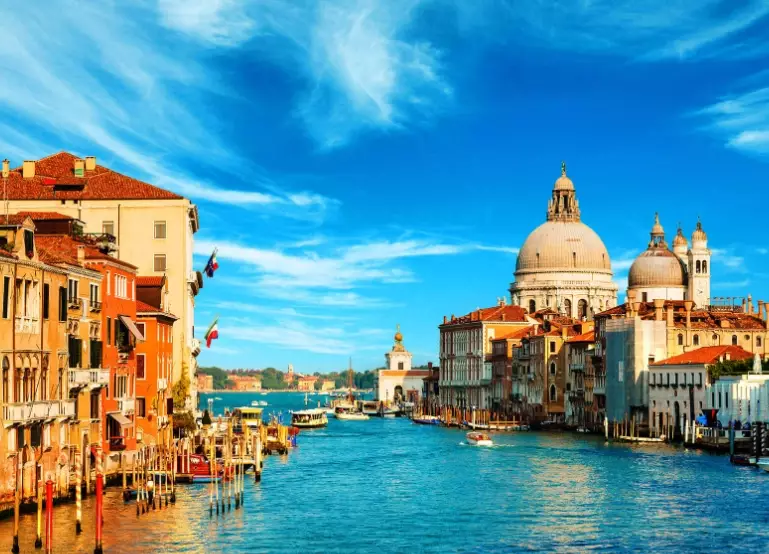
Train to Venice (about 2 hours). Venice is a polarizing place in the world of Italy tourism. It's crowded, it's expensive, and it can feel like a museum. But it's also utterly unique. The trick is timing.
Stay overnight. The day-tripper crowds leave in the late afternoon, and the city reclaims a mysterious, quiet beauty. Get lost in the canals behind the Arsenale or in the Cannaregio district. A gondola ride is a cliché, but at sunset, gliding through the back canals with just the sound of water... it's a cliché for a reason.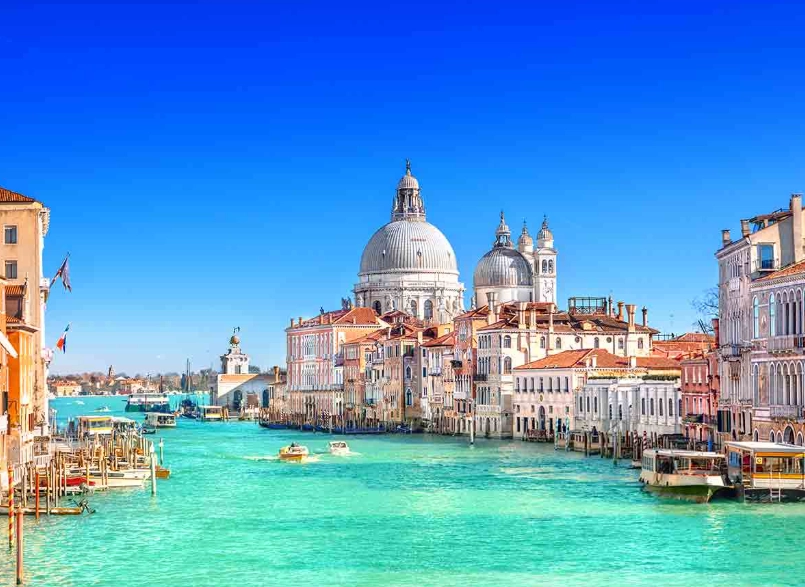
Day 10: Departure or a Bonus Stop
Fly out of Venice (VCE) or Milan (a short train ride from Venice). Alternatively, if you have more time, add the lakes (Como or Garda) or Bologna, Italy's food capital.
Going Deeper: The Stuff You Can't Google As Easily
This is where your Italy tourism experience goes from good to unforgettable.
Food Rules (That Aren't Really Rules)
- Cappuccino after 11 am? Yes, you can order it. No, the police won't come. But you will mark yourself as a tourist. Italians see it as a heavy breakfast drink. An espresso (un caffè) is the post-lunch standard.
- Ordering Pasta: Portions are often smaller than overseas, as it's a first course (primo). Don't order pasta as a main with a side. The structure is antipasto, primo (pasta/rice/soup), secondo (meat/fish), contorno (vegetable), dolce (dessert). You don't need all courses! Mix and match.
- The Magic Word is "Il Conto": You will almost always have to ask for the bill. Servers won't bring it until you do, as they don't want to rush you. Just make eye contact and say, "Il conto, per favore."
Top 5 Under-the-Radar Towns That Stole My Heart
- Matera (Basilicata): Not exactly hidden anymore, but mind-blowing. Ancient cave dwellings (Sassi) carved into a ravine. A UNESCO site that feels otherworldly.
- Orvieto (Umbria): A fortress-like town perched on a volcanic rock. An incredible Duomo, eerie underground tunnels, and less hustle than its Tuscan neighbors.
- Alberobello (Puglia): Famous for its trulli—whitewashed, conical-roofed houses that look like they're from a fairy tale. It's small but uniquely photogenic.
- Verona (Veneto): Overshadowed by Venice, but it's a gorgeous, affluent city with a Roman arena, Juliet's balcony (skip the line, just look), and a lovely, lived-in feel.
- Trieste (Friuli-Venezia Giulia): For a totally different vibe. A Habsburg-era port city with Austro-Hungarian cafes, a literary history, and a windswept, melancholic beauty. Not the "typical" Italy, which is why I love it.
Navigating the Practicalities Like a Pro
Little things cause big headaches. Let's smooth those out.
Transport: Trains, Cars, and Vaporetti
Trains are fantastic for city-to-city travel. They're fast, frequent, and often drop you right in the center. Use the official apps (Trenitalia, Italo) to buy tickets. Validate regional train tickets at the green/yellow machines before boarding to avoid a fine.
Renting a car is essential for the countryside, hill towns, and the south. But be warned: driving in historic city centers is often forbidden (Zona a Traffico Limitato or ZTL). Huge fines are enforced by camera. Park outside the walls and walk in. And get an automatic transmission if you're not confident with a manual stick—they cost more but save stress.
In cities, walk. That's the point. For longer distances, use local buses or the metro (in Rome, Milan). In Venice, the vaporetto (water bus) is your friend. Buy a multi-day travel card if you'll use it a lot.
Communicating: Do You Need Italian?
In major tourist hubs, you'll get by with English. But learning a few phrases is a game-changer for Italy tourism. A simple "Buongiorno" (good morning) before asking a question, "Per favore" (please), "Grazie" (thank you), and "Dov'è il bagno?" (where is the bathroom?) will earn you smiles and better service. Italians appreciate the effort immensely.
Your Burning Italy Tourism Questions, Answered
So, start with the framework, book those key tickets, and then... relax. Let Italy happen to you. Get a gelato, sit on some ancient steps, and watch the world go by. La dolce vita isn't in a guidebook; it's in the pace of life you adopt while you're there. Now go start planning. Your Italian adventure is waiting.
Comments
Join the discussion