You sit down at a restaurant in Rome, Barcelona, or a Parisian bistro. The menu arrives, and your eyes drift past the mains to the first section. Antipasti, tapas, hors d'oeuvres, meze, zakuski. This isn't just food you eat before the real meal. It's a statement of intent, a preview of a region's soul, and often the most memorable part of the dining experience. For many travelers, navigating this course is where the real adventure—and anxiety—begins. Let's fix that.
I've spent over a decade eating my way across Europe, from cramped Helsinki pubs serving graavilohi (cured salmon) to sun-drenched Crete tavernas with endless meze. I've also seen the common missteps. The couple ordering a single bruschetta each and missing out on the joy of sharing. The tourist grimacing at the texture of a perfectly good pâté because they expected something else. This guide is about getting it right.
What's on the Menu?
Why Appetizers Are the Heart of the Meal
In America, an appetizer is often a hefty plate of wings or spinach-artichoke dip meant to curb your hunger. In Europe, the philosophy is different. The purpose is to awaken the palate, not subdue it. It's about social lubrication—something to nibble on while you talk, sip wine, and settle into the evening's rhythm.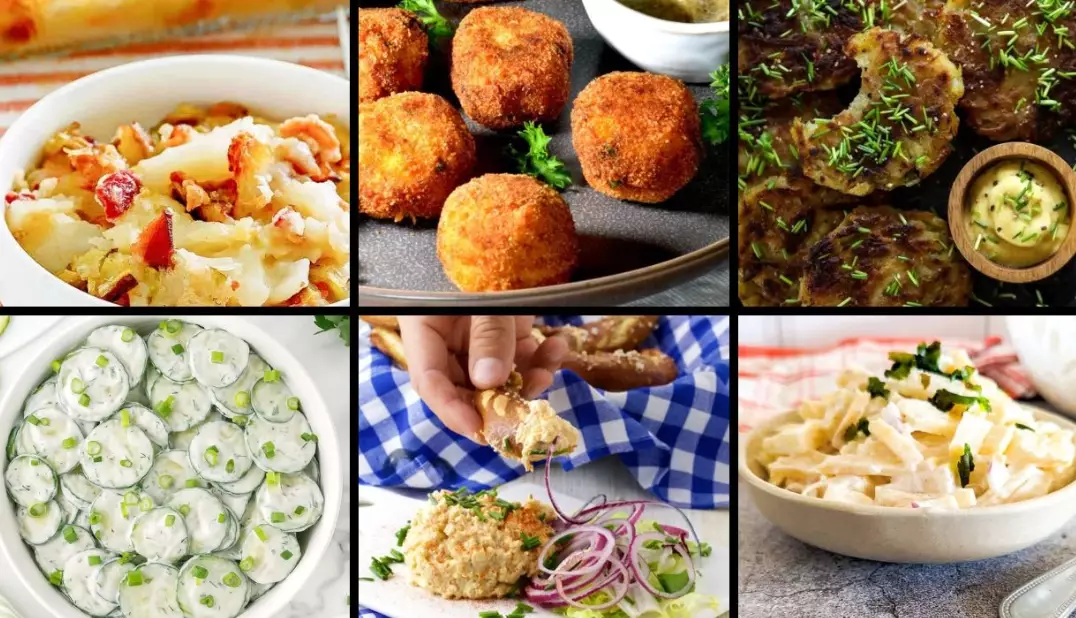
This is where you'll encounter the purest expressions of local ingredients. A sliver of Jamón Ibérico de Bellota tells a story of acorn-fed pigs roaming oak forests. A spoonful of taramasalata connects you to the Greek seas. Skipping this course means missing a fundamental chapter of the culinary narrative.
The Non-Negotiable Classics (And How to Eat Them)
Certain dishes are iconic for a reason. Here’s what you need to know beyond the name.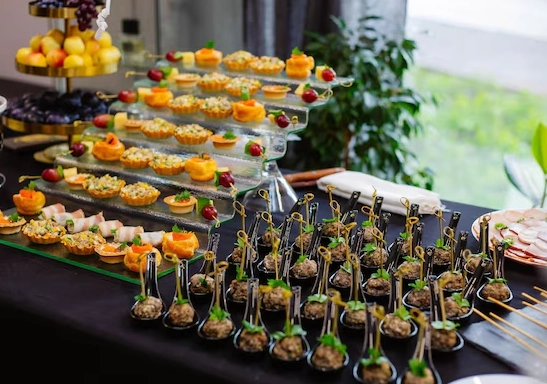
Charcuterie & Cheese Boards
This isn't just meat and cheese on a plank. There's a geography and order to it. Start with the milder meats (maybe a French jambon de Paris), move to the richer ones (Italian finocchiona salami), and save the most intense (like Spanish chorizo or salchichón) for last. With cheese, follow a similar path: fresh (goat cheese), soft-ripened (Brie), semi-hard (Gouda), hard (Parmigiano), blue (Gorgonzola). Eat them with the provided bread or crackers, not a fork. Adding a dot of chutney or honey to blue cheese is a game-changer.
Escargots (France)
The garlic-parsley butter is the star. Use the special tong to hold the shell and the tiny fork to extract the snail. Then, soak up every drop of that butter with a piece of baguette. Anyone who leaves the butter behind has missed the point entirely.
Bruschetta / Crostini (Italy)
Bruschetta is grilled bread, traditionally rubbed with garlic and topped with tomatoes. Crostini are smaller, toasted slices with more delicate toppings like chicken liver pâté or truffled mushrooms. They're finger food. Expect a bit of mess, and embrace it.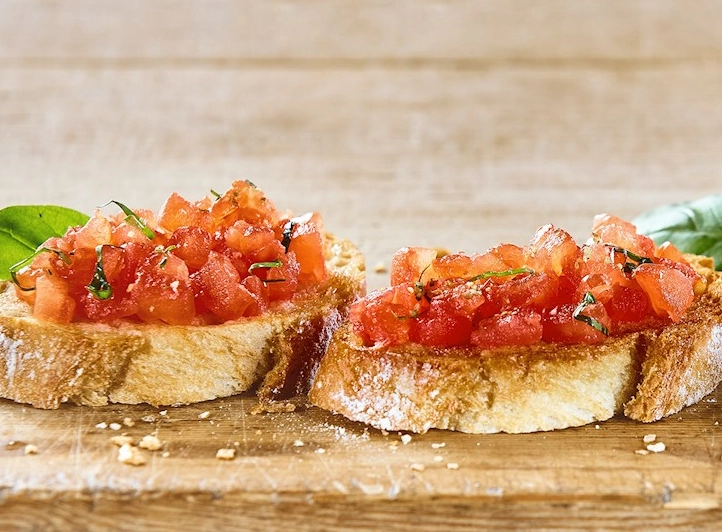
A Regional Deep Dive: From the Mediterranean to the Nordics
Europe's appetizer landscape changes dramatically every few hundred miles.
Spain: The Kingdom of Tapas & Pintxos
This is a way of life. In northern Spain (San Sebastián, Bilbao), you'll find pintxos—small bites skewered to a piece of bread. You grab what you want from the bar, and they count the toothpicks later. In Andalusia, tapas are often free with a drink. Must-tries include gambas al ajillo (garlic shrimp sizzling in oil), pimientos de Padrón (blistered green peppers), and tortilla española (thick potato omelet).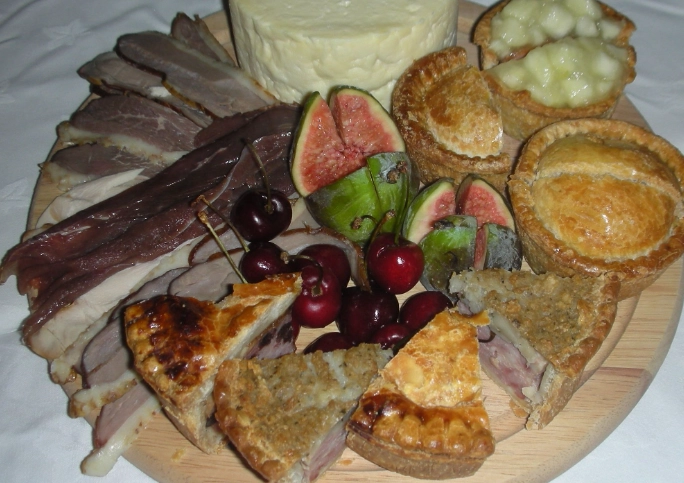
Greece & The Eastern Med: The World of Meze
A meze spread is a feast of small plates. It's communal and relentless. Key players: tzatziki (yogurt-cucumber), melitzanosalata (smoky eggplant dip), dolmades (stuffed vine leaves), saganaki (fried cheese, often flambéed). Use the pita bread as your edible spoon.
Scandinavia: Smørrebrød & Seafood Focus
In Denmark, smørrebrød is an art form: open-faced rye bread sandwiches meticulously topped. Think pickled herring with onions, roast beef with remoulade and crispy onions. In Sweden, look for gravlax with mustard sauce. It's clean, precise, and often accompanied by a crisp aquavit.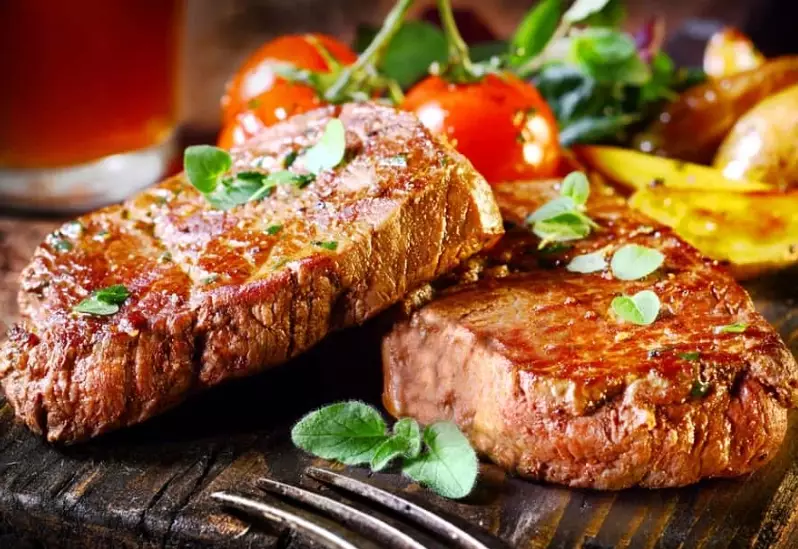
How to Order and Pair Like a Pro
Here’s the practical part. Let’s say you're with three friends.
Step 1: Assess the table. Are you in a rustic tavern or a white-tablecloth spot? The former calls for hearty, shareable platters. The latter might have more composed, delicate dishes.
Step 2: Build a balanced spread. Aim for a mix of textures and temperatures. A good combo: one cold item (a salad or crudo), one warm/rich item (something fried or baked), and one "wild card" (a local specialty you've never tried).
Step 3: Pair your drinks. This isn't rocket science. Sparkling wine (Cava, Prosecco, Crémant) cuts through fried and salty foods. A crisp, dry white like a Spanish Albariño or Greek Assyrtiko loves seafood. For charcuterie and richer cheeses, a light-bodied red like a French Beaujolais or Italian Barbera works wonders. Beer is always a perfect, no-fuss match for almost anything.
Putting It Into Practice: Three Can't-Miss Restaurant Experiences
Here are specific spots where the appetizer experience is the main event. I've eaten at all of these.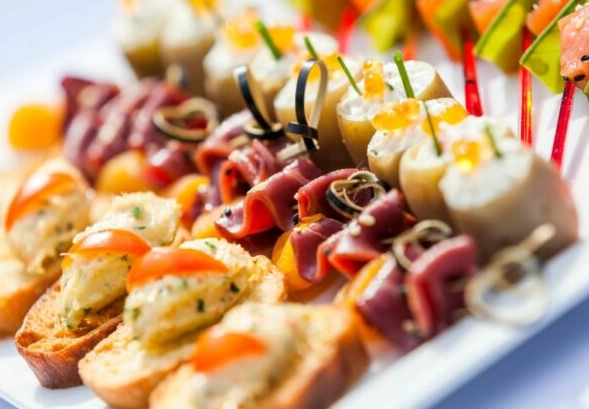
| Restaurant & Location | Must-Order Appetizer(s) | The Vibe & Practical Notes |
|---|---|---|
| La Cova Fumada Barcelona, Spain (Carrer del Baluard, 56) |
La Bomba: Their legendary creation—a potato croquette with minced meat, topped with alioli and spicy brava sauce. | A bustling, no-frills family-run bodega in the Barceloneta. No sign on the door, just look for the crowd. Cash only. Go early (opens 9 AM, lunch service starts) to avoid the peak lunch rush. It's loud, chaotic, and utterly authentic. |
| Trattoria da Cesare Bologna, Italy (Via Saragozza, 94) |
Tortellini in Brodo: The classic. Tiny meat-filled pasta in a clear, rich capon broth. This is how Bologna starts a meal. | Away from the tourist center, this is where locals go for classic Emilian cuisine. The broth is crystal clear but deeply flavorful—the ultimate comfort food. Book a day or two ahead. Expect to spend about €12-15 for this primo piatto. |
| To Psaraki Chania, Crete, Greece (Akti Enoseos) |
Mixed Meze for Two: Let them bring you a selection. It will include dakos (rusk salad), various dips, fresh grilled octopus, and local cheeses. | Right on the old Venetian harbor. Go for a late lunch (2-3 PM) to snag a waterfront table without the dinner premium. The meze here showcases the island's incredible produce. Portions are generous; the "for two" can easily feed three as starters. Service is warm but can be slow when packed—that's the point, relax. |
For more inspiration on regional food travel, the European Travel Commission often features culinary itineraries, and the Michelin Guide Bib Gourmand section is brilliant for finding quality, value-focused spots that excel at local fare.
Remember, the goal isn't to try everything once. It's to find what speaks to you, to understand the rhythm of a meal that might take two or three hours, and to participate in a ritual that's as much about connection as consumption. Your journey into European cuisine starts with that first, perfect bite.
Your Appetizer Questions, Answered
What is a common mistake tourists make when ordering appetizers in Europe?
The biggest mistake is treating the appetizer course as a personal, separate dish. In many European traditions, especially with items like a charcuterie board or tapas, they are meant to be shared communally. Ordering one just for yourself can look odd and limit your tasting experience. Another error is rushing. Appetizers set the pace; savor them with a drink before the main event. I once watched a group demolish a beautiful plate of Italian cured meats in two minutes flat while their wine sat untouched. They missed the whole point.
I'm vegetarian. What are some standout European appetizer options for me?
You're in luck. Mediterranean Europe is a treasure trove. Seek out Spanish 'pimientos de Padrón' (blistered green peppers with sea salt), Italian 'bruschetta al pomodoro' (toasted bread with tomato, basil, garlic), or French 'gougères' (cheesy choux pastry puffs). In Greece, 'dolmades' (stuffed grape leaves) and 'tzatziki' with pita are essentials. In the UK, a good vegetarian Scotch egg or a Welsh rarebit can be sublime. Always confirm with the server, as some dishes like soups or dips might use hidden meat-based stocks.
How many appetizers should a group order before the main course?
A good rule of thumb is one appetizer for every two to three people, depending on size. For a table of four, two substantial shared plates are perfect. Consider variety: one lighter (like a salad or seafood) and one richer (like a cheese plate or fried item). This provides balance and doesn't overwhelm you before the main course. The goal is to stimulate the appetite, not satisfy it completely. If you're doing a tapas or meze-style meal where small plates ARE the meal, then you can obviously order much more.
Are European appetizers generally expensive?
They can be, but value isn't always about size. A €15 plate of Iberian ham offers an authentic taste of Spain that's hard to replicate elsewhere. In casual tavernas or bistros, prices are more modest. View cost through the lens of experience and ingredient quality. A perfectly made French onion soup in Paris is worth every euro. To manage budget, focus on regional specialties where ingredients are local and therefore fresher and often cheaper. Also, remember that in places like Spain, a drink often comes with a small tapa, making it a very cost-effective way to eat.


Comments
Join the discussion