Your Antarctic Adventure Map
Let's be honest, the idea of visiting Antarctica feels a bit surreal, doesn't it? It's not like booking a trip to Paris or Bali. This is the bottom of the world, a place of mythic ice, profound silence, and wildlife that doesn't fear you. For years, I thought it was only for hardcore scientists or millionaires on superyachts. Turns out, I was wrong. Antarctica tourism has evolved, opening up in ways that are (somewhat) more accessible, though it's never going to be a casual weekend getaway.
This guide isn't a fluffy brochure. It's the conversation I wish I'd had before I started planning. We'll cut through the marketing and talk about the real stuff: how you actually get there, what it really costs, the good, the bad, and the incredibly cold. More importantly, we'll dive into how to do it right. Because visiting Antarctica isn't a right; it's a privilege that comes with a massive responsibility.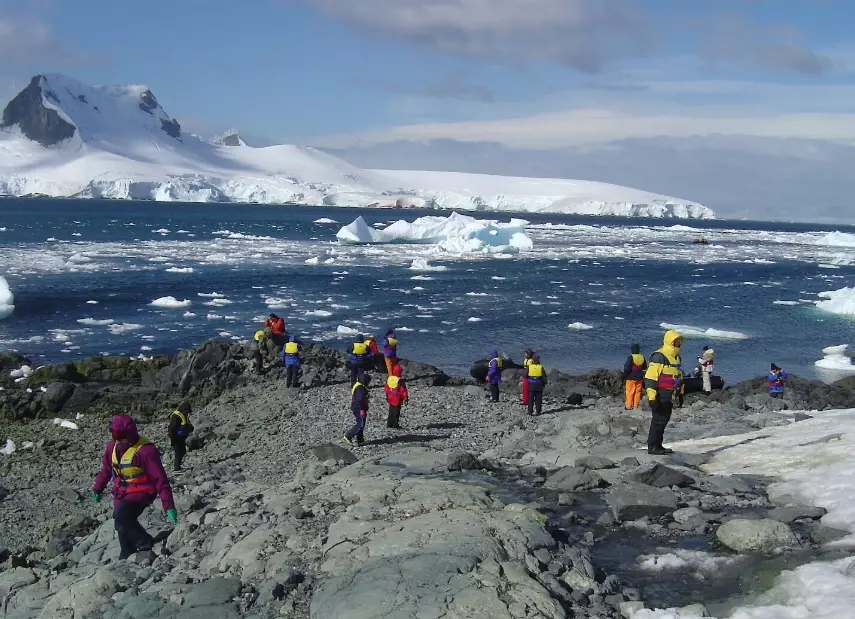
Why even go? That's the first question people ask. It's not for the nightlife, that's for sure. People go for the sheer, jaw-dropping scale of it. To see a glacier the size of a skyscraper calve into the sea. To sit quietly as a curious penguin waddles right up to your boots. To experience a landscape so raw and powerful it resets your brain. It's the ultimate adventure, but it's also a lesson in humility and conservation.
Planning Your Antarctica Trip: The Big Decisions
You can't just rock up to Antarctica. It requires more planning than any other trip you'll take. The decisions you make here will define your entire experience.
How Do You Actually Get to Antarctica?
For 99.9% of tourists, the answer is by ship from the southern tip of South America. Ushuaia, Argentina, proudly calls itself the "End of the World," and it's the main gateway for Antarctica tourism. A few expeditions leave from Punta Arenas, Chile, or even Hobart, Australia (for the much longer and rarer trips to East Antarctica), but Ushuaia is the hub.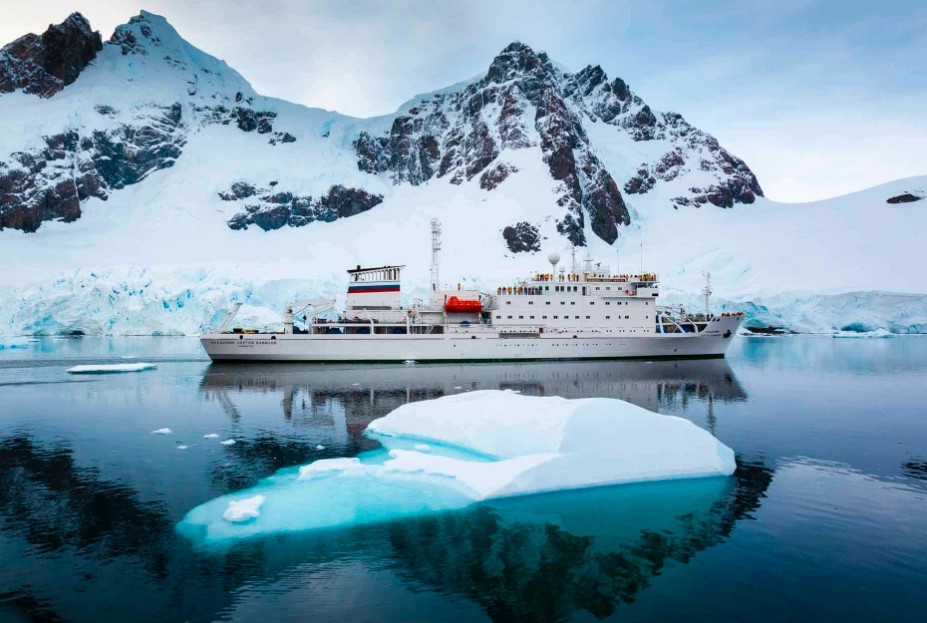
The journey across the Drake Passage is legendary. They call it either the "Drake Lake" or the "Drake Shake." I got the Shake. For 48 hours, it felt like being in a washing machine. It's part of the rite of passage. Some operators now offer fly-cruise options, where you take a 2-hour charter flight from Punta Arenas to King George Island, skipping the Drake altogether. It's more expensive, saves time, and avoids seasickness. But you know what? You also miss the feeling of truly earning your arrival. It's a trade-off.
Reality Check: The weather is the boss. Schedules are suggestions. Flights get delayed for days, ships change landing sites hourly. If you need rigid certainty, this is not your trip. Flexibility is your most important piece of luggage.
When is the Best Time to Go?
The Antarctic tourist season is short, running from late October to late March. Each period has a different character, which is crucial for planning your Antarctica travel experience.
| Season (Approx.) | What to Expect | Best For... | Potential Downsides |
|---|---|---|---|
| Late Oct - Nov (Spring) | Pristine snow, epic ice formations. Breeding season for penguins & seals; lots of courting and nest-building. | Photographers wanting dramatic white landscapes. Seeing wildlife rituals begin. | Colder. More sea ice can limit access to some areas. |
| Dec - Jan (Summer Peak) | Warmer temps (relatively!), 20+ hours of daylight. Penguin chicks hatching, most wildlife active. | Maximum wildlife activity, milder weather, best chance for camping/kayaking. | Peak season = more ships, higher prices. Snow can be slushy/muddy at landings. |
| Feb - Mar (Late Summer) | Best time for whale watching (humpbacks, orcas fattening up). Penguin chicks fledging. Less ice. | Whale enthusiasts, accessing further south. Seeing older penguin chicks. | Some wildlife dispersing. Weather can turn stormier. |
I went in February. The whale sightings were insane—we saw dozens every day. But yes, some penguin colonies were a bit, well, pungent and muddy from a season of activity. You win some, you lose some.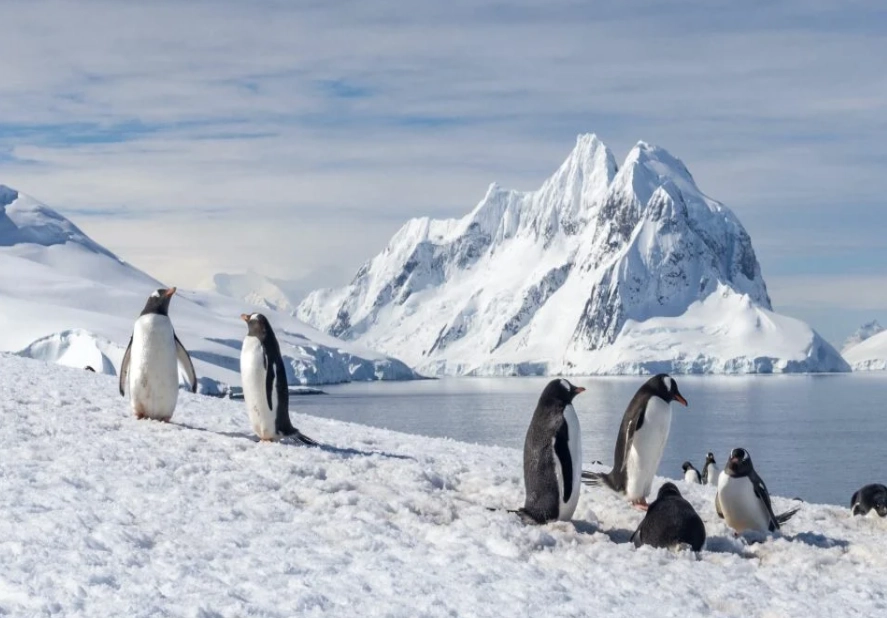
Choosing Your Expedition: Ship Size & Style Matters
This is the most critical choice. The type of ship determines your daily experience, landing opportunities, and overall impact.
Expedition ships are not cruise liners. They are ice-strengthened vessels designed for exploration. The magic number is 100 passengers. Why? The Antarctic Treaty's guidelines for landing sites state that no more than 100 people can be ashore at one time. On a ship with 500 passengers, you're waiting in line for your turn, watching others explore from the deck. On a ship with 100 or fewer, everyone goes ashore at once, maximizing your time on the continent.
- Small Ships (<100 passengers): My strong recommendation for a first-timer. Intimate, agile, everyone lands together. You feel like an explorer, not a tourist. The community vibe is strong.
- Midsize Ships (100-200 passengers): A compromise. Often more stable in rough seas, more amenities (like a spa or gym). Landings are done in rotations, which can eat into your shore time.
- Large Ships (500+): These are classic cruise ships that often just "cruise by" without offering landings (called "scenic cruises"). They're cheaper and more comfortable, but you don't set foot on Antarctica. To me, this defeats the entire purpose. If you're going, you have to get off the ship.
What Do You Actually DO in Antarctica?
It's not a sightseeing tour with a checklist. Each day is shaped by the weather, ice, and wildlife. A typical "good weather" day might look like this:
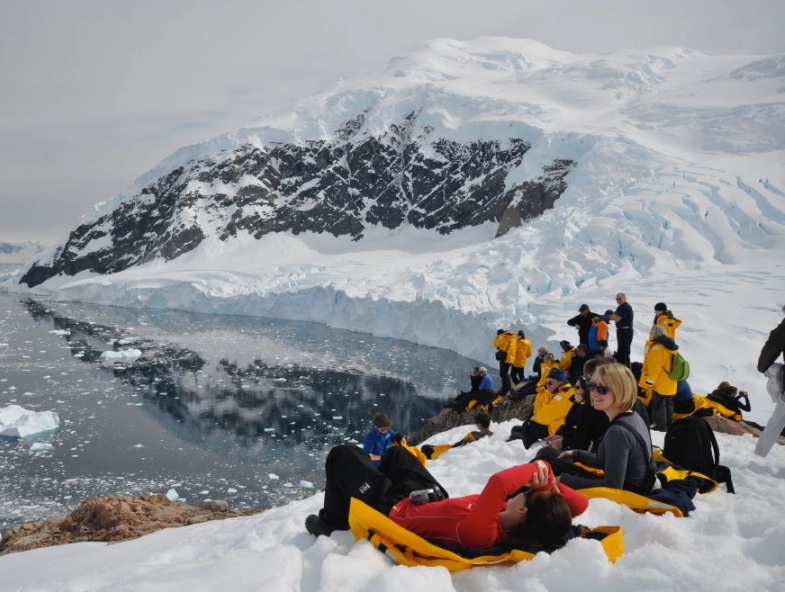
Morning: Wake up to an announcement: "Good morning, we're in Paradise Bay. There's a whale feeding off the starboard side." You scramble on deck in your pajamas. After breakfast, you suit up—expedition parka, waterproof pants, life vest—and load into inflatable zodiacs for a landing. You spend two hours wandering a penguin colony, following strict guidelines to stay on paths and keep your distance.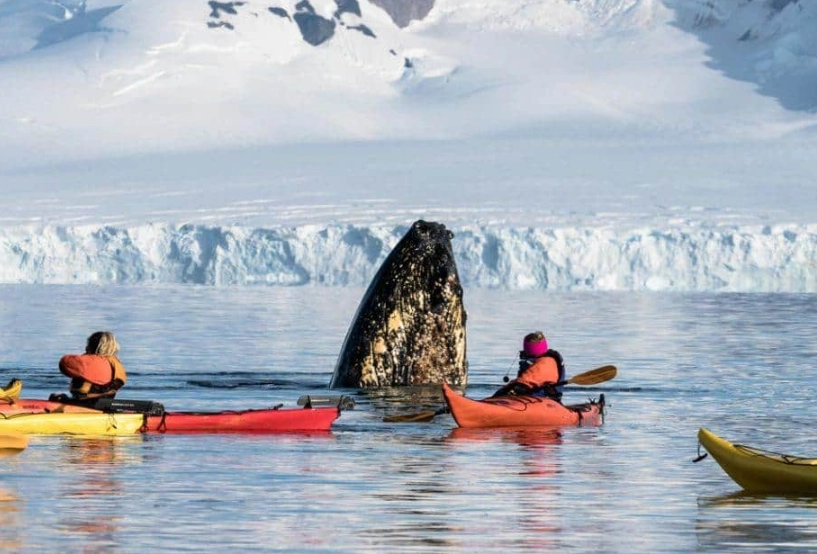
Afternoon: After lunch (and a nap for some), it's a zodiac cruise through a maze of icebergs, their blues so intense they look fake. The naturalist guide cuts the engine, and you just float in silence, listening to the crackle and pop of ancient ice.
Evening: Recap in the lounge with the expedition team, learning about the day's sightings. Maybe there's a lecture on glaciology or the history of polar exploration.
Activities Beyond the Zodiac
Most expeditions include standard landings and zodiac cruises. But for an extra fee, you can add adventure options. Book these months in advance—they sell out fast.
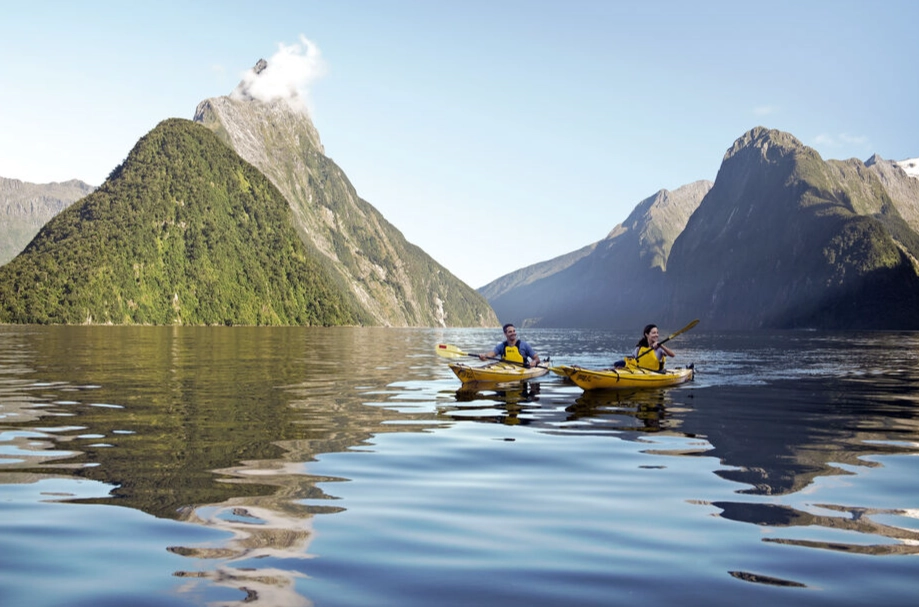
- Kayaking: Paddling silently among icebergs is a top-tier experience. You're at water level, eye-to-eye with seals on ice floes. It requires prior experience on most ships.
- Polar Plunge: A mad, screaming dash into the (just-above-freezing) Southern Ocean. It's a badge of honor. And yes, it takes your breath away.
- Snowshoeing/Hiking: Offered on some landings to get to higher vantage points.
- Camping: Spend a night on the ice! It's usually basic—you sleep in a bivvy bag—but the solitude and stars (or midnight sun) are unforgettable. This is highly regulated and limited.
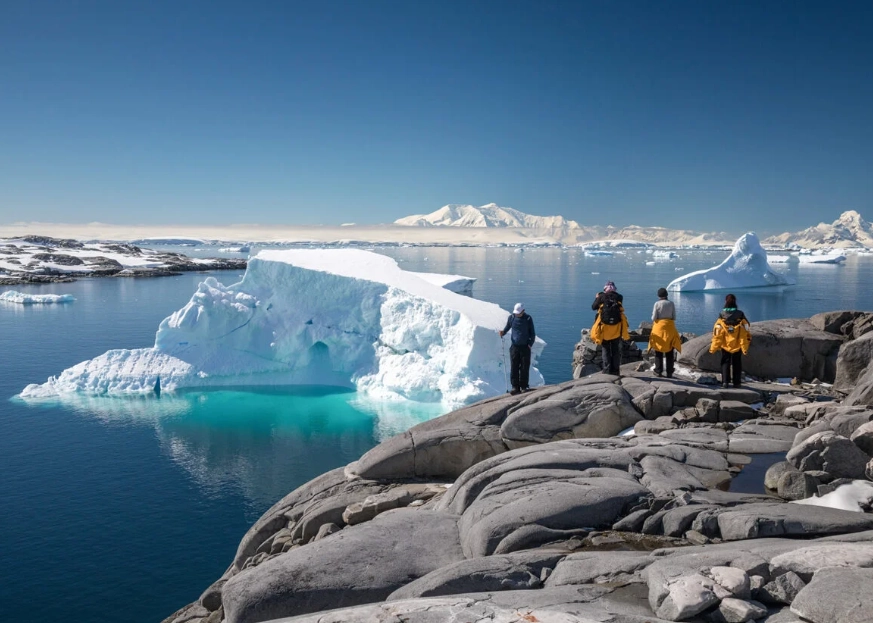
Let's talk about the penguin obsession for a second. You will see thousands. Adélie, Gentoo, Chinstrap, maybe even the regal Emperor if you're on a very specific trip. They are hilarious, clumsy on land, and mesmerizing to watch. But after a few days, you might find yourself more captivated by the seals—the grumpy Weddell, the predatory Leopard seal—or the sheer artistry of the ice. It's all part of the journey.
The Nitty-Gritty: Cost, Packing, and Rules
Here's where we get practical.
How Much Does an Antarctica Cruise Really Cost?
Let's demystify this. Budget at least $7,000 - $10,000 USD per person for the cruise alone, for a standard 10-day itinerary in a twin cabin on a small ship. That's the starting point. Last-minute deals exist, but they're rare for small ships and good cabins. You might save 20-30% by booking over a year in advance or on a "shoulder season" departure.
| Cost Factor | Budget Range (USD) | Notes & Tips |
|---|---|---|
| Expedition Cruise Fare | $7,000 - $25,000+ | Varies wildly by ship size, cabin grade, season, and trip length. Includes meals, lectures, landings. |
| Flights to Argentina/Chile | $1,000 - $2,500 | From North America/Europe. A major variable. |
| Pre/Post Trip Hotels | $200 - $500 | You'll need nights in Ushuaia before & after. |
| Adventure Activities | $300 - $1,000 | Kayaking, camping, etc. Add-ons. |
| Gear & Insurance | $500 - $1,000 | Waterproof pants, boots, gloves. Comprehensive travel insurance is NON-NEGOTIABLE. |
| Miscellaneous | $500+ | Tips for crew, souvenirs, drinks on board. |
The bottom line: For a well-planned trip on a good small ship, expect a total trip cost of $10,000 - $15,000 per person, all-in. It's a major investment.
The Ultimate Antarctica Packing List (For Real People)
You don't need a $1000 arctic expedition suit. Most operators provide a heavy expedition parka to keep (a great souvenir!) and loan you waterproof boots. Your job is the layers.
The Layer Rule: Base Layer (merino wool is magic) + Mid Layer (fleece or down vest) + Outer Layer (waterproof pants & provided parka). Avoid cotton—it gets wet and stays wet.
- Must-Haves: 2-3 merino wool thermal tops/bottoms, 2 fleece jackets, waterproof pants (with side zips—crucial for getting on/off zodiacs), warm hat, neck gaiter, two pairs of gloves (a thin liner and a waterproof outer pair), thick socks.
- Often Forgotten: High-SPF sunscreen & lip balm (the ozone hole is real, reflection off ice is fierce). Sea sickness medication (even if you think you're immune). A sturdy, dry bag for your camera on zodiacs. A big refillable water bottle. Power strip for your cabin (outlets are limited).
- Leave Behind: Formal wear, heavy hiking boots (use the provided rubber boots), anything you'd be devastated to lose overboard.
The Responsibility Factor: Sustainable Antarctica Tourism
This isn't optional. It's the core of modern Antarctica tourism. The industry is largely self-regulated by the International Association of Antarctica Tour Operators (IAATO). This organization sets incredibly strict guidelines to protect the environment. Any reputable operator will be a member. You can and should verify your operator's membership on the IAATO website.
The rules you'll live by:
- No Go Zones: Certain areas are completely off-limits to protect wildlife or fragile vegetation.
- Keep Your Distance: 5 meters from penguins and seals is the minimum. They can approach you, but you never chase or crowd them.
- Walk Only Where Directed: Guides set paths to prevent erosion and protect nesting sites.
- Leave No Trace: Absolutely everything comes back to the ship. You'll vacuum your bags and clean your boots before and after every landing to prevent cross-contamination of species or seeds.
- No Souvenirs: Not a rock, not a bone, not a feather. Everything stays.
Your choice of operator directly funds conservation and research. Many ships carry scientists, and passenger fees contribute to ongoing studies. It's a model of tourism that, when done right, acts as a guardian for the place it explores. The official Antarctic Treaty Secretariat website is a deep resource for understanding the legal framework that protects the continent.
Antarctica Tourism: Common Questions Answered
Let's tackle the big ones that keep people up at night.
Do I need a visa for Antarctica?
No, but you don't go directly to Antarctica. You transit through Chile or Argentina, so you must meet their entry requirements (which for many nationalities means a visa or reciprocity fee). Your tour operator will handle any necessary Antarctic paperwork.
Is it safe?
Reputable expedition ships are equipped for polar conditions with experienced captains and crew. The biggest risks are slips on wet decks or icy rocks, and seasickness crossing the Drake. Follow the crew's instructions, and you'll be fine. The medical risk is isolation—ships have basic infirmaries, but serious issues require evacuation, which is why good insurance is critical.
What about internet and connectivity?
Forget streaming. Most ships offer slow, expensive, and intermittent satellite internet. Embrace the digital detox. Send a few emails to let family know you're alive, but otherwise, put the phone away. The connection you should be focused on is the one outside your window.
I get seasick. Can I still go?
Probably, but plan for it. The Drake Passage is 2 days each way of open ocean. Book a cabin mid-ship and on a lower deck (less motion). Talk to your doctor about prescription patches or pills. Many people find the Scopolamine patch effective. The waters around the Antarctic Peninsula itself are usually much calmer.
Is it ethical to visit at all, given climate change?
This is the hardest and most important question. The carbon footprint of the flight and ship is significant. However, the argument for responsible tourism is powerful. Visitors become lifelong ambassadors. Seeing the cracking glaciers and hearing scientists talk firsthand about changes creates a level of understanding and advocacy that reading a report never can. The key is to choose an operator committed to sustainability, offset your flights, and travel with the lightest possible footprint. Support the NGOs working there. Turn the trip into activism.
So, should you go?
If you're looking for a luxury resort vacation, no. If you're seeking comfort and predictability, probably not. But if you're ready for an adventure that will challenge your perspectives, humble you with nature's power, and leave you with a fierce desire to protect our planet, then yes. Antarctica tourism, when done with intention and respect, is more than a trip. It's an education. It's a privilege. And it's an experience that, quite literally, gets under your skin and stays there forever.
Start by researching IAATO operators. Read reviews, not just on the company site, but on travel forums. Talk to people who have been. Save diligently. And then, go see the ice.


Comments
Join the discussion