Quick Navigation
- First Things First: Unpacking Your Singapore Trip
- Crafting Your Singapore Itinerary: Must-Sees and Local Secrets
- Where to Stay in Singapore: A Neighborhood Breakdown
- The Food Guide: Singapore's True National Pastime
- Getting Around: Beating the Heat and the Traffic
- Practical Tips, Costs, and Common Mistakes
Let's be real. When you think of Singapore tourism, you probably picture that iconic hotel pool, the futuristic Supertrees, and maybe a Singapore Sling at Raffles. And sure, those are part of the deal. But there's so much more to this little red dot than the postcard shots. Having spent a good chunk of time wandering its streets, I've come to see it as a place of fascinating contrasts – impeccably clean yet deliciously messy in its hawker centres, futuristic but deeply rooted in tradition. This guide isn't about selling you a dream; it's about giving you the practical, sometimes opinionated, lowdown you need to build your own amazing trip.
Is it expensive? Well, yes and no. Can you do it on a budget? Absolutely, with some savvy. Does it feel sterile? Only if you stick to the malls. We're going to dive into all of that.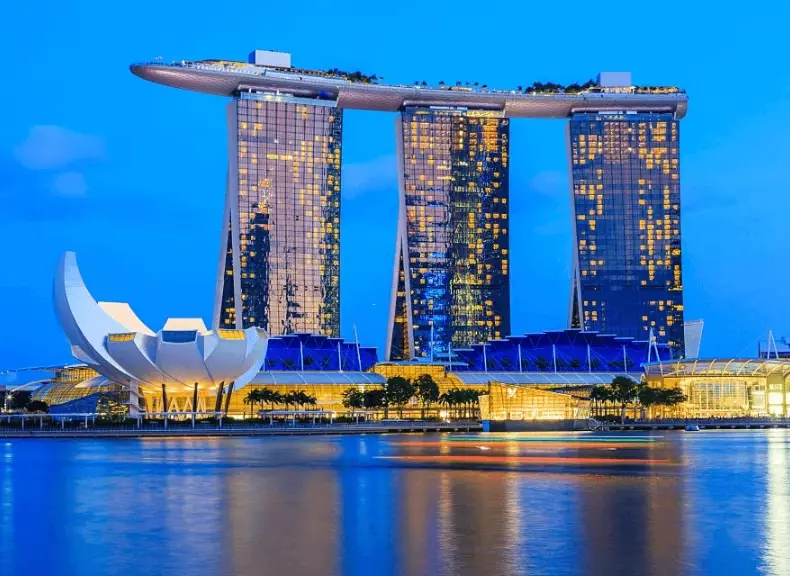
First Things First: Unpacking Your Singapore Trip
Before you even look at flights, let's get the basics sorted. This saves headaches later.
When to Go (It's Not Just About Rain)
Singapore is tropical, so it's warm and humid year-round. The main dance is between wetter and slightly less wet months. The Northeast Monsoon (Dec-Mar) brings more rain, often in heavy afternoon downpours. The Southwest Monsoon (Jun-Sep) is drier. But honestly? It can rain any day. The key is not to let it dictate your trip. Pack a small umbrella or a light rain jacket and move on.
What you should pay more attention to are events and crowds. Chinese New Year (Jan/Feb) is spectacular but books out fast and sees many local businesses close. The Great Singapore Sale (Jun-Aug) is a thing if shopping's your goal. For a relatively sweet spot with decent weather and fewer peak prices, aim for the shoulder months like February to April or July to September.
Visa, Currency, and Getting From the Airport
For many passport holders, including the US, UK, EU, and Australia, you get a 90-day visa on arrival. Always double-check the official Immigration & Checkpoints Authority (ICA) website for the latest, absolute requirements. Don't rely on third-party blogs for this info.
Currency is the Singapore Dollar (SGD). Cards are widely accepted, but hawker centres and small shops are cash kingdoms. Get some out at the airport ATM for your first taxi and meal.
Talking of the airport, Changi isn't just an airport; it's an attraction itself (the Jewel's waterfall is mind-blowing). To get to the city, you have options:
- Taxi/Grab: Most convenient. A ride to Marina Bay costs about SGD 25-35. Fixed fare counters are available.
- MRT (Train): The cheapest. The station is in Terminal 2 and 3. Takes about 45 mins to the city. Great if you have light luggage.
- Airport Shuttle: A shared van service that drops you at your hotel. Reasonable if you're solo or a couple.
Crafting Your Singapore Itinerary: Must-Sees and Local Secrets
This is the core of your Singapore tourism planning. You can't see it all, so focus on what resonates with you. I've split it into the heavy hitters and the more local flavour.
The Iconic Singapore Attractions (Worth the Hype?)
Let's address these head-on. Are they touristy? Yes. Should you still go? In most cases, yes, because they're iconic for a reason.
Gardens by the Bay: This is a definite yes. The Supertree Grove is free to wander and the light show at 7:45pm and 8:45pm is magical (and free!). The paid conservatories (Flower Dome, Cloud Forest) are stunning climate-controlled biomes. The Cloud Forest's indoor mountain and waterfall is genuinely breathtaking. Book tickets online to skip queues.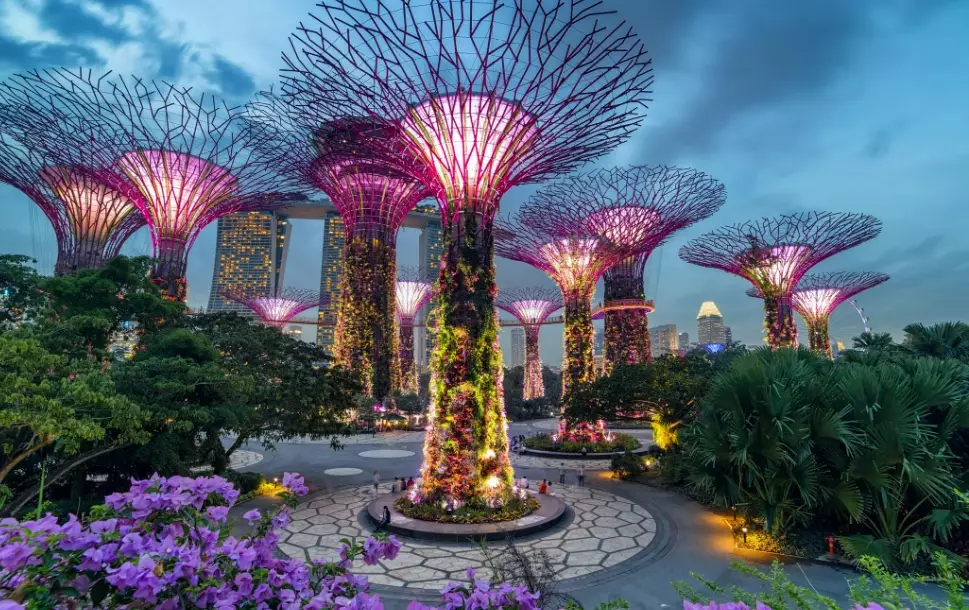
Marina Bay Sands: You don't need to stay here to enjoy it. The view from the top is legendary. For a budget-friendly alternative to the infinity pool (for guests only), go to the CE LA VI bar or the Observation Deck. The shopping mall underneath is a universe of high-end brands.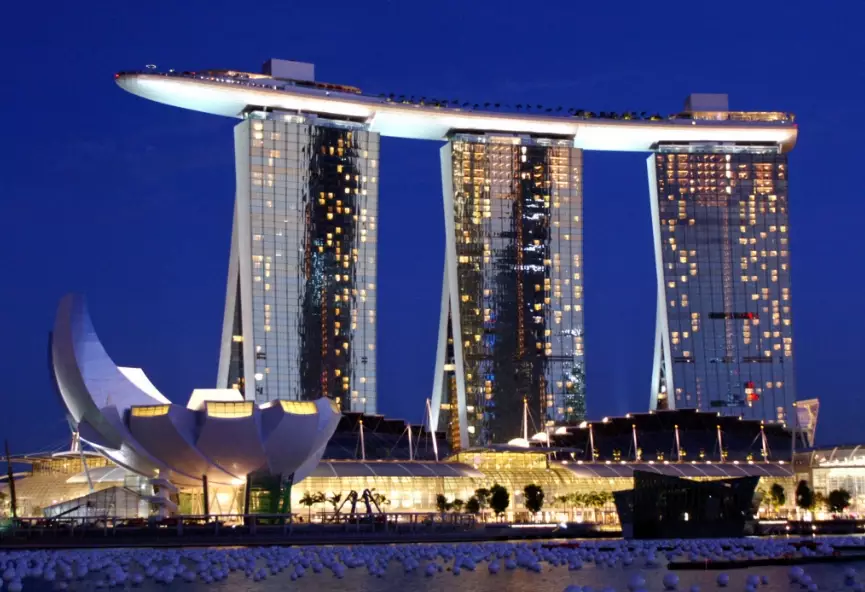
Sentosa Island: It's Singapore's theme park playground. Universal Studios is fun for families and movie buffs. But Sentosa is also beaches (Siloso, Palawan), adventure activities, and resorts. It feels a bit manufactured, but it's a fun day out if that's your vibe.
Singapore Zoo, Night Safari, River Wonders: World-class. The open-concept zoo is exceptional. The Night Safari is a unique experience, but manage expectations—animals are sometimes sleepy. Book the tram ride online in advance.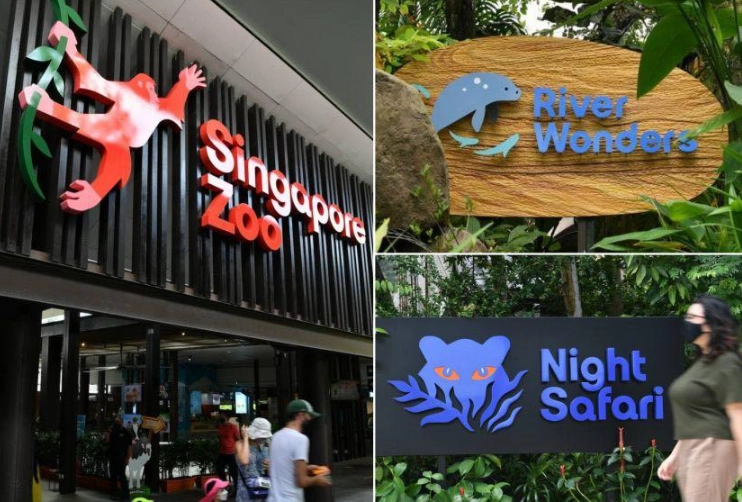
The Cultural & Historical Heartbeat
This is where Singapore tourism gets its soul. Skip this, and you've missed the point.
Chinatown: Not just for tourists. The Buddha Tooth Relic Temple is spectacular. The real gold is in the hawker centres like Maxwell Food Centre (for Tian Tian Hainanese Chicken Rice) and the back streets full of traditional shops.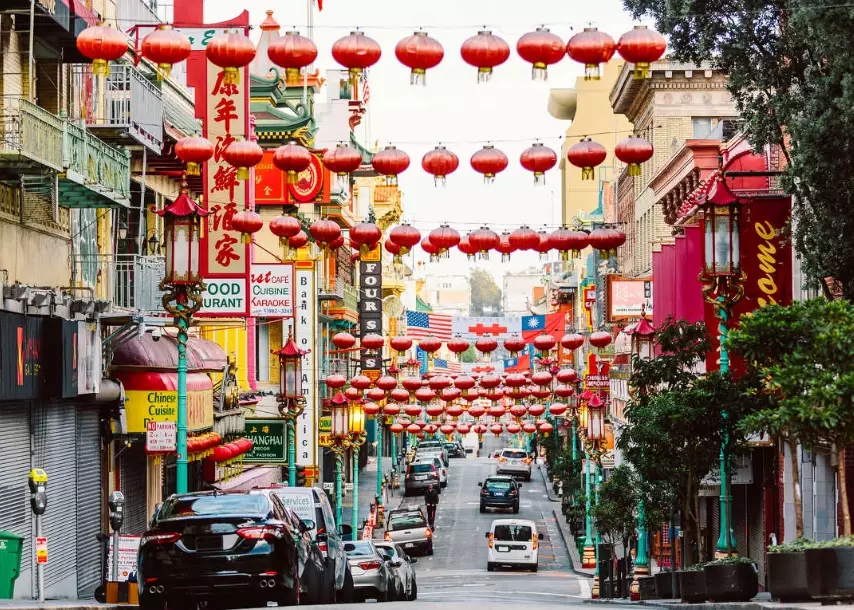
Little India: A sensory explosion. The smell of spices, the vibrant colours of sarees, the bustling Tekka Market. Must-visits: Sri Veeramakaliamman Temple, and for an epic banana leaf meal, try Komala Vilas or Annalakshmi.
Kampong Glam (Arab Street): Centered around the majestic Sultan Mosque. Haji Lane is now full of hip cafes and boutiques, but wander the surrounding streets for Persian carpet shops and authentic Malay eateries.
Singapore's Colonial District: The Padang, Raffles Hotel (yes, have that overpriced but iconic Sling), the National Gallery Singapore (housed in stunning former government buildings). The Gallery's architecture is as impressive as the art.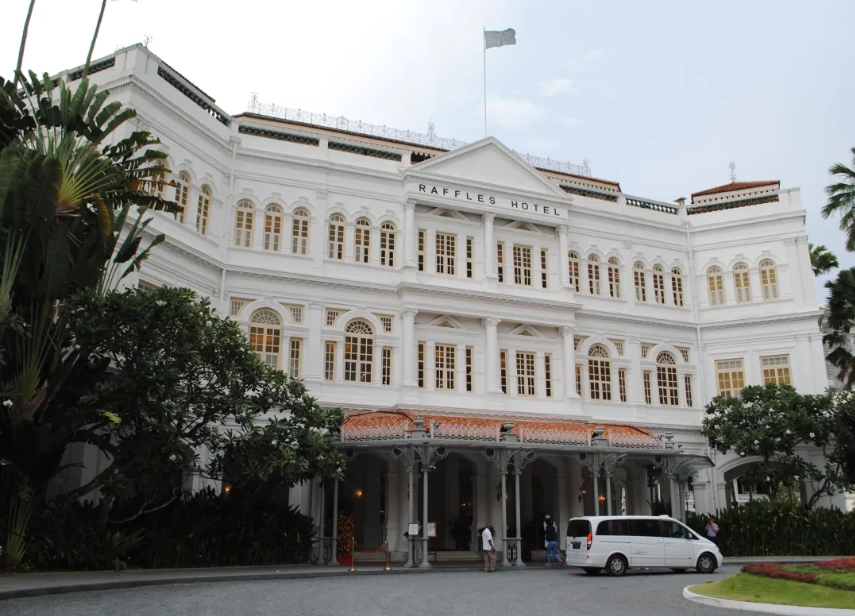
Where to Stay in Singapore: A Neighborhood Breakdown
Your hotel location can make or break your experience. Singapore is small but dense. Here’s a no-fluff table to help you decide.
| Area | Vibe | Best For | Budget Range | Considerations |
|---|---|---|---|---|
| Marina Bay / CBD | Upscale, glitzy, modern | Luxury, first-timers wanting iconic views, proximity to major sights | High to Very High | Can feel quiet at night/weekends. Expensive dining. |
| Clarke Quay / Riverside | Lively, nightlife-centric, touristy | Nightlife lovers, those who want everything on their doorstep | Mid to High | Can be noisy. Very crowded on weekends. |
| Bugis / Kampong Glam | Trendy, cultural, hipster | Foodies, culture seekers, younger travelers, shopping (Bugis Street) | Mid-range | Great central location with character. More affordable than Marina Bay. |
| Chinatown | Historic, authentic, food paradise | Travelers wanting immersion, food lovers, budget travelers | Budget to Mid | Accommodation can be smaller (heritage shophouses). Very lively. |
| Orchard Road | Shop-till-you-drop, convenient | Dedicated shoppers, families wanting mall access | Mid to High | Little local charm. Pure urban buzz. |
| Sentosa Island | Resort getaway, themed | Families with kids, couples seeking a resort feel | High | You'll need to travel to the main island for other sights. All-inclusive vibe. |
My take? For a first trip balancing convenience and local flavour, Bugis or Chinatown are hard to beat. You're on a major MRT line, surrounded by amazing food, and you get a real sense of place.
The Food Guide: Singapore's True National Pastime
Singapore tourism is, in many ways, a culinary pilgrimage. Eating is a serious sport here.
Hawker Centres: The Beating Heart
These are open-air food courts with dozens of stalls. They're cheap, delicious, and where locals eat. Don't be intimidated.
- Maxwell Food Centre (Chinatown): Tian Tian Chicken Rice (it has a Michelin Bib Gourmand, queues are long).
- Old Airport Road Food Centre: A local favourite. Huge variety. Try the rojak or satay.
- Lau Pa Sat (CBD): Tourist-friendly and beautiful Victorian structure. Famous for satay street in the evenings.
- Tekka Centre (Little India): Incredible Indian food. The biryani is legendary.
Dishes You Must Try
A short, non-negotiable list:
- Chicken Rice: Deceptively simple. Poached chicken, fragrant rice, chili sauce.
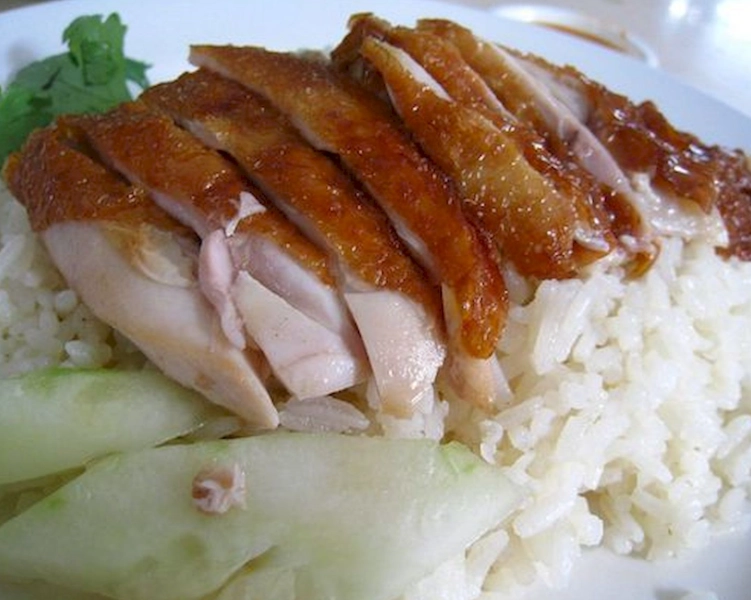
- Laksa: Spicy coconut noodle soup. The Katong version is a must.
- Chilli Crab / Black Pepper Crab: Messy, expensive, unforgettable. Eat with mantou (fried buns).
- Satay: Grilled meat skewers with peanut sauce.
- Kaya Toast with Soft-Boiled Eggs: The classic breakfast. Go to Ya Kun or Toast Box.
Getting Around: Beating the Heat and the Traffic
Singapore's public transport is arguably the best in the world. Clean, safe, efficient, and air-conditioned.
MRT (Mass Rapid Transit): Your best friend. Get an EZ-Link card or a Singapore Tourist Pass for unlimited travel. Google Maps gives perfect real-time directions.
Buses: Extensive network. Use your EZ-Link card. Tap in when boarding, tap out when alighting.
Taxis & Ride-Hailing: Grab is the local Uber. Comfortable and easy. Regular taxis are metered and reliable.
Walking: Distances can be deceptive in the heat. Use the underground pedestrian networks (like in Orchard) or sheltered walkways when possible.
Practical Tips, Costs, and Common Mistakes
Budgeting Realistically
Singapore can be expensive, but it doesn't have to break the bank.
- Save on: Accommodation (choose 3-star or boutique hotels outside Marina Bay), transport (use MRT), food (eat at hawker centres 2 meals a day).
- Splurge on: A iconic cocktail (Raffles), a top attraction (Zoo/Night Safari combo), a nice meal at a Peranakan restaurant.
- Free things to do: Gardens by the Bay outdoor areas, light shows, exploring neighbourhoods, hiking at MacRitchie Reservoir, visiting the Buddha Tooth Relic Temple, watching the Spectra light show at Marina Bay.
Common Pitfalls to Avoid
- Underestimating the humidity: Drink water constantly. Dress in light, breathable fabrics.
- Sticking only to malls and Marina Bay: Venture out to the heartlands like Tiong Bahru or Joo Chiat for a local feel.
- Forgetting small bills and coins: Essential for hawker centres and small shops.
- Littering or eating/drinking on the MRT: Fines are hefty and it's just not done.
- Overpacking your itinerary: The heat is draining. Plan one major thing in the morning, one in the late afternoon.
Frequently Asked Questions (The Real Ones People Ask)
Is Singapore really that strict? Will I get fined for chewing gum?
The laws are strict, but they're for public order. You won't get arrested for chewing gum (you can buy therapeutic gum at pharmacies). The big ones are: no littering, no smoking in indoor/public areas, no jaywalking, definitely no drugs. Just be a respectful, considerate human and you'll have zero problems. The cleanliness and safety are a direct result of these norms.
Do I need to tip in Singapore?
No. Tipping is not a custom. Hotels and restaurants may add a 10% service charge to your bill. At hawker centres, no tipping. This is a relief for many travelers.
Is Singapore a good destination for solo travelers/families?
Solo: One of the best and safest in the world. Easy to navigate, great food courts, and very secure.
Families: Absolutely. It's incredibly clean, safe, and organised. Attractions like the Zoo, Gardens by the Bay, and Sentosa are built with families in mind. Public restrooms are widely available and clean.
How many days do I need for Singapore tourism?
This is the golden question. For a good taste: 3-4 full days. This lets you cover the major icons, dive into one or two neighbourhoods, and have a few relaxed meals. If using it as a stopover, even 2 days can be packed with highlights.
What's the one thing I'm missing?
Most visitors skip the Southern Islands like St. John's or Kusu Island. A short ferry ride from Marina South Pier takes you to quiet beaches and a completely different, slower pace. It's a fantastic half-day escape from the urban buzz.
Look, planning your Singapore tourism adventure might seem daunting with all the options. But its greatest strength is its manageability. It's a city that works. With a bit of planning—mixing the iconic with the local, the air-conditioned with the outdoor, the splurge with the hawker meal—you'll discover why so many people fall in love with this efficient, green, and deliciously diverse island nation. It's more than a city; it's a meticulously crafted experience. Now go book that flight. Your chicken rice awaits.

Comments
Join the discussion