Quick Guide to Sections
- The Big Picture: Setting Your Expectations
- Breaking Down the Costs: Where Your Money Actually Goes
- Cook Islands vs. Other Destinations: A Reality Check
- How to Visit the Cook Islands on a Realistic Budget
- Sample Daily Budget Scenarios
- Frequently Asked Questions (The Stuff You're Really Searching)
- Final Verdict: So, Is the Cook Islands Expensive?
So you're dreaming of those impossibly blue lagoons, overwater bungalows (maybe just for the 'gram), and the slow, sweet rhythm of island life. The Cook Islands pop up on your screen, and the first question that hits you isn't about the best snorkeling spot—it's about your wallet. Is Cook Islands expensive for tourists? It's the make-or-break question for most of us planning a trip.
I get it. I asked the same thing before I went. You see the stunning photos and immediately think "Pacific paradise = budget nightmare." Let me cut through the marketing fluff and give you a straight-up, detailed breakdown. The short, slightly annoying answer is: it depends. It can be a surprisingly manageable mid-range destination, or it can blow your savings faster than you can say "Kia Orana." The difference is all in how you plan.
This isn't just a list of prices. We're going to dig into where the money really goes—accommodation, food, booze (because vacation), activities, and those sneaky hidden costs. I'll compare it to places like Fiji and Bali, because context is everything. I'll also share some things I wish I'd known, including a couple of expenses that genuinely annoyed me.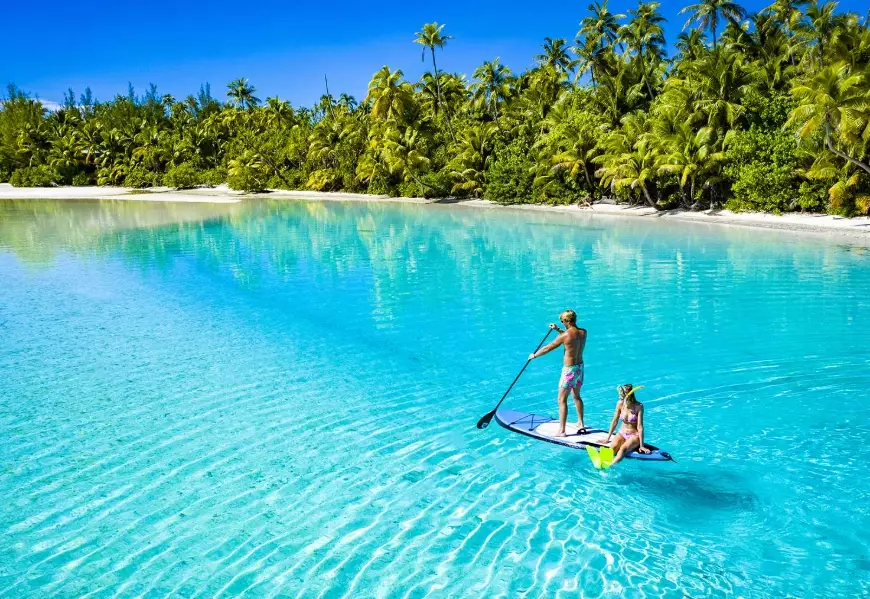
The Big Picture: Setting Your Expectations
Let's start with the vibe. The Cook Islands, especially Rarotonga and Aitutaki, are not a dirt-cheap backpacker circuit. There's no hostels-for-$5 scene. The infrastructure is good, things are generally well-maintained, and the tourism model leans towards comfortable, small-scale, and often family-run operations. This comes at a cost.
The economy is small and isolated. According to data from Stats NZ (which handles Cook Islands statistics), a huge percentage of goods are imported, from building materials to your breakfast cereal. You feel that at the checkout. A loaf of bread or a bottle of sunscreen costs more than you're used to.
But here's the counterpoint: you're not paying for a constant stream of entrance fees to overcrowded temples or being harassed by touts. You're paying for pristine nature, incredible safety, and a genuinely warm, non-transactional culture. The value is in the experience, not in buying cheap souvenirs.
So, is Cook Islands expensive for tourists from, say, the US, Australia, or New Zealand? Compared to a weekend in a major city at home, your daily spend might look similar. Compared to a trip to Thailand, it's a different universe.
Breaking Down the Costs: Where Your Money Actually Goes
Okay, let's get into the nitty-gritty. I've organized this into the main budget categories. These are based on recent travel (post-2023) and are in New Zealand Dollars (NZD), which is the common currency used there alongside the local Cook Islands dollar (which is pegged 1:1). For reference, 1 NZD is roughly 0.60 USD, 0.90 AUD.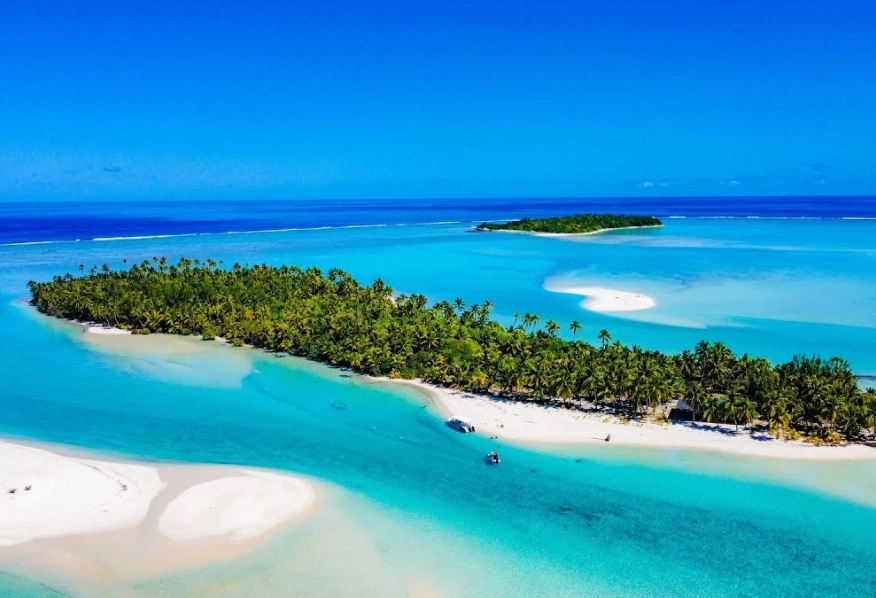
1. The Elephant in the Room: Accommodation
This is your single biggest lever for answering "Is Cook Islands expensive for my holiday?" The range is wild.
You have stunning, ultra-luxury overwater villas in Aitutaki where you're looking at $1,500+ NZD per night. No kidding. Then you have perfectly lovely, clean self-contained units (they call them "self-catering" villas or studios) for $150-$250 NZD per night. The choice dictates your entire trip's budget.
| Accommodation Type | Price Range (NZD per night) | What You Get & Notes |
|---|---|---|
| Budget Guesthouse / Backpacker Lodge | $80 - $140 | Basic room, often shared facilities. Few and far between, book early. More common on Rarotonga than Aitutaki. |
| Mid-Range Self-Catering Villa/Studio | $150 - $300 | The sweet spot for most. Private kitchenette, often a patio or garden. May include a rental car. Great value for couples/families. |
| Beachfront Resort Hotel | $300 - $600 | Hotel-style service, restaurant/bar on-site, daily cleaning. Pools, activities desks. Convenient but pricier. |
| Luxury Overwater Bungalow / High-End Resort | $600 - $2,000+ | The dream. Ultimate privacy, direct lagoon access, premium amenities. This is where the "Cook Islands expensive" reputation comes from. |
My personal take? I stayed in a self-catering studio in Muri Beach, Rarotonga. It was about $220 a night, had a kitchen, was a 2-minute walk to the sand, and came with a small car for free. This setup saved us a fortune on food. I looked at the resorts next door and just didn't see the value for me—I'd rather spend that cash on a lagoon cruise.
2. Eating & Drinking: From Supermarket Runs to Sunset Cocktails
Food is where you can swing your budget dramatically. Eating out for every meal at resort restaurants will make you gasp. Self-catering even partially is the golden ticket.
Groceries & Self-Catering: Supermarkets like CITC and Foodland in Rarotonga are well-stocked but pricey. Imported items (cheese, wine, chocolates) are costly. Local produce like pawpaw (papaya), bananas, and taro is more affordable. A decent grocery shop for breakfasts, lunches, and snacks for two people might run $120-$150 NZD for a few days. Still cheaper than eating out constantly.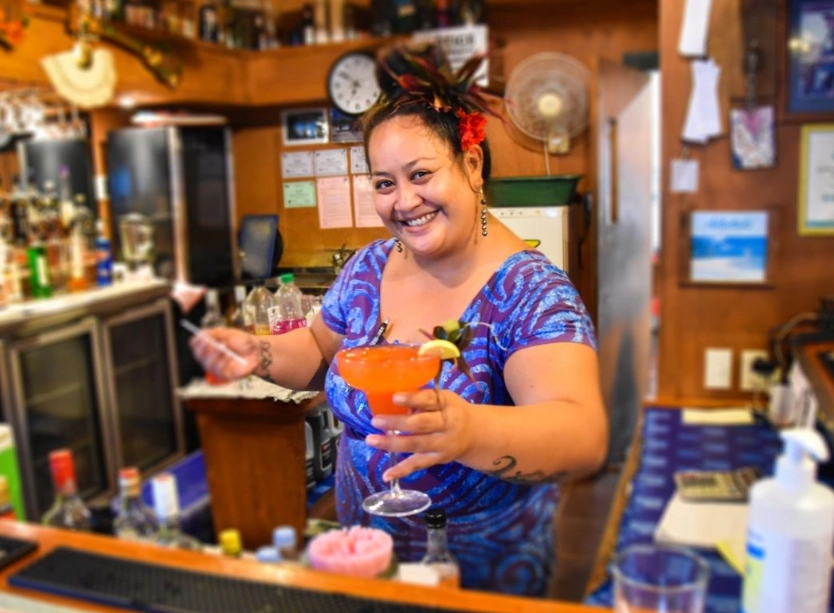
Eating Out:
- Budget (Takeaway/Cafe): A burger & fries from a local takeaway shop: $18-$25 NZD. A large, fresh fruit smoothie: $10-$14 NZD. A decent coffee: $6-$8 NZD. Honestly, the coffee prices felt a bit steep.
- Mid-Range (Casual Restaurant): Main course at a nice but not fancy restaurant (like The Waterline or The Cafe in Avarua): $30-$45 NZD. A plate of the famous Ika Mata (raw fish in coconut): $25-$35 NZD.
- High-End (Resort Restaurant): Main course: $45-$65 NZD. A three-course dinner with a drink can easily hit $120+ per person.
Drinks: This adds up. A bottle of local Cooks Lager at a bar: $9-$12 NZD. A basic cocktail: $18-$25 NZD. Wine by the glass at a restaurant is painfully expensive. My advice? Buy wine, beer, and spirits at the duty-free on arrival (you're allowed 2.25L of spirits and 4.5L of wine per person) or from the supermarket. Having a drink on your own balcony is way cheaper.
3. Activities & Tours: The Good Stuff
This is the heart of the Cook Islands experience, and generally, I found the prices fair for what you get. You're not getting ripped off; you're paying for small-group, high-quality experiences.
- Rarotonga Lagoon Cruise & Snorkel Tour (half-day): $80-$120 NZD per person. Includes lunch, snorkeling gear, and often a show. Essential.
- Aitutaki Lagoon Cruise (full day): $180-$220 NZD per person. One of the world's best lagoons. This is a splurge but unanimously considered worth every cent.
- Cultural Show & Island Night Buffet: $70-$90 NZD. Fantastic value for an evening of incredible dance, music, and a huge feast.
- Car/Scooter Rental (per day): Car: $50-$80 NZD. Scooter: $25-$40 NZD. Fuel is expensive, but the island is small.
- Guided Cross-Island Walk (Rarotonga): $50-$70 NZD. A challenging, rewarding hike with history and views.
You could easily spend $100-$200 NZD per person per day on activities if you're going hard. Or you could have a "free" day hiking, beach-hopping, and snorkeling from the shore (Muri Lagoon is amazing for this).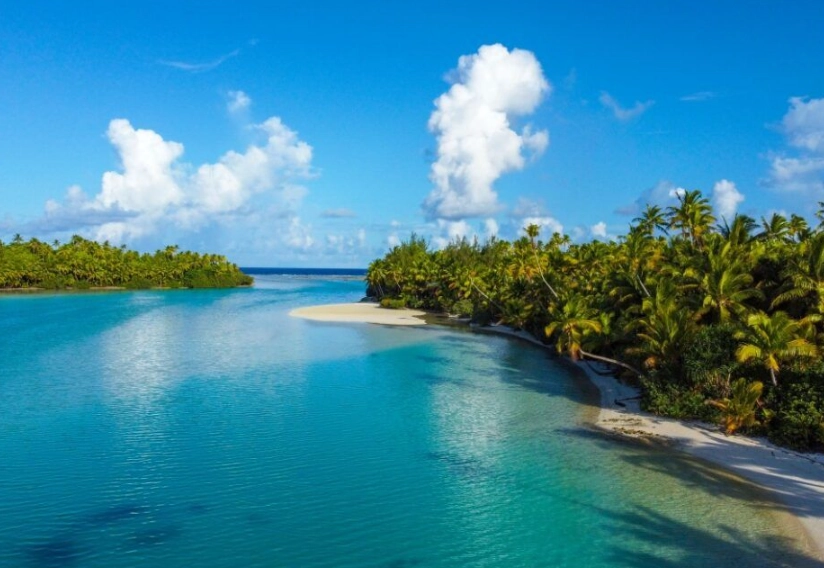
4. Transportation: Getting There & Around
International Flights: This is a major fixed cost. From Los Angeles, expect $1,500-$2,500 USD return. From Auckland, it's much closer and often $500-$900 NZD return. Check Air New Zealand and the national carrier, Air Rarotonga, for schedules and deals. Flight prices alone make some people wonder, "Is Cook Islands expensive to even get to?" And yeah, the remoteness is a cost factor.
Inter-Island Flights (to Aitutaki): A 50-minute flight on a small plane with Air Rarotonga costs about $300-$400 NZD return. It's not optional if you want to see Aitutaki, and it's a significant add-on.
Getting Around on the Islands: Rarotonga has a reliable and cheap bus service ($5 NZD per ride or a day pass). Aitutaki has none. Taxis exist but are expensive for long distances. That's why the rental car or scooter is almost a necessity for flexibility.
Cook Islands vs. Other Destinations: A Reality Check
Let's put "Is Cook Islands expensive?" in context. It's all relative.
Vs. Fiji: Fiji has a much wider range. You can find budget-friendly all-inclusive resorts and backpacker islands that are cheaper than anything in the Cooks. However, the high-end in Fiji is just as expensive, if not more. The Cooks feel more exclusive and less developed than the main Fijian tourist areas. For a similar level of mid-range comfort, costs can be comparable, but Fiji often wins on sheer flight package deals.
Vs. Bali: No contest. Bali is vastly cheaper for accommodation, food, drink, and services. The Cook Islands offers a completely different, more relaxed and nature-focused vibe without the hustle and crowds. You pay a premium for that peace and pristine environment.
Vs. French Polynesia (Tahiti, Bora Bora): This is the key comparison. The Cook Islands are often called "the affordable Tahiti." And it's true. While still not cheap, overwater bungalows, food, and activities in the Cooks are generally 30-50% less than in French Polynesia. The landscapes are similarly stunning. If Bora Bora is your dream but your budget says no, the Cook Islands, especially Aitutaki, are the answer.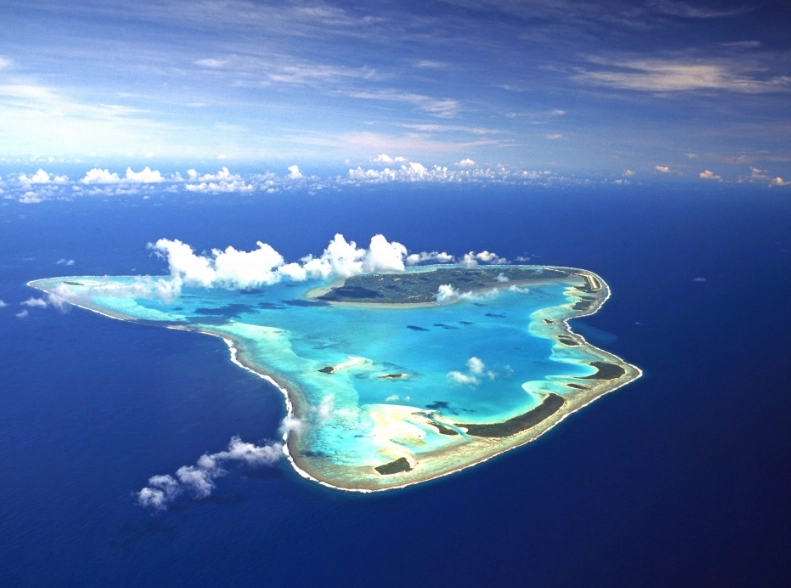
How to Visit the Cook Islands on a Realistic Budget
So, you want to make it work without a lottery win? Here's a practical strategy.
Target the Shoulder Seasons: Avoid peak times (June-August, Christmas/New Year). Flights and accommodation are noticeably cheaper in February-April and October-November. The weather is still great, just a bit warmer and more humid with a chance of brief rain.
Choose Self-Catering Accommodation: I can't stress this enough. It's the #1 budget hack. Make your own breakfast, pack picnic lunches for the beach, and cook simple dinners a few nights a week. You'll save hundreds.
Limit Restaurant Meals: Plan for a few special dinners out (an Island Night, a nice sunset dinner) but keep the rest casual. The local takeaways and food trucks (like the famous "Mooring" fish and chips in Avarua) are delicious and better value.
Focus on Free Activities: The best things are free. Snorkeling in Muri Lagoon. Hiking the cross-island track. Driving around Rarotonga, stopping at beaches like Titikaveka. Watching the sunset at Black Rock. Lazing in a hammock with a book. Don't feel pressured to do a paid tour every single day.
Buy Alcohol Smartly: Duty-free, duty-free, duty-free. Stock up for your entire trip.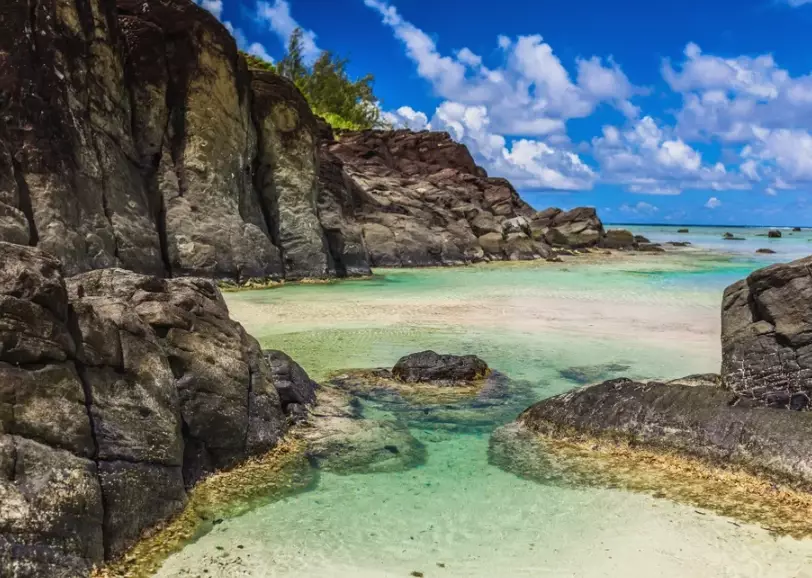
Sample Daily Budget Scenarios
Let's make this concrete. What does a day actually cost for different travel styles? (Prices are per person, assuming two people traveling together).
Budget-Conscious Traveler:
Accommodation (share a budget studio): $60
Groceries (self-catering): $25
Bus pass / scooter share: $15
One paid activity every other day: $40 (averaged)
Total per day: ~$140 NZD
Mid-Range Traveler (My style):
Accommodation (nice self-catering with car): $120
Mix of groceries & one casual meal out: $50
Fuel for included car: $10
One paid activity/entrance fee: $60
Total per day: ~$240 NZD
Luxury-Focused Traveler:
Accommodation (beachfront resort): $300+
All meals at restaurants/resort: $150
Premium tours/private guides: $150
Total per day: $600+ NZD
See the range? That's the answer to "Is Cook Islands expensive for tourists?" It's a choose-your-own-adventure price tag.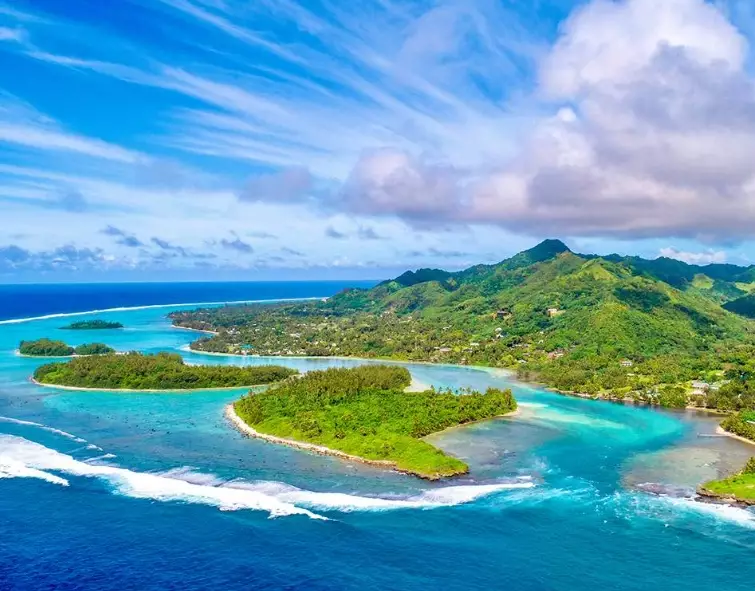
Frequently Asked Questions (The Stuff You're Really Searching)
They exist, but they're less common than in the Caribbean or Mexico. They can be good value if you want to lock in costs and not think, but they often tie you to one resort's food. Given the amazing local eateries, I prefer the freedom of going out. Do the math carefully.
Yes, noticeably. Everything is more expensive on Aitutaki—accommodation, food, tours. It's smaller, more remote, and supplies are shipped from Rarotonga. Budget for Aitutaki to be 20-30% more costly per day. But go. Just go. It's magical.
Most hotels, tour operators, and larger restaurants in Rarotonga take cards. In Aitutaki and at smaller shops, markets, and food trucks, cash (NZD) is king. Always have some on you.
For me, it was internet data. Buying a local SIM (from Bluesky) is essential, but data packs are pricey. And the resort wifi? Often slow and expensive. It's a good place to disconnect, honestly.
A 12.5% Goods and Services Tax (GST) is included in displayed prices. No nasty surprises at the register. Departure tax is included in your international airfare.
Final Verdict: So, Is the Cook Islands Expensive?
After all that, here's my honest take. The Cook Islands are a mid-range to high-end destination. They are not a budget backpacker spot, but they are also not the exclusive domain of millionaires.
The question "Is Cook Islands expensive for tourists?" really hinges on your travel style. If you demand five-star, all-inclusive luxury, be prepared to pay for it—handsomely. But if you're a savvy traveler happy with a comfortable, clean studio, who enjoys mixing self-catering with the odd meal out, and who values natural beauty over shopping malls, you can have an absolutely incredible, world-class holiday without bankrupting yourself.
The value is immense: safety, friendliness, stunning and accessible nature, and a feeling of having discovered a special place that hasn't been overrun. You're paying for an experience that's becoming rarer in the world.
My advice? Stop worrying just about the price tag.
Start planning. Book a self-catering place with good reviews. Budget for that Aitutaki lagoon cruise. Pack your reef-safe sunscreen. And get ready for one of the most genuinely beautiful and relaxing places you'll ever visit. It's worth every carefully planned dollar.
For the most current travel information and official guidance, always check the Cook Islands Tourism Corporation website before you go. It's a fantastic resource.

Comments
Join the discussion