Let's be honest. When you think of European food, you probably picture a perfect pizza from Naples, a buttery croissant from a Parisian bakery, or a hearty bowl of pasta in a Roman trattoria. But here's the thing most travel blogs don't tell you: the real magic isn't just in finding these dishes, it's in understanding why they taste so different there, and how you can bring a piece of that authenticity back to your own kitchen. I've spent over a decade eating my way across the continent, from Michelin-starred temples to roadside food trucks, and I've learned that European cuisine is less about fancy techniques and more about a stubborn, beautiful respect for ingredients.
Your European Food Journey Starts Here
What Makes European Cuisine Unique? (It's Not What You Think)
Forget the idea of a single "European" flavor. That doesn't exist. What binds the food from Lisbon to Ljubljana is a philosophy, not a recipe. It's the concept of terroir—the idea that the local soil, climate, and tradition create ingredients that can't be replicated. A Parmigiano-Reggiano from Emilia-Romagna tastes the way it does because of the specific grass the cows eat. A Spanish Jamón Ibérico de Bellota is unique because of the acorn-rich diet of the Iberian pigs.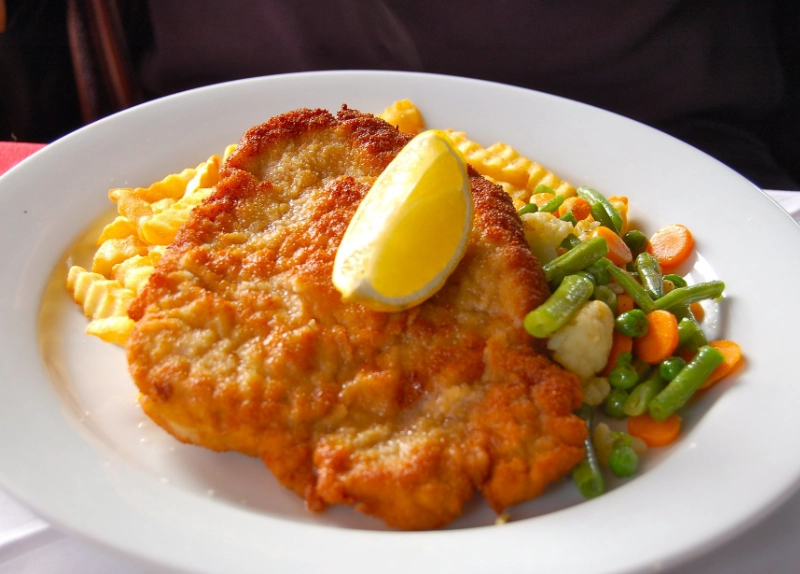
This hyper-local focus means menus change with the seasons in a way that feels natural, not trendy. You won't find fresh tomatoes on a good Italian menu in February. You will find hearty braises, root vegetables, and preserved foods. The cooking often prioritizes technique that enhances the ingredient rather than disguises it. A perfect French omelette is about the texture of the eggs, a great German schnitzel about the crispness of the breading against the tender meat.
A common mistake tourists make? Ordering a "seafood paella" in the interior of Spain, far from the coast. It's a dish born in Valencia, and the best versions there use rabbit, chicken, and local beans. Asking for it with shrimp and mussels inland is a sure sign you're not in the know.
The Regionality Principle in Action
Instead of thinking "Italian food," think in regions. The rich, butter-based sauces of the north (like in Milan) have nothing to do with the olive oil, tomato, and chili-focused cooking of the south (like in Sicily). In France, the hearty, wine-laced stews of Burgundy are a world away from the seafood and buckwheat crepes of Brittany. Your first step to eating like a local is to look at a map and ask, "What grows or is raised here?" That's what will be on the menu.
Top 5 European Dishes You Must Try (and Where to Find Them)
This isn't a generic list. These are dishes where the place matters. I'm including specific spots because an address can be the difference between a forgettable meal and a core memory.
1. Coq au Vin – France (Burgundy, specifically)
Why it's special: This isn't just chicken in wine. It's a lesson in French patience. An older rooster is marinated in red wine (traditionally Burgundy), then braised for hours with bacon, mushrooms, and pearl onions until the meat falls apart and the sauce is deeply concentrated. The wine isn't just a liquid; it's the soul of the dish.
Where to try it authentically: Skip the Paris tourist traps. Go to a traditional bouchon in Lyon, like Le Bistrot de Lyon (Rue du Garet). Or, better yet, head into the Burgundy countryside. In Beaune, try Ma Cuisine (Passage Sainte-Hélène). It's small, unassuming, and their Coq au Vin is legendary. Expect to pay €25-35 for the main course. Book ahead—these places are small.
2. Authentic Neapolitan Pizza – Italy (Naples)
Why it's special: It's protected by EU law (True Neapolitan Pizza - STG). The dough is a specific type of flour, water, salt, and yeast, fermented for 8+ hours. It's hand-stretched, topped with San Marzano tomatoes, mozzarella di bufala, fresh basil, and extra-virgin olive oil, then baked for 60-90 seconds in a 900°F wood-fired oven. The result is a soft, chewy, slightly charred crust you can't get anywhere else.
Where to try it: In Naples, the debate is eternal, but you can't go wrong at Sorbillo (Via dei Tribunali) or Da Michele (Via Cesare Sersale). They're institutions. A classic Margherita costs €5-8. Go early or be prepared to queue. It's loud, chaotic, and perfect.
3. Paella Valenciana – Spain (Valencia)
Why it's special: The original. It's a rice dish cooked in a wide, shallow pan over an open fire, featuring chicken, rabbit, specific local beans (garrofó and ferradura), and sometimes snails. The socarrat—the crispy, caramelized rice crust at the bottom of the pan—is the prized part.
Where to try it: In Valencia, head to the Albufera region or the beachside neighborhood of El Cabanyal. Restaurante Levante (Calle de Eugenia Viñes) does a superb version. A pan for two costs €30-45. A key tip: Real paella is a lunch dish, not dinner. And never, ever mix seafood and meat in the same pan if you want to eat like a local.
4. Wiener Schnitzel – Austria (Vienna)
Why it's special: It's a textural masterpiece. A thin, pounded veal cutlet is dipped in flour, egg, and breadcrumbs (never flour-egg-breadcrumbs-egg-breadcrumbs—that's wrong), then fried in clarified butter or lard until it puffs up and becomes golden. It should be served with a lemon wedge and maybe a simple potato or cucumber salad.
Where to try it: Avoid the places with giant plastic schnitzels outside. Go to a classic Gasthaus like Figlmüller (Wollzeile) – yes, it's famous, but for good reason. Or try Zum Schwarzen Kameel for a more upscale setting. A proper schnitzel will cost €18-28. If it's served with sauce or spaghetti, you're in the wrong place.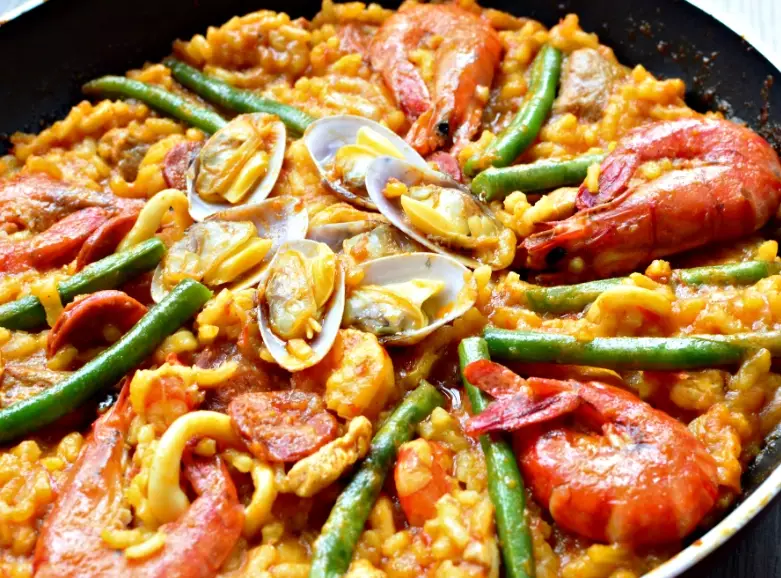
5. Moussaka – Greece
Why it's special: A hearty, comforting casserole that varies by household. Layers of sautéed eggplant (sometimes potato), spiced ground lamb or beef, and a rich, creamy béchamel sauce are baked until golden. It's the definition of home cooking.
Where to try it: In Athens, skip the ultra-touristy Plaka. Head to the Psiri or Koukaki neighborhoods. Mani Mani (Falirou 10) offers a refined, excellent version. A portion costs around €12-16. It's often better as a shared side dish alongside other mezze.
Bringing Europe Home: How to Master Simple, Authentic Recipes
You don't need professional gear. You need good ingredients and to follow a few non-negotiable rules.
The Rule of Three: Focus on One Perfect Ingredient
Pick a dish with fewer than 5-7 core ingredients and nail them. My go-to for impressing people is Spanish Gambas al Ajillo (Garlic Shrimp).
Authentic Gambas al Ajillo Recipe (Serves 2 as a tapa):
1. Get 12-16 large, raw, shell-on shrimp (the shells add flavor).
2. Thinly slice 6-8 cloves of garlic (do NOT mince—slices give better texture).
3. In a small ceramic cazuela or a heavy skillet, heat 1/2 cup of good extra-virgin olive oil over medium-low heat.
4. Add the garlic and 1-2 small dried chili peppers (crushed). Cook gently until the garlic is just starting to turn golden. This infuses the oil.
5. Turn the heat to medium-high. Add the shrimp and a big pinch of sea salt. Cook for 1-2 minutes per side until just pink and cooked through.
6. Immediately remove from heat, sprinkle with chopped parsley, and serve sizzling in the pan with crusty bread. The key is the infused oil—you'll want to sop up every last drop.
Another simple winner is Italian Spaghetti Aglio e Olio. It's just pasta, garlic, olive oil, chili, and parsley. The trick is to cook the garlic slowly in the oil until fragrant but not brown, and to add a splash of pasta water to the oil to create a silky, emulsified sauce that clings to the spaghetti. It's a 10-minute dish that teaches you more about Italian cooking than any complicated recipe.
Eating Well in Europe: Smart Tips for Every Budget
Fine dining doesn't have to mean bankruptcy.
The Lunch Secret: As mentioned in the FAQ, this is the number-one hack. That €250 dinner tasting menu is often a €75 lunch menu at the same place. You get the same chef, the same technique, often in a sunnier, more relaxed setting.
Follow the Locals at Dinner: Restaurants packed with tourists at 7 PM are often empty at 9:30 PM, when locals eat. Wander a few streets away from the main square. Look for menus in the local language only, or a chalkboard with daily specials (Plat du Jour, Menù del Giorno).
Embrace the Market & Picnic: Visit a local market like La Boqueria in Barcelona, Borough Market in London, or Naschmarkt in Vienna. Grab some cheese, charcuterie, fresh bread, and fruit. Have a picnic in a park. It's cheaper, more fun, and you're eating the absolute freshest local produce.
Wine Bars & Enotecas: These are your best friends. For the price of one glass of wine at a fancy restaurant, you can often get a glass and a few small, exquisite plates at a wine bar. In Paris, seek out vin naturel bars. In Italy, any enoteca will have great options.



Comments
Join the discussion