Europe's travel scene isn't static. If you're planning a trip based on what you knew in 2019, you're setting yourself up for surprises—some good, some costly. The latest Europe tourism news points to a continent undergoing a quiet revolution. Sustainability is no longer a niche checkbox but a core demand shaping policies and prices. Crowds have shifted, creating new hotspots and breathing space into old ones. And the rules of the game, from visas to train tickets, have fundamentally changed. This isn't just news; it's the practical intelligence you need to craft a trip that's enjoyable, efficient, and responsible in 2024.
Quick Guide: What's Inside
- How Sustainable Tourism is Changing Europe
- The New Digital Nomad Hotspots
- 2024 Visa and Entry Rules You Must Know
- Beyond Sightseeing: The Rise of Experiential Travel
- Transportation Updates: Trains, Flights, and Fees
- Beating the Crowds: Strategies and Hidden Gems
- How to Plan Your 2024 Trip with This News
- Your Burning Questions Answered (FAQ)
How Sustainable Tourism is Changing Europe
Forget the token "please reuse your towel" sign. Sustainable travel in Europe has moved into the regulatory and financial mainstream. Cities are implementing tourist taxes not just for revenue, but as a direct tool for crowd management and conservation. Venice's long-debated entry fee for day-trippers is now a reality, a pilot project that's being closely watched by other overburdened cities like Barcelona and Amsterdam.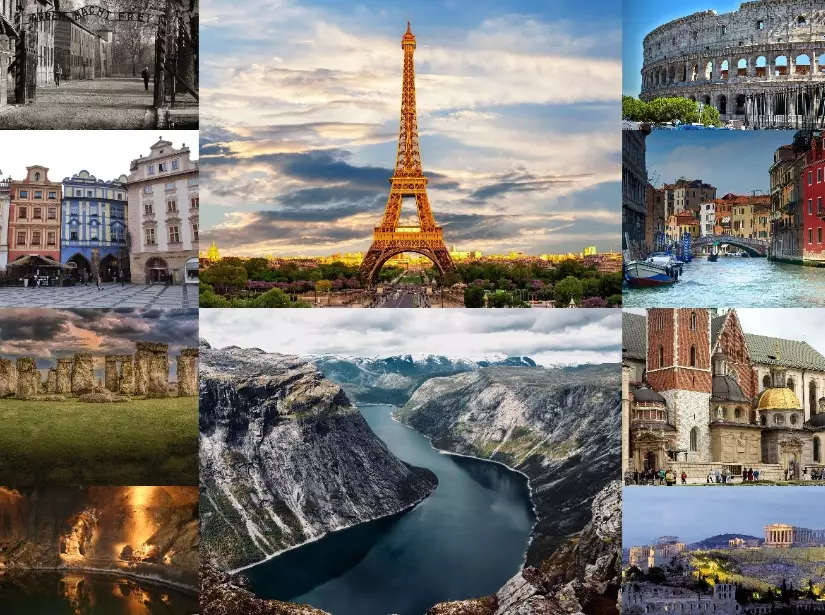
But here's the nuance most blogs miss: not all "green" claims are equal. A hotel might boast about its solar panels while sourcing all its food from unsustainable imports. Look for specific, verifiable certifications. The EU Ecolabel for accommodations or the Global Sustainable Tourism Council (GSTC) recognition for tour operators are more reliable than vague "eco-friendly" marketing. I've found that smaller, family-run agriturismos in Italy or guesthouses in the Slovenian Alps often have deeper, more authentic sustainability practices than large chains with flashy campaigns.
Finding the Real Sustainable Certifications
When booking, filter for these specific labels on platforms like Booking.com (which has a "Travel Sustainable" badge with tiers) or look for them on a hotel's website:
- EU Ecolabel: Rigorous EU-wide standard covering energy, water, waste, and cleaning products.
- Green Key: A leading global standard for hotels, hostels, and attractions.
- Biosphere Certification: Focuses on aligning with UN Sustainable Development Goals.
Carbon Offsets: Worth It?
Many airlines now offer carbon offsetting at checkout. The consensus from experts I follow, like those at the International Air Transport Association (IATA), is that it's a last resort. Reducing your footprint by taking fewer but longer trips, using trains for intra-Europe travel, and choosing direct flights is far more effective. If you do offset, research the project. Is it certified by Gold Standard or Verra? Avoid vague "tree-planting" schemes without transparent tracking.
The New Digital Nomad Hotspots
The remote work boom has redrawn the map. While Lisbon and Budapest were early favorites, they're now grappling with inflated rents and crowded cafes. The savvy digital nomad news points to emerging, more livable alternatives.
Countries are rolling out official Digital Nomad Visas (DNVs) to attract this lucrative crowd. Portugal's D7/D8 visa is well-known, but Croatia, Malta, and Greece now have competitive programs. Spain's much-anticipated "Ley de Startups" has finally launched its digital nomad visa, though the tax implications (potentially a flat 24% rate) need careful calculation.
Here’s a quick comparison of some key emerging hubs based on recent reports and community chatter:
| City/Country | Digital Nomad Visa? | Avg. Monthly Cost* | Key Draw | Potential Drawback |
|---|---|---|---|---|
| Madeira, Portugal | Yes (Portugal D8) | €1,800 - €2,500 | Dedicated Digital Nomad Village (Pont do Sol), stunning nature, fast internet. | Can feel isolated; limited flight connections. |
| Valencia, Spain | Yes (New Spain Visa) | €1,900 - €2,700 | Great work-life balance, vibrant culture, cheaper than Barcelona/Madrid. | Bureaucracy for the new visa can be slow. |
| Tbilisi, Georgia | Remotely from Georgia program | €1,200 - €1,800 | Extremely low cost, unique culture, 1-year visa-free for many passports. | Time zone can be challenging for some remote jobs. |
| Bansko, Bulgaria | Yes (Bulgaria Freelance Visa) | €1,000 - €1,500 | Super low cost, tight-knit nomad community, great for skiing/hiking. | Small town vibe, not a big city. |
*Cost estimates for a single person, including rent, food, coworking, and leisure.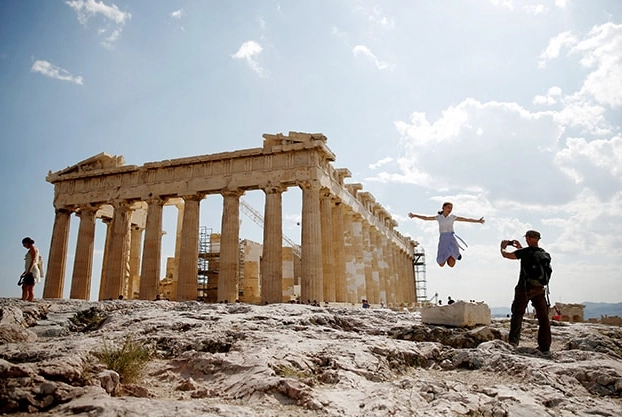
2024 Visa and Entry Rules You Must Know
The biggest piece of Europe travel news for 2024 and 2025 is the delayed but inevitable launch of the ETIAS (European Travel Information and Authorisation System). It's not a visa, but a pre-travel authorization for visa-exempt travelers (like US, UK, Canadian, Australian citizens). Once it goes live, you'll need to apply online (€7 fee) before your trip. The process is meant to be quick, but apply at least a few days in advance to avoid last-minute hiccups. Official updates are best tracked on the European Union's official website.
Post-Brexit rules are now firmly in place. UK citizens can only spend 90 days in any 180-day period in the Schengen Area. This requires careful calendar tracking, especially for frequent visitors or those planning long trips.
Pro Tip from a Seasoned Traveler: Always check your passport's expiration date against the country's entry requirement. Most Schengen countries require your passport to be valid for at least three months beyond your planned departure date. I've seen people turned away at check-in for missing this by a single day. Six months of validity is the safest blanket rule.
Beyond Sightseeing: The Rise of Experiential Travel
Travelers are moving away from tick-box tourism. The demand is for skill-building, connection, and unique stories. This isn't just a trend; it's a response to overtourism. Instead of fighting crowds at the Louvre, people are booking a private printmaking workshop in Montmartre. Instead of a generic bus tour of Tuscany, they're spending a week on a regenerative farming experience.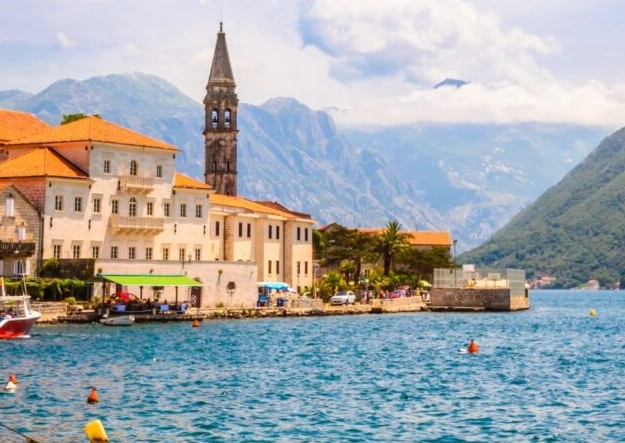
Platforms like Withlocals, Eatwith, and Airbnb Experiences have exploded with authentic offerings. You can learn to make paella in a Valencian home, forage for truffles in Istria with a local hunter, or join a traditional music session in an Irish pub away from the Temple Bar crowds.
The key is to look for experiences run by locals, not large tour companies. Read reviews carefully. A good sign is when the host's personal passion and story are central to the experience description.
Transportation Updates: Trains, Flights, and Fees
European rail travel is having a renaissance, fueled by climate consciousness. France's ban on short-haul domestic flights where a train alternative under 2.5 hours exists is a landmark policy. Austria and Germany have introduced incredibly cheap nationwide public transport tickets to encourage use.
However, the classic Eurail Pass isn't always the money-saver it once was. With high-speed trains requiring expensive mandatory reservations (like in France, Italy, Spain), the math has changed. For a fixed itinerary, it's often cheaper to book point-to-point advance tickets 2-3 months ahead. Use the official rail websites (SNCF Connect, Trenitalia, Deutsche Bahn) or aggregators like Trainline for comparison. The pass still makes sense for spontaneous, long-term travel.
On the air front, budget airlines remain, but fees are creeping up for everything. Ryanair is notoriously strict about cabin bag dimensions. Always check the specific airline's latest policy before you pack. Meanwhile, airports are increasingly crowded—arrive at least 2.5 hours before a Schengen flight and 3 hours for intercontinental.
Beating the Crowds: Strategies and Hidden Gems
Overtourism remains a critical issue, but the patterns have shifted. While Amsterdam and Venice make headlines, the pressure has eased slightly in some places as travelers disperse. The strategy is no longer just "go in the shoulder season" (though that still helps). It's about rethinking your destination portfolio.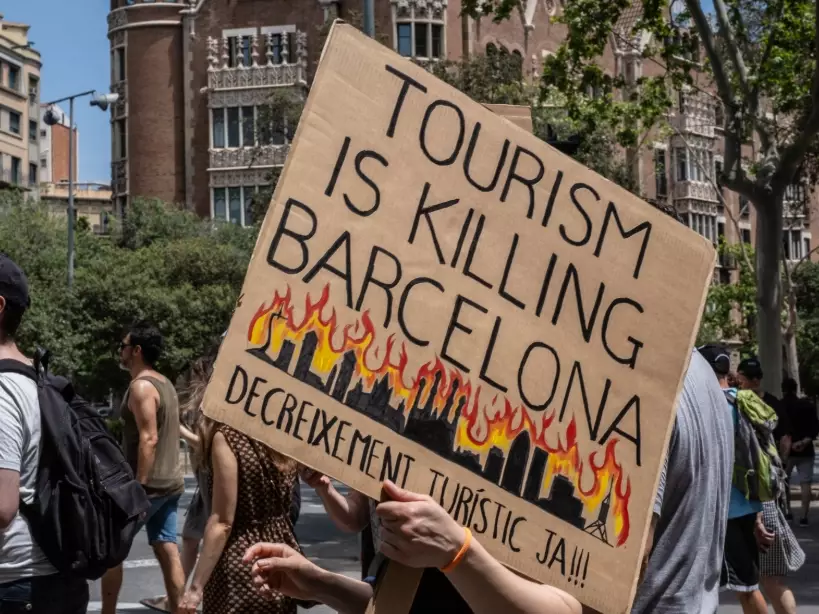
Second-City Travel: Skip Prague and visit Brno or Český Krumlov in the Czech Republic. Bypass Barcelona for vibrant Valencia or historic Girona. Swap the Amalfi Coast for Le Marche or Puglia.
Here are a few specific, less-trodden alternatives gaining traction:
- Instead of Dubrovnik: Consider Šibenik or Zadar in Croatia. You still get stunning Adriatic coastline, ancient history (Zadar has Roman forums), and great food without the Game of Thrones mobs.
- Instead of Santorini: Look at Milos or Naxos in Greece. Milos has otherworldly landscapes (think Sarakiniko Beach) and is far more relaxed.
- Instead of Interlaken: Try the Lauterbrunnen Valley or the Engadin region around St. Moritz in Switzerland. The alpine beauty is equally breathtaking, with better hiking-to-tourist ratios.
When you do visit a major site, book the first entry slot of the day online. It's a universal rule that works. The crowd difference between 8:30 am and 11:00 am at the Vatican Museums is staggering.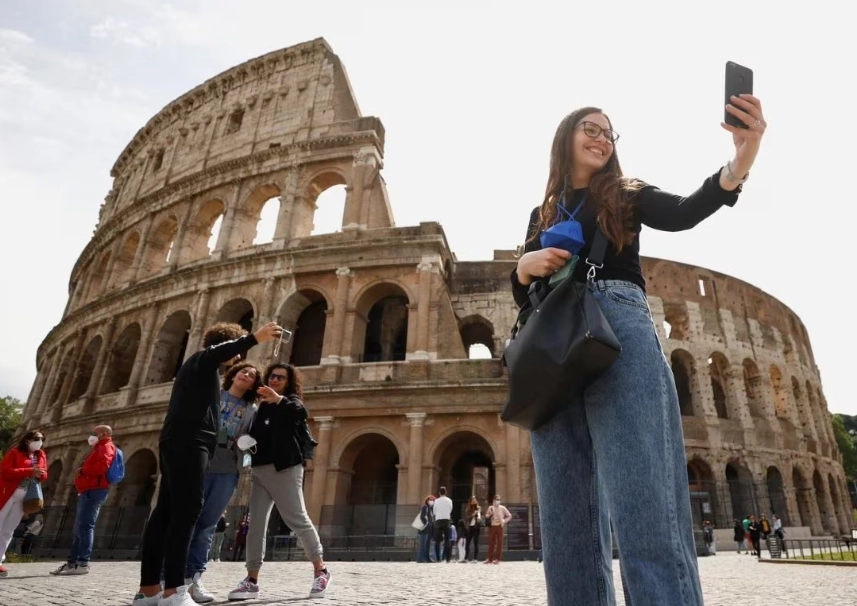
How to Plan Your 2024 Trip with This News
Let's make this actionable. Here’s a step-by-step approach incorporating the latest Europe tourism news:
1. Define Your Trip Type: Are you a digital nomad looking for a 3-month base, a sustainability-focused family, or a culture-seeking couple? This filters your destination choices immediately.
2. Check Visa/ETIAS Requirements: This is your first logistical hurdle. Do it early.
3. Prioritize Train Travel: Sketch your route between cities. Check if high-speed train advance tickets are available and compare prices against flight+baggage costs and environmental impact.
4. Book Sustainable & Experiential: Filter accommodations for legitimate certifications. Book 1-2 immersive local experiences in each destination as your trip's anchors.
5. Build in a "Hidden Gem": Replace one major tourist hotspot on your list with a second-city alternative. You'll thank yourself later.
6. Purchase Travel Insurance that Covers Disruption: With crowded airports and changing rules, a policy that covers missed connections and trip interruption is essential. Read the fine print.
Your Burning Questions Answered (FAQ)
The landscape of European travel is dynamic. By tuning into the real news—the policy shifts, the emerging destinations, the changing traveler values—you can plan a trip that's not only memorable but also mindful and smooth. Ditch the outdated guidebook mindset. Your 2024 European adventure should be built on the latest intelligence, and now you have it.




Comments
Join the discussion