Quick Guide
- Beyond the Postcard: What Melbourne is Really Like
- The Heartbeat of the City: Neighbourhoods & Laneways
- Where Should You Actually Live? A Suburb Breakdown
- The Non-Negotiables: Coffee, Food & Sport
- Getting Around: Trams, Myki, and Traffic
- Practicalities of Life: Cost, Jobs, and the Big Move
- Day Trips & Escapes: Beyond Melbourne City
- Answers to the Questions You're Actually Asking
- The Final Word
Let's be honest. When you think of Australia, you probably picture Sydney's Opera House or the dusty Outback. But if you ask anyone who's actually spent real time down under, there's a good chance they'll whisper, "Actually, Melbourne is better." It's the kind of place that doesn't shout its greatness from the rooftops. Instead, it invites you into a hidden laneway, hands you a perfectly made flat white, and lets you figure it out for yourself. This isn't just a travel brochure. This is a deep, sometimes brutally honest, look at what makes Melbourne city Australia tick, and whether it might just be the place for you.
I lived there for two years. I've endured the "four seasons in one day" weather, hunted for the best coffee (a serious local sport), and got lost in the maze of graffiti-covered alleys more times than I can count. So, here's the real deal, from someone who's been in the trenches.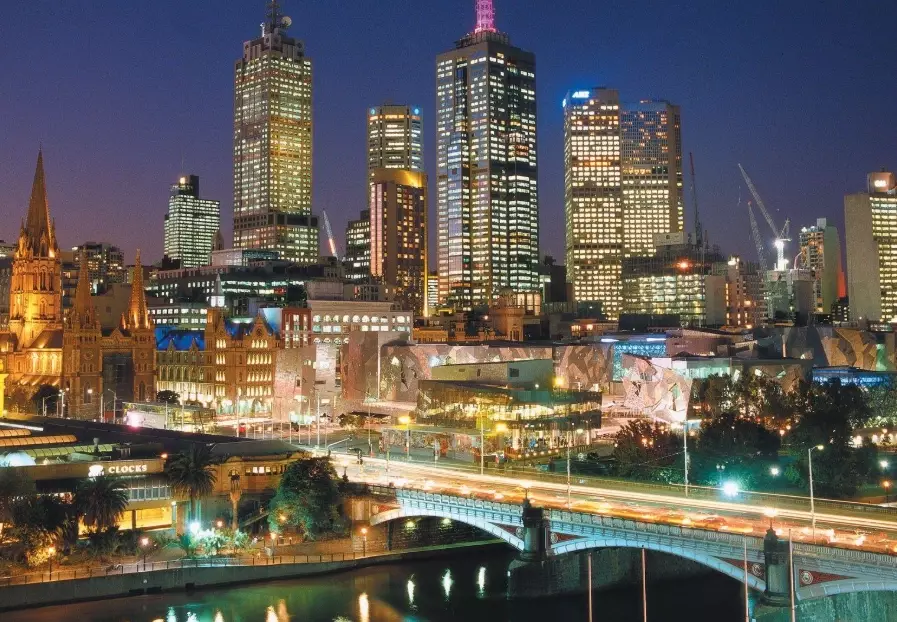
Beyond the Postcard: What Melbourne is Really Like
Forget the generic lists. Melbourne Australia isn't defined by a single landmark. Its soul is in the details. The smell of roasting coffee beans at 7 AM. The distant clang of a tram bell on Swanston Street. The heated debate between two friends over whether the AFL grand final is a national holiday (it basically is). This city is lived in. It's a bit grungy around the edges, endlessly creative, and fiercely proud of its unique identity, separate from the rest of Australia.
What's the vibe? Imagine if a European city obsessed with art and food had a baby with a sport-mad, beach-loving Australian town. That's Melbourne. It's cosmopolitan but not snobby. It's sporty but also bookish. It's this weird, wonderful contradiction that just works.
The Heartbeat of the City: Neighbourhoods & Laneways
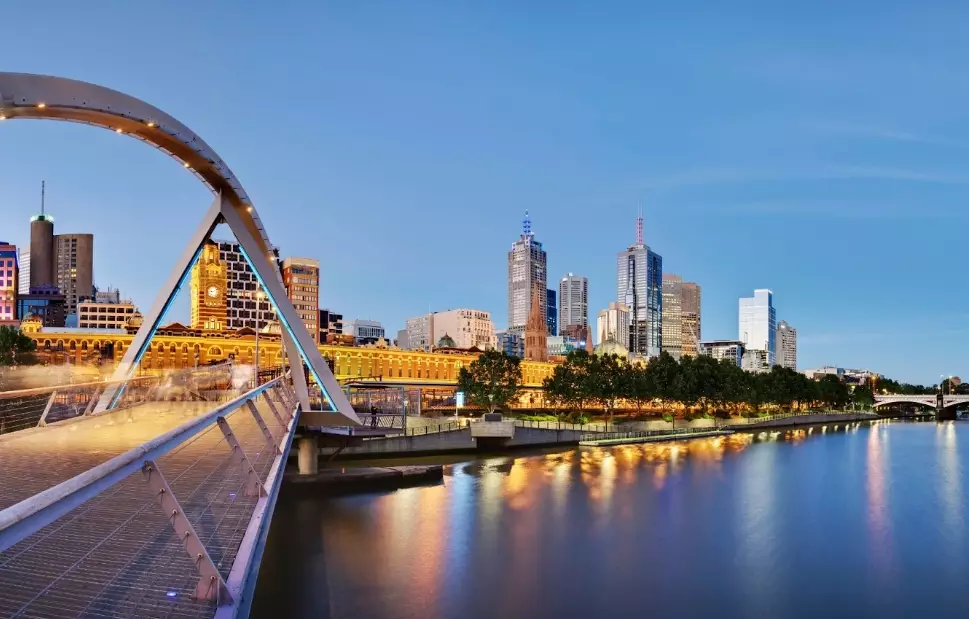
You don't "see" Melbourne; you explore its pockets. The Central Business District (CBD) is the hub, but the magic happens in the neighbourhoods that fan out from it like spokes on a wheel. Each one has a completely different personality.
The CBD & Hidden Laneways
The grid of the CBD is deceptive. Look closer. Between the skyscrapers are narrow, cobblestoned lanes that are the city's creative arteries. Hosier Lane, with its ever-changing street art, is the famous one. But the real joy is finding your own. Degraves Street for a bustling cafe strip, or AC/DC Lane for a rock n' roll history lesson (yes, named after the band). My personal favorite was finding a tiny, unmarked bar down a flight of stairs off Russell Street—no sign, just the soft glow of lights and the clink of glasses. That's the Melbourne experience.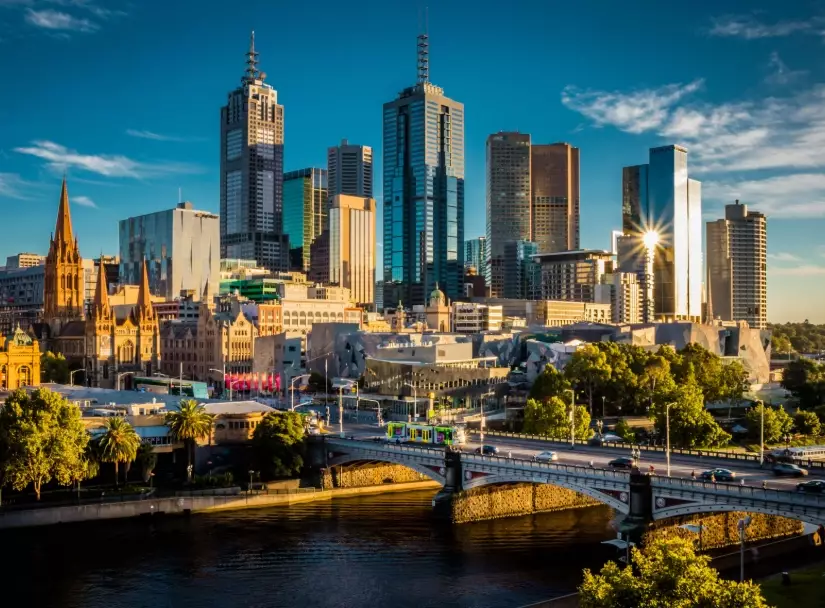
The Inner-North: Fitzroy & Collingwood
If Melbourne had a hipster HQ, this is it. Think vintage stores, live music venues like the iconic Corner Hotel, and some of the best restaurants in the city that aren't afraid to put fermented things on the menu. Brunswick Street in Fitzroy is the main drag. It's vibrant, a bit alternative, and where you go to see beards, tattoos, and incredible creativity living side-by-side in old, converted terrace houses. The energy here is palpable.
The Inner-South: South Yarra & Chapel Street
Dial up the glamour. This is where fashion, fancy brunches, and beautifully renovated Victorian homes live. Chapel Street is a long strip of boutiques, cafes, and bars. It feels more polished, more "see and be seen" than the grungy north. Great for people-watching with a cocktail in hand.
St Kilda: The Beachside Playground
A short tram ride from the CBD, St Kilda offers that classic Australian beach vibe with a Melbourne twist. The palm-lined esplanade, Luna Park's old-school amusement park face, and the promise of a sunset over Port Phillip Bay. It's got a slightly seedy history as a red-light district, which gives it an edge that sanitized beach towns lack. The Sunday market by the beach is a staple.
Where Should You Actually Live? A Suburb Breakdown
Thinking of moving to Melbourne city Australia? This is the big question. Your lifestyle will be completely shaped by your postcode. To make sense of it, here's a brutally honest comparison of some top suburbs for different types of people.
| Suburb | Vibe & Who It's For | What I Loved | The Reality Check |
|---|---|---|---|
| Fitzroy | The creative, the hipster, the young professional who values cafes and nightlife over square footage. | Walking distance to amazing food and bars. Incredible sense of community and character. | Expensive. Can be noisy. Parking is a nightmare. Tiny, old houses often lack proper insulation. |
| Carlton | Students, academics, and Italophiles. Home to the University of Melbourne and Lygon Street's "Little Italy". | Beautiful tree-lined streets with Victorian terraces. Intellectual, village-like feel. Great coffee (obviously). | Can feel dominated by the student population. Lygon Street is touristy; the best Italian is often elsewhere. |
| South Yarra | Young professionals, couples, anyone who enjoys a more polished, designer lifestyle. | Proximity to the Botanical Gardens, great transport, Chapel Street at your doorstep. Feels safe and affluent. | It's pricey. It can feel a bit superficial compared to the grittier north. Less of that raw creative energy. |
| Brunswick | A more affordable, diverse, and family-friendly version of Fitzroy. Artists, musicians, and multicultural communities. | Amazing food from around the world (Sydney Road is a global feast). More space for your money. Strong community spirit. | Further from the CBD. Some parts are still quite industrial. The hipsterfication is rapidly driving prices up. |
| Footscray | Budget-conscious foodies, students, and those seeking authentic multiculturalism (strong Vietnamese and African communities). | Unbeatable value. The best Vietnamese food in Melbourne. A real, unpretentious vibe. Great train links. | Still undergoing gentrification, so pockets can feel rough around the edges. Not as aesthetically "pretty" as other suburbs. |
My take? I lived in Brunswick and loved it. I had a backyard (a luxury!), could walk to great bars, and my weekly grocery shop was an international trip through the markets on Sydney Road. But I spent half my life on the tram getting to the city. There's always a trade-off.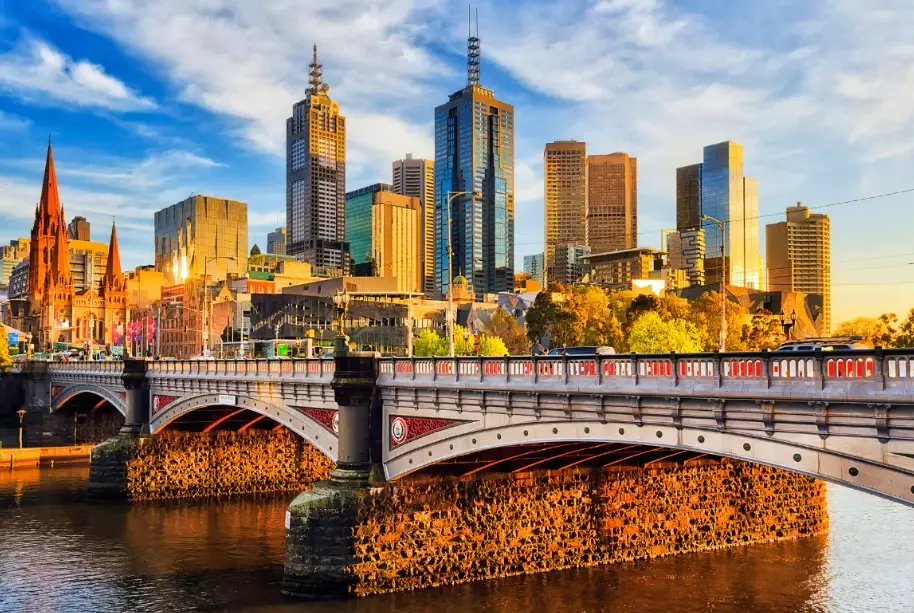
The Non-Negotiables: Coffee, Food & Sport
You can't talk about Melbourne without these three pillars. They're not pastimes; they're religions.
The Coffee Culture (It's Real)
The claim isn't hype. Melbourne has some of the best coffee on the planet. But it's more than the quality—it's the ritual. The local barista knows your name and your order. Cafes are places to work, read, or chat for hours. Chains like Starbucks famously failed here because they didn't get it. To dive into why, the Melbourne Coffee Festival website offers a peek into this deep obsession. A flat white is the standard order. My advice? Skip the places with flashy signs. The best coffee is often in a hole-in-the-wall with a simple machine and a serious-looking barista.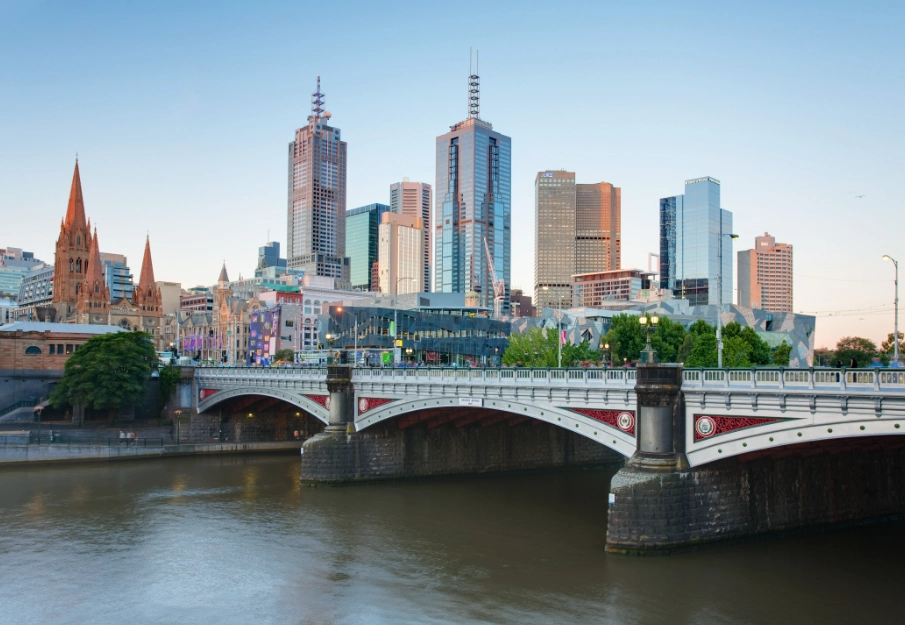
Food: From Fine Dining to Food Trucks
The food scene is staggering. You can find incredible cuisine from every corner of the globe, often in unassuming settings. The Queen Victoria Market is the historic heart, a place to buy fresh produce, gourmet treats, and everything in between. For the latest on what's hot, the Broadsheet Melbourne food guide is a local bible. But here's a quick hit-list of must-tries:
- Aussie Brunch: Avocado smash on sourdough, with a side of halloumi and a long black. It's a cliché for a reason.
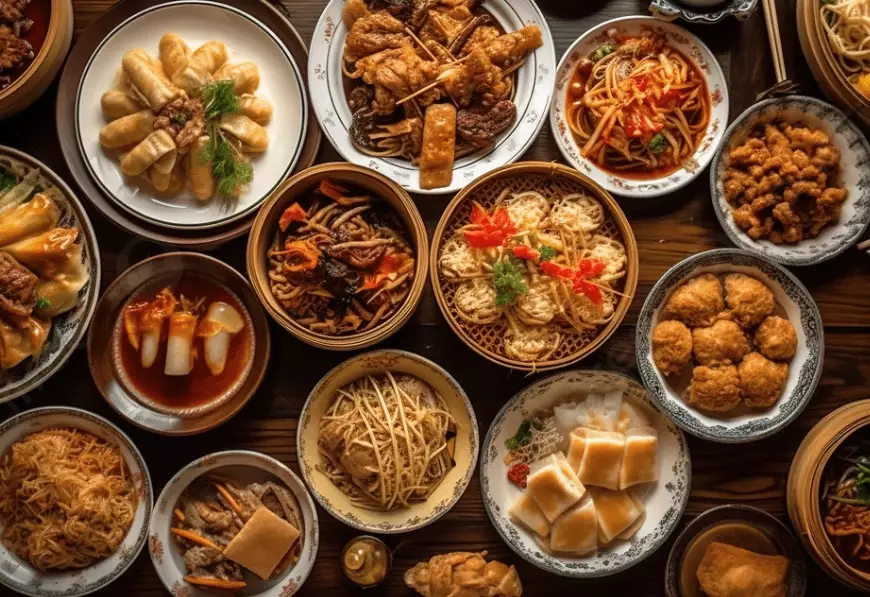
- Modern Asian: Melbourne excels at Vietnamese, Thai, and Chinese fusion. Chinatown is a start, but the best spots are in the suburbs like Richmond or Springvale.
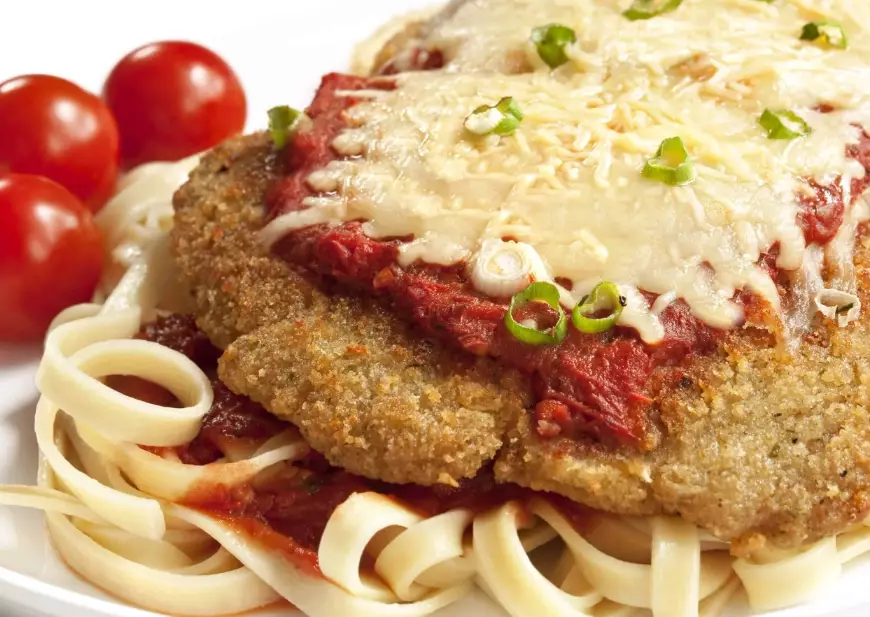
- Pub Grub, Elevated: The humble "parma" (chicken parmigiana) is a pub staple, but many pubs now have seriously good chefs in the kitchen.
Sport: The City's True Passion
If coffee is the religion, sport is the national anthem. Australian Rules Football (AFL) is king. From March to September, the city is consumed by it. Attending a match at the colossal MCG (Melbourne Cricket Ground) is a rite of passage—the roar of 90,000 people is unforgettable. In summer, cricket and the Australian Open tennis take over. The atmosphere at these major events, detailed on the MCG's official site, is electric. Even if you don't understand the rules, go for the vibe.
Getting Around: Trams, Myki, and Traffic
Melbourne's tram network is iconic—the largest in the world. It's charming, and it's the best way to traverse the inner city. The free tram zone within the CBD is a tourist lifesaver. But the system has a learning curve.
You need a Myki card (a reusable touch-on, touch-off card) for all trains, trams, and buses. The problem is that you can't buy one on a tram (you need to get one at a 7-Eleven or train station beforehand). I've seen countless tourists confused by this. Also, you must touch on AND off on trains and buses, but only touch on when boarding a tram (unless you're in the free zone). It's not intuitive.
Driving? The city center is a grid with some confusing hook turns (where you turn right from the left lane!). Parking is expensive and scarce. My advice: use public transport for the inner city and save the car for trips down the Great Ocean Road.
For the most up-to-date routes, planning, and Myki info, always check the official Public Transport Victoria (PTV) website. Don't rely on Google Maps alone for real-time tram disruptions.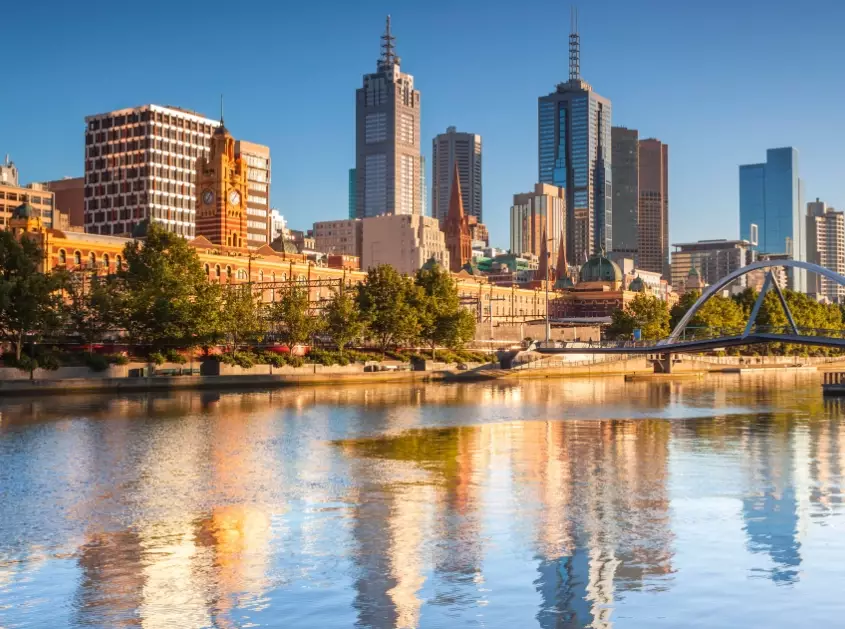
Practicalities of Life: Cost, Jobs, and the Big Move
So you're sold on the vibe. But can you afford to live in Melbourne city Australia?
The Cost of Living Reality
It's not cheap. Sydney is worse, but Melbourne is catching up. Rent is the biggest bite. A one-bedroom apartment in a desirable inner suburb will easily cost you over AUD $400 per week. Groceries, utilities, and eating out add up quickly. A decent coffee is $4.50, a pub meal with a drink is $30-$40. It's a major city with major city prices.
Job Market
Melbourne is a hub for finance, professional services, tech, healthcare, and education. The startup scene is vibrant. For job seekers, SEEK is the primary job board. Networking is key—many jobs are found through connections, especially in creative fields.
Visas & Moving
If you're not an Australian citizen or permanent resident, you'll need a visa. This is a complex area. The Australian Government's Department of Home Affairs website is the only authoritative source for visa requirements and processes. Do not rely on second-hand advice for this.
Day Trips & Escapes: Beyond Melbourne City
The beauty of Melbourne is that incredible diversity is on its doorstep. Rent a car for a weekend and explore.
- The Great Ocean Road: This is the iconic drive. The Twelve Apostles are stunning, but don't rush. Stop at the surf towns of Torquay and Lorne along the way.
- Yarra Valley: An hour east, this is wine country. World-class pinot noir and chardonnay, with beautiful cellar doors and restaurants.
- Mornington Peninsula: Beaches, hot springs, and more vineyards. A more low-key alternative to the Great Ocean Road.
- Phillip Island: Famous for the nightly Penguin Parade, where little penguins waddle ashore. It's touristy but genuinely charming.
Answers to the Questions You're Actually Asking
The Final Word
Melbourne city Australia isn't about ticking off a list of sights. It's a feeling. It's the comfort of finding your local cafe. The thrill of discovering a band in a sticky-floored pub. The collective groan (or cheer) of a city when a football player misses a goal. It's complex, layered, and demands that you engage with it.
It has its flaws—the weather can be miserable, the cost of living is rising, and the public transport system has its quirks. But for those who value culture, creativity, and community over constant sunshine and shiny landmarks, there's no place in Australia quite like it. It’s a city that gets under your skin and stays there. Give it more than a few days. Wander without a map. Talk to a local. You might just find yourself planning a longer stay.
After all, that's what happened to me. And while I've left, a part of me still considers that Melbourne city home.
Comments
Join the discussion