Explore This Guide
- The Big Picture: How Many Tourists Actually Visit the Philippines?
- Beyond the Arrival Count: Money, Jobs, and Impact
- Where is Everyone Going? A Look at Regional Data
- Digging Deeper: Visitor Profiles and Behavior
- The Future: Trends and Challenges in the Data
- Your Practical Guide: FAQs Based on the Data
- Wrapping It Up: Data as Your Travel Compass
Let's be honest, when most people hear "Philippines tourism statistics," their eyes might glaze over a bit. Spreadsheets, percentages, year-over-year growth... it can sound dry. But stick with me here, because once you dig into these numbers, you find the real story of a country that's captured the world's imagination. It's not just about counting heads; it's about understanding why people keep coming back, where they're spending their money, and what it all means for your next vacation or even a business idea. I remember scrolling through official reports a few years ago, trying to plan a trip, and realizing the data was a goldmine of practical info if you knew how to read it.
So, I've spent a good chunk of time sifting through the latest reports from the Department of Tourism (DOT) and other sources to break it down. We'll look beyond the headline figures and ask the questions you probably have. Is it too crowded? Where is everyone going? Is tourism helping the local communities, or just the big resorts? We'll get into all of that.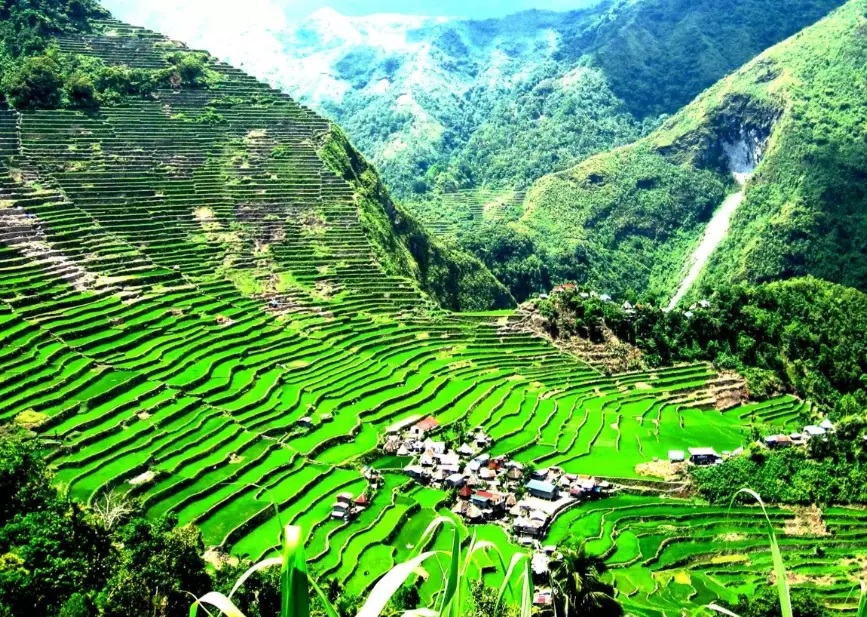
The Big Picture: How Many Tourists Actually Visit the Philippines?
This is usually the first number everyone wants to know. The Philippines tourism statistics on visitor arrivals tell a story of remarkable resilience and growth. Before the global pandemic brought travel to a standstill, the country was on a serious hot streak, breaking records year after year. The all-time high was in 2019, with over 8.26 million international visitors. That's a massive number, and it put the Philippines firmly on the map as a major Asian destination.
Key Data Point: The recovery post-pandemic has been strong, though not without its bumps. By 2023, arrivals had surged back to over 5.45 million, which is about 65% of the pre-pandemic peak. The government is bullish on getting back to and even surpassing those 2019 numbers in the next couple of years. You can track the official monthly and annual figures directly on the Philippines Department of Tourism website. It's their primary dashboard, and while the design isn't winning awards, the data is straight from the source.
But here's the thing about that headline number—it's just the starting point. Who are these millions of people? Where are they from? The breakdown by source market is where it gets really interesting for planning. If you see a huge surge in visitors from a particular country, you might guess that new direct flight routes opened up, or a hit TV show or movie was filmed there (hello, Korean dramas featuring Palawan!).
Let's look at the top players. For years, South Korea has been the undisputed number one source of tourists. We're talking about consistently delivering over a quarter of all foreign arrivals. Why? Well, relatively short flight times, beautiful beaches that look great on Instagram, and a strong cultural appeal. Following closely are the United States and Japan. The US market is huge partly due to the massive Filipino diaspora—balikbayans (returning Filipinos) visiting family and friends are a massive and stable segment of tourism traffic. China was a rapidly growing market pre-pandemic and is expected to be a major driver of future growth again.
| Top Source Country | Key Characteristics | Typical Destinations |
|---|---|---|
| South Korea | Largest market, loves beaches & islands, often travels in groups or families. | Boracay, Cebu, Bohol, Palawan |
| United States | High-spending, includes many balikbayans, longer average stays. | Manila, provinces of origin, major beach resorts |
| Japan | Appreciates nature, diving, and heritage sites, often repeat visitors. | Davao, Palawan, Banaue Rice Terraces |
| China | Pre-pandemic growth champion, attracted to casinos, shopping, and tours. | Manila, Boracay, emerging destinations like Pagudpud |
| Australia | Seeks sun, adventure, and value-for-money getaways. | Boracay, Siargao, Puerto Princesa |
Seeing this breakdown, you might wonder—does this mean some spots are overrun with specific nationalities? Sometimes, yeah. There are parts of Boracay and Panglao that can feel very Korean-centric, with signs and menus to match. That's not inherently bad—it creates a niche—but if you're seeking a more "local" or diverse vibe, you might look at emerging destinations that have a more mixed crowd. The Philippines tourism statistics by port of entry (like Manila, Cebu, or Clark) can give you clues about which gateways are getting busier, hinting at which regions are heating up.
Beyond the Arrival Count: Money, Jobs, and Impact
Visitor numbers are sexy, but the economic impact is what really matters to the country. This is where Philippines tourism statistics show their muscle. Tourism is a colossal job creator. The DOT estimates the sector supports millions of jobs, both directly (hotel staff, tour guides, transport) and indirectly (farming for restaurants, souvenir crafting, construction). In a country with a young population, that's a big deal.
Then there's the revenue. International tourism receipts—the money foreigners spend in the country—regularly hit billions of US dollars. This is a critical source of foreign exchange. But what do they spend it on? A decent chunk goes to accommodation and food, of course. But I think the interesting part is the growth in spending on experiences: diving courses in Moalboal, island-hopping tours in El Nido, canyoneering adventures in Cebu. This kind of spending is great because it spreads the wealth beyond just the big hotel chains to local boat operators, guides, and small eateries.
Personal Take: On a trip to Siargao, I noticed how the surf instructor I hired, a local guy, was now running a small guesthouse and a sandwich shop with his wife. His entire family's livelihood had pivoted to serving tourists in just a few years. That's the micro-level impact these Philippines tourism statistics represent. It's not just a number in a government report; it's changed lives. Of course, the flip side is the risk of over-dependence and inflation, which some locals on the island quietly grumble about.
However, it's not all positive. Leakage is a real issue in tourism economics worldwide, and the Philippines isn't immune. When a foreign-owned resort imports most of its food and management, a significant portion of the revenue "leaks" back out of the local economy. The challenge, which some social enterprises are tackling head-on, is to increase the share of tourist spending that stays within the local community. Looking at statistics on the growth of homestays, community-based tours, and purchases of local crafts can be a good indicator of progress here.
Where is Everyone Going? A Look at Regional Data
This might be the most practical section for you if you're planning a trip. The Philippines is an archipelago of over 7,000 islands, so tourism is NOT evenly distributed. The latest Philippines tourism statistics show a heavy concentration in a few superstar regions, but with some exciting challengers coming up fast.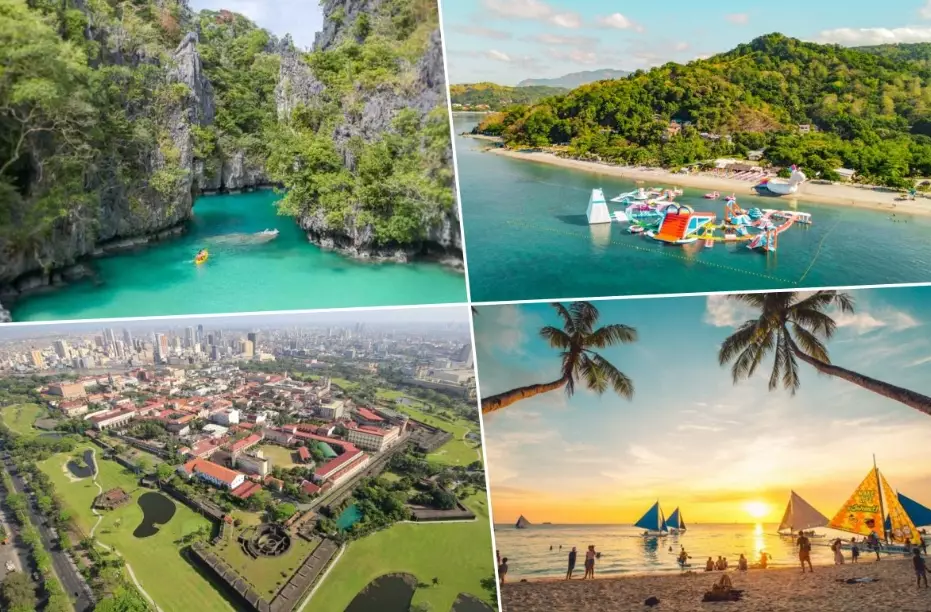
The crown jewel, in terms of sheer pulling power, is the MIMAROPA region (Mindoro, Marinduque, Romblon, Palawan). Palawan alone, with its global fame as "the best island in the world" according to several travel magazines, is a massive draw. El Nido, Coron, and Puerto Princesa are the big hitters here. The traffic numbers for the tiny airport in El Nido are staggering for its size.
Central Visayas (Cebu, Bohol, Siquijor) is the other powerhouse. Cebu City is a major international gateway and a business hub, while the islands of Cebu, Mactan, Bohol, and the now-famous Siargao in the neighboring Caraga region attract the leisure crowds. The statistics often show Cebu's Mactan airport giving Manila a run for its money as a tourist entry point.
Then you have the established star of Boracay, which is part of the Western Visayas region (Region VI). After its famous six-month closure for rehabilitation in 2018, the island's visitor statistics are carefully managed with a carrying capacity limit. It's a fascinating case study in trying to balance volume with sustainability. The data shows it's still incredibly popular, but the days of unchecked growth are over.
So where are the gaps? Where can you go to escape the crowds hinted at by these statistics?
Northern Luzon is chronically underrated. The Banaue Rice Terraces, the surfing in La Union and Baler, the cool climate of Baguio—they get visitors, but nothing like the beach destinations. The statistics for the Ilocos Region or the Cordillera Administrative Region are much smaller, which translates to less infrastructure but also more authentic encounters. Similarly, Mindanao, beyond the popular surf spot of Siargao, has huge potential but receives a fraction of the tourist traffic of Luzon or the Visayas. The data shows a cautious but steady growth in areas like Davao and Camiguin, which is promising.
Digging Deeper: Visitor Profiles and Behavior
Okay, we know how many, where from, and where to. But what are they like? What do they want? This is where surveys and more nuanced Philippines tourism statistics come in.
The average length of stay is a crucial metric. Tourists from farther away (like the US or Europe) tend to stay longer, often two weeks or more, to justify the long flight. Asians from neighboring countries might take more frequent, shorter trips. A longer stay generally means more spending per trip, which is great for the economy.
Travel purpose is another big one. The majority are here for vacation/leisure—that's the sun-and-sand image. But a significant and valuable segment is for Visiting Friends and Relatives (VFR). These balikbayans are the backbone of stable, year-round tourism in many provinces. They might not stay in hotels, but they spend generously on family parties, shopping, and local services. Business travel and MICE (Meetings, Incentives, Conventions, Exhibitions) is another segment the government is pushing hard to grow, with new convention centers in Cebu and Clark.
Then there's the rise of the digital nomad and the "workation" trend. It's not perfectly captured in official statistics yet, but you can see its effects in the proliferation of co-working spaces in places like Boracay, Siargao, and even in smaller towns with good internet. This is creating a new type of visitor who stays for a month or more, blending tourism and remote work.
"The future of Philippine tourism isn't just about packing in more bodies. It's about attracting visitors who stay longer, spend in the local community, and have a lighter environmental footprint. The statistics are starting to reflect this shift in strategy."
The Future: Trends and Challenges in the Data
Where is this all headed? Analyzing Philippines tourism statistics isn't just about the past; it's about spotting trends. A few are crystal clear.
Sustainable and eco-tourism is no longer a niche. It's a mainstream demand, especially from Western and younger travelers. Statistics showing growth in visits to national parks, marine sanctuaries, and UNESCO World Heritage Sites (like the Baroque churches or the Rice Terraces) point this way. The downside? Some of these fragile places are struggling with their own popularity. I've heard firsthand from conservationists in Palawan who worry that the very beauty that attracts people is being loved to death.
Domestic tourism is the unsung hero. When international travel halted during the pandemic, domestic travelers kept the industry on life support. Filipinos love to travel within their own country, and this massive market is a stabilizing force. Statistics on domestic passenger flights, hotel occupancy from local guests, and visits to local attractions are huge. Any serious analysis of Philippines tourism statistics must consider this domestic engine.
Infrastructure is both a challenge and a catalyst. New airports (like the one in Bohol-Panglao), expanded terminals (in Cebu and Clark), and improved highways directly influence where tourists can and will go. You'll often see a spike in a destination's visitor numbers in the year after a new airport opens or a direct international flight is launched. The data doesn't lie on this correlation.
Finally, there's the challenge of "over-tourism" in hotspots versus "under-tourism" elsewhere. The statistics dramatically highlight this imbalance. The government's solution is promoting alternative destinations—lesser-known gems like Sorsogon, Samar, or the Batanes islands. The success of this dispersal strategy will be one of the most interesting things to watch in the Philippines tourism statistics over the next decade.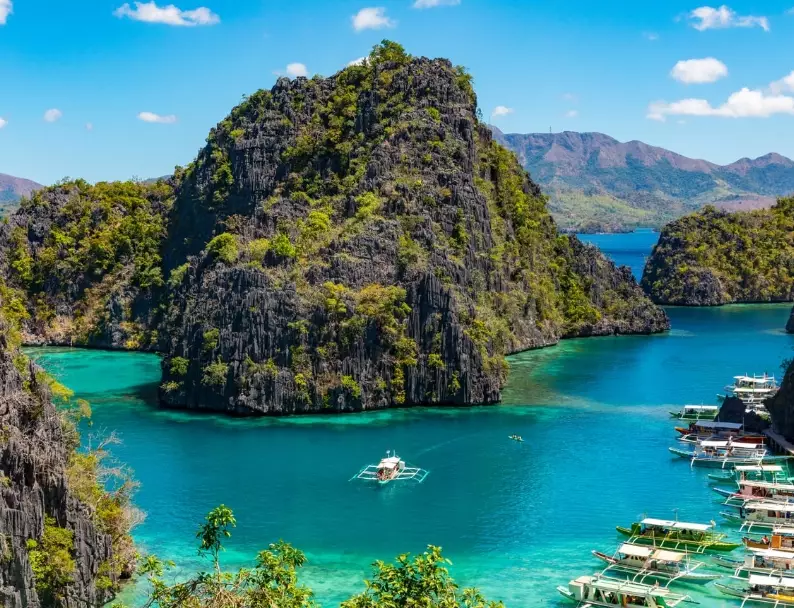
Your Practical Guide: FAQs Based on the Data
Frequently Asked Questions About Philippines Travel Data
Q: Based on the statistics, what is the absolute best time to visit the Philippines to avoid crowds?
A: The data shows clear peaks during the dry season (November to April) and around major holidays (Christmas, Holy Week, summer break from March-May). For fewer crowds, target the shoulder months of late October/early November or May. Just be prepared for a higher chance of rain, especially in May. The wet season (June-October) has the lowest tourist arrivals statistically, but you trade crowd-free beaches for unpredictable weather.
Q: Are some islands too crowded now? Where should I go instead?
A: Boracay, despite its carrying capacity limits, and parts of El Nido in peak season can feel very busy. The statistics confirm they are the top draws. Consider these alternatives based on similar vibes: Instead of Boracay, look at the beaches of Panglao (Bohol) or Guimaras. Instead of El Nido/Coron, explore the stunning but less-visited islands in Romblon (Tablas, Sibuyan) or the southern part of Palawan (Balabac, though this is for adventurers).
Q: How reliable are these Philippines tourism statistics?
A: They are generally reliable for tracking trends and major movements, as they are compiled from official arrival cards at ports and airports by the Bureau of Immigration and processed by the DOT. However, like any national statistics, they can have a margin of error and may not instantly capture every single visitor. For the most accurate and current official data, always refer to the Department of Tourism's official website or publications from the Philippine Statistics Authority (PSA).
Q: I'm a budget traveler. What do the statistics say about costs?
A: The data on average daily spending is helpful. It shows you can travel on a tight budget outside the major resorts by eating at local carinderias (eateries), using public transport like jeepneys and buses, and staying in guesthouses. Destinations like Baguio, Dumaguete, or Iloilo City offer great value. The superstar islands and Manila will always be more expensive.
Q: Is the Philippines safe for tourists? What do the numbers say?
A: Tourism statistics aren't safety reports. However, the continued year-on-year growth in visitor arrivals from all major markets is a strong indirect indicator that the vast majority of tourists have safe and positive experiences. Standard travel precautions apply, of course. For official travel advisories, you should check your own government's foreign affairs website.
Wrapping It Up: Data as Your Travel Compass
So, there you have it. Philippines tourism statistics are far from boring. They're a dynamic map of trends, opportunities, and challenges. They tell you where the crowds are, where the money is flowing, and where the next great destination might be. For the traveler, they help you make smarter choices—maybe you'll choose to visit during the shoulder season, or venture to an emerging region. For anyone in the business, they're essential for planning.
The key takeaway? The story of Philippine tourism is one of powerful growth, but with a growing awareness of the need for balance. The future, as reflected in the latest strategic plans and the data itself, points towards more sustainable, community-inclusive, and geographically dispersed tourism. The numbers are moving in that direction, and that's a good thing for everyone—for the country, for the local communities, and for you, the visitor, looking for an authentic and amazing experience.
Next time you see a headline about Philippines tourism statistics, you'll know there's a whole world of insight behind that one big number. Dive in. It makes the trip that much more interesting.




Comments
Join the discussion