Your Quick Navigation
- Where to Go: Beyond the Postcard
- Getting Around: Trains, Planes, and Automobiles (and Buses!)
- Where to Stay: From Pubs to Palaces
- Eating & Drinking: More Than Fish and Chips
- Practical Stuff You Really Need to Know
- Saving Money on Your UK Tourism Adventure
- Answering Your Burning Questions
- Putting It All Together: A Sample 10-Day Itinerary Idea
Let's be honest, planning a trip to the United Kingdom can feel overwhelming. You've got the classic postcard images in your head—Big Ben, kilts in Scotland, maybe the Beatles—but there's this nagging feeling you're missing the real story. I remember my first trip. I landed at Heathrow with a guidebook that felt about as useful as a chocolate teapot (a very British saying you'll pick up). I spent half my budget before I even left London and completely missed some of the most incredible spots because they weren't on the "top 10" lists. Sound familiar?
This guide is different. It's the one I wish I'd had. We're going to talk about the big hitters, sure. But we're also going to dive deep into the villages, coastlines, and local secrets that make UK tourism so special. We'll tackle the practical stuff that other guides gloss over, like how to actually use the trains without going bankrupt, what the weather really does, and how to have a proper pint without looking like a tourist. Think of this as a chat with a friend who's been there, made the mistakes, and found the magic.
What's the goal here? To give you everything you need to plan a trip that's uniquely yours. Whether you're after history, hiking, high culture, or just a good old-fashioned pub crawl, we've got you covered. This guide aims to be your one-stop resource for UK tourism, from that first spark of an idea to the memories you'll bring home.
Where to Go: Beyond the Postcard
Everyone knows London, Edinburgh, and maybe Oxford. But the UK's soul is often in the spaces between. Let's break it down.
The Big Cities (And Why You Shouldn't Skip Them)
You can't talk about UK tourism without starting here. These cities are icons for a reason.
London is a universe in itself. Yes, see the Tower, the Eye, and Buckingham Palace. But then, get lost. Wander through Borough Market and taste your way through it. Take a walk along the South Bank as the sun sets. My personal, slightly controversial take? Skip the expensive London Eye ride and head to the free viewing terrace at the Tate Modern for an arguably better view. For the most authoritative information on planning your London visit, including events and exhibitions, always check the official Visit London website.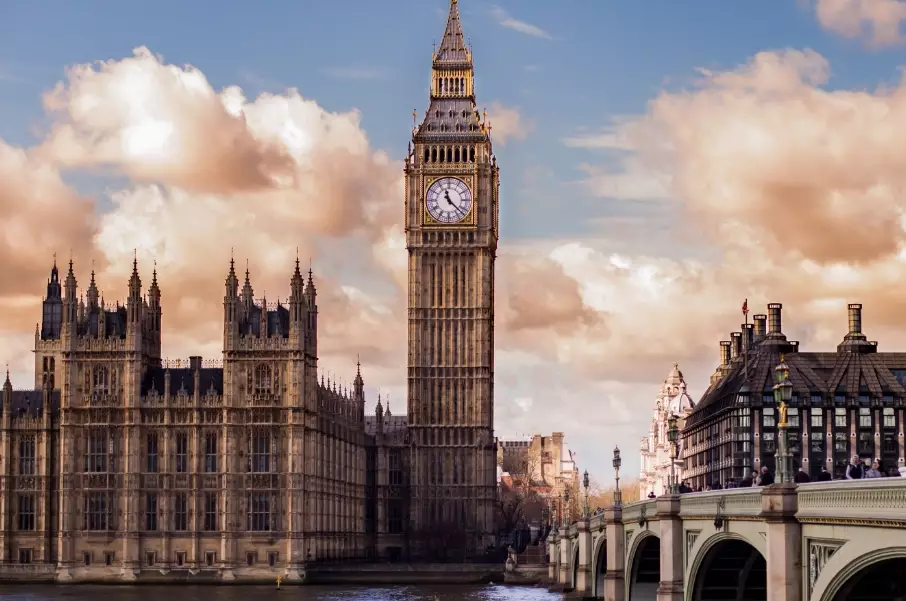
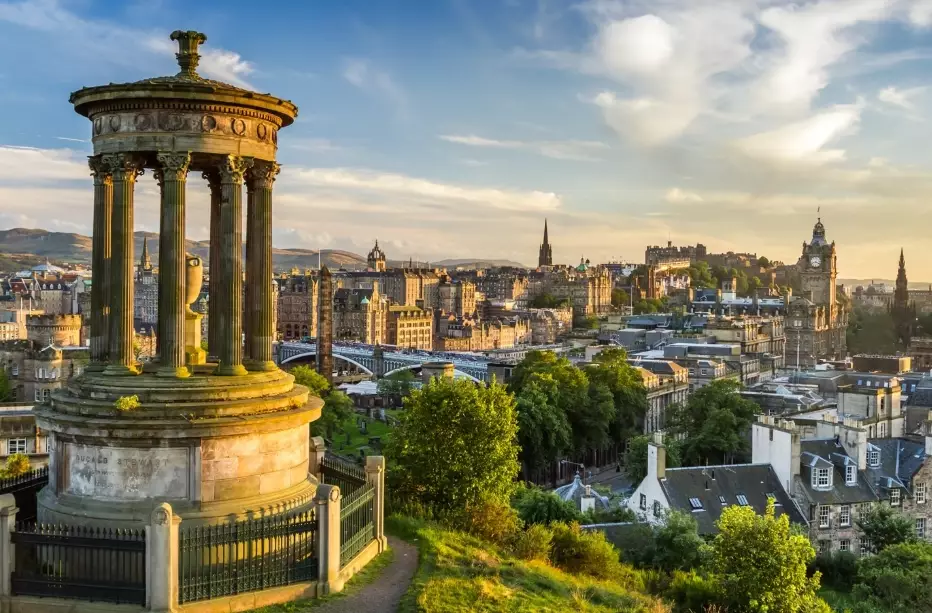
Edinburgh feels like a storybook. The Royal Mile, the castle looming over everything—it's stunning. Time your visit for August if you can handle the chaos of the Fringe Festival, or come in winter for the magical Christmas markets. Just be ready for hills. So many hills.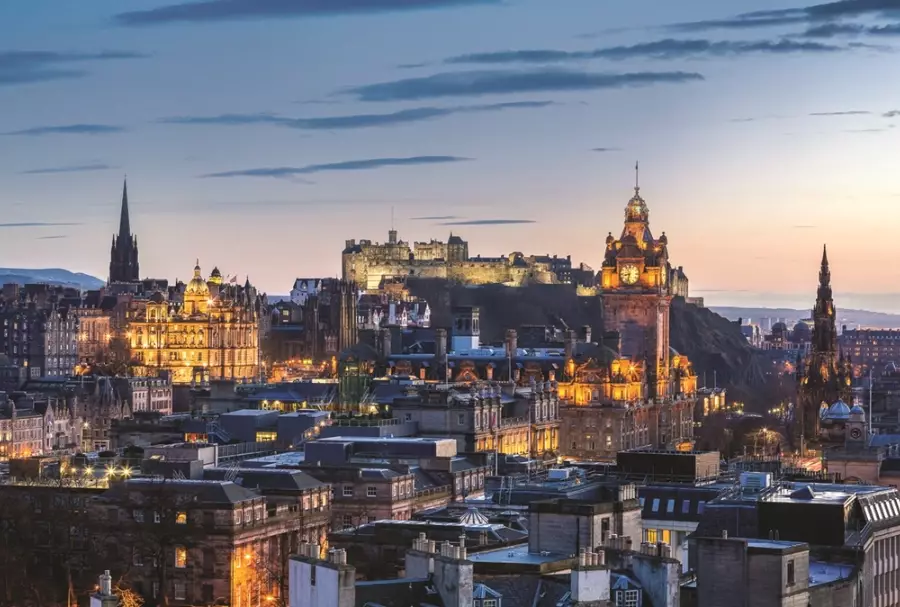
Bath, York, and Oxford are your history trifecta. Bath's Roman Baths are incredible (book ahead!). York's Shambles will make you feel like you've stepped into Diagon Alley. Oxford's university vibes are palpable. They can be touristy, but they're worth it.
A word of warning: Don't try to do all the big cities in one go if you only have a week or two. You'll spend your entire trip on trains and in a blur. Pick two, maybe three, and connect them with some countryside. The pace of UK tourism is best enjoyed slowly.
The Hidden Gems Most Tourists Miss
This is where your trip becomes unforgettable. Here are a few spots that consistently wow people.
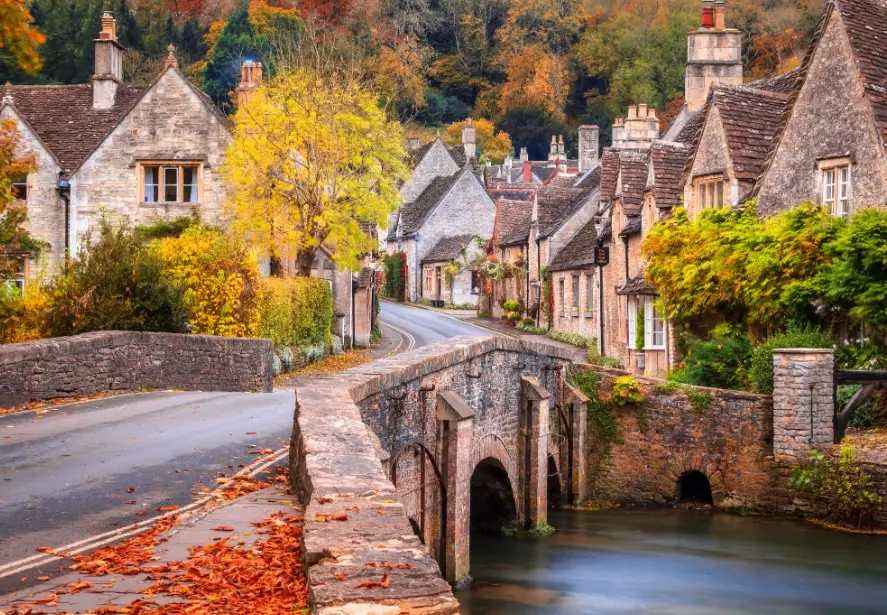
- The Cotswolds: Picture-perfect villages of honey-colored stone. Bourton-on-the-Water, Stow-on-the-Wold. It's as charming as it gets, though it can feel a bit like a film set in peak summer.
- The Lake District: Wordsworth's old stomping ground. If you like hiking, dramatic lakes, and cozy pubs with fireplaces, this is your place. Windermere is the hub, but try to get to lesser-known Buttermere or Ullswater.
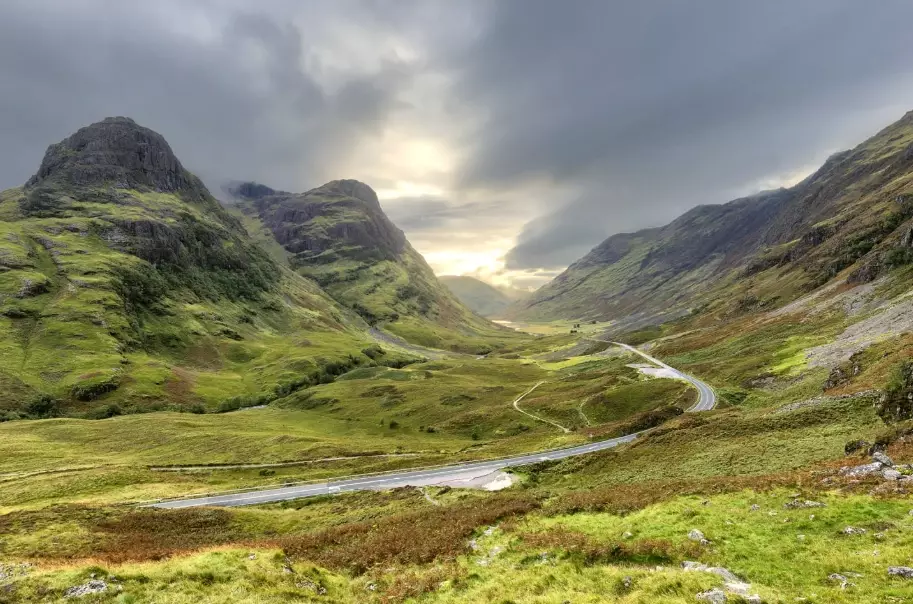
- The Scottish Highlands: This is raw, epic beauty. Driving the North Coast 500 route is a dream road trip. You'll see more sheep than people. Isle of Skye is famous for a reason—its landscapes are otherworldly.
- Northumberland Coast: Ancient castles like Bamburgh standing guard over empty, golden beaches. It feels wild and undiscovered compared to the south.
- Northern Ireland's Causeway Coast: The Giant's Causeway is the star, but the whole drive from Belfast to Derry is spectacular. The Dark Hedges, Carrick-a-Rede Rope Bridge—it's all stunning.
My personal experience: I once skipped the crowded Jacobite Steam Train (the "Hogwarts Express") in Scotland and instead took a local bus to a tiny village called Plockton. I ate fresh seafood by the water, chatted with locals, and saw dolphins in the bay. It cost a fraction of the price and is one of my top UK tourism memories. Sometimes the detour is the destination.
Getting Around: Trains, Planes, and Automobiles (and Buses!)
This is the part that causes the most headaches. UK transport can be brilliant or baffling.
The Great Train Debate
Train travel is the classic way to see the country. It's scenic, you can relax, and you arrive in city centers. But, and it's a big but, it can be expensive if you don't plan.
Money-Saving Train Tips:
- Book in advance: Tickets usually go on sale 8-12 weeks ahead. The price difference between an "Advance" ticket bought weeks early and an "Anytime" ticket on the day can be hundreds of pounds.
- Use split-ticketing websites: Sometimes, buying a ticket from A to C is more expensive than buying one from A to B and another from B to C, even if you stay on the same train. Sites like TrainSplit do this legally for you.
- Consider a Railcard: If you're traveling as a pair (Two Together Railcard), are 16-25, or 60+, a Railcard saves you 1/3 on most fares. It often pays for itself in one journey.
- Always check the official National Rail website for schedules and to plan your route.
Is it worth it? For longer journeys between major cities (London to Edinburgh, London to York), absolutely. For hopping between small villages, maybe not.
Renting a Car: Freedom with a Side of Stress
Want to explore the Cotswolds, Highlands, or coastal Wales properly? You'll probably need a car.
The good: Total freedom. Discover that tiny pub, stop at that viewpoint, go where the buses don't.
The bad: Driving on the left. Narrow country lanes (I'm talking hedge-tunnels so tight you have to fold your mirrors in). Expensive fuel. And parking in cities is a nightmare and wildly expensive.
My advice? Use trains between major hubs, then rent a car for 3-4 days to explore a specific rural region. It's the best of both worlds for your UK tourism adventure.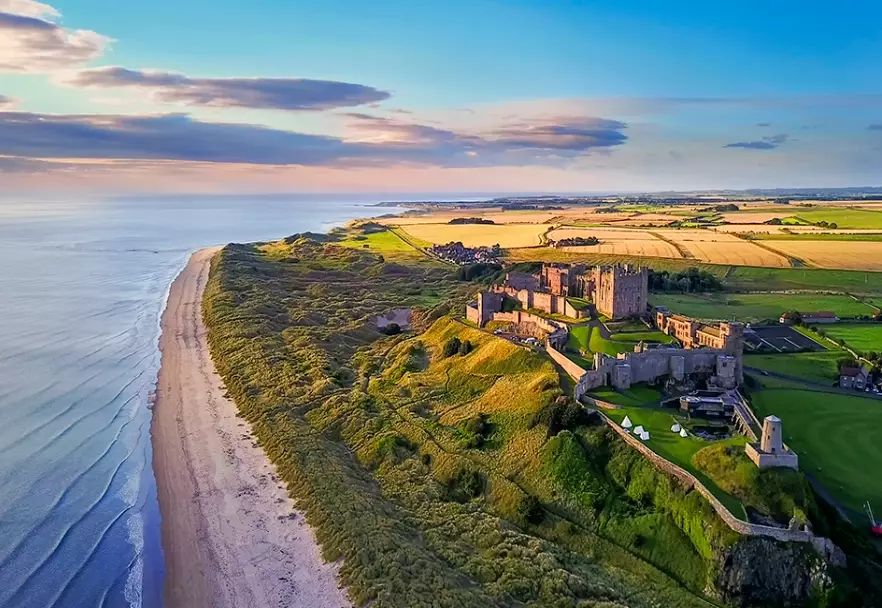
Buses and Coaches: The Budget Hero
Don't overlook them! Companies like National Express and Megabus are significantly cheaper than trains, especially last-minute. The London to Edinburgh coach can be as low as £20 if you're flexible. The trade-off is time—it takes twice as long. But if you're on a tight budget, they're a lifesaver. For local buses in the countryside, services can be infrequent, so always check timetables the day before.
Where to Stay: From Pubs to Palaces
Accommodation will be one of your biggest costs. Here's the lay of the land.
| Type | Best For | Average Cost (Per Night) | Pro Tip |
|---|---|---|---|
| Hotels | City breaks, convenience | £80 - £200+ | Look for hotels just outside the main tourist zone for better value. |
| Bed & Breakfasts (B&Bs) | Countryside charm, local tips | £60 - £120 | The breakfast is usually huge and fantastic. A real UK tourism staple. |
| Pubs with Rooms | Character, atmosphere, no need to drive | £70 - £150 | My favourite option. You're in the heart of the community. Book dinner too! |
| Self-Catering Cottages | Families, groups, longer stays | £100 - £250+ | Perfect for rural regions. Lets you live like a local. |
| Hostels | Solo travelers, tight budgets | £20 - £40 | Many have private rooms now. Not just for backpackers. |
Booking direct with the B&B or pub can sometimes get you a better rate or a freebie like a drink on arrival. It's always worth an email.
"I booked a last-minute room above a pub in a Yorkshire village. The landlord gave me a map with his favourite walk, which ended at another pub he phoned ahead to. That kind of local insight is priceless and what makes UK tourism special."
Eating & Drinking: More Than Fish and Chips
British food has had a revolution. It's not all brown food anymore.
The Pub: The heart of British life. It's not just for drinking. Go for a Sunday Roast (a non-negotiable experience), a pie, or a ploughman's lunch. Order at the bar, don't wait for table service. And if someone offers to buy you a drink in a round, it's polite to get the next one.
Beyond the Pub: London, Manchester, Bristol, Glasgow have incredible, diverse food scenes. Borough Market, Maltby Street Market, food halls—explore. Even small towns now have fantastic cafes and restaurants using local produce.
Must-Trys: A full English breakfast (at least once), a Cornish pasty (the proper handheld meal), sticky toffee pudding, afternoon tea (splurge on a nice one), and yes, fish and chips by the sea (with salt and vinegar, please).
My pet peeve? Some tourist-trap restaurants in central London serving awful, overpriced food. Walk ten minutes away, check reviews, and you'll eat ten times better.
Practical Stuff You Really Need to Know
Money
The UK uses the Pound Sterling (£). Credit/debit cards (especially contactless) are accepted almost everywhere, even on buses. Still, carry some cash for small vendors, market stalls, and tipping in taxis. Tipping is not as aggressive as in the US—10-12% in restaurants if service isn't included is fine.
Weather (The National Obsession)
It's unpredictable. The saying "four seasons in one day" is true, especially in Scotland and the hills. Pack layers. A waterproof jacket is essential, even in summer. Don't let rain stop you—just pop into a museum or a cozy pub. The light after a rainstorm can be magical. For the most reliable forecasts, the Met Office is the official source.
Culture & Etiquette
- Queuing: It's sacred. Don't push in.
- Please and Thank You: Use them constantly. "Cheers" often means thanks.
- Small Talk: The weather is the universal opener. Embrace it.
- Pubs: It's not rude to strike up a conversation at the bar. It's normal.
Saving Money on Your UK Tourism Adventure
It's not a cheap destination, but you can be smart.
- Free Museums: A huge perk! The British Museum, Tate Modern, National Galleries in London and Edinburgh, most city museums—all free. Donations are welcome.
- Heritage Passes: If you love castles and stately homes, an English Heritage or National Trust for Scotland pass can save you a fortune if you visit several sites.
- Lunch Deals: Many restaurants offer a fixed-price lunch menu that's much cheaper than dinner.
- Walk: The best UK tourism is often free. Walk along the Thames, hike in a National Park, explore city neighborhoods on foot.
- Travel Off-Peak: Avoid UK school holidays (especially July-August) if you can. Prices for everything soar.
Answering Your Burning Questions
Generally, yes, especially in cities and major tourist spots. Signage is in English, but you'll find information in multiple languages at key attractions. In very rural areas, you'll manage with basic English and gestures. People are usually patient and willing to help.
This is the big one. You can't "do" the UK in a week. Be realistic.
- 5-7 days: Focus on one region. London and a couple of day trips (Oxford, Bath). Or just Edinburgh and the Scottish Highlands.
- 10-14 days: A good introduction. London (4 days) + train to York (2 days) + train to Edinburgh (3 days) + maybe a short Highlands tour.
- 3 weeks+: Now you can breathe. Add in a rural region like the Lake District, Cotswolds, or Wales properly.
Depth beats breadth every time in UK tourism.
There is no "bad" time, just different.
Summer (Jun-Aug): Warmest, longest days, most events. Also most crowded and most expensive. Book everything far in advance.
Spring (Apr-May) & Autumn (Sep-Oct): My personal favourites. Fewer crowds, milder weather, beautiful colours. Ideal for hiking and city breaks.
Winter (Nov-Mar): Cold, short days, but magical Christmas markets, cozy pubs, and you'll have castles almost to yourself. Great for museums and city culture.
Sustainable Travel Note: The UK tourism industry is increasingly focused on sustainability. Consider taking trains over planes, supporting local businesses (that pub with rooms, the farm shop cafe), using refillable water bottles (tap water is safe), and sticking to paths in natural areas to protect the landscape. Organizations like VisitBritain have resources on responsible travel.
Putting It All Together: A Sample 10-Day Itinerary Idea
To give you a concrete idea, here's a balanced mix of city and country.
- Days 1-4: London. Hit the major sights, but dedicate one day to a neighborhood like Camden or Greenwich. See a West End show.
- Day 5: Train to York. (2 hrs). Explore the medieval walls, the Minster, the Shambles. Stay in a central B&B.
- Day 6: Pick up a rental car in York. Drive into the Yorkshire Dales (about 1 hr). Small villages, waterfalls, hikes. Stay in a pub in a village like Reeth or Hawes.
- Day 7: Explore the Dales. Drive to Malham Cove, a stunning limestone formation. Maybe do a short walk.
- Day 8: Drive to the Lake District (2-2.5 hrs). Base yourself in Grasmere or Ambleside. An afternoon lake cruise on Windermere.
- Day 9: A proper hike. Maybe Catbells for incredible views without being too extreme. Pub dinner.
- Day 10: Drop car at Manchester or Liverpool airport (1.5-2 hrs drive) and fly home.
This gives you history, culture, stunning scenery, and a taste of local life—the full spectrum of what UK tourism offers.
So, there you have it. A massive, hopefully helpful brain dump on traveling the UK. It's a place that rewards curiosity. Don't just tick boxes. Sit in a village green, chat to a farmer in a pub, get caught in a rain shower and laugh about it. That's when you'll fall in love with the place.
Planning is key, but leave room for spontaneity. That unplanned detour might just be the highlight of your trip. Now, go start looking at train times and dreaming of castles. Your UK adventure is waiting.



Comments
Join the discussion