What You'll Find in This Guide
Yes, American citizens can visit the Maldives. But let's be honest – it's not just about booking a flight and packing a swimsuit. I've traveled there from the US multiple times, and I've seen friends make expensive mistakes, like showing up with a passport that expires too soon. This guide cuts through the noise to give you the real deal on visas, costs, and insider tips.
Visa and Entry Requirements for US Citizens
Here's the good news: Americans don't need a pre-arranged visa for tourist stays up to 30 days. You get a free visa on arrival at Malé International Airport. But there are catches. Your passport must be valid for at least six months from your entry date. I once met a traveler from California who had to turn back because their passport expired in five months – a costly error that ruined their vacation.
You also need proof of onward travel (like a return ticket) and confirmed accommodation. The Maldives Immigration website suggests having at least $100 per day, but in practice, they rarely check if you have a hotel booking. Still, keep a digital copy of your itinerary handy. I always print mine out, just in case.
Essential Documents Checklist
- Passport with six months validity – check the expiration date now.
- Return or onward ticket – airlines might deny boarding without it.
- Hotel or resort reservation – even a guesthouse booking works.
- Travel health insurance – not mandatory, but smart. I use World Nomads for coverage.
A common oversight? Not realizing that visa-free entry is for tourism only. If you plan to work or stay longer, you'll need to apply for an extension through the Maldives Immigration Department.
Current Travel Restrictions and Health Protocols
As of now, there are no COVID-19 testing or vaccination requirements for entry. But things can change overnight. Before my last trip, I checked the U.S. Department of State's travel advisory for the Maldives and the Maldives Health Protection Agency website. Do the same – it takes five minutes and saves headaches.
Some resorts might still have their own rules. For example, a friend visited a luxury resort that required a negative test for spa access. Call your resort directly to confirm. Also, dengue fever is a risk in tropical areas; pack insect repellent. I learned this the hard way after a few itchy nights.
Best Time to Visit the Maldives
The Maldives has a tropical climate with two main seasons: dry (November to April) and wet (May to October). The dry season is ideal – sunny days, calm seas – but it's peak tourist season. Prices for flights and resorts can double. I went in December once and paid $300 more for the same room compared to May.
If you're on a budget, consider the shoulder months. May or October offer decent weather with occasional brief showers. I visited in May, and yes, it rained for an hour one afternoon, but the resorts were half-empty, and I saved 30% on my stay. The snorkeling was still amazing.
Here's a quick breakdown by month:
- November-April: Peak season, best weather, highest prices.
- May-October: Off-season, more rain, lower prices, fewer crowds.
Think about what matters to you. For honeymooners, splurging in peak season might be worth it. For solo travelers or families, shoulder seasons offer better value.
How to Get There from the USA
There are no direct flights from the US to the Maldives. You'll connect through major hubs like Dubai (Emirates), Doha (Qatar Airways), or Istanbul (Turkish Airlines). Flight times range from 20 to 30 hours including layovers. It's a long haul.
I usually book with Qatar Airways via Doha – their service is reliable, and Hamad Airport has great lounges. Round-trip economy fares from New York start around $1,000 if booked early. Last-minute bookings can spike to $1,500 or more. Use tools like Google Flights or Skyscanner to track prices.
Once you land in Malé, you'll need to transfer to your resort. This is where costs add up. Seaplane transfers can cost $300-$500 per person round-trip. Some resorts offer speedboat transfers for around $100. Check with your accommodation beforehand. I made the mistake of not factoring this in and ended up paying $400 extra.
Where to Stay: From Luxury Resorts to Local Islands
Most Americans dream of overwater bungalows. And they're stunning – but pricey. A night at a top resort like Soneva Fushi or Conrad Maldives can run over $1,000. If that's your budget, go for it. The service is impeccable.
But there are alternatives. Local island guesthouses have boomed in recent years, offering authentic experiences at a fraction of the cost. I stayed on Maafushi island at a guesthouse called Kaani Beach Hotel for $80 a night, including breakfast. You get to interact with locals, eat Maldivian food, and support the community directly. The beaches are public, but just as beautiful.
Here's a comparison to help you decide:
| Accommodation Type | Average Price/Night | Best For | Notes |
|---|---|---|---|
| Luxury Resort | $500 - $2,000+ | Honeymooners, luxury seekers | All-inclusive options available; seaplane transfers common. |
| Boutique Hotel | $200 - $500 | Couples, small groups | Often on private islands; more intimate than large resorts. |
| Local Guesthouse | $50 - $150 | Budget travelers, cultural experience | Book via platforms like Booking.com; check reviews carefully. |
A non-consensus view: Don't assume all-inclusive is always better. At some resorts, the food can be mediocre, and you're stuck eating there. I prefer booking half-board and exploring local cafes on nearby islands.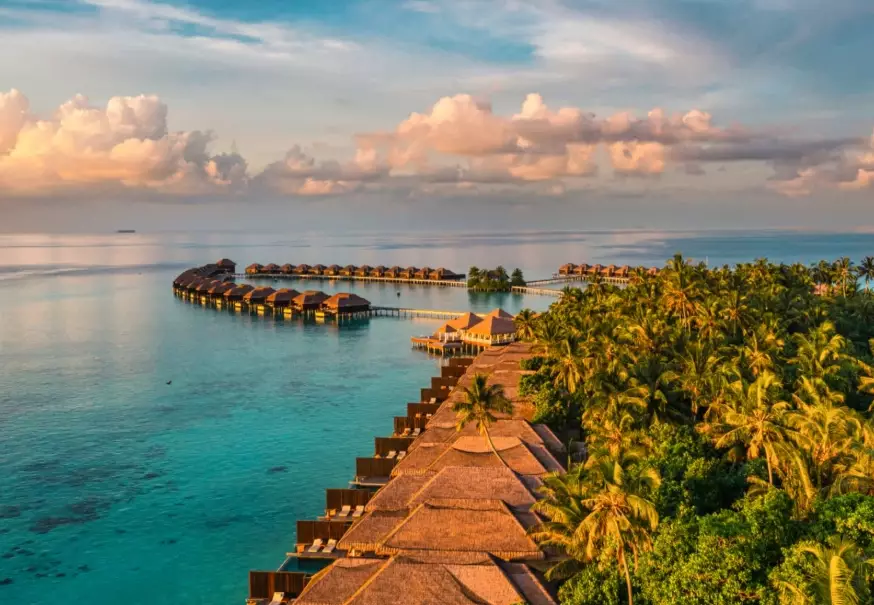
What to Do: Beyond the Beach
Lounging on the beach is great, but the Maldives offers more. Snorkeling and diving are top-notch. The coral reefs are among the world's best. I recommend a dive trip to Banana Reef or Manta Point – you'll see sharks, turtles, and vibrant fish. Prices range from $50 for a snorkeling trip to $150 for a two-tank dive.
Other popular activities include dolphin watching ($40-$60 per person), sunset cruises ($30-$50), and visiting Malé, the capital. But here's my take: skip the crowded group tours. Book a private boat with a local guide. It costs about the same, and you get a personalized experience. I did this with a fisherman on Dhangethi island, and we explored hidden lagoons away from tourists.
For adventure, try water sports like kayaking or windsurfing. Many resorts include these for free. But if you're on a local island, rent gear from small shops – it's cheaper.
Budget Planning for American Travelers
Let's talk numbers. A week in the Maldives can cost from $2,000 to over $10,000 per person, depending on your choices. Here's a sample breakdown for a budget-conscious traveler from the US:
- Flights from Los Angeles: $1,200 round-trip (economy, booked early).
- Accommodation (guesthouse, 7 nights): $560 ($80/night).
- Food and drinks: $300 (eating at local cafes).
- Activities: $200 (snorkeling, excursions).
- Transfers: $100 (speedboat from Malé).
- Total: Around $2,360 per person.
For a luxury trip, double or triple that. Resorts often charge extra for everything – a bottle of water can cost $10. To save money, travel off-peak, book flights 3-6 months ahead, and consider package deals. But watch out for hidden fees. I once booked an all-inclusive package that didn't cover alcohol, adding $200 to my bill.
Use credit cards with no foreign transaction fees. I use Chase Sapphire Preferred for points and travel protections.
Safety and Health Tips
The Maldives is generally safe for tourists. Violent crime is rare, but petty theft can happen in crowded areas like Malé markets. Keep your valuables secure. I always use a money belt for passports and cash.
Health-wise, drink bottled water – tap water isn't safe in many places. The sun is intense; I got a nasty sunburn on my first trip because I underestimated the UV index. Pack high-SPF sunscreen and reapply often. Also, be cautious with marine life; some corals and fish can be harmful if touched.
The U.S. Department of State issues a Level 2 travel advisory for the Maldives, advising increased caution due to terrorism risk. However, incidents are rare in tourist zones. Stick to resorts and popular islands, and avoid political demonstrations.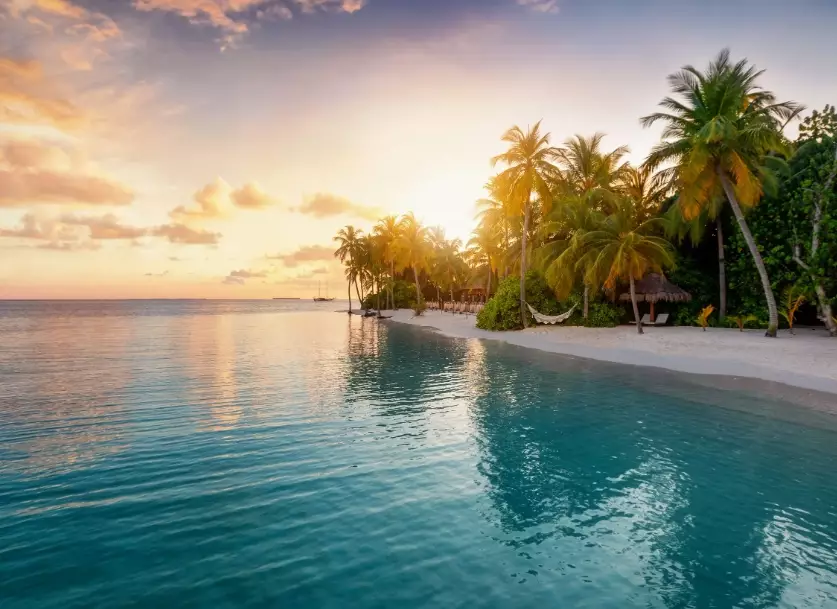
Comments
Join the discussion