Explore the Insights
So, you're curious about the Tahiti population. Maybe you're planning a trip and wondering how crowded it might be. Or perhaps you're doing some research, heard a figure thrown around, and thought, "Wait, is that right?" I get it. When I first started looking into this, I found a lot of dry, outdated stats that didn't tell the whole story. The official number is one thing, but what does it actually mean for the island, its culture, and its future? Let's dig into that.
First thing's first. When people ask about the population of Tahiti, they're usually talking about the main island within French Polynesia. But here's where it gets tricky, and frankly, a bit annoying if you're not careful. Administratively, "Tahiti" often refers to the island itself, which is part of a larger administrative subdivision called... also "Windward Islands" (Îles du Vent). And then you have communes like Papeete, which is the capital city. So, the number you get depends entirely on what boundary you're looking at. I wish sources were clearer about this from the get-go.
The Core Figure: Based on the latest official census data from ISPF (Institut de la statistique de la Polynésie française), the French Polynesian statistical office, the island of Tahiti had a population of roughly 191,000 inhabitants in the 2022 census. That's the single island. The entire Windward Islands group, which includes Moorea, Maiao, and Tetiaroa, had about 212,000 people. And the urban area of Papeete, which sprawls across several communes, is home to over 136,000 people. See what I mean? You need to be specific.
That number, around 191,000, feels surprisingly small to a lot of visitors. They imagine a tropical paradise teeming with people, but the reality is more nuanced. Tahiti is the economic and political heart of a vast territory scattered across the South Pacific, but its own Tahiti population is modest. To put it in perspective, it's smaller than many mid-sized American or European towns. This has huge implications for everything from traffic (which, around Papeete, can be surprisingly bad for such a small population) to the availability of services.
How Did We Get Here? A Look at Population Trends
The Tahiti population hasn't always been this size. Its history is a rollercoaster of growth, decline, and migration. In the pre-European era, estimates vary wildly, but some historians suggest the island supported tens of thousands. Then, the usual tragic story of the 18th and 19th centuries unfolded: introduced diseases caused a catastrophic demographic collapse. It's a somber part of the history that often gets glossed over in travel brochures.
The modern growth really kicked in after World War II and especially after France established the Pacific Nuclear Test Centre in the 1960s. This brought an influx of military personnel, administrative workers, and job seekers from other islands. The population of Tahiti boomed. Papeete expanded rapidly. But that growth engine has largely stalled. Since the late 1990s/early 2000s, the growth rate has slowed to a crawl.
Why the slowdown? It's a mix of things. The cost of living is brutally high—everything from milk to building materials is imported. Young people, especially the educated ones, often look for opportunities elsewhere, sometimes in France (which they have the right to do as French citizens). This "brain drain" is a genuine concern I've heard locals talk about. The economy is heavily reliant on tourism and public administration, which doesn't create enough diverse, high-paying jobs to retain everyone. So, while the postcard image is perfect, the economic reality puts a brake on Tahiti population growth.
Who Are the People of Tahiti? Breaking Down the Demographics
Okay, so we know how many. But who are they? The demographic makeup of Tahiti is fascinating and key to understanding the island's character.
Ethnic and Cultural Composition
Tahiti is predominantly Indigenous Polynesian (known as Maohi). However, centuries of contact have created a blended society. You have significant communities of Europeans (mostly French), Chinese (descendants of merchants and laborers who arrived in the 19th and 20th centuries), and people of mixed heritage, often called "Demis." This mix is visible everywhere—in the food, the family names, and the businesses. The official language is French, but Tahitian (Reo Tahiti) is widely spoken, especially at home. It's a bilingual reality that shapes daily life.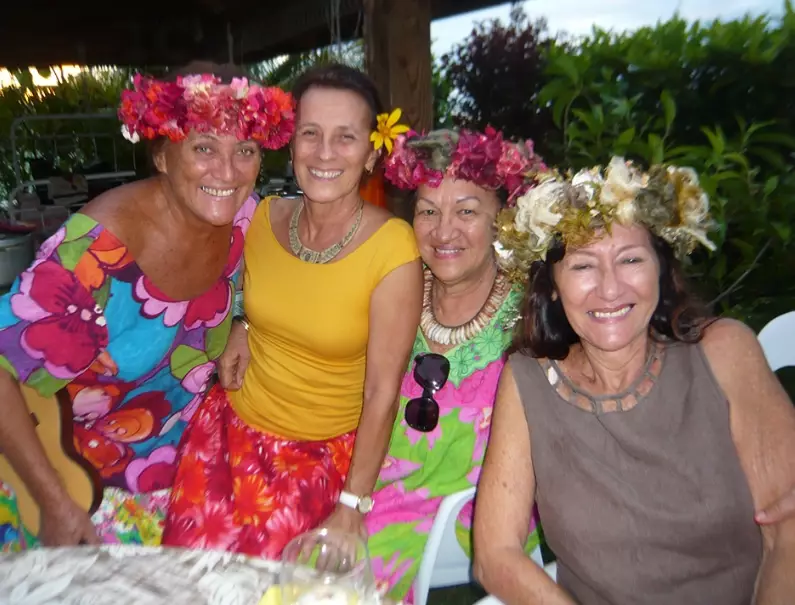
Age Structure: Is Tahiti Getting Older?
This is a big one. Like many developed (or heavily subsidized) societies, Tahiti is aging. The fertility rate has dropped significantly from the high levels of the mid-20th century. It's now around 2.0 children per woman, which is basically the replacement rate. Combine that with outward migration of young adults and improving healthcare, and you get an aging population of Tahiti.
The implications are serious. A smaller working-age population has to support a growing number of retirees through pension and healthcare systems. This puts strain on public finances. When you walk around the markets, you'll see plenty of vibrant youth, but the statistics don't lie—the trend is towards an older society. It's a quiet challenge that doesn't make headlines but will define the coming decades.
Where Does Everyone Live? The Urban vs. Rural Split
This might be the most important factor for a visitor to understand. The Tahiti population is incredibly unevenly distributed.
Think of it like this.
The vast majority, something like 70-80%, live in the urban agglomeration centered on Papeete, which stretches along the northwest coast from Punaauia to Mahina. This area is bustling, congested at rush hour, and has all the services, shops, and (relative) nightlife. Once you drive out of this zone, the population density plummets. The south coast and the interior valleys are sparsely populated, with small villages and scattered homes. The east coast (Presqu'île) is a bit more populated but still feels worlds away from the Papeete hustle.
This concentration means two Tahitis exist simultaneously: the urban, administrative, and commercial hub, and the quieter, more traditionally oriented rural and coastal communities. Your experience of the population of Tahiti will be completely different depending on which part you're in.
"The real Tahiti isn't just Papeete. The soul of the island often feels more present in the smaller districts where life moves at a different pace, even if that's not where most of the population lives."
Tahiti's Communes: A Population Snapshot
To really see the distribution, let's break it down by commune. This table uses the latest official commune-level data from the ISPF. It's eye-opening.
| Commune (District) | Approx. Population | Key Characteristics & Notes |
|---|---|---|
| Papeete | ~27,000 | The capital city. Administrative and commercial core. High density. |
| Faaa | ~29,000 | Home to Fa'a'ā International Airport (PPT). Highly urban, densely populated. |
| Punaauia | ~28,000 | Southwest of Papeete. Mix of residential areas, resorts, and shopping centers. Growing. |
| Mahina | ~14,000 | Northeast of Papeete. Site of historic Marae Arahurahu. More residential. |
| Pirae | ~14,000 | Residential commune housing the French Polynesia Presidential palace. |
| Arue | ~9,500 | Coastal commune with a military history and beautiful beaches. |
| Hitia'a O Te Ra | ~10,000 | Covers a large area on the east coast. Much less dense, more rural feel. |
| Taiarapu-Est & Taiarapu-Ouest | ~12,000 combined | The Presqu'île (peninsula). Rugged, scenic, and sparsely populated. Strong traditional roots. |
| Teva I Uta | ~10,000 | South coast districts like Papeari. Lush, agricultural, and home to the Gauguin Museum. |
Looking at this, you can instantly see the weight of the urban core (Papeete, Faaa, Punaauia). Just those three communes hold about 84,000 people—nearly half of the entire island's Tahiti population. It's no wonder traffic bottlenecks there.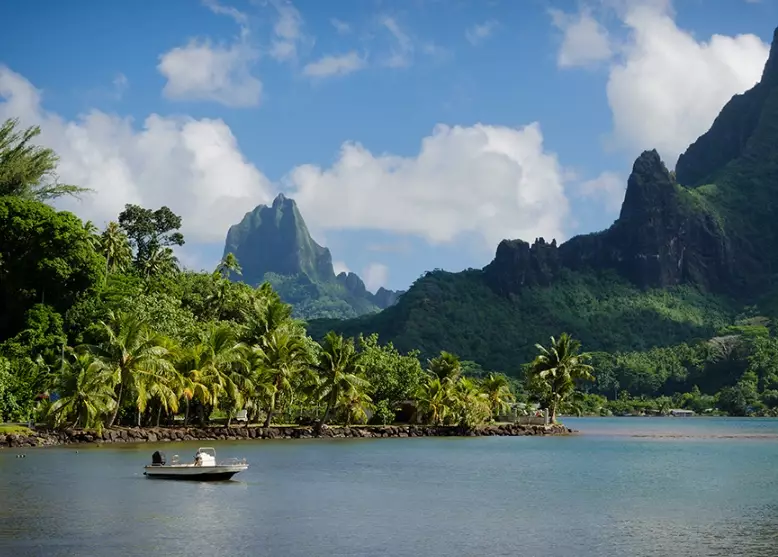
What Does This Population Size Mean for Visitors and Residents?
This isn't just academic. The size and distribution of the population of Tahiti directly impact life on the island.
For Visitors:
- Crowds: Don't expect crowds like in major Asian or European cities. Even in Papeete, it feels like a large town, not a metropolis. Outside the urban area, you can easily find solitude.
- Infrastructure: Services are good in Papeete/Punaauia (hospitals, banks, diverse restaurants). As you move away, options become more basic and limited. Plan accordingly.
- Culture: The small population helps preserve a strong sense of community and local culture, but the urban center has a more cosmopolitan, blended vibe.
For the Island's Future (Challenges & Opportunities):
- Economic Vulnerability: A small, somewhat stagnant Tahiti population means a limited local market and workforce. This reinforces dependency on tourism and French subsidies. Diversifying the economy is a constant topic of discussion.
- Environmental Pressure: Even 191,000 people concentrated on a small coastal strip create waste management and water supply challenges. The famous lagoon's health is a constant concern tied to population activity.
- Cultural Preservation: A declining proportion of native Tahitian speakers is a worry for cultural activists. The Tahiti population mix is a strength, but maintaining the indigenous language and customs requires active effort.
- Housing and Cost: Land is limited, especially on the desirable coastal flats. This, combined with high construction costs, makes housing expensive, particularly for young families, fueling that out-migration trend.
It's not all challenges, though. The manageable size can foster innovation and close-knit community projects. There's a potential for sustainable, quality-over-quantity development that massive populations can't easily achieve. But it requires smart planning.
Beyond the Numbers: The Feel of a Place
At the end of the day, the population of Tahiti statistic is a doorway to understanding the island, not the understanding itself. That number of 191,000 represents a unique blend of ancient Polynesian heritage, colonial history, and modern global connections. It explains why you can be stuck in traffic in Faaa one hour and be the only person on a black sand beach in Teahupo'o the next.
The stagnant growth tells a story of economic constraints and the hard choices families make. The concentration in Papeete explains the vibrant, sometimes chaotic energy of the capital versus the serene pace of the districts. For a deeper cultural context that shapes how this population lives, resources like Lonely Planet's guide often touch on the social fabric beyond raw statistics.
So, what's the takeaway?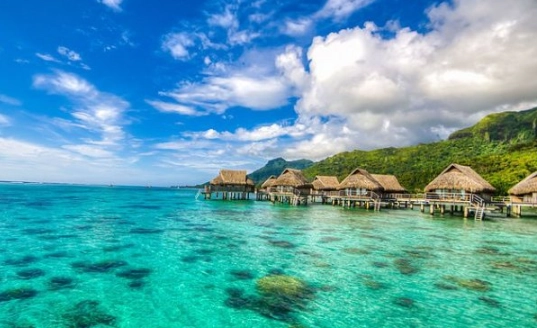
Tahiti is not a densely packed, overrun tourist island. It's a place where a modest, slowly changing number of people navigate the challenges and joys of life on a remote and beautiful island. The population of Tahiti is small enough to feel a sense of place and community, but faces all the modern demographic puzzles of an aging society and youth emigration. Knowing this gives you a much richer lens through which to see the island than any single population figure ever could.

Comments
Join the discussion