Quick Guide
- What Are Your Australia Accommodation Options, Really?
- Choosing Your Australia Accommodation: The Real Decision Factors
- The Booking Process: How to Actually Get a Good Deal
- Location, Location, Location: Where to Stay in Key Australian Destinations
- Frequently Asked Questions About Australia Accommodation
- Wrapping It Up: Your Australia Accommodation Checklist
Let's talk about finding a place to stay in Australia. It's not just about booking a bed. It's about figuring out where you'll recharge after a day hiking in Tasmania, where you'll sip coffee before exploring Melbourne's laneways, or where you'll watch the sunset over Uluru. The right Australia accommodation can make your trip. The wrong one? Well, let's just say I've had my share of disappointments—like the "beachfront" hostel that was a 45-minute bus ride from the actual beach.
The choice is huge, and that's the problem. And the opportunity. From slick city high-rises to remote cattle stations, your options are as diverse as the landscape itself. How do you sift through it all?
This guide isn't a list of the top 10 hotels. It's a deep dive into the Australia accommodation landscape. We'll look at all the types, the unspoken pros and cons, how to book smart, and how to match the place to your trip. Think of it as a chat with someone who's slept in a lot of these beds (some great, some lumpy) and learned the hard way.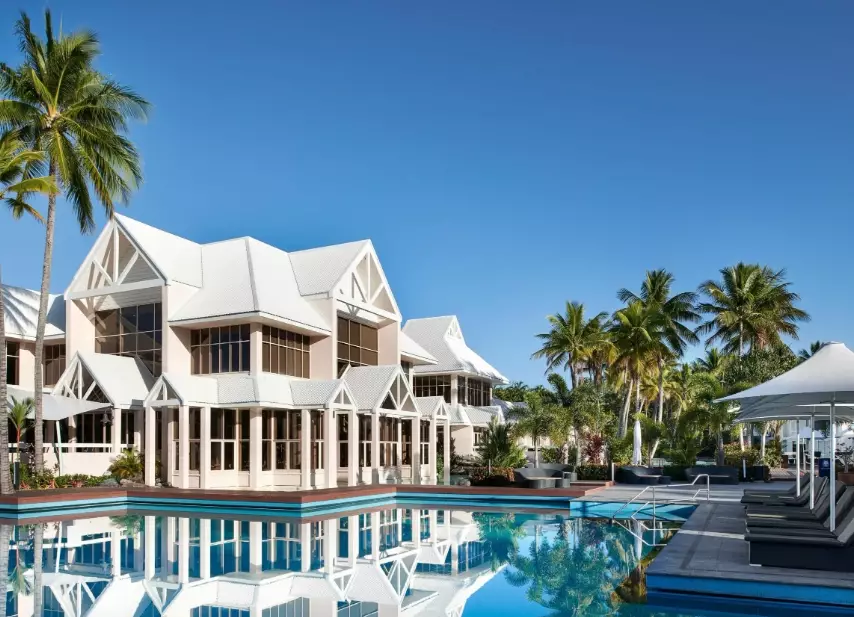
What Are Your Australia Accommodation Options, Really?
Most lists just name the categories. I want to tell you what it's actually like to stay in them. The vibe, the people, the hidden costs, the things nobody mentions on the shiny booking websites.
Hotels: From Business Towers to Boutique Gems
Hotels in Australia aren't just for business travelers. In the major cities—Sydney, Melbourne, Brisbane—you'll find the full spectrum. International five-star chains offer incredible harbour views and pools that feel like infinity edges into the city skyline. But they come with a price tag that can induce a mild heart attack.
The real charm for me often lies in the boutique hotels. In places like Melbourne's Fitzroy or Adelaide's North Terrace, you find smaller places with personality. Think local art on the walls, a fantastic on-site restaurant focusing on regional produce, and staff who actually give you a personal recommendation for a bar. Service is more attentive, but the amenities might be fewer (no massive gym, maybe no pool).
Then there are the pub hotels, especially in country towns. These are old-school. The room might be above a working pub (so expect some noise on a Friday night), but they're often full of character, cheap, and right in the heart of town. You'll get a classic Aussie pub meal downstairs and meet locals. It's an experience.
Serviced Apartments: When You Want a Kitchen and Space
This is my go-to for stays longer than a few nights, or when traveling with family or a group. A serviced apartment gives you a separate living area, a proper kitchen (or kitchenette), and often laundry facilities. It feels less like a hotel room and more like a temporary home.
The value is in the flexibility. You can cook breakfast, save a fortune on meals, and pack a picnic for a day out. It's also brilliant for families with kids who need space to spread out toys or stick to nap schedules. Brands like Quest and Mantra are everywhere, but there are also heaps of independent operators.
Hostels: Not Just for Backpackers Anymore
The image of the grimy, party-centric hostel is outdated. Sure, those still exist, especially in nightlife hotspots like Sydney's Kings Cross (though it's calmed down a lot) or Byron Bay. But the modern Australian hostel scene has evolved dramatically.
Many now offer pristine private rooms with en suites that rival budget hotels. The YHA network in particular manages some fantastic properties in prime locations, like the one right in the middle of Sydney's Rocks district or the eco-hostel in the Daintree Rainforest. They're social, often have great tour-booking desks, kitchens, and common rooms, but without the obligatory beer pong tournament every night.
The social aspect is still the biggest draw for solo travelers. It's the easiest way to meet people. But I've also stayed in hostels just for the price and location, barely talking to anyone. You can do that too.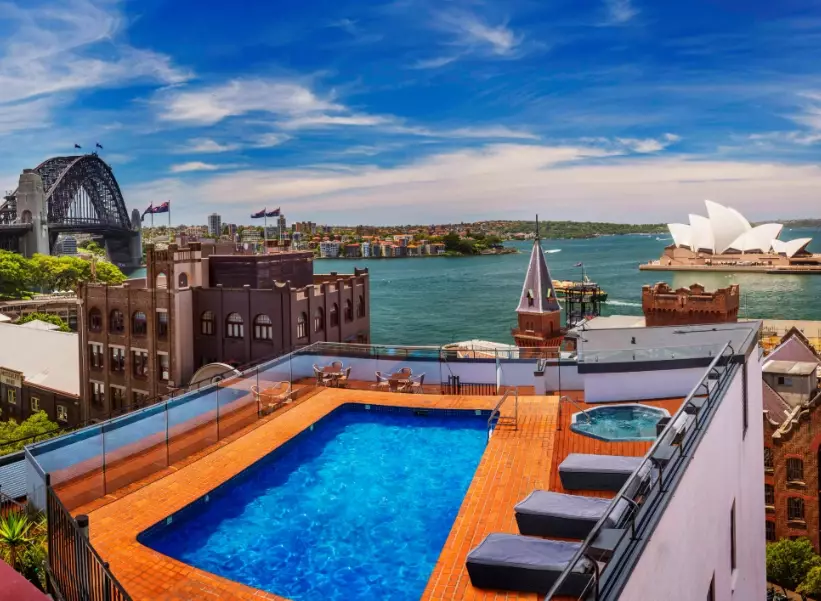
Bed and Breakfasts (B&Bs) and Guesthouses
For a dose of local hospitality, it's hard to beat a B&B. This is where you get a personal touch. You're often staying in someone's beautifully restored home—a heritage cottage in the Blue Mountains, a farmhouse in the Barossa Valley, a seaside villa in Margaret River.
The included breakfast is usually a highlight, featuring homemade bread, local jams, and fresh eggs. The hosts are typically fountains of local knowledge, telling you about the hidden beach walk or the winery that doesn't charge for tastings. The downside? Less privacy. You might be sharing common spaces with the hosts or other guests, and there might be set meal times or house rules.
Holiday Rentals (Airbnb, Stayz, etc.)
The holiday rental market is massive here. It ranges from a spare room in someone's apartment to entire luxury homes. The appeal is obvious: live like a local, have all the space and facilities of a home, and often find unique properties you'd never get in a hotel.
I've had amazing finds—a treehouse in the hinterland, a modern architect-designed house with a pool in the suburbs. But I've also had last-minute cancellations and places where the photos were... generously edited. The key is scrutiny.
How do you pick a good one? Read between the lines of reviews. Look for reviews that mention the host's responsiveness. Check the location on a map (not just the provided pin). Is it really "a short stroll to the beach" or is it up a massive hill? What are the house rules regarding cleaning, garbage, and noise? In some cities, there are now strict regulations about short-term rentals, so ensure the listing is legitimate.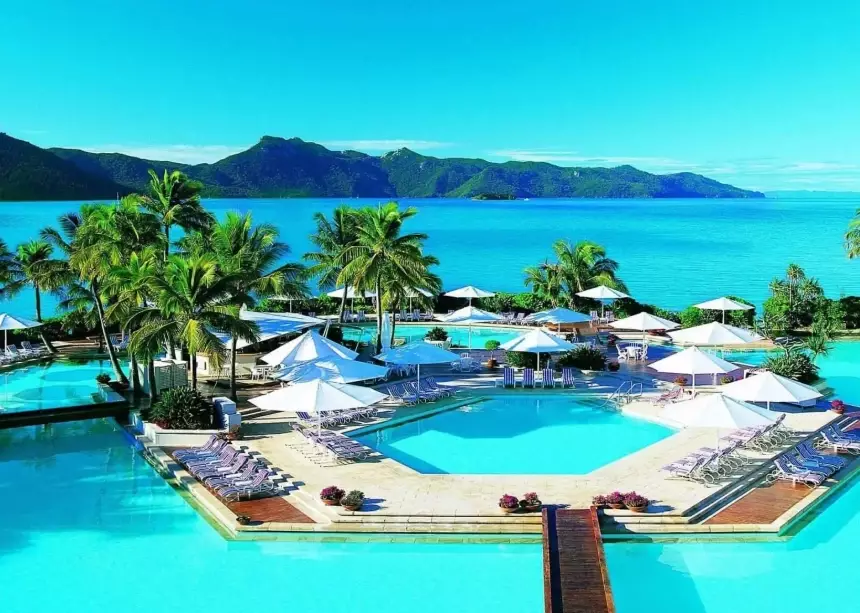
Caravan Parks and Camping Grounds
This is a huge part of the Australian travel culture, and the quality might surprise you. Forget just a dusty patch of ground. Many caravan parks, especially along the coast, are like mini-resorts. They have sparkling amenity blocks, camp kitchens, swimming pools, jumping pillows for kids, and cabins for those who don't have a van or tent.
Staying in a caravan park is a social, outdoorsy, and affordable way to travel. You'll meet families on long road trips, retirees in massive caravans, and young people in decked-out campervans. National Parks also offer stunning campgrounds, though facilities are more basic (often just toilets and maybe barbecues). You need to book these well in advance, especially during school holidays.
Unique and Luxury Stays
Australia has embraced the unique stay. We're talking about glamping (glamorous camping) in safari tents with king beds and en suites, sleeping in converted railway carriages, lighthouse keeper's cottages, or eco-retreats deep in the rainforest where your only neighbours are birds.
At the luxury end, think exclusive island resorts on the Great Barrier Reef like Qualia on Hamilton Island, or wilderness lodges like Southern Ocean Lodge on Kangaroo Island (rebuilt after bushfires). These are bucket-list, splurge experiences where the accommodation is the destination.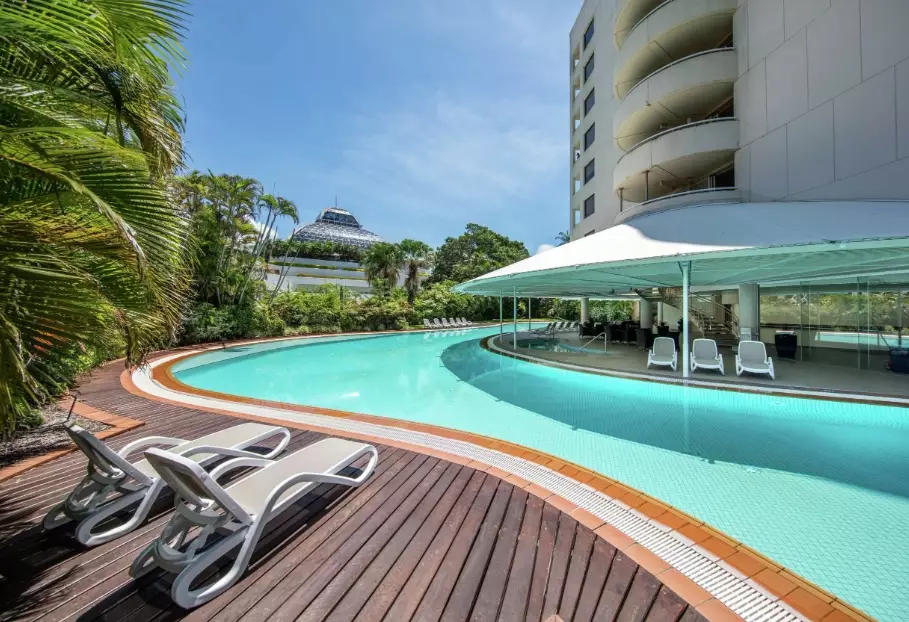
Then there are farm stays. You get to feed animals, help with chores (if you want), eat farm-fresh food, and experience rural life. Perfect for kids and anyone wanting to disconnect.
Choosing Your Australia Accommodation: The Real Decision Factors
Okay, you know the types. But how do you choose between them? Price is a factor, but it's not the only one. Let's break down what you should really be thinking about.
| Factor | Questions to Ask Yourself | Accommodation Types That Often Fit |
|---|---|---|
| Budget | Is your total daily budget just for the room, or does it include food/activities? Can you save elsewhere to spend more on a special place for a night or two? | Hostels, Caravan Parks (for tents/vans), Budget Motels, Pub Hotels, some B&Bs. |
| Travel Style & Companions | Solo and social? Family with young kids? Couple on a romantic getaway? Group of friends? | Solo: Hostels, Hotels. Family: Serviced Apartments, Holiday Rentals, Caravan Park Cabins. Couple: Boutique Hotels, B&Bs, Luxury Stays. |
| Location & Transport | Will you have a car? Is being walking distance to restaurants/cafes vital? Do you want to be in the action or away from it? | No Car: City Centre Hotels/Apartments, accommodation near public transport. With Car: More flexibility for outer suburbs, unique rural stays. |
| Trip Duration | Just one night passing through? A week exploring one city? A month-long road trip? | Short stay: Hotel, B&B for convenience. Long stay: Serviced Apartment, Holiday Rental for space and laundry. |
| Desired Amenities | Is a pool non-negotiable? Do you need a kitchen? Free parking? Reliable, fast Wi-Fi for work? | Kitchen: Serviced Apartment, Holiday Rental, Hostel. Pool/Free Parking: Often larger hotels, motels, caravan parks. |
See? It's a puzzle. A hostel might be cheap, but if it's in a noisy area and you're a light sleeper, it's a bad choice. A beautiful remote B&B is no good if you don't have a car to get there.
My own biggest mistake has always been underestimating location. I once booked a "great deal" on a hotel in Melbourne that was a 25-minute tram ride from the CBD. The savings were eaten up by daily transport costs and, more importantly, time. I felt disconnected. Now, I'd rather book a smaller room right where I want to be.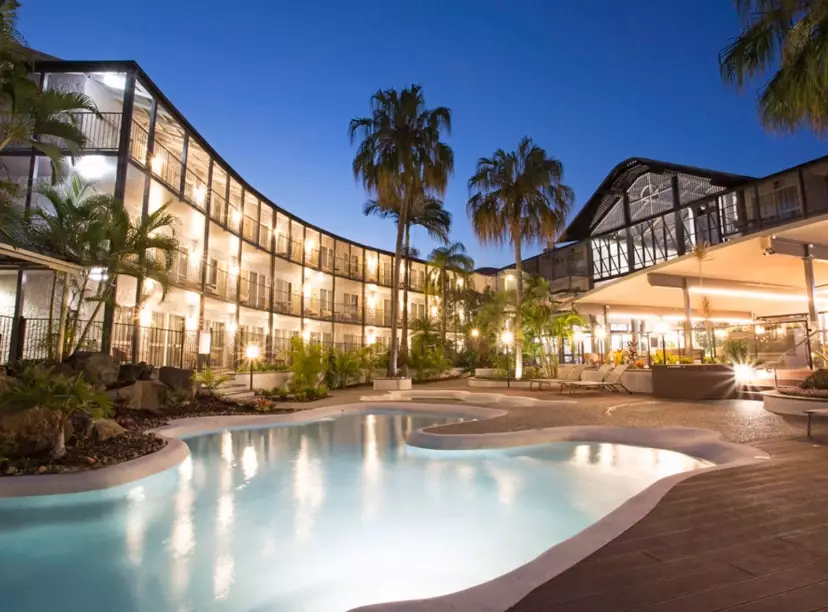
The Booking Process: How to Actually Get a Good Deal
Everyone wants to save money. But a good deal isn't just the lowest price. It's the right price for the right place.
Use aggregator sites like Booking.com, Agoda, or Hotels.com to get a broad view of prices and availability. They're fantastic for research. But then, do something old-fashioned: go to the accommodation's own website. Often, they offer a "best price guarantee" or throw in free extras like breakfast or parking if you book direct. It also means if you have an issue, you're dealing directly with them, not a third party.
For holiday rentals, Airbnb and Vrbo are the big players, but also check Stayz (very popular in Australia) and sometimes even local real estate agents in holiday areas manage rentals.
Be flexible with your dates if you can. Moving your stay by just one day can sometimes slash the price. And always look for non-refundable rates—they're cheaper, but only book them if you're 100% sure of your plans.
Location, Location, Location: Where to Stay in Key Australian Destinations
This is the meat of it. Let's get specific. Where should you base yourself?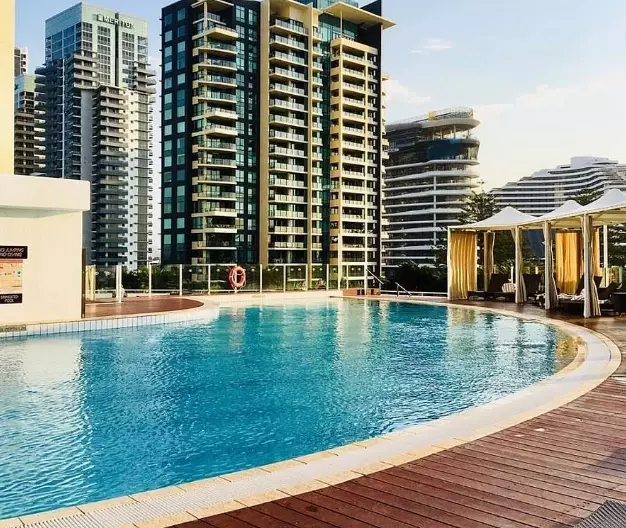
Sydney
The classic choice is The Rocks or Circular Quay. You're walking distance to the Harbour Bridge, Opera House, and ferries. It's expensive, but for a first-time visitor wanting that iconic experience, it's unbeatable. Surry Hills, Darlinghurst, or Paddington offer more of a local, trendy vibe with incredible food and shopping. For beaches, obviously look at Bondi, Coogee, or Manly (across the harbour by ferry). Manly feels like a holiday town and has a great ferry commute to the city.
Melbourne
Melbourne is all about neighbourhoods. The Central Business District (CBD) is convenient, especially near Southern Cross Station if you're taking day trips. But for character, head to the inner suburbs. Fitzroy is hipster-central with vintage shops and bars. Southbank has the arts precinct and river views. St Kilda is beachside with a slightly alternative, lively feel. I personally love staying in Fitzroy—you're surrounded by life, not just hotel towers.
Great Barrier Reef & Queensland Coast
For the Reef, you either stay on the mainland and take day trips, or on an island. Cairns is the main launching point—it's a functional city with all types of Australia accommodation. Port Douglas, an hour north, is more upscale and relaxed. For islands, Hamilton Island is the major resort island. For a quieter, less developed feel, look at Heron Island or Lizard Island (luxury).
Uluru (Ayers Rock)
The only place to stay is at the Ayers Rock Resort complex, run by Voyages Indigenous Tourism. It's a collection of hotels from the luxury Sails in the Desert to the budget Outback Pioneer Hotel & Lodge and a campground. You're paying for the privilege of being right there. Book incredibly early. There is literally nothing else nearby.
Tasmania
Hobart: The waterfront area around Salamanca Place is beautiful and historic. Launceston: Stay near the Cataract Gorge or in the city centre. For exploring the wilderness like Cradle Mountain, you'll want to stay in the park itself (the Cradle Mountain Lodge is stunning) or in nearby Dove Lake. Tasmania excels at charming B&Bs and boutique lodges.
Frequently Asked Questions About Australia Accommodation
Wrapping It Up: Your Australia Accommodation Checklist
Phew, that was a lot. Let's simplify it into a quick mental checklist for when you're about to hit "book."
- Match the place to your trip: City break? Beach holiday? Outback adventure? Your accommodation should fit the theme.
- Location trumps a fancy room: Being where you want to be is worth more than a bigger TV.
- Read the recent reviews, especially the 3-star ones. They're often the most balanced.
- Check the total cost: Are there extra fees for parking, Wi-Fi, or resort transfers?
- Consider booking direct after doing your research on aggregator sites.
- Book early for peak times and unique places. The good stuff goes fast.
- Think beyond the hotel. A serviced apartment, a B&B, or even a well-chosen hostel might be the perfect fit.
Finding the right Australia accommodation is the first step to an amazing trip. It's your base camp for adventure, your sanctuary after a long day. It doesn't have to be perfect, but it should feel right for you. Take your time, ask questions, and don't be afraid to try something a little different—that's often where the best memories are made.
Happy travels, and I hope you find a fantastic place to rest your head down under.
Comments
Join the discussion