If you're planning a trip to Europe and wondering what "accommodations-only" means, you're not alone. It's a travel plan where you book just the lodging—hotels, hostels, apartments—and handle flights, meals, and activities yourself. I've used these plans for years, and they can save you money and give you control, but they're not for everyone. Let's dive in.
Jump to What Matters
What Are European Accommodations-Only Plans?
Simply put, these are travel packages or bookings that focus solely on where you'll sleep during your欧洲 adventure. They exclude other elements like airfare, ground transportation, tours, and meals. Think of it as buying just the bed, not the whole journey.
Why would anyone do this? Flexibility. You pick your flights (maybe snagging a cheap deal on Skyscanner), choose your own restaurants, and set your pace. It's popular among seasoned travelers who hate being tied to group schedules.
Key Components of These Plans
Typically, an accommodations-only plan includes:
- Lodging: Hotels, bed-and-breakfasts, vacation rentals, or hostels.
- Basic amenities: Often Wi-Fi, breakfast (sometimes), and cleaning services.
- Taxes and fees: Usually included, but always double-check—I've been surprised by hidden city taxes in places like Barcelona.
It doesn't include flights, airport transfers, insurance, or guided tours. You're on your own for those.
Here's a tip many miss: Accommodations-only plans aren't just for budget travelers. Luxury seekers use them too, booking high-end hotels like the Ritz in Paris without the markup of a full package.
Pros and Cons of Choosing Accommodations-Only
Let's break it down. I've seen both sides from my trips to Italy and Germany.
Pros:
- Cost savings: You can hunt for flight deals separately. Last year, I saved €200 on a Rome trip by booking a budget airline and a mid-range hotel independently.
- Customization Want to spend three days in a tiny Austrian village? Go for it. No tour operator will stop you.
- Less commitment: If you hate a place, you can move on without canceling an entire package.
Cons:
- More planning: You'll spend time coordinating flights, transport, and activities. It can be exhausting for first-timers.
- Hidden costs: Things like airport transfers or local taxes add up. In Venice, the water taxi to my hotel cost €80—ouch.
- No bundled discounts: Sometimes all-inclusive packages offer better value if you want everything done for you.
One non-consensus view: People assume accommodations-only is always cheaper, but if you're bad at planning, it might end up costing more. I've met travelers who overspent on last-minute bookings because they didn't research.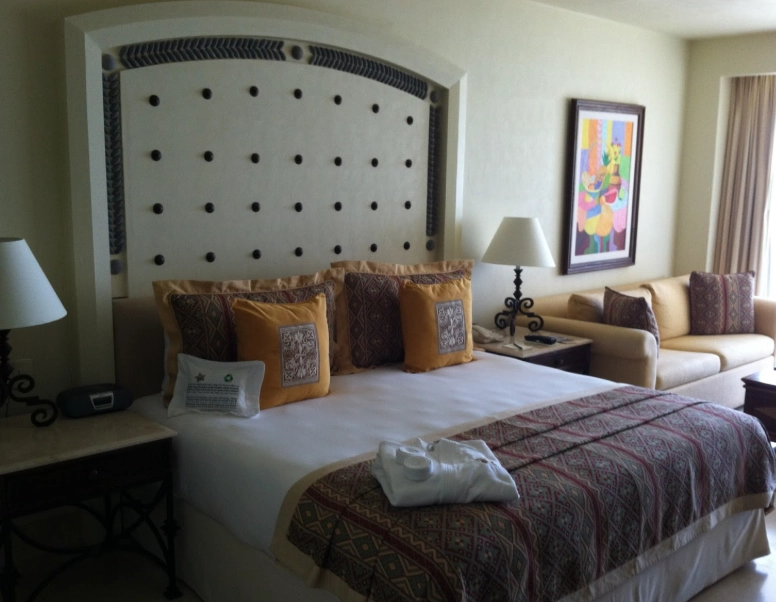
How to Book European Accommodations-Only Plans
Booking isn't rocket science, but there are tricks. Here's a step-by-step guide based on my experience.
Step-by-Step Booking Guide
First, decide on your destination and dates. Off-season travel (like October to March, excluding holidays) often yields better rates.
Next, use comparison sites. Booking.com and Airbnb are obvious, but don't ignore smaller platforms like Hostelworld for budget options. Always cross-check prices on the hotel's own website—sometimes they offer free upgrades or loyalty points.
Then, consider location. Staying near a metro station in cities like London or Berlin saves time and money on transport. I learned this the hard way in Madrid, where my cheap hotel was a 30-minute walk from the center.
Finally, read reviews carefully. Look for recent comments about cleanliness and noise. A common mistake: relying solely on star ratings; a 3-star hotel with great reviews can beat a 4-star with complaints.
For authority, the European Travel Commission recommends booking directly with accommodations to support local businesses, but I find aggregators useful for comparisons.
Top Accommodations Options for European Travel
Here are some solid picks across budgets. I've stayed at a few of these, and others come from traveler friends.
| Accommodation | Location | Key Features | Approx. Price/Night |
|---|---|---|---|
| Generator Hostel | Amsterdam, Netherlands | Social氛围, free Wi-Fi, bar on-site | €25-40 |
| Hotel Fabric | Paris, France | Boutique style, breakfast included, near metro | €100-150 |
| Airbnb Apartment | Rome, Italy (Trastevere) | Full kitchen, local neighborhood, host guidance | €80-120 |
| Motel One | Berlin, Germany | Design-focused, central location, budget-friendly | €70-90 |
| The Hoxton | London, UK | Luxury vibe, coworking spaces, restaurant | €150-200 |
Prices vary by season. For instance, Paris in summer can double these rates. Book early—I missed out on a great deal in Prague by waiting too long.
Another option: vacation rentals through Vrbo. They're perfect for families or groups, offering more space. But watch for cleaning fees; they can add €50-100 to your total.
Case Study: A Week in Paris with Accommodations-Only
Let's make this real. Imagine you're planning a 7-day trip to Paris, focusing only on.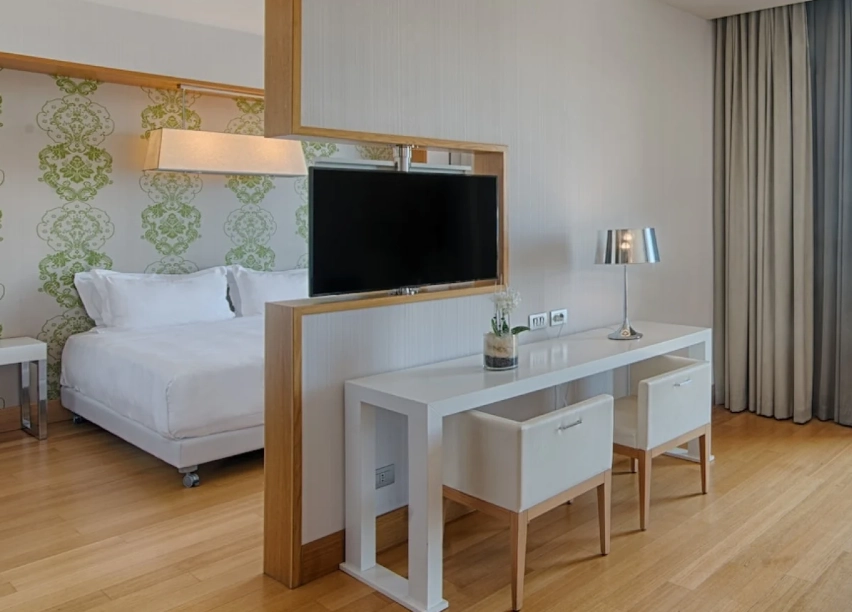
Day 1-3: Book Hotel Fabric in the 11th arrondissement. It's chic, includes breakfast, and is a 5-minute walk from Oberkampf metro station. Cost: around €400 for three nights.
Day 4-7: Switch to an Airbnb in Montmartre for a local feel. A cozy apartment with a kitchen lets you save on meals—grab cheese from a fromagerie and wine from a cave. Cost: €300 for four nights.
Flights: Find a round-trip from New York to Paris for €500 on a site like Kayak (prices fluctuate).
Activities: Buy a Paris Museum Pass for €70 to skip lines at the Louvre and Orsay. Use the metro for transport—a weekly pass is €22.
Total估算: Accommodations €700 + flights €500 + activities €70 + transport €22 = €1,292. Compare that to an all-inclusive package, which might charge €1,500+ for similar quality but less flexibility.
My take: You save a bit, but the real win is crafting your own itinerary. I spent an afternoon just wandering Montmartre, something no tour would allow.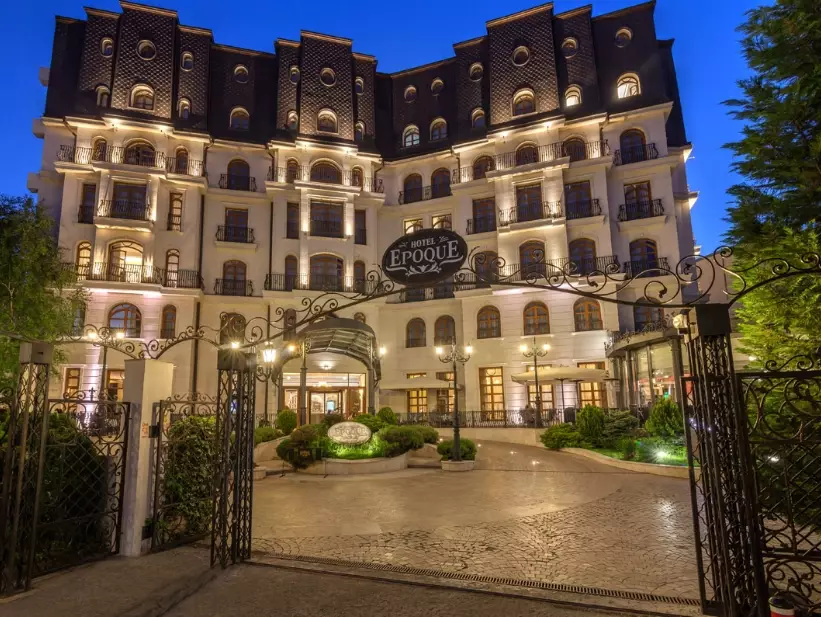
Frequently Asked Questions
Wrapping up, European accommodations-only plans are a powerful tool if you value flexibility and don't mind some legwork. They're not a magic bullet—you'll need to plan—but for many, the freedom is worth it. Start small, learn as you go, and soon you'll be crafting trips that feel uniquely yours. Happy travels!





Comments
Join the discussion