Let's be honest. When you think of the Philippines, your mind probably jumps straight to a single, perfect image: Boracay's White Beach. And it's stunning, no argument there. But if that's the *only* picture in your head, you're missing out on about 7,640 other stories. I've been traveling through these islands for years, and the real magic often lies in the places you have to work a little harder to reach, or in seeing the famous ones through a different lens.
The Philippines isn't just one destination; it's a collection of distinct travel experiences. You've got the powdery white sand and vibrant nightlife of the west (Boracay, Palawan), the rich history and diving meccas of the center (Cebu, Bohol), and the rugged, frontier-like beauty of the north (Batanes) and south (Siargao, Davao). Picking where to go is the hardest part.
Your Philippines Travel Blueprint
The Three Faces of Philippine Tourism
To make sense of it all, think of the country in three broad tourism corridors. Your choice depends entirely on what kind of traveler you are.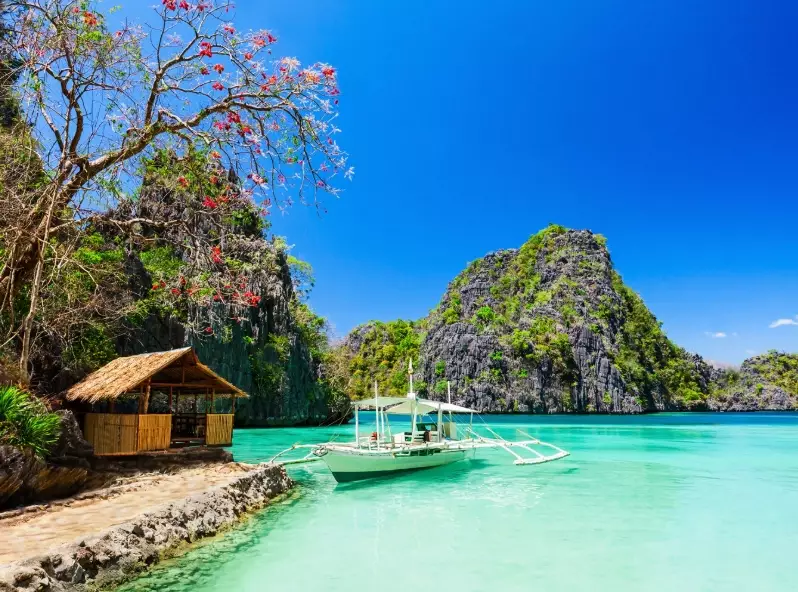
The Postcard Perfect: Palawan & Western Visayas
This is the classic route. Think El Nido's limestone cliffs, Coron's sunken Japanese warships, and Boracay's famous beach. The infrastructure here is the most developed for tourism. You'll find a wide range of hotels, well-organized tours, and easy connections. The downside? It can feel crowded, especially in peak season. A boat tour in El Nido might feel like a convoy. If you want that iconic shot and don't mind sharing the view, this is your zone.
The Cultural & Aquatic Heart: Cebu, Bohol & Eastern Visayas
This region offers a heavier dose of history alongside world-class diving. In Cebu, you can visit Magellan's Cross, then swim with whale sharks in Oslob the next day. Bohol packs the quirky Chocolate Hills and adorable tarsiers. The diving around Malapascua Island (for thresher sharks) and Moalboal (for the sardine run) is exceptional. It feels less "manufactured for tourism" than Boracay, with more of a local pulse.
The Emerging Frontiers: Northern Luzon & Mindanao
For the adventurous soul. Batanes, with its rolling hills and stone houses, feels like a different country—windswept and dramatically beautiful. Siargao isn't just for surfers; its lagoons and palm-tree lined roads are breathtaking. These places require more effort (prone to flight cancellations due to weather, fewer luxury options), but reward you with raw, crowd-free landscapes and a genuine sense of discovery.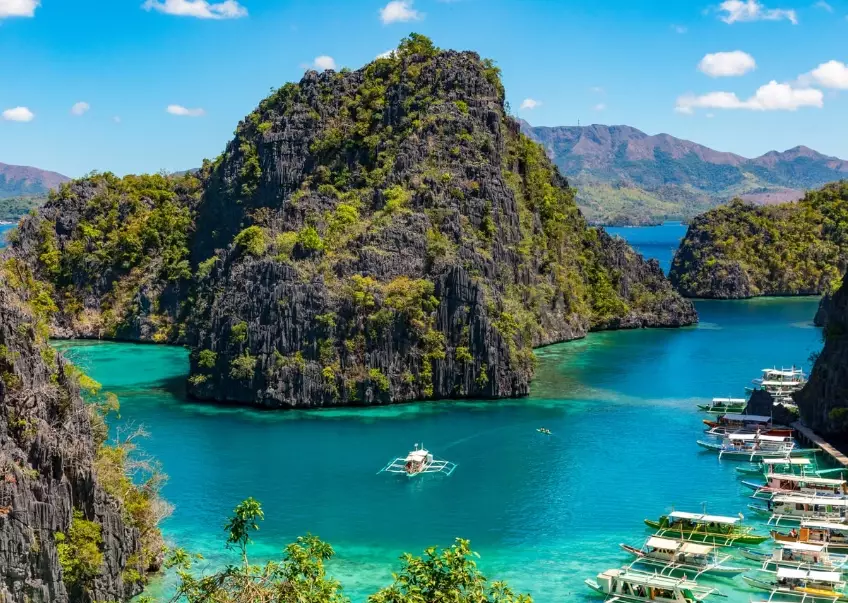
My Take: Don't try to "do it all" in one trip. Picking one corridor and exploring it deeply beats island-hopping across the entire archipelago in two weeks. The travel days between, say, Palawan and Siargao, will eat up your precious time. Depth over breadth.
In the Spotlight: Three Must-Experience Destinations
Let's zoom in on three places that exemplify what the Philippines does best, with the nitty-gritty details you need to plan.
1. Boracay: The Reborn Beach Paradise
Boracay closed for six months in 2018 for a massive rehabilitation. It worked. The beach is cleaner, the infrastructure is better, and there's a renewed focus on sustainability. Station 1 still has the widest, quietest stretch of sand and high-end resorts. Station 2 is the bustling heart—this is where you'll find D'Mall, most restaurants, and the action. Station 3 is more laid-back and budget-friendly.
Getting There: Fly to either Caticlan (MPH) or Kalibo (KLO). Caticlan is a 10-minute trike ride to the jetty port, then a 15-minute boat to Boracay. Kalibo is a 1.5-2 hour bus/van ride to Caticlan jetty. Always book your boat transfer online in advance during peak season.
Do This, Not That: Everyone flocks to White Beach. For a different vibe, take a tricycle to Puka Shell Beach on the northern tip. It's rougher, less crowded, and feels wilder. Skip the crowded sunset sailing tours on the paraw boats. Instead, book a private boat for a few hours to explore the island's other coves like Ilig-Iligan Beach.
Cost Snapshot: Environmental fee (~$10), Boat fee (~$5). A decent meal at a local eatery: $4-7. A sunset cocktail at a beachfront bar: $6-10.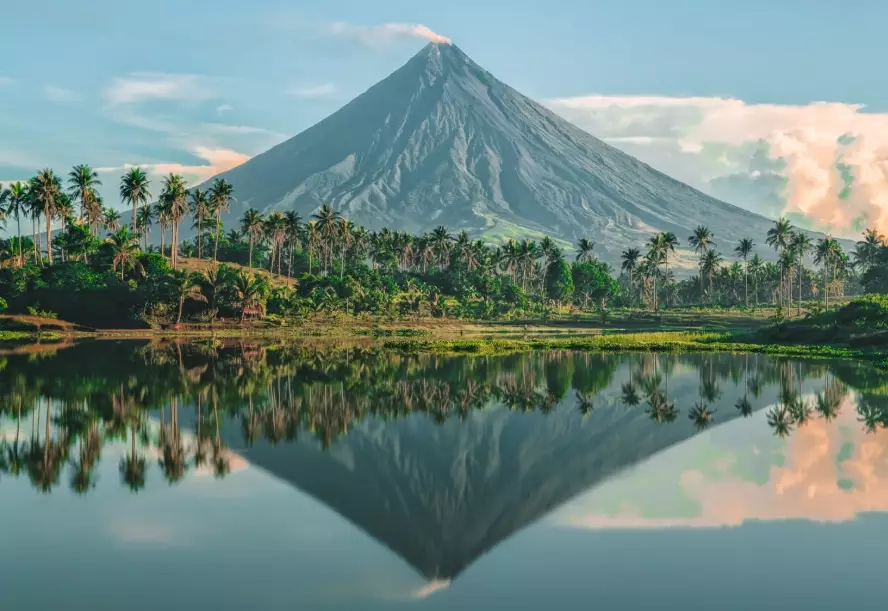
2. The Chocolate Hills, Bohol: A Geological Wonder
Over 1,200 nearly identical, grass-covered limestone hills spread across 50 square kilometers. They turn brown in the dry season, hence the name. The main viewing deck is in Carmen, Bohol.
Getting There: Most people visit as part of a day tour from Tagbilaran City or Panglao Island. You can hire a private car/van (around $50-70 for the day) or join a group tour. The drive from Panglao is about 1.5-2 hours.
Pro Tip: The main viewing deck at the Chocolate Hills Complex in Carmen gets packed by 10 AM. Go at opening time (8 AM) or later in the afternoon. For a more unique (and slightly adventurous) perspective, head to the Chocolate Hills Adventure Park where you can view them from a zipline or a bike on a cable. It's less about the perfect photo op and more about the experience.
Pair your visit with the nearby Tarsier Sanctuary (go to the Philippine Tarsier Foundation in Corella, not the roadside cages) and the Loboc River lunch cruise.
3. Coron, Palawan: The Ultimate Adventure Base
While El Nido gets more press, Coron wins for sheer variety. Yes, it has stunning limestone karsts and lagoons, but its crown jewel is the series of World War II Japanese shipwrecks lying in crystal-clear, shallow water. You don't need to be a deep diver to see them; many are accessible with just a snorkel.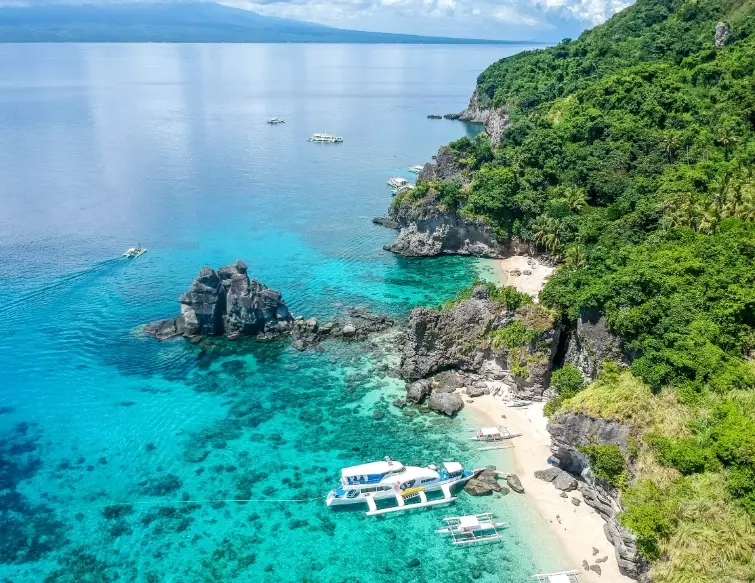
Island Hopping Routes: Tour A (Kayangan Lake, Twin Lagoon, Siete Pecados) is the classic. Tour B (Barracuda Lake, Twin Lagoon, Reefs) is for more serious snorkelers. Tour C (Malcapuya, Bulog Dos, Banana Island) is for beach lovers. I found Tour C to be the most relaxing and visually stunning if you've already seen similar lagoons elsewhere.
Getting There: Direct flights from Manila to Coron (Busuanga Airport, USU). The airport is about 45 minutes by van to Coron town. There are also ferries from El Nido (approx 4 hours) and Manila.
Where to Stay: Coron town is the budget and mid-range hub. For a splurge, the resorts on outlying islands like Two Seasons Coron or Club Paradise offer seclusion but require boat transfers and are pricier.
A Common Mistake: Visitors often cram Coron and El Nido into a short trip. The ferry between them takes half a day and can be rough. Each deserves at least 3 full days. Pick one unless you have a week or more for Palawan alone.
Practical Philippines: How to Plan Your Trip
When to Go & What to Pack
The dry season (November to April) is peak. December to February is coolest and most crowded. Shoulder months (May, June, October) can have sporadic rain but fewer people. The rainy season (July-September) brings cheaper rates but a real risk of typhoons disrupting flights and ferries.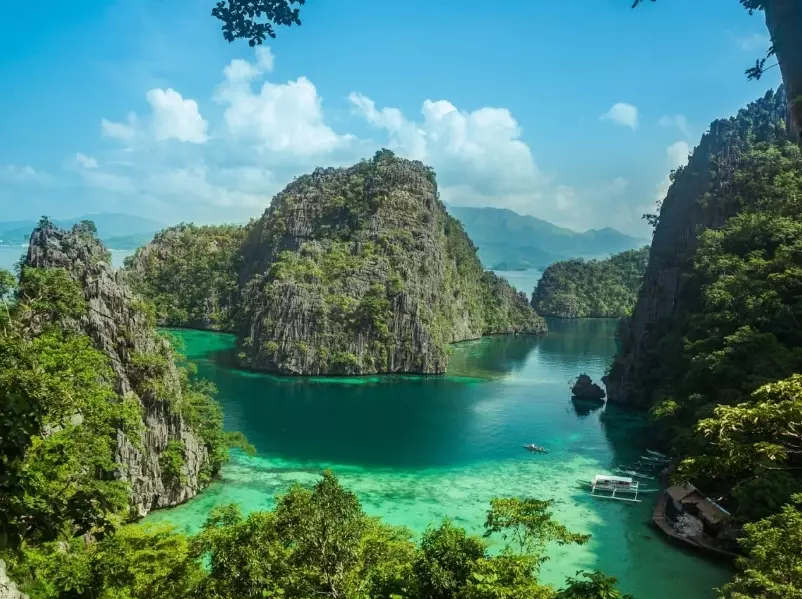
Pack light, breathable clothing, a reef-safe sunscreen (it's a growing requirement), a reusable water bottle, and a solid power bank. SIM cards (Globe or Smart) are cheap and essential for booking ride-hailing apps like Grab.
Budgeting & Money
ATMs are widespread in cities and major tourist towns, but can be scarce on smaller islands. Always carry enough cash when heading to remote areas. Credit cards are accepted in hotels and nicer restaurants, but not by small vendors or tricycle drivers.
A simple budget breakdown for a mid-range traveler for two weeks might look like this:
| Expense Category | Estimated Cost (USD) | Notes |
|---|---|---|
| International & Domestic Flights | $500 - $900 | Biggest variable. Book domestic flights early. |
| Accommodation | $300 - $700 | $20-$50/night for decent guesthouses/hotels. |
| Food & Drink | $200 - $400 | Mix of local eateries and occasional restaurants. |
| Tours & Activities | $250 - $500 | Island hopping, diving, entrance fees add up. |
| Local Transport | $100 - $200 | Tricycles, ferries, vans between towns. |
Getting Around: The Realities of Island Travel
Domestic airports are your friends for long jumps. For ferry travel, always check the weather forecast a day before. Companies like 2GO Travel (the most reliable, in my experience) and OceanJet have online booking. Smaller pump boats for island hopping are arranged by your hotel or local tour operators.
On land, tricycles (motorcycles with sidecars) are the ubiquitous taxi. Agree on a price before you get in. In cities, use the Grab app.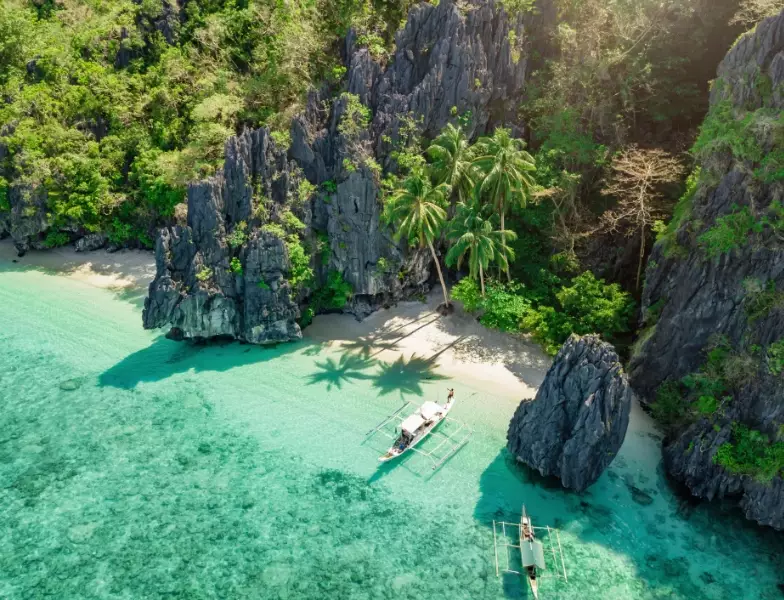
Your Philippines Travel Questions Answered
The Philippines challenges the idea of a one-size-fits-all vacation. It asks you to choose your own adventure. Do you want the comfort of a world-class beach, the thrill of diving into history, or the quiet awe of a landscape that feels untouched? Once you answer that, the islands will fall into place. Start with one corridor, dive deep, and leave the rest for next time. You'll be planning your return before you've even left.


Comments
Join the discussion