What's Inside This Guide
That's the million-dollar question, isn't it? Asia is massive. It's not a country; it's a continent packed with more cultures, flavors, and landscapes than you can shake a stick at. Picking the 'best' cities feels impossible because it completely depends on you. Are you a foodie on a pilgrimage? A history buff chasing ancient temples? A shopper with a mission? Or just someone who wants to soak in that crazy, beautiful energy that only Asian cities have?
I've spent a good chunk of my life wandering around Asia, getting lost in back alleys, eating questionable street food (always worth it), and having my mind blown by both the chaos and the tranquility. This guide isn't just a list. It's a breakdown. We're going to look at the heavy-hitters, the underrated gems, and everything in between, categorized by what you're actually looking for. By the end, you should have a pretty solid idea of where your next ticket should be to.
Let's be clear from the start: There is no single 'best' city. Anyone who tells you that is selling something. Tokyo is a masterpiece of organized futurism. Bangkok is a glorious, humid, sensory overload. Hanoi has a poetic, timeless charm. They're all 'best' at different things. The real trick is matching the city to your travel personality.
The Undisputed Heavyweights (You Can't Go Wrong)
These are the cities that almost always top the list when people ask, 'What are the best cities in Asia to visit?' They're popular for a reason—they deliver an iconic, unforgettable experience. If it's your first time in Asia, one of these is a fantastic starting point.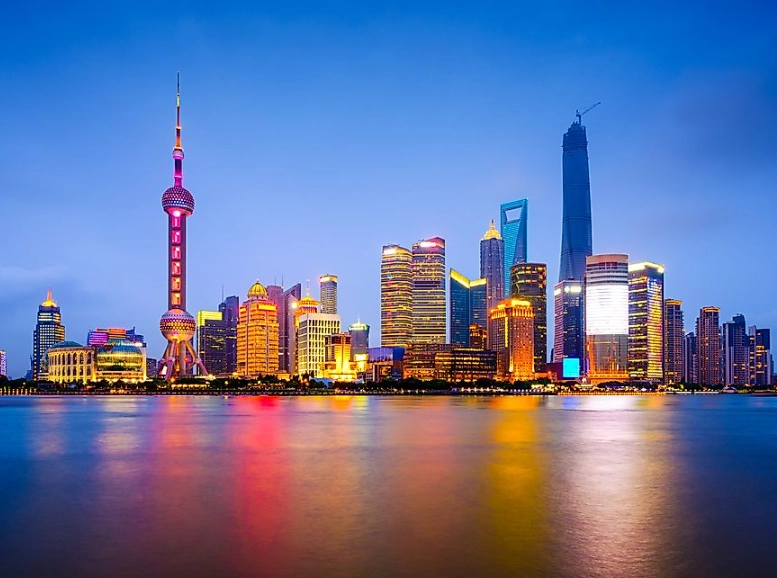
Tokyo, Japan: The Ultimate Neon Symphony
Tokyo hits you first with its sheer energy. It's a city that works. It's clean, efficient, and mind-bogglingly vast. But beneath the skyscrapers and blinking signs, there's a deep respect for tradition. You can be in the deafening silence of the Meguro River during cherry blossom season in the morning, and in a tiny, raucous izakaya in Shinjuku by night.
Why it's one of the best: Unmatched food scene (from Michelin stars to 7-Eleven onigiri), impeccable public transport, safe, incredibly diverse districts each with their own vibe (the youth fashion of Harajuku, the electronics of Akihabara, the upscale Ginza).
The not-so-great part: It can be expensive, especially for accommodation. It can also feel overwhelming and anonymous if you don't venture beyond the main tourist tracks. And honestly, the famous Shibuya Crossing? It's cool for about five minutes, then it's just a really busy intersection.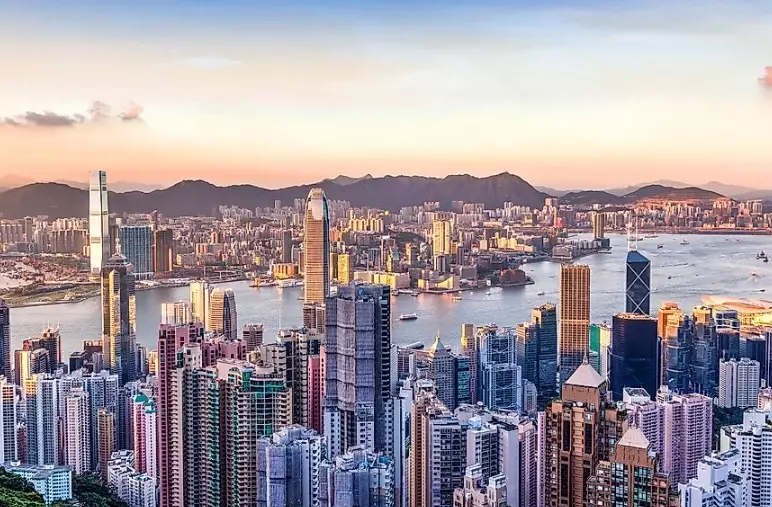
Bangkok, Thailand: The City That Never Sleeps (Seriously)
Bangkok is a full-body experience. The heat wraps around you, the smells of street food and exhaust fumes mix in the air, and the sound of tuk-tuks and traffic is a constant soundtrack. It's chaotic, it's intense, and it's incredibly alive. The grandeur of temples like Wat Pho (home of the reclining Buddha) exists just blocks away from cramped, vibrant markets.
Why it's one of the best: Arguably the street food capital of the world (pad thai, som tam, mango sticky rice…), incredibly affordable, amazing value for luxury hotels, fantastic base for day trips, and unbeatable nightlife that ranges from sky bars to hole-in-the-wall live music joints.
The not-so-great part: The traffic is legendary for a reason. It can be brutal. The infamous Khao San Road area is a tacky tourist circus (some love it, I avoid it). And the constant hustle—from tuk-tuk drivers to tailors—can be exhausting if you're not prepared for it.
Pro tip for Bangkok: Use the BTS Skytrain and MRT subway religiously. They're cheap, air-conditioned, and will save you hours of your life. Also, don't be afraid to get lost in Chinatown (Yaowarat) after dark—it's a food paradise.
Kyoto, Japan: The Beating Heart of Tradition
If Tokyo is Japan's future, Kyoto is its soul. This is the city of a thousand temples, serene bamboo groves, and geisha glimpsed in the Gion district. The pace is slower, more contemplative. Visiting the golden Kinkaku-ji (Golden Pavilion) or walking the torii gate path at Fushimi Inari Taisha feels like stepping into a postcard.
Why it's one of the best: Unparalleled access to traditional Japanese culture, stunning seasonal beauty (cherry blossoms in spring, fiery maples in autumn), incredible craftsmanship (pottery, textiles), and a more relaxed atmosphere than Tokyo.
The not-so-great part: It can get extremely crowded at major temples, especially during peak seasons, which can really kill the serene vibe. It's also more expensive than other Japanese cities outside Tokyo, and some parts can feel a bit like a well-preserved museum rather than a living city.
Beyond the Classics: Where Should You Go Next?
Okay, so you've done Tokyo and Bangkok. Or maybe you want to skip the mega-cities altogether and dive into something different. When you're thinking about what are the best cities in Asia to visit for a second or third trip, these places start calling your name.
Seoul, South Korea: The Perfect Blend of Old and New
Seoul is dynamic in a way that's different from Tokyo. It's fast, trendy, and obsessed with beauty and technology. But it fiercely protects its history. You can spend the morning exploring the centuries-old Gyeongbokgung Palace, have a cutting-edge lunch in Gangnam, and end the night singing in a neon-lit norebang (karaoke room). The food is a huge draw—think beyond BBQ to hearty stews, savory pancakes, and an insane cafe culture.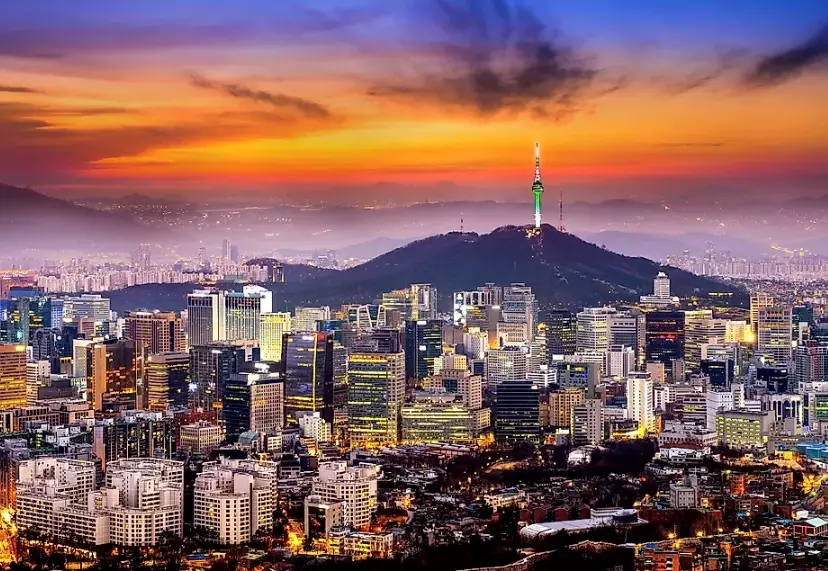
Seoul for Foodies:
Skip the fancy restaurants. Hit the markets. Gwangjang Market is legendary for bindaetteok (mung bean pancakes) and mayak gimbap. For the real deal with Korean BBQ, find a local spot in Mapo-gu where the tables are smoky and the soju is flowing. The Korea Tourism Organization website has great food itineraries.
Taipei, Taiwan: The Underrated Food Paradise
Taipei doesn't always get the hype it deserves. It's cleaner and more manageable than many other Asian capitals, with a wonderfully laid-back and friendly vibe. The star of the show? The food. Night markets like Shilin and Raohe are not just tourist attractions; they're a way of life. From stinky tofu (an acquired taste, I admit) to flawless beef noodle soup and the best xiao long bao (soup dumplings) outside of Shanghai, it's a non-stop culinary adventure.
Why it's a top contender: Arguably the best street food scene in Asia (yes, I said it), easy to navigate with an excellent MRT system, a stunning natural backdrop with hiking trails like Elephant Mountain right in the city, and home to one of the world's best collections of Chinese art at the National Palace Museum.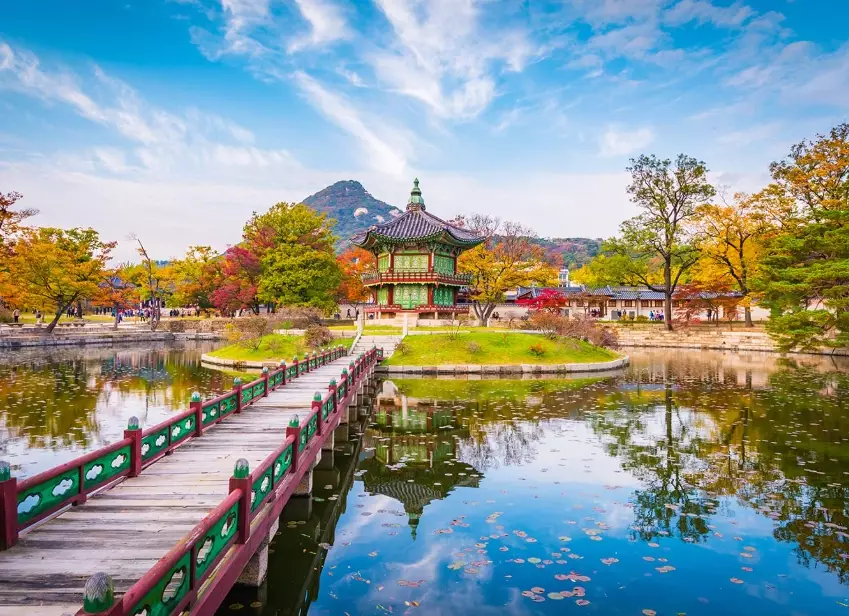
Hanoi, Vietnam: Timeless Poetry in Motion
Hanoi has a mood. It's less frenetic than Ho Chi Minh City in the south, with a more historical, almost romantic feel. The labyrinthine Old Quarter, with its '36 Streets' each dedicated to a specific trade, is pure magic. Sit on a tiny plastic stool, sip a potent egg coffee, and watch the world go by on motorbikes. It's the gateway to Ha Long Bay, but the city itself is a destination.
Why it belongs on the list: Incredible atmosphere, rich French-colonial architecture mixed with ancient Vietnamese temples, amazingly affordable, and the food is fresh, herbaceous, and complex. Try the bun cha (grilled pork with noodles) and pho ga (chicken pho).
Matching the City to Your Travel Style
This is the most important part. Let's move beyond names and match destinations to what you actually want to do.
For the Ultimate Foodie Pilgrimage
Your shortlist: Bangkok, Taipei, Osaka (Japan), Penang (Malaysia).
Osaka is Japan's kitchen. It's less formal than Tokyo, all about hearty, delicious food like takoyaki (octopus balls) and okonomiyaki (savory pancakes). The 'Kuidaore' (eat until you drop) spirit is real. Penang's capital, George Town, is a UNESCO site with a legendary street food culture blending Malay, Chinese, and Indian influences. Laksa, char kway teow, cendol… just go.
For Culture and History Buffs
Your shortlist: Kyoto, Siem Reap (Cambodia), Luang Prabang (Laos), Varanasi (India).
Siem Reap is the town that serves the majestic temples of Angkor Wat. It's a humbling, awe-inspiring place. Luang Prabang is a sleepy, beautiful town of Buddhist monasteries and French-Indochinese architecture. Varanasi is intense, spiritual, and unlike anywhere else on earth—witnessing life and death on the Ganges is a profound experience.
For Urban Explorers and Shopaholics
Your shortlist: Tokyo, Seoul, Singapore, Hong Kong.
Singapore is a gleaming, hyper-efficient city-state with world-class shopping on Orchard Road, incredible hawker centers (like Lau Pa Sat), and futuristic gardens. Hong Kong, with its iconic skyline, is a shopper's dream from luxury malls to street markets like Temple Street. The Star Ferry ride across Victoria Harbour is a must-do.
For Beach and City Combos
Your shortlist: Bali (Seminyak/Canggu), Phuket Town (Thailand), Busan (South Korea).
Busan is Korea's second city and a fantastic alternative to Seoul. It has great beaches (Haeundae), a vibrant fish market (Jagalchi), and a more relaxed coastal vibe. You get urban energy with easy access to sand and sea.
Let's Get Practical: A Quick Comparison
Here's a snapshot to help you visualize some key differences. Remember, this is a broad overview—each city has cheap and expensive corners.
| City | Vibe | Best For | Budget Level | Best Time to Visit |
|---|---|---|---|---|
| Tokyo | Efficient, Futuristic, Diverse | Food, Technology, Culture, Shopping | Mid to High | Spring (Mar-May) or Autumn (Sep-Nov) |
| Bangkok | Chaotic, Lively, Sensory | Street Food, Nightlife, Temples, Value | Low to Mid | Nov-Feb (cooler season) |
| Kyoto | Traditional, Serene, Historic | Temples, Gardens, Traditional Arts | Mid | Spring or Autumn (for foliage) |
| Seoul | Trendy, Dynamic, Tech-Savvy | Food, Pop Culture, History, Shopping | Mid | Spring or Autumn |
| Taipei | Laid-back, Friendly, Food-Obsessed | Night Markets, Hiking, Easy Navigation | Low to Mid | Oct-Dec |
| Hanoi | Atmospheric, Historic, Charming | Culture, Old Quarter Wandering, Food | Low | Oct-Apr |
Answers to the Questions You're Probably Asking
Mega-Cities (Tokyo, Bangkok): A minimum of 4-5 full days. You'll just scratch the surface, but you can hit the major highlights.
Medium Cities (Seoul, Taipei, Hanoi): 3-4 days feels comfortable for a good first look.
Smaller/Cultural Hubs (Kyoto, Siem Reap): 3 days minimum. Kyoto's temples are spread out, and Angkor Wat deserves at least two full days of exploration.
Always, always try to build in a 'free' day with no plans. That's when you find your favorite spot.
What about visas? This changes all the time. Japan, South Korea, and Taiwan offer visa-free entry for many passports for short stays. Thailand offers visa-on-arrival or exemption for many. Vietnam and Cambodia often require an e-visa you apply for online beforehand. Always, always check the official government website of the country you're visiting for the most current requirements. Don't rely on third-party blogs for this critical info.
How do I get around? Public transport is king in East Asia. Get a Suica/Pasmo card in Tokyo, a T-money card in Seoul, an EasyCard in Taipei. They work on trains, buses, and often in convenience stores. In Southeast Asia, ride-hailing apps like Grab (SE Asia) and Gojek (Indonesia) are lifesavers—fixed price, no haggling. In places like Hanoi, walking is the best way to explore the Old Quarter, but be prepared for a motorbike symphony.
Sustainable Travel Tip: When using those excellent public transport systems, you're already traveling more sustainably. Carry a reusable water bottle (tap water is safe in places like Japan, South Korea, Taiwan, Singapore; use a filter bottle elsewhere), say no to single-use plastics at markets, and support local businesses and homestays. The UN World Tourism Organization (UNWTO) has great resources on responsible travel.
Wrapping It Up: Finding Your 'Best' City
So, after all this, what are the best cities in Asia to visit?
If you want a flawless, futuristic, and deeply cultural introduction: Tokyo.
If you want an affordable, vibrant, food-centered adrenaline rush: Bangkok.
If you want to walk through living history and serene beauty: Kyoto.
If you want a perfect mix of ancient and hyper-modern with killer food: Seoul.
If your trip is 80% about eating the most amazing things: Taipei.
If you want poetic atmosphere and timeless streets: Hanoi.
The beauty of Asia is that there's always another city, another flavor, another experience waiting.
My final piece of advice? Don't try to cram too many cities into one trip. Pick one or two bases and really get to know them. Get lost. Eat the thing you can't pronounce. Sit in that local cafe. That's how you find your answer to the question of what are the best cities in Asia to visit—you build your own list, one unforgettable trip at a time.
Now, go start looking at flight deals. Your next adventure is out there.

Comments
Join the discussion