Quick Guide
Let's be honest. When you think about South Korea tourism places, what pops into your head? Probably Seoul, maybe K-pop, and a lot of neon lights. But there's so much more hiding behind that modern facade. I remember my first trip, thinking I had it all planned out. I ended up missing half the good stuff because I was so focused on the big-name spots. So, let's try to avoid that, shall we? This isn't a sterile list. It's a chat about where to go, what you might actually enjoy, and a few warnings about places that might not live up to the Instagram hype.
South Korea is this wild mix. You've got ancient palaces sitting in the shadow of glass skyscrapers. You can do a strenuous temple stay in the mountains one day and be eating street food in a buzzing market the next. Finding the right South Korea tourism places for you depends entirely on what you're after. Are you a history buff? A foodie obsessed with kimchi? A hiker who wants pristine trails? Or maybe you just want to see where your favorite drama was filmed. We'll cover it all.
The Big Three Cities: More Than Just Seoul
Everyone starts with Seoul, and for good reason. It's the heart of everything. But limiting yourself to just Seoul is like going to Italy and only seeing Rome. You need to see at least one other city to get a real feel. Here's my take on the urban hubs.
Seoul: The Never-Sleeping Megacity
Seoul is overwhelming in the best way possible. It's not just one city; it's a collection of distinct neighborhoods, each with its own personality. Myeongdong is for shopping and street food (try the hotteok, sweet pancakes, they're incredible). Hongdae is for youth culture, indie music, and quirky cafes. Gangnam is for upscale shopping and seeing that sleek, modern Korea. Insadong is your go-to for traditional crafts and tea houses.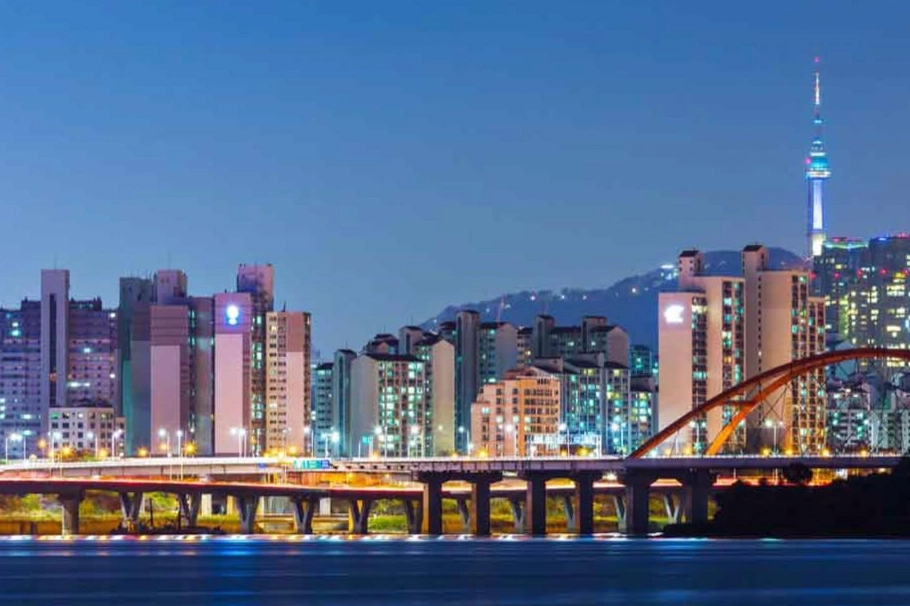
For first-timers, the palaces are non-negotiable. Gyeongbokgung is the grandest, but it's also the most crowded. Changdeokgung and its secret garden, Huwon, require a guided tour booked in advance, but it's a more intimate and, in my opinion, superior experience. You can find official tour information and booking on the Korea Tourism Organization website. Pro tip: rent a hanbok (traditional dress). Not only do you look the part, but you also get free entry into all the major palaces. It's a total hack.
Then there's Namsan Tower. Yes, it's touristy. Yes, the love locks are cheesy. But the 360-degree view of Seoul's insane urban sprawl, nestled between mountains, is genuinely worth it. Go just before sunset, see the city in daylight, and watch as millions of lights flicker on.
Busan: Oceans, Mountains, and a Totally Different Vibe
If Seoul is fast-paced and intense, Busan is laid-back and breezy. It's a port city with fantastic beaches, fresh seafood, and a dramatic coastline. Haeundae Beach is famous, but it gets packed in summer. I prefer Gwangalli Beach – you get the same great view of the Gwangan Bridge but with slightly fewer people and cooler waterfront bars.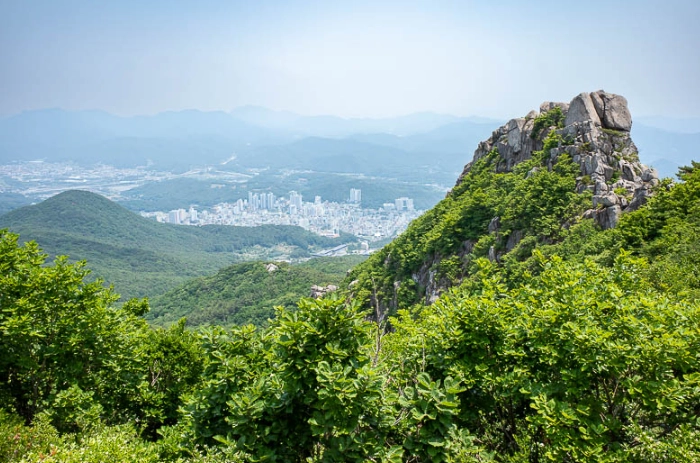
The real magic of Busan, for me, is in its hillside neighborhoods. Gamcheon Culture Village, this colorful Lego-block town clinging to a mountain, is stunning. It was a bit too curated for my taste, but the photo ops are undeniable. For a more authentic feel, take the Songdo Cable Car over the ocean or explore the alleyways around Taejongdae, a cliffside park with rocky outcrops and lighthouses.
And you cannot leave Busan without visiting Jagalchi Fish Market. It's raw, loud, smelly, and absolutely fascinating. You can pick your own live seafood from the tanks downstairs and have it cooked for you right upstairs. An unforgettable lunch, for sure.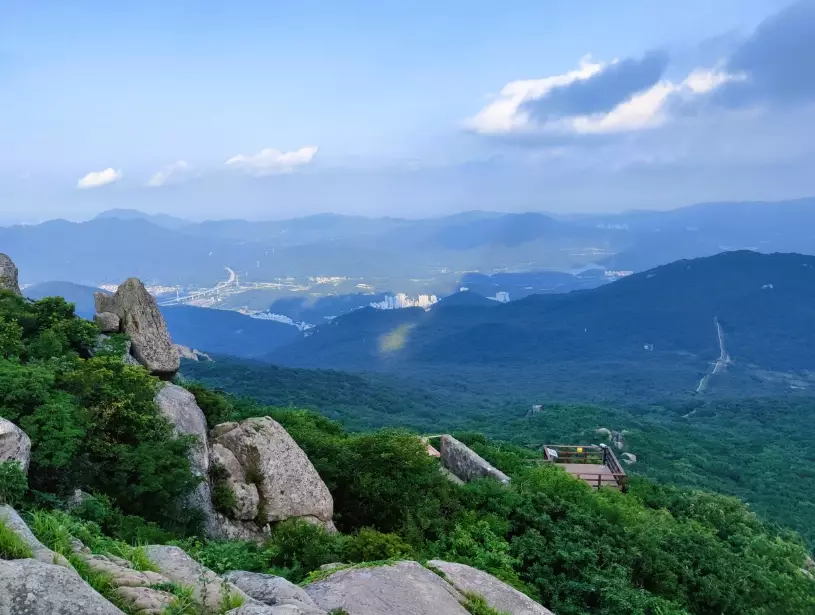
Jeonju: The Food and History Capital
People often overlook Jeonju, and that's a shame. If you want to understand traditional Korea without the massive crowds of Seoul's tourist zones, this is your spot. Jeonju Hanok Village is a massive district of hundreds of traditional Korean houses (hanok), many of which are now guesthouses, tea shops, and craft workshops. You can actually sleep in one, which I highly recommend—waking up on ondol (heated floor) is a unique experience.
But Jeonju's real claim to fame is food. It's the birthplace of bibimbap, the iconic mixed rice bowl. The version here, served in a brass bowl with a raw egg yolk and a richer assortment of vegetables and herbs, is the definitive one. Wander the alleys of the hanok village and you'll be spoiled for choice. Also, try kongnamul gukbap (bean sprout soup with rice) – a simple, delicious, and hangover-curing local specialty.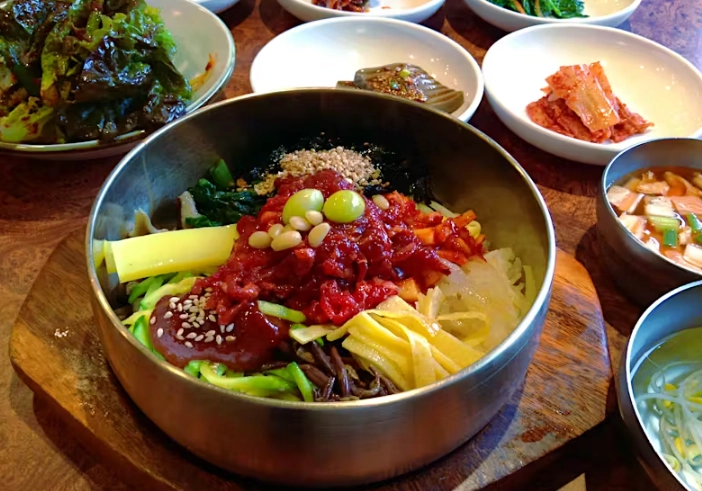
| City | Best For | Vibe | Must-Try Food | Potential Downside |
|---|---|---|---|---|
| Seoul | First-timers, culture, shopping, nightlife | Energetic, fast, modern | Street food in Myeongdong, Korean BBQ in Mapo | Can feel impersonal and crowded |
| Busan | Beaches, seafood, coastal scenery, relaxation | Relaxed, coastal, friendly | Live seafood at Jagalchi, milmyeon (wheat noodles) | Beaches are very seasonal (summer only) |
| Jeonju | Traditional culture, foodies, photography | Charming, historical, slow-paced | Jeonju-style Bibimbap, Makgeolli (rice wine) | Smaller, fewer major "attractions" |
Beyond the Cities: UNESCO Sites and Timeless Culture
The cities are fantastic, but the soul of Korea often lies outside them. These are the South Korea tourism places that have been around for centuries, telling stories of kingdoms, faith, and philosophy.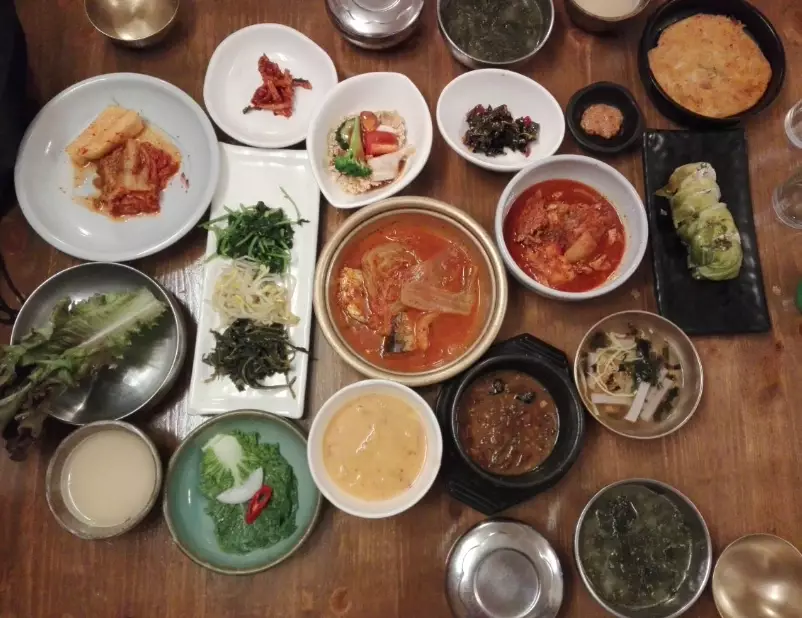
Gyeongju is often called "the museum without walls." This was the capital of the ancient Silla Kingdom for a thousand years. You don't visit a museum here; you walk through a park and stumble upon massive grassy burial mounds (tumuli) of ancient kings. You bike along paths that lead to the serene Anapji Pond, beautifully reconstructed, and the astronomical observatory Cheomseongdae. It's low-key and incredibly atmospheric. Bulguksa Temple and the nearby Seokguram Grotto are also part of this historical package and are UNESCO World Heritage sites for their breathtaking Buddhist art and architecture. You can verify their status and significance on the UNESCO World Heritage Centre website.
Andong Hahoe Folk Village is another UNESCO site, but it's a living one. This isn't a recreation; it's a real clan village where people still live, preserving Joseon-era architecture and traditions. The thatched-roof houses set in a bend of the Nakdong River are picturesque. The real highlight is the mask dance drama performance, a tradition dating back to the Middle Ages that satirized the aristocracy. It's funny, engaging, and a unique cultural window.
Suwon's Hwaseong Fortress is a late-Joseon period marvel. It's a massive, 5.7km-long wall that encircles the old city center. You can walk the entire length, which takes a few hours, passing archery towers, command posts, and secret gates. The views are great, and it's a fantastic way to spend an afternoon if you're based in Seoul (it's an easy subway ride away).
Nature's Playground: Mountains, Islands, and National Parks
About 70% of Korea is mountainous. If you don't experience the mountains, you're missing a huge part of the national identity. Hiking is a national pastime here, done with a seriousness (and full matching gear) that's impressive.
Seoraksan National Park is the crown jewel. The peaks are jagged and dramatic, the valleys are deep, and the autumn foliage is legendary (and brings insane crowds). You can do anything from a gentle walk to the famous Biryong Falls to a grueling multi-day trek. The cable car up to Gwongeumseong Fortress offers stunning views for those who want the reward without the sweat.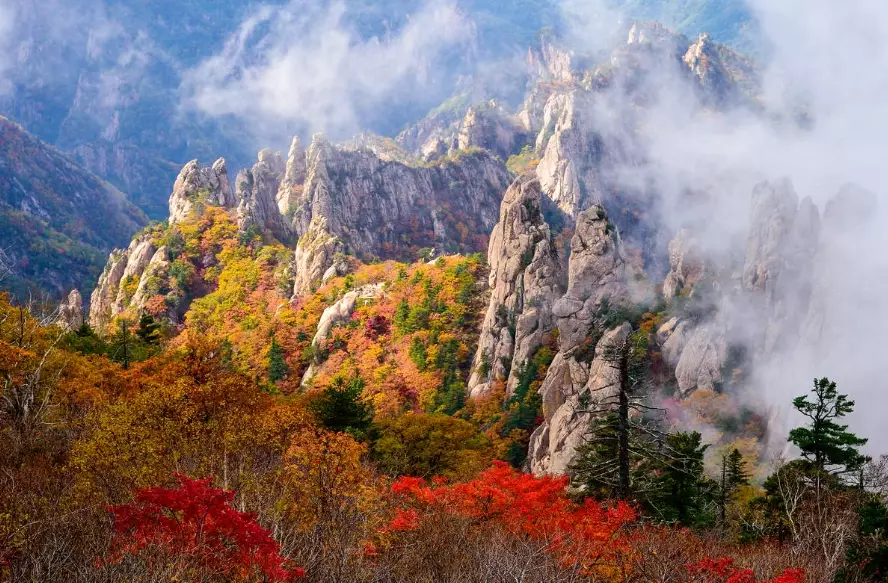
Jeju Island is in a category of its own. It's Korea's holiday island, with a subtropical climate and a landscape forged by a volcano. Hallasan, the central mountain, is a dormant volcano you can hike to the crater lake. The coastline is dotted with unique oreum (parasitic volcanic cones) and bizarre lava tube caves like Manjanggul, which is another UNESCO site. Then there's the iconic Seongsan Ilchulbong (Sunrise Peak), a perfect tuff cone rising from the sea. Jeju feels distinctly different from the mainland—more relaxed, with its own unique culture and even dialect. Official park details and trail conditions for Hallasan are best checked on the Korea National Park Service website.
Boseong Green Tea Fields offer a different kind of natural beauty. Vast, rolling hills covered in meticulously manicured tea bushes create a stunning, almost surreal green landscape. It's incredibly photogenic. You can tour the fields, learn about tea processing, and of course, drink some of the freshest green tea you'll ever have.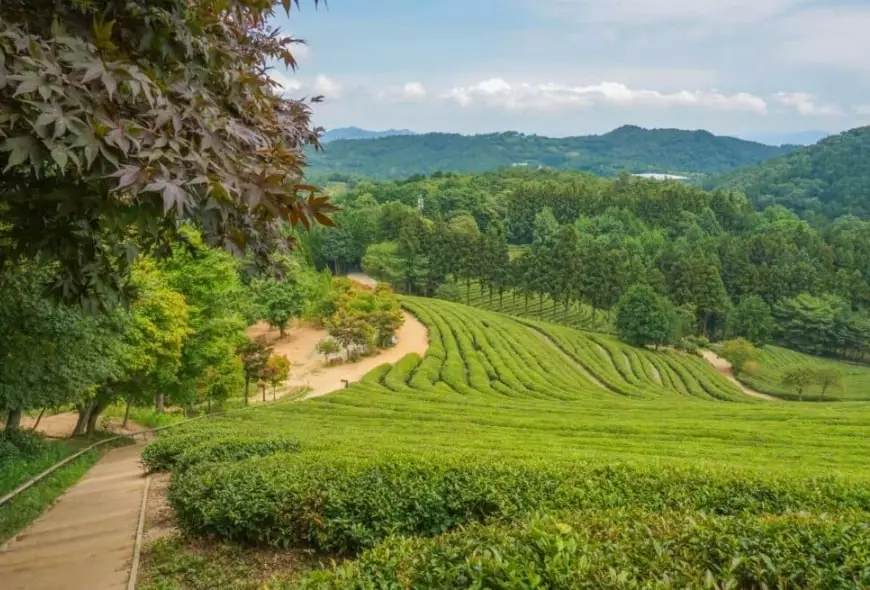
- Suncheon Bay Wetland Reserve: A vast, peaceful reed bed and coastal wetland perfect for easy boardwalk strolls and birdwatching.
- Garden of Morning Calm (Gapyeong): A stunningly landscaped garden that's beautiful in every season, especially during its famous lighting festivals in winter and autumn.
- Udo Island (off Jeju): Rent a bicycle or electric scooter and spend a day lazily looping around this small, charming island with peanut ice cream and white sand beaches.
Unique Experiences You Won't Find Just Anywhere
This is where your trip becomes truly memorable. Moving past the standard sightseeing checklist.
Temple Stay (Templestay): This isn't just visiting a temple; it's living the monastic life for a night or two. You participate in Buddhist ceremonies (predawn chanting is a humbling experience), eat monastic meals in silence, and try meditation. It's challenging, peaceful, and offers profound insight. Temples all over the country offer these programs in English.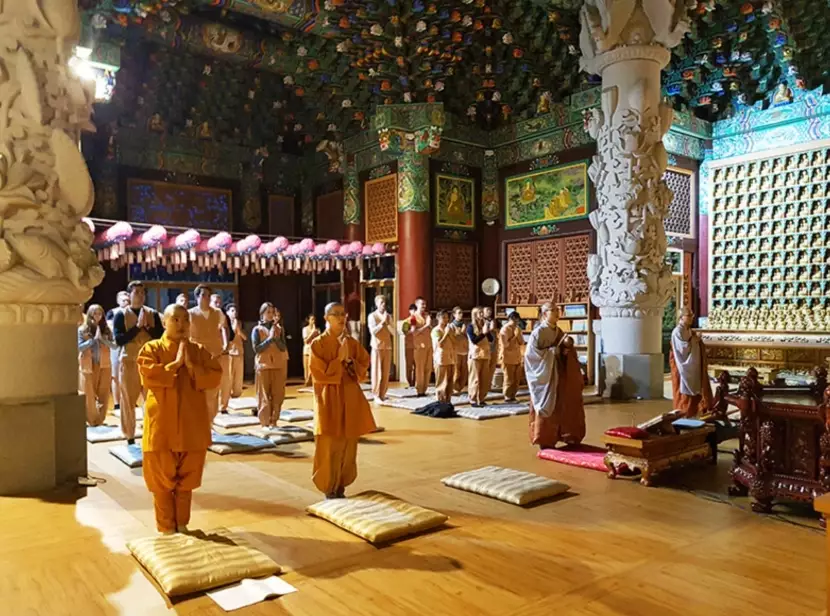
DMZ (Demilitarized Zone) Tours: A sobering and fascinating look at the ongoing division of the Korean peninsula. You can visit the Joint Security Area (JSA) at Panmunjom, see the Third Infiltration Tunnel dug by the North, and look over the border from the Dora Observatory. It's a heavy but important experience. Important: You MUST book these tours through an accredited agency, and passport details are required well in advance.
Jimjilbang (Korean Spa): This is everyday life for Koreans. A jimjilbang is a 24-hour spa complex with multiple hot and cold baths, saunas of various temperatures (including the iconic domed kiln saunas), relaxation rooms, and often sleeping rooms. It's a cultural immersion in relaxation and communal bathing. Be prepared for nudity in the gender-segregated bath areas. It's not weird, it's normal here. Just follow the locals' lead.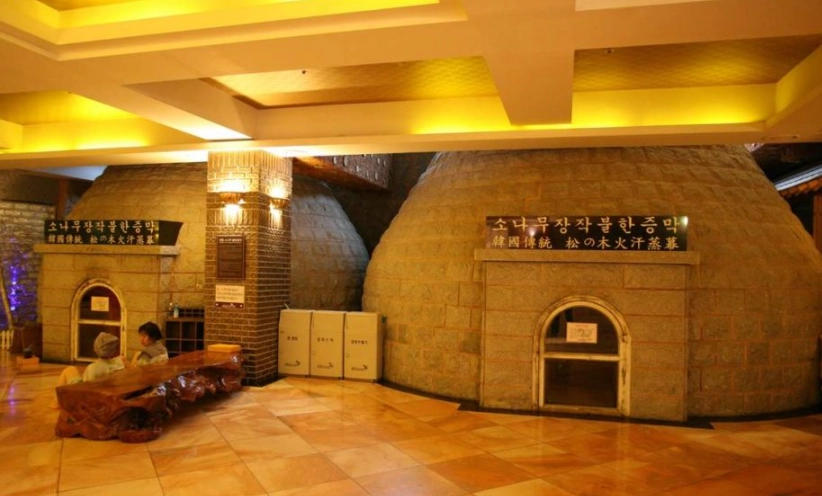
Practical Stuff: Making Your Trip Actually Work
All this talk about amazing South Korea tourism places is useless if you can't navigate the basics. Here's the real-world advice.
Getting Around: Korea's public transport is world-class. Get a T-money card (sold at any convenience store) and top it up. It works on subways and buses in every major city and even in taxis. For intercity travel, the KTX high-speed train is fast, comfortable, and punctual. Buses are cheaper and go everywhere, even to small towns. Naver Maps is the essential navigation app—Google Maps is unreliable here.
When to Go: Spring (April-May) and Autumn (September-October) are perfect—mild weather and beautiful scenery. Summer (June-August) is hot, humid, and rainy (monsoon season in July). Winter (December-February) is cold and dry, great for skiing and winter festivals, but some coastal areas like Busan can feel bleak.
Language: You can get by in major tourist areas with English, but learning a few basic Korean phrases (annyeonghaseyo - hello, kamsahamnida - thank you, hwangyong-haseyo - please) will earn you huge smiles. Papago is a far better translation app than Google Translate for Korean.
Answering Your Burning Questions (FAQs)
Look, the list of incredible South Korea tourism places is endless. You could go back five times and still find new corners to explore. The key is to mix it up. Balance the modern with the ancient, the urban energy with mountain tranquility, the famous sights with the local haunts. Don't try to see everything. Pick a theme—history, food, nature—or just choose a region and dive deep. South Korea rewards the curious traveler. It's efficient enough to be easy, but layered enough to keep you constantly surprised. Just go. You'll figure out the rest.

Comments
Join the discussion