In This Guide
- Let's Break Down Safety in Tahiti: The Good, The Bad, The Manageable
- Cultural Safety and Etiquette: Don't Be "That" Tourist
- Practical Safety Tips for Different Types of Travelers
- Your Pre-Trip Safety Checklist
- Navigating Specific Situations: Transportation and Money
- Answering Your Burning Questions: Tahiti Safety FAQ
- Putting It All Together: The Final Verdict
Let's cut to the chase. You're dreaming of overwater bungalows, turquoise lagoons, and those iconic black sand beaches. But a little voice in the back of your head is asking, "Is Tahiti safe?" It's a totally normal question. You're investing a lot of time and money into this trip, and you don't want any nasty surprises.
I get it. I had the same worry before my first trip. You see pictures of paradise, but you also hear random stories or just have that general travel anxiety. Well, after spending time there and talking to locals and fellow travelers, I'm here to give you the real, unfiltered scoop. No sugar-coating, no corporate tourism spiel. Just the facts mixed with some practical advice you can actually use.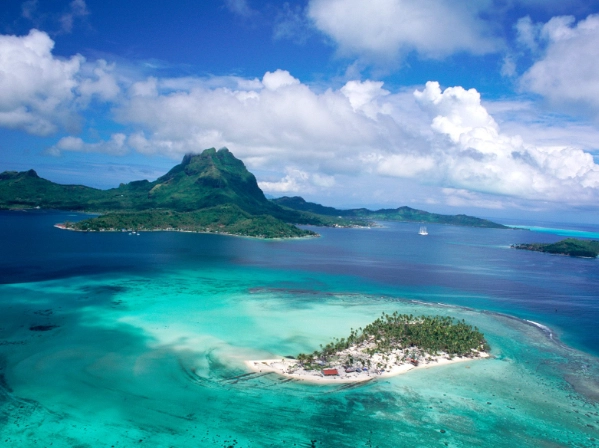
The short answer? Yes, Tahiti and the islands of French Polynesia are overwhelmingly safe for tourists. Like, remarkably safe. But—and there's always a but—"safe" means different things to different people. Safety isn't just about crime. It's about health, natural elements, cultural know-how, and just plain common sense.
The Core Takeaway: For the vast majority of visitors, Tahiti presents a lower risk of crime than most major cities in Europe or North America. The main challenges you'll face are related to nature (sun, water, wildlife) and the occasional petty crime in more touristy spots. Your biggest danger is probably renting a scooter on a rainy day.
Let's Break Down Safety in Tahiti: The Good, The Bad, The Manageable
To really answer "Is Tahiti safe?", we need to look at it piece by piece. It's not useful to just say "it's safe" and leave it at that. You deserve to know the specifics.
Crime and Personal Safety: What's the Real Story?
This is usually the number one concern. Here's the deal. Violent crime against tourists is extremely rare. I mean, you're not going to get mugged at gunpoint walking back from dinner. The overall vibe in places like Bora Bora, Moorea, or the smaller atolls is incredibly relaxed and peaceful. People leave doors unlocked. Kids play outside. It feels, for lack of a better word, gentle.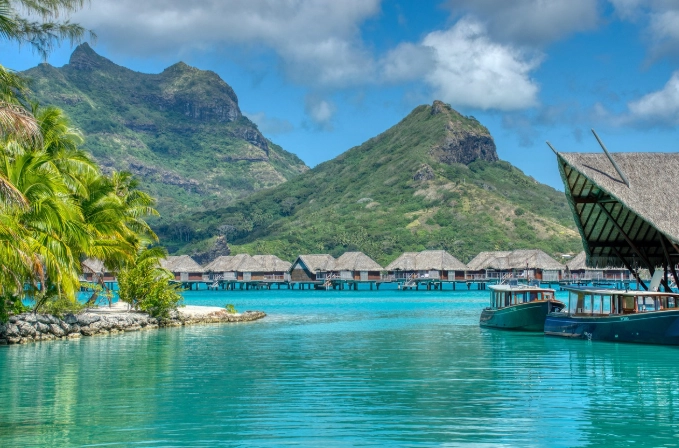
However. There is a "however." Papeete, the capital city on the main island of Tahiti, is a working port city. Like any urban center, it has its issues. Petty theft—like bag-snatching, pickpocketing, or theft from unlocked cars—is the most common crime. It often happens in crowded places like the Papeete Market (which is amazing, by the way) or along the waterfront at night.
A friend of a friend had her bag lifted from the seat of her scooter while she was taking a photo. Annoying? Absolutely. Trip-ruining? Not if you're prepared.
My Personal Rules for Papeete: I treat it like any other small city. I don't flash expensive jewelry or cameras unnecessarily. I keep my bag close and zipped in the market. I avoid dimly lit, deserted streets late at night. And if I'm renting a car, I never leave anything visible inside, not even a charging cable. Common sense goes a long, long way.
Once you leave Papeete and head to the other islands (the "Les Isles") or the more remote atolls, the crime concern drops to almost zero. The community feel is strong, and everyone knows everyone. Your resort or pension will be very secure.
Health and Medical Safety: Bugs, Food, and Hospitals
Okay, crime aside, you need to stay healthy. So, is Tahiti safe from a health perspective?
Mosquitoes and Diseases: This is a big one. French Polynesia has mosquitoes that can carry diseases like dengue fever, Zika, and chikungunya. There isn't malaria, but these other illnesses are no joke. Dengue outbreaks do occur periodically. The official advice from the U.S. Centers for Disease Control and Prevention (CDC) is clear: prevent mosquito bites. I lived in DEET spray and wore long, light clothing at dusk. It's non-negotiable.
Food and Water Safety: The tap water in Papeete and major resorts is generally treated and safe to drink. On smaller islands and atolls, it's often collected rainwater. Locals drink it, but sensitive stomachs might react. I stuck to bottled water just to be safe, which is easy to find. The food? Incredible and safe. From roadside food trucks ("roulottes") to high-end resorts, hygiene standards are good. I ate fresh poisson cru (raw fish in coconut milk) almost daily with zero issues. Just use the same caution you would anywhere: if a place looks dirty, maybe skip it.
Medical Care: Papeete has a modern hospital. The outer islands have smaller clinics ("infirmeries") for basic issues, but serious medical problems require evacuation to Papeete or even to New Zealand or Hawaii. This is crucial. Travel insurance that covers medical evacuation is not a suggestion; it's a requirement. I never travel without it, but here it felt especially important. A simple broken bone might be fine locally, but anything complex needs that evacuation coverage.
Natural Hazards: Sun, Sea, and Weather
Paradise has its own set of rules. The natural environment is stunning but demands respect.
The Sun: The sun is intense. It's a tropical sun right near the equator. I got the worst sunburn of my life on my first day, through a cloud cover, because I got cocky. High-SPF reef-safe sunscreen, a hat, and a rash guard for swimming are essentials. This is a safety issue—severe sunburn can lead to heatstroke and ruin your trip.
The Ocean and Lagoon: The lagoons are often calm and perfect for swimming. But currents outside the reef (for surfing or diving) can be powerful. Always go with a licensed guide for activities like diving, shark feeding, or open-ocean excursions. Coral cuts are also common and can get infected easily. Water shoes are a great investment.
Marine Life: You'll see sharks and stingrays. They are generally not aggressive. In fact, feeding stingrays is a popular tourist activity. Just listen to your guide—don't touch the wildlife, and be aware of your surroundings.
Weather and Hurricanes: The official cyclone season runs from November to April. The risk is highest from January to March. It doesn't happen every year, but it can. If you travel during this period, choose travel insurance that covers weather disruptions. The rest of the year is generally stable, but tropical rain showers can be heavy and sudden.
A Quick Reality Check: I met a couple who had their inter-island flights cancelled for two days due to heavy rain. It wasn't a cyclone, but it disrupted their plans. They were stressed because they hadn't built any flexibility into their itinerary. Lesson learned: always pad your schedule, especially between islands.
Cultural Safety and Etiquette: Don't Be "That" Tourist
Safety isn't just physical; it's about being welcome. Being culturally insensitive can make you stand out in a bad way. Polynesian culture is warm and welcoming, but it has its nuances.
- Respect the Land ("Whenua"): The land is sacred. Don't just wander onto private property (even if it looks like a beautiful empty beach) or remove stones/coral as souvenirs.
- Dress Modestly in Villages: Bikinis and bare chests are fine at the resort pool or a dedicated beach. But when visiting a local village or a church (a big part of Sunday life), cover up. A sarong or a t-shirt over your swimwear shows respect.
- Greetings Matter: A simple "Ia Ora na" (hello) goes a huge way. Smile. Don't just march into a shop and start demanding things. A little polite interaction first is the norm.
- Tipping: Not expected or part of the culture. A sincere "Māuruuru" (thank you) is appreciated. In high-end resorts, a small tip might be accepted but is not obligatory.
When you show respect, you blend in better. And blending in is a subtle but powerful safety tool.
Practical Safety Tips for Different Types of Travelers
So, is Tahiti safe for you specifically? Let's tailor it.
Is Tahiti Safe for Solo Travelers (and Solo Female Travelers)?
Yes, absolutely. I traveled solo for part of my trip and felt completely at ease. For solo female travelers, the same general rules apply. Avoid walking alone in poorly lit areas of Papeete at night. Trust your instincts. At resorts and on the outer islands, I felt incredibly safe, even walking back to my bungalow at night. The catcalling or harassment you might experience in some other tourist destinations is notably absent here. The culture is more respectful in that regard.
That said, if you're a solo traveler looking for a big backpacker party scene, Tahiti isn't really it. It's more about relaxation and nature. That quieter atmosphere actually contributes to the overall feeling of safety.
Is Tahiti Safe for Families?
It's fantastic for families. The pace is slow, the people are great with kids, and the resorts are set up for it. Health-wise, just be extra vigilant with mosquito protection for little ones and sun safety. The major concern would be the cost, not the safety. For peace of mind, choosing a family-friendly resort with a kids' club and calm lagoon access is a winner.
Is Tahiti Safe for LGBTQ+ Travelers?
French Polynesia, as a French territory, follows French law regarding LGBTQ+ rights. Same-sex sexual activity is legal, and discrimination is prohibited. Society is generally tolerant, especially in tourist areas. Public displays of affection might draw looks in more traditional villages, but violence is highly unlikely. As always, exercising discretion in less cosmopolitan areas is wise.
Your Pre-Trip Safety Checklist
Don't just wonder, "Is Tahiti safe?" Get proactive. Here's your action list:
- Insurance: Buy comprehensive travel insurance with medical evacuation coverage. Read the fine print about adventure activities if you plan to scuba dive.
- Vaccinations and Meds: Check the CDC and WHO websites for recommended vaccinations. Ensure your routine vaccines are up to date. Pack a small medical kit with antiseptic, bandages, motion sickness pills, diarrhea relief, and any personal prescriptions.
- Mosquito Defense Arsenal: Pack EPA-registered insect repellent (with DEET, picaridin, or oil of lemon eucalyptus), permethrin spray for treating clothing, and long-sleeved, light-colored clothing.
- Sun Protection: Reef-safe sunscreen (SPF 50+), a wide-brimmed hat, UV-protection sunglasses, and a rash guard.
- Copies of Documents: Photocopy or take photos of your passport, insurance policy, and credit cards. Store them separately from the originals and in a secure cloud service.
- Register with Your Embassy: It's a quick online process (like the U.S. Department of State's Smart Traveler Enrollment Program (STEP)) that lets your government know you're there in case of a major emergency.
Doing these things takes maybe an afternoon. It turns anxiety into preparedness.
Navigating Specific Situations: Transportation and Money
Let's get into the nitty-gritty of daily travel.
Is it Safe to Drive in Tahiti?
Driving on the main island of Tahiti is an adventure. The coastal road is fine, but it's narrow, winding, and can be busy. Drivers can be a bit... assertive. Speed bumps are everywhere near villages. At night, some roads are poorly lit, and you might encounter pedestrians or animals. I found driving during the day to be manageable with caution. Renting a scooter on Moorea or Bora Bora is popular and fun, but wear a helmet. I saw too many tourists with scrapes and bruises from minor spills. The roads can be slick after rain.
Inter-Island Travel: Ferries and Flights
Domestic flights (Air Tahiti) and ferries (like the Aremiti ferry to Moorea) are safe and well-regulated. The ferries can get bumpy in rough seas—if you're prone to seasickness, take medication beforehand. For flights, weather is the main variable for delays.
Money and Scams
Credit cards are widely accepted in resorts and larger businesses. In smaller villages and at the roulottes, cash (French Pacific Francs - XPF) is king. ATMs are available in Papeete and larger villages. Card skimming is rare but not impossible. Use ATMs in banks or well-lit areas. Overcharging scams are uncommon, but it's always good to have a rough idea of prices. The main "scam" might be paying a premium for not bargaining at the market for non-food items, but that's just shopping.
Answering Your Burning Questions: Tahiti Safety FAQ
Putting It All Together: The Final Verdict
Look, no place on earth is 100% risk-free. Your hometown isn't. But if you're asking, "Is Tahiti safe for a typical tourist who exercises basic common sense?" the answer is a resounding yes.
It's one of the safest tropical destinations I've visited. The fears are often overblown. The reality is a place where the community is strong, violent crime is low, and the biggest hurdles are logistical or environmental.
My final piece of advice? Don't let fear dictate your trip. Let preparedness enable it. Pack the right gear, buy the insurance, learn a few polite phrases, and respect the ocean and the sun. Do those things, and you're set.
You'll likely come home wondering why you were ever worried, and your memories will be of the incredible kindness of the people and the breathtaking beauty of the islands—not of any safety concerns. That's the real answer to the question, "Is Tahiti safe?"
Seriously, it's that good. Now go book that trip.
Comments
Join the discussion