So you're thinking about visiting Morocco? Good call. It's one of those places that just sticks with you. I still remember the first time I stepped foot in Marrakech – the air was thick with the scent of spices and the sound of snake charmers was just... everywhere. But let's not get ahead of ourselves.
Morocco is more than just snake charmers and spices, though. It's a country where every corner tells a story, every meal is a celebration, and every sunset feels like a promise. But planning a trip can be overwhelming, right? Where do you even start? How do you make sure you don't miss out on the hidden gems?
What You'll Find in This Guide
Must-See Cities
Marrakech: The Red City
Let's start with Marrakech. It's like stepping into a living, breathing movie set. The Jemaa el-Fnaa square is the heart of it all – snake charmers, storytellers, and food stalls that go on forever. But here's something most guides don't tell you: the best time to visit the square is actually in the late afternoon, when the heat dies down and the crowds thin out a bit.
And if you're into architecture, the Koutoubia Mosque is a must-see. But here's a pro tip: the view from the nearby gardens is actually better than trying to get up close. The gardens are free, open from 9 AM to 5 PM, and located right in the city center. Just a 10-minute walk from the square.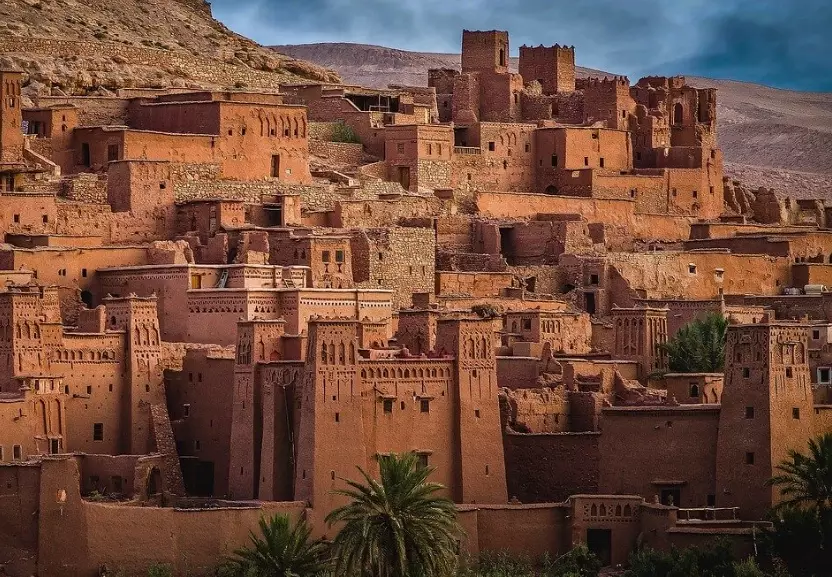
Fez: The Ancient Medina
Then there's Fez. If you thought Marrakech was overwhelming, wait until you get lost in the Fez medina. It's the oldest in Morocco and a UNESCO World Heritage site. But don't worry, getting lost is part of the experience. The trick is to follow the main arteries – they'll eventually lead you back to a familiar landmark.
The Chouara Tannery is the most famous spot, but honestly, the smell can be intense. I'd recommend visiting the Sidi Mohamed Ben Ali Medersa instead. It's a 14th-century school that's been beautifully restored, and for a small fee (about 20 MAD), you can get a guided tour that explains the history in detail.
Sahara Desert
Now, no trip to Morocco is complete without a Sahara Desert experience. And let me tell you, camping under the stars in the desert is something else. But planning this part can be tricky. Most tours leave from Marrakech or Fez, and the drive can be long. But the experience is worth every bump.
I did a 3-day tour from Marrakech, and while the travel days were long, the nights in the desert made up for it. The key is to choose a tour that includes a camel ride at sunset, a traditional Berber dinner, and a night in a desert camp. And don't forget to pack warm clothes – the desert gets cold at night, even in summer.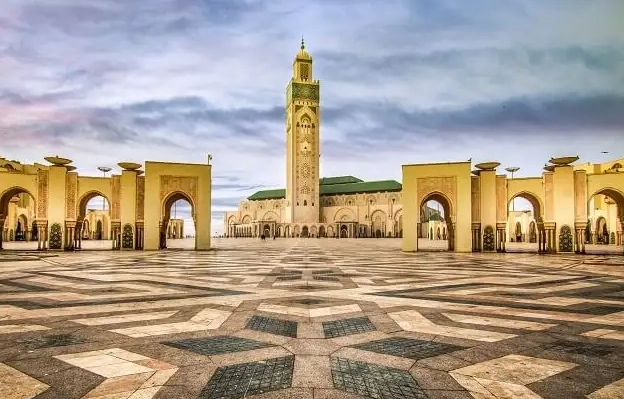
Food Experience
And then there's the food. Oh, the food. Moroccan cuisine is a world of its own, and every meal feels like a celebration. But here's a little secret: the best food isn't always in the fancy restaurants. Sometimes, it's in the small, hole-in-the-wall places where the locals eat.
I still remember this tiny place in the Fez medina that served the best tagine I've ever had. It was just a small stall, but the flavors were out of this world. And the cost? Less than 20 MAD for a full meal. But you have to be willing to explore, to step off the beaten path.
Practical Tips
Now, let's talk logistics. Morocco is a relatively easy country to travel in, but there are a few things you should know.
Language
First, language. Arabic is the official language, but French is widely spoken, especially in the cities and tourist areas. And English is also common in tourist areas. But learning a few basic phrases in Arabic or French can go a long way in making connections.
Currency
The official currency is the Moroccan dirham (MAD). And while credit cards are accepted in most hotels and larger restaurants, cash is king in the souks and smaller establishments. So make sure to have some on hand.
Transportation
Getting around can be an adventure in itself. The trains are comfortable and connect the major cities, but for more remote areas, you'll need to rely on buses or shared taxis. And within the cities, the petit taxis are a cheap and efficient way to get around, but make sure to agree on a price before you get in.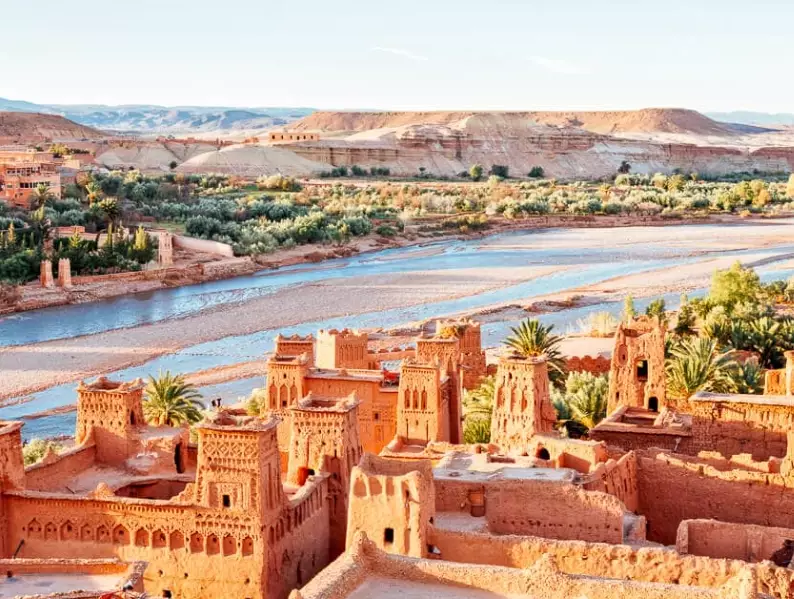
Hidden Gems
But beyond the well-trodden path, there are hidden gems waiting to be discovered. And that's what makes Morocco so special – the sense of discovery, of finding something new around every corner.
Chefchaouen: The Blue Pearl
Take Chefchaouen, for example. This blue-washed city in the Rif Mountains is a photographer's dream, but it's also a place where time seems to slow down. The best time to visit is actually in the shoulder seasons, when the weather is pleasant, and the crowds are smaller.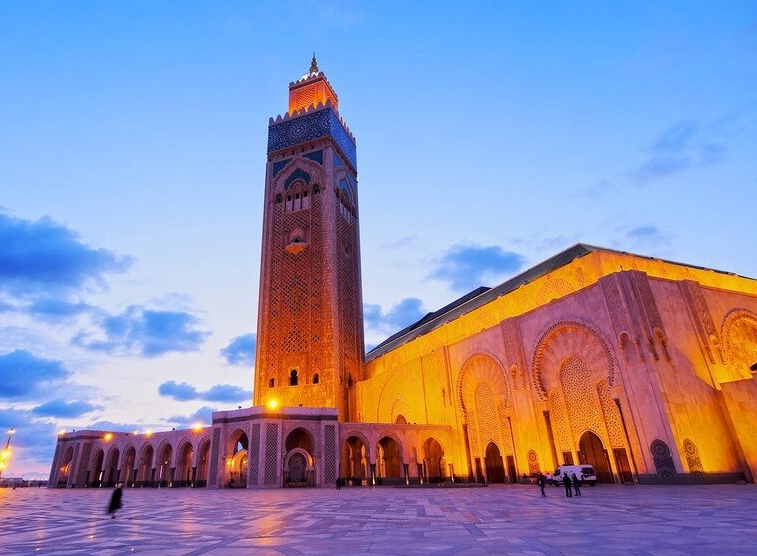
And the best part? It's completely walkable. You can spend days just wandering the narrow, blue-painted streets, discovering hidden cafes and artisanal shops. But here's a tip: wear comfortable shoes. The streets are steep and uneven, but that's part of the charm.
Essaouira: The Coastal Escape
Then there's Essaouira. This coastal city is a world away from the hustle and bustle of Marrakech, with its laid-back vibe, fresh seafood, and windy beaches. It's a popular spot for windsurfing and kitesurfing, but even if you're not into water sports, the medina is worth exploring.
And don't miss the Skala du Port, the old fortifications that offer stunning views of the Atlantic Ocean. But here's a little secret: the best time to visit is actually in the late afternoon, when the light is perfect for photos, and the crowds have thinned out.
Budget Travel
Now, let's talk budget. Morocco can be a very affordable destination, but it's also easy to overspend if you're not careful. The key is to plan ahead, to set a budget and stick to it.
Accommodation can range from budget-friendly hostels (starting at around 100 MAD per night) to luxury riads (upwards of 2000 MAD per night). And food is incredibly cheap, especially if you eat like a local. A meal in a local restaurant can cost as little as 20-30 MAD, while a more upscale place might set you back 100-150 MAD.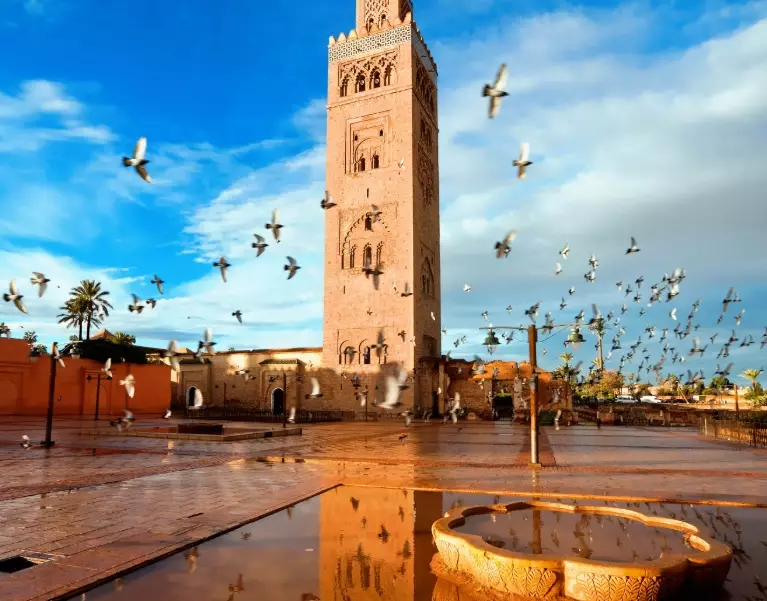
Safety Tips
And finally, safety. Morocco is generally a safe country for tourists, but like anywhere, it's important to be aware of your surroundings. Avoid isolated areas at night, be cautious of pickpockets in crowded places, and respect the local customs.
But here's the thing: the biggest safety concern for most tourists is actually the traffic. The driving can be chaotic, especially in the cities, so be extra careful when crossing the street. And if you're not comfortable driving, consider hiring a driver or using public transportation.
Conclusion
So, is Morocco worth the trip? Absolutely. But it's not just about the destinations; it's about the journey, the experiences, the connections you make along the way. And that's what makes it so special.
It's a country that will challenge you, surprise you, and leave you wanting more. But most importantly, it will make you feel alive. And isn't that what travel is all about?
Comments
Join the discussion