In This Guide
Let's be honest, figuring out where to stay in Japan can feel like trying to solve a puzzle where all the pieces look amazing but you're not sure how they fit your budget, your style, or that dream itinerary you've been piecing together for months. I remember my first trip, staring at booking sites, utterly confused by the options. Ryokan? Capsule? Business hotel? What's the real difference, and more importantly, which one is right for *me*?
That's what this guide is for. We're going to cut through the noise. Forget the generic lists. We'll talk about the real pros and cons, the little details that make or break a stay, and how to match a place to your travel personality. Because your Japan accommodation isn't just a bed; it's a core part of the experience.
The Lay of the Land: Understanding Your Japan Accommodation Options
Japan's lodging scene is incredibly diverse. It's not just hotels. The variety is part of the fun, but also the confusion. So let's break them down, not just by name, but by what they actually offer.
The Classics: Ryokans and Minshuku
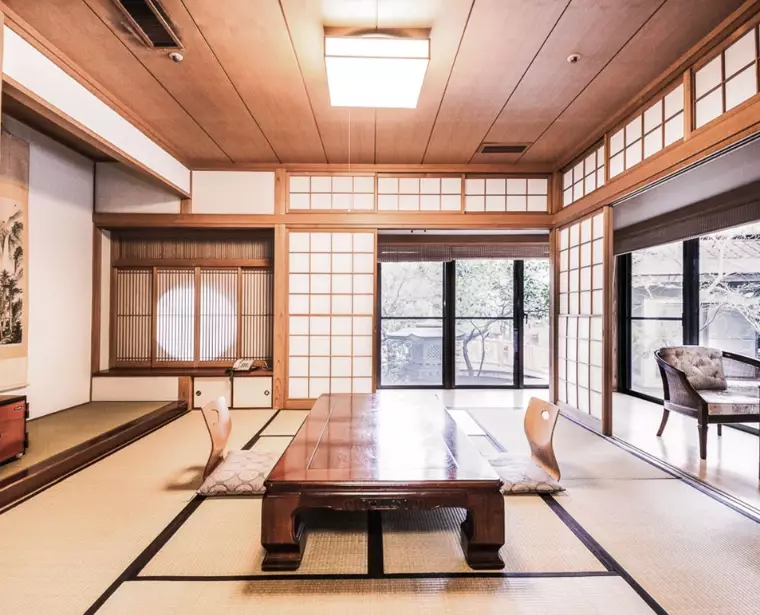
When people think of traditional Japan accommodation, this is it. A ryokan is the full, often luxurious, cultural immersion. You're paying for an experience: tatami-mat floors, futon beds laid out for you, multi-course kaiseki dinners served in your room or a dining hall, and often access to an onsen (hot spring bath). It's peaceful, ritualistic, and unforgettable.
My stay at a small family-run ryokan in Hakone was a highlight. The food was incredible, but I'll admit, sleeping on the futon took a night to get used to, and as a solo traveler, the silence by 9 PM was almost too profound. It's not a party place.
A minshuku is like ryokan's more casual, budget-friendly cousin. Often family-run guesthouses, they offer a simpler homestay experience. You might get home-cooked meals (sometimes with the family), but the facilities are more basic and you might be expected to fold your own futon. The charm is in the personal touch.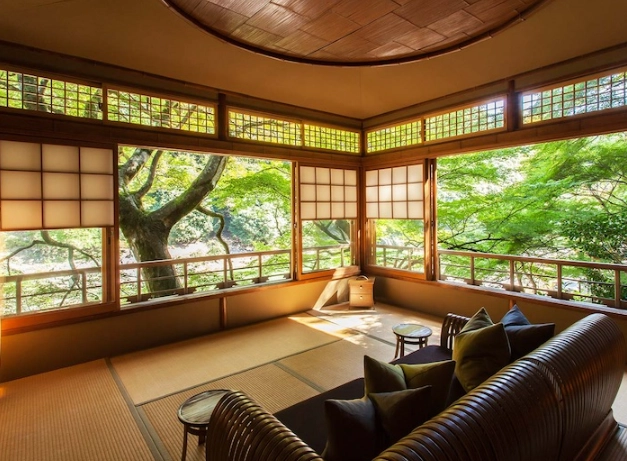
The Modern Mainstays: Hotels from Business to Luxury
Japanese hotels are a category unto themselves, known for impeccable service and efficiency.
Business Hotels: Don't let the name fool you. These are a godsend for any traveler on a budget who values cleanliness and convenience. Rooms are famously compact (you might have to sidle past your bed), but they are spotless, functional, and often include a simple breakfast. Chains like Toyoko Inn, APA Hotel, and Dormy Inn are everywhere. The downside? They can feel sterile and identical from city to city.
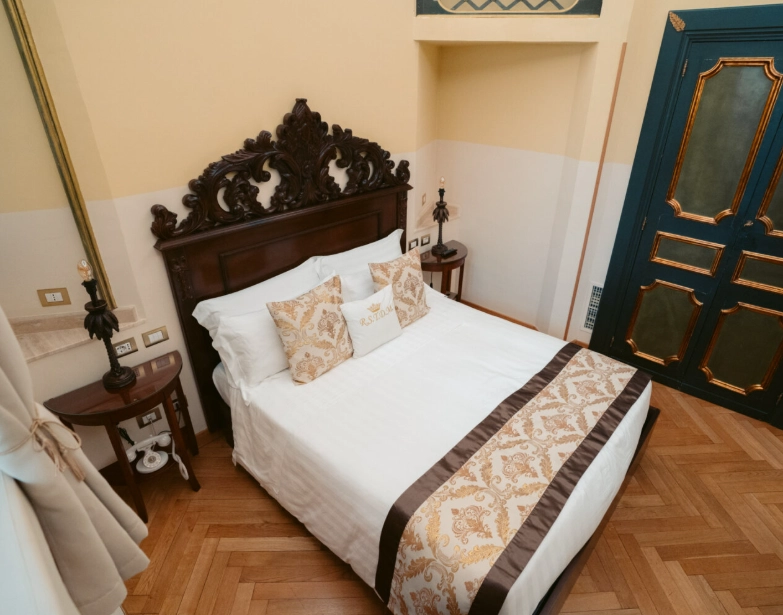
City Hotels & Luxury Hotels: Your standard Western-style hotels. You know what you're getting: larger rooms, international amenities, multiple restaurants. The luxury end in cities like Tokyo and Osaka is world-class.
The Social & Budget Hubs: Hostels, Guesthouses & Capsule Hotels
Japan has some of the world's best hostels. Gone are the days of just grungy bunk beds. Many are design-forward, incredibly clean, and offer both dorms and private rooms. They're fantastic for meeting other travelers, getting local tips from staff, and stretching your yen. Websites like Booking.com or Hostelworld are your friends here.
Then there's the capsule hotel. It's a must-try experience at least once. You get a pod—just enough space to lie down—with a TV, light, and sometimes a small shelf. Bathrooms and lounges are shared. They're super efficient, clean, and surprisingly high-tech. Great for a single night when you just need a place to crash. Important note: Many are still men-only, though women-only and mixed capsules are growing.
The New Wave: Vacation Rentals & Unique Stays
Airbnb and its counterparts are legal and regulated now. They can offer great value for families or groups wanting a kitchen and more space. You can find amazing traditional machiya houses in Kyoto or modern apartments in Tokyo. The catch? Be *very* careful about location and rules. Some are in strictly residential areas where noise is a major issue. Always check reviews meticulously.
And then there are the unique ones: temple stays (shukubo), farm stays, even manga cafes for that ultra-budget, desperate-night option.
Where to Stay? Matching Location to Your Trip Goals
Picking the right city is one thing. Picking the right neighborhood is everything. Your Japan accommodation location dictates your daily experience.
Tokyo: The Neighborhood Jungle
Tokyo is a constellation of cities. Where you stay changes the trip.
- Shinjuku/Shibuya: The pulsing heart. Perfect if you want to be in the middle of the neon, nightlife, and endless dining. It's loud, crowded, and exhilarating. Terrible if you want quiet by 8 PM. The transport hubs are unbeatable.
- Ginza/Tokyo Station: Upscale, polished, convenient for bullet trains (Shinkansen). Great for luxury shopping and fine dining. Can feel a bit formal and less "neighborhoody."
- Asakusa/Ueno: Old Tokyo vibe. Near Senso-ji temple, great street food, more traditional feel. Excellent budget options and direct airport train access (Skyliner). Further from the western hub areas.
- Shimokitazawa/ Koenji: For the hipster, vintage-loving, cafe-hopping crowd. Thrift shops, indie music, a younger vibe. Less central but full of character.
See what I mean? Your Tokyo hotel choice isn't just about the room.
Kyoto: Tradition vs. Convenience
The classic dilemma here is: stay near the station (modern, convenient) or in the historic districts (charming, atmospheric).
Around Kyoto Station: You have a massive selection of hotels, easy access to buses and trains for day trips to Nara or Osaka. But you're in a modern transit hub, not "old Kyoto." You'll need to commute to the sights.
Gion/Higashiyama: You're in the postcard. Traditional streets, teahouses, walking distance to Kiyomizu-dera and Yasaka Shrine. The atmosphere is magical, especially at night after the day-trippers leave. But options are fewer, often pricier (think ryokans), and carrying luggage over cobblestones is no joke.
Osaka, Hiroshima, Sapporo & Beyond
For Osaka, areas like Namba (Dotonbori) are all about food and fun. Umeda is a more corporate, upscale hub. In Hiroshima, staying near the Peace Park is moving and convenient. In Sapporo, being near Odori Park or Susukino puts you in the center of Hokkaido's capital.
The rule of thumb? For a first trip focused on major sights, prioritize access to a major train station. For a deeper, slower second or third trip, dive into a specific neighborhood.
The Nitty-Gritty: Booking, Budgeting, and Practical Survival Tips
Alright, you've picked a type and a place. Now for the how-to.
How to Book Your Japan Accommodation
The landscape is competitive. Use aggregators like Booking.com or Agoda for comparing prices across hotels and hostels. They often have free cancellation options, which is golden for peace of mind. For ryokans, especially traditional ones, direct booking via their website (often with the help of Google Translate) or a specialized service like Japanican is often necessary. For hostels, Hostelworld's community reviews are top-notch.
Always, always check the official website of the place too. Sometimes they offer a "direct booking discount" or special packages not listed on third-party sites.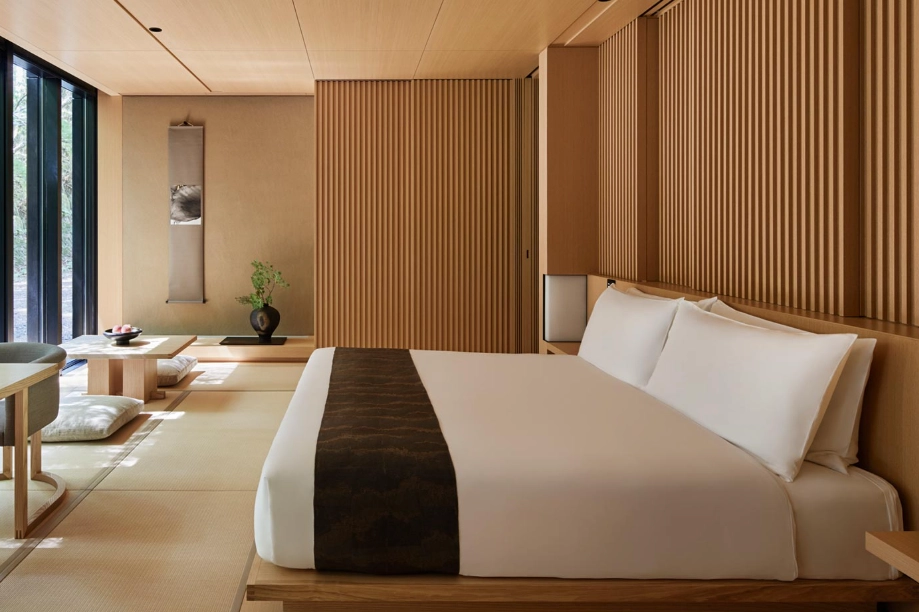
Decoding the Price Tag: What's a Good Deal?
Japan accommodation costs vary wildly. A capsule can be $30/night, a mid-range business hotel $80-$120, a good ryokan $250-$500 per person with meals. Budget at least $70-$100 per night for a decent private room in a major city. Remember, price spikes are insane during cherry blossom season (late March-early April), Golden Week (early May), and autumn foliage (November). Shoulder seasons (late autumn, early spring excluding sakura) offer better value.
Here’s a quick breakdown of what you might expect per night for two people in Tokyo:
| Accommodation Type | Budget Range | Mid-Range | Luxury/Experience | Best For |
|---|---|---|---|---|
| Capsule Hotel | $30 - $50 per person | - | - | Solo travelers, one-night stopovers |
| Hostel (Private Room) | $60 - $90 | - | - | Solo travelers, couples on a tight budget |
| Business Hotel | $80 - $130 | - | - | All travelers wanting clean, no-fuss basics |
| Standard City Hotel | - | $140 - $250 | - | Couples, families wanting more space |
| Vacation Rental (Apartment) | $100 - $180 | $180 - $300 | - | Families, groups, longer stays |
| Design/Lifestyle Hotel | - | $200 - $350 | - | Travelers valuing design and ambiance |
| Luxury Hotel | - | - | $400+ | Special occasions, premium service |
| Ryokan (with meals) | - | - | $250 - $600+ per person | Cultural immersion, romantic getaways |
What Nobody Tells You: The Small Print & Etiquette
- Check-in/out Times: They are strict. Check-in is often late (3 or 4 PM), check-out early (10 or 11 AM). Many business hotels have luggage storage so you can explore after checkout.
- Payment: While credit cards are widely accepted, some smaller ryokans, minshuku, or guesthouses may only take cash. Confirm in advance.
- Size Reality Check: A "double" bed might be smaller than you think. A "semi-double" is often just a full-size bed. Triple rooms often mean a double + a rollaway. Space is premium.
- Noise: Walls can be thin. Pack earplugs. Also, be super quiet in hallways and shared spaces, especially after 9 PM in residential areas or traditional stays.
- Slippers & Shoes: The shoe rule is sacred. You'll change into provided slippers at the entry, but take them off before stepping onto tatami mats. There are often separate bathroom slippers too—don't wear them out of the bathroom!
- Onsen/Bathhouse Rules: Wash thoroughly *before* getting in the bath. No towels in the water. Tattoos can be problematic at public baths; look for "tattoo-friendly" places or use private onsen.
Answering Your Burning Japan Accommodation Questions
Is it safe to stay in a capsule hotel?
Generally, very. They have secure lockers for your luggage and valuables. The main concern is noise from other guests (snoring!). Choose newer ones with good reviews. Safety for solo female travelers has improved with more women-only floors and facilities.
What's the best Japan accommodation for families?
Family rooms in business hotels (though tight), vacation rentals for space and a washing machine, or some larger ryokans that welcome children. Look for hotels near major stations to minimize walking with tired kids. The official Kyoto City official website, for example, has family-friendly travel tips.
Can I find good last-minute Japan accommodation deals?
Sometimes, but it's a huge risk, especially during peak seasons or in popular tourist towns. You might snag a cancellation, but you'll likely be stuck with an expensive or poorly located option. Book key stays well ahead.
Are there any areas I should avoid staying in?
Not really for safety. But you might want to avoid the immediate vicinity of major red-light districts like Kabukicho in Tokyo if you're easily bothered by touts or a certain vibe late at night. It's more about personal comfort than danger.
What about luggage forwarding?
Use it! The takuhaibin service (like Yamato Transport's Black Cat) is a lifesaver. You can send your large suitcase from the airport to your hotel, or from one hotel to the next, for a reasonable fee. Travel with just a daypack. Most hotels can arrange it for you.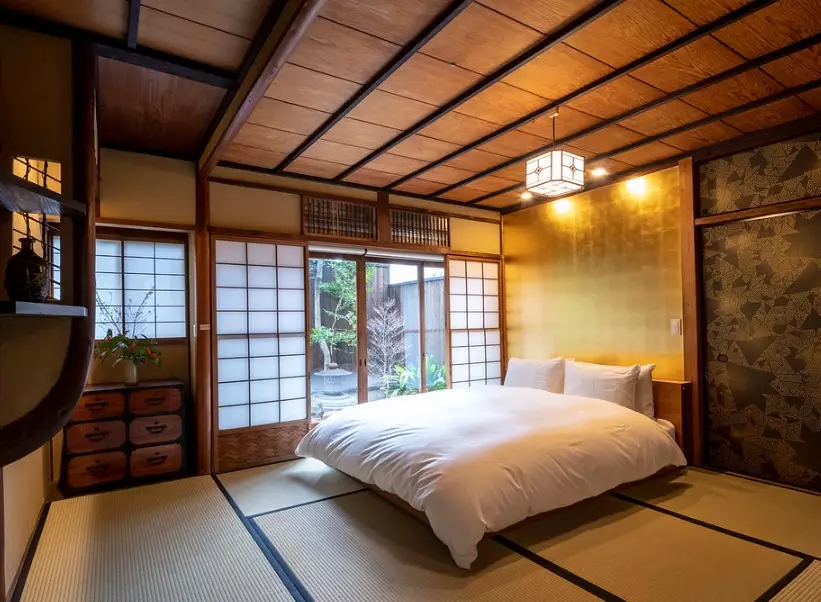
Wrapping It Up: Your Action Plan
So where does this leave you? Overwhelmed? Don't be. Here's a simple flow to follow:
- Define Your Trip's Core: Is it luxury, culture, food, nightlife, nature? Be honest.
- Set a Realistic Budget Per Night: Include a buffer for taxes and fees.
- Match Type to Trip: First-time cultural dive? Mix a ryokan with business hotels. Solo adventure? Hostels and capsules. Family fun? Apartments and family hotels.
- Location, Location, Location: Pick the neighborhood that serves your daily plans. Access to a train/subway line is non-negotiable.
- Book the Anchors First: Secure your stays in Tokyo, Kyoto, etc., during peak dates immediately.
- Read Between the Lines: Scour reviews for mentions of noise, bed comfort, and staff helpfulness. Look at photos travelers posted, not just the professional ones.
- Embrace the Experience: Your Japan accommodation is part of the journey. That tiny, hyper-efficient business hotel room is a cultural insight. The ryokan's quiet discipline is a lesson in mindfulness. The hostel common room might lead to your best night out.
It's a lot to take in.
But getting your Japan accommodation right sets the foundation for an incredible trip. You'll have a comfortable, convenient, and maybe even magical place to return to after a long day of exploring. Do your homework, book early for the good stuff, and be open to trying at least one type of stay that's outside your usual comfort zone. That's often where the best memories are made.
Happy travels, and good luck finding your perfect home away from home in Japan.
Comments
Join the discussion