Figuring out the best time to visit Fiji and New Zealand isn't about finding a single perfect month. It's a balancing act between two countries with opposing seasonal rhythms and your own travel priorities. Get it right, and you'll experience world-class hiking under clear skies and pristine coral reefs without the monsoon rains. Get it wrong, and you might face packed trails, soaring prices, or weather that keeps you indoors.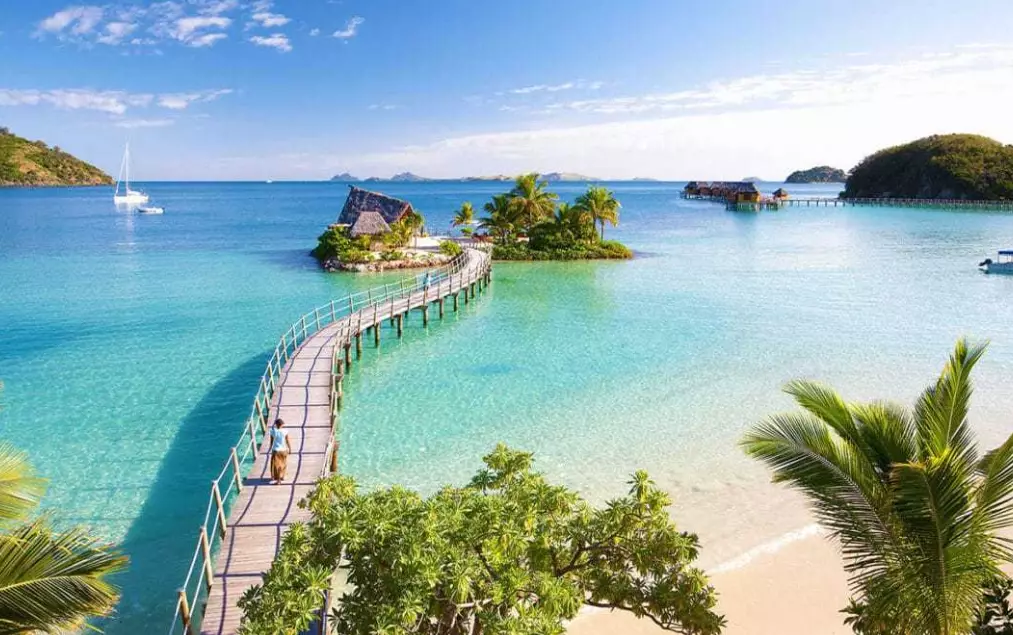
I've planned trips across the South Pacific for over a decade, and the most common mistake I see is travelers trying to force a single "ideal" season onto both destinations. It rarely works perfectly. This guide breaks down the nuances, so you can align your trip with what you actually want to do—whether that's skiing in Queenstown or diving in the Soft Coral Capital of the World.
Your Quick Travel Planner
Understanding the Seasons in Fiji and New Zealand
First, the fundamental clash: when it's summer in New Zealand (Dec-Feb), it's the wet, humid, and cyclone season in Fiji. When Fiji is enjoying its dry, sunny "winter" (May-Oct), New Zealand is cooling down or in the grip of actual winter. This isn't a dealbreaker—it just defines your experience.
Fiji's Two Seasons: Wet vs. Dry
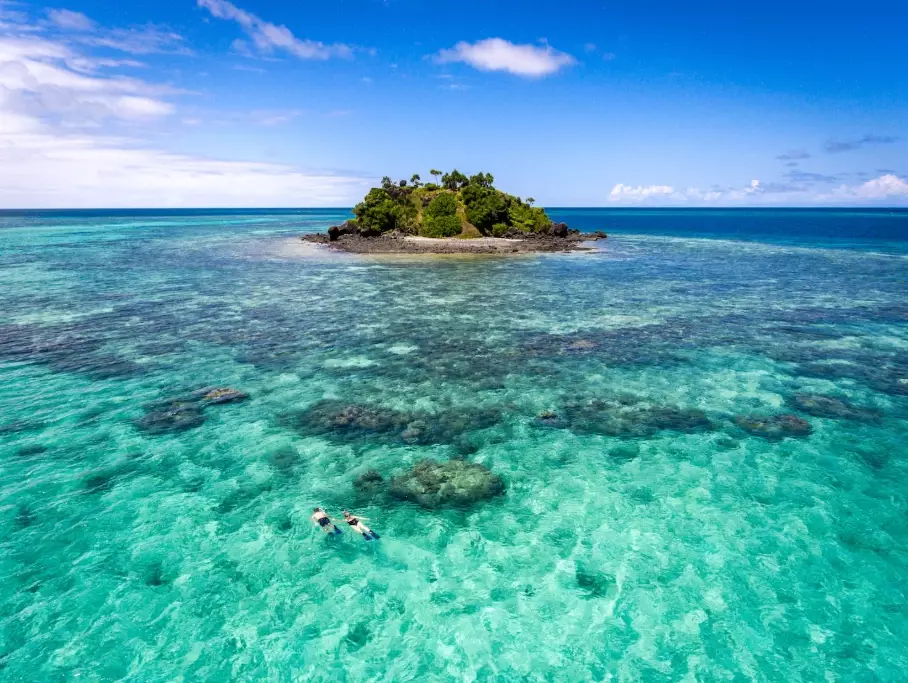
Dry Season (May to October): This is Fiji's peak tourist season for a reason. Skies are reliably blue, humidity drops, and rainfall is low. Temperatures are pleasant, averaging 19-29°C (66-84°F). The water is clear for diving and snorkeling. The downside? Everyone knows this. Prices for flights and resorts, especially on the Mamanuca and Yasawa islands, are at their highest. You need to book accommodation well in advance.
Wet Season (November to April): Don't write this off completely. It's hotter (26-31°C / 79-88°F) and more humid, with brief but heavy afternoon showers. The landscape is incredibly lush. This is the low season, so you'll find significant discounts—sometimes 30-50% off peak rates. The risk, particularly from January to March, is tropical cyclones. If you're flexible and hunting for a deal, late November or April can be a sweet spot with lower crowds and a lower storm risk.
New Zealand's Four Distinct Seasons
New Zealand's climate is more varied, with a sharp contrast between the North and South Islands.
Summer (Dec-Feb): This is high season. Days are long and warm, perfect for hiking the Great Walks, beach trips, and lake activities. All facilities are open. It's also the most crowded and expensive time, especially from late December through January when Kiwis are on holiday. Book everything months ahead.
Autumn/Fall (Mar-May): My personal favorite. Crowds thin out, prices ease, and the weather is often still settled and sunny. The South Island's vineyards and deciduous trees put on a spectacular color show. It's an excellent time for hiking, with fewer people on the trails.
Winter (Jun-Aug): This is all about the South Island's ski fields like Queenstown and Wanaka. The North Island is cooler and wetter. It's the low season for general tourism, so you can find good deals on accommodation and rental cars outside ski resorts. Some hiking tracks close due to snow and avalanche risk.
Spring (Sep-Nov): A unpredictable but beautiful season. Landscapes burst with new growth and wildflowers. Temperatures are rising, but spring showers are common. It's a shoulder season with moderate crowds and prices. Lambing season means cute farm scenes everywhere.
Pro Tip: Many travelers assume Fiji is boiling hot year-round. During the dry season (their "winter"), evenings, especially on smaller islands, can get surprisingly cool. I've been caught out on a Yasawa island in July wishing I'd packed more than just shorts and t-shirts. Always bring a light sweater or jacket.
Month-by-Month Travel Breakdown
| Month | Fiji Overview | New Zealand Overview | Verdict for a Combined Trip |
|---|---|---|---|
| Jan-Mar | Peak of wet season. Hot, humid, highest cyclone risk. Low season prices. | Peak of summer. Busy, expensive, best beach weather. | Risky. Great for NZ summer, but Fiji can be soggy/stormy. Good for budget-focused, flexible travelers. |
| April | Transition month. Rain decreasing, good value. | Early autumn. Crowds dispersing, lovely settled weather. | Underrated Gem. A fantastic shoulder season pick for both countries. |
| May | Start of dry season. Weather improving, prices starting to rise. | Late autumn. Cooler, quiet, scenic colors. | Very Good. Excellent conditions for hiking in NZ and good weather kicking off in Fiji. |
| Jun-Aug | Peak dry season. Ideal weather, peak prices & crowds. | Winter. Ski season in the south, quiet elsewhere. | Split Personality. Perfect for a Fiji island holiday + NZ ski trip. Expensive for Fiji. |
| Sep-Oct | Late dry season. Still great weather, prices may ease slightly. | Spring. Unpredictable but blooming, shoulder season. | Solid Choice. Good balance. Enjoy Fiji's last dry months and NZ's spring awakening. |
| Nov | Transition to wet season. Increasing humidity & rain risk. | Late spring. Warming up, still relatively quiet. | Budget-Friendly. Last chance for lower prices before the December rush in both countries. |
| Dec | Start of wet season, festive period busy. | Start of summer, schools out, very busy & expensive. | Peak Chaos. The most crowded and expensive time in NZ. Fiji weather is a gamble. |
How to Plan a Combined Fiji and New Zealand Trip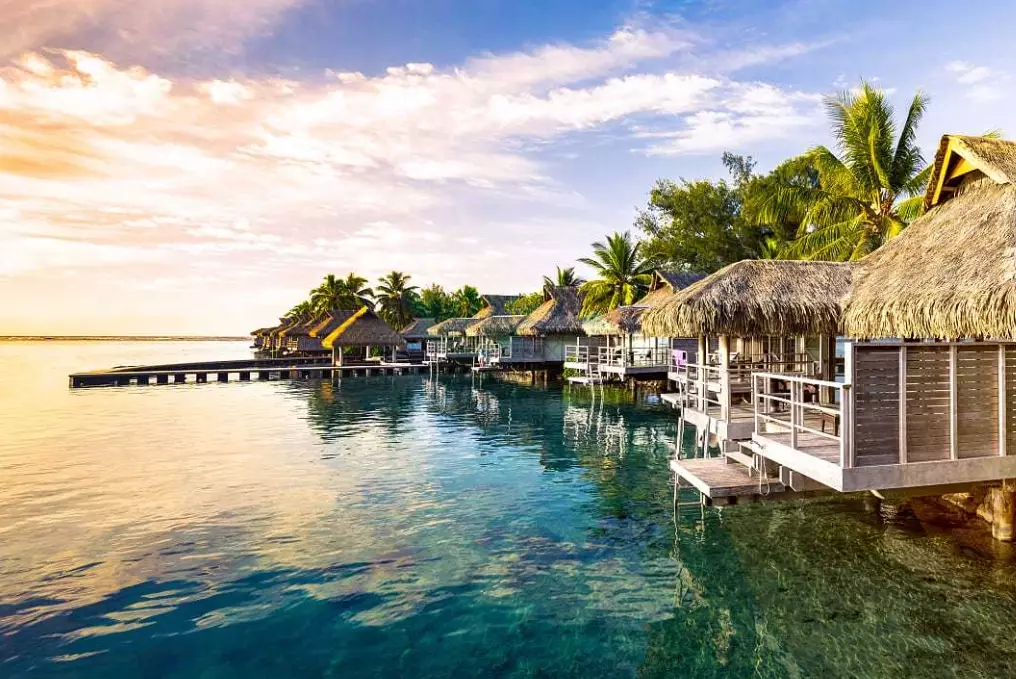
Most visitors from North America or Europe will fly into Auckland, New Zealand. The direct flight from Auckland to Nadi, Fiji, is about 3 hours. The classic itinerary is 10-14 days in New Zealand followed by 5-7 days of pure relaxation in Fiji.
Here’s a sample 14-day framework based on traveling in the sweet spot of April or May:
Days 1-5: North Island, New Zealand. Recover from jet lag in Auckland. Visit Waiheke Island for wine tasting (ferries run regularly from downtown Auckland). Then, drive or take a bus to Rotorua (approx. 3 hours) for geothermal wonders and Maori culture. Don't miss the Te Puia cultural center.
Days 6-10: South Island, New Zealand. Fly from Rotorua or Auckland to Queenstown. Rent a car. Spend a day in adventure-filled Queenstown. Drive to Te Anau (2 hours) as a base for exploring Milford Sound. Book a scenic cruise with a company like RealNZ. The drive to Milford Sound itself is an attraction.
Days 11-14: Fiji, Mamanuca Islands. Fly from Queenstown back to Auckland, then connect to Nadi, Fiji. Don't stay on the main island. Transfer directly to the Port Denarau marina and take a resort boat or South Sea Cruises ferry to a Mamanuca island like Malolo Lailai or Mana Island. This is your time to snorkel, read, and unwind. A day trip to the famous Cloud 9 floating platform is a must for pizza and cocktails over the reef.
Avoid This Mistake: Trying to cram in too much of New Zealand. Distances are deceptive. The drive from Queenstown to Milford Sound is stunning but slow. Allow time for stops and bad weather. Adding a third country like Australia to this mix in under three weeks is a recipe for exhaustion.
What is the Cheapest Time to Visit Fiji and New Zealand?
For the absolute lowest prices across the board, target the shoulder and low seasons: April, May, September, October, and November.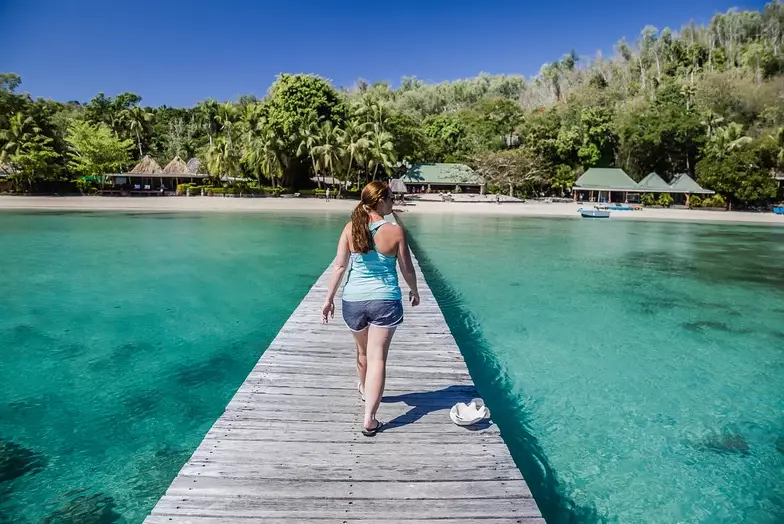
Flights: International airfares to Auckland dip outside the Dec-Jan peak. Use flight comparison tools and consider flying mid-week. The Auckland-Nadi leg is consistently priced, but booking as part of a wider international ticket can save money.
Accommodation: This is where you save the most. In Fiji, avoid the June-September school holiday periods (Australian and New Zealand). In New Zealand, prices drop significantly after Easter and before mid-December. You can find charming motels and holiday parks for under NZD $150 a night outside peak times.
Activities: Some tours and attractions offer off-peak discounts, but the main savings come from avoiding the peak season mark-up on everything.
Choosing Your Time Based on Top Activities
For Hiking and Outdoor Adventures in New Zealand
You want stable, dry weather. February through April is prime. The summer heat has passed, the tracks are dry, and the infamous sandflies are less aggressive. The Great Walks booking system opens months in advance—set a reminder. If you're an experienced tramper with proper gear, late spring (November) can work, but be prepared for snow at higher elevations and sudden weather changes.
For Diving and Snorkeling in Fiji
Visibility is king. The dry season (May-Oct) offers the clearest water, often exceeding 30 meters. This is especially important for sites like the Great Astrolabe Reef. Water temperatures are slightly cooler but still comfortable (around 25°C/77°F). You'll see more pelagic life. During the wet season, runoff can reduce visibility near shore, but it's less of an issue on outer reefs.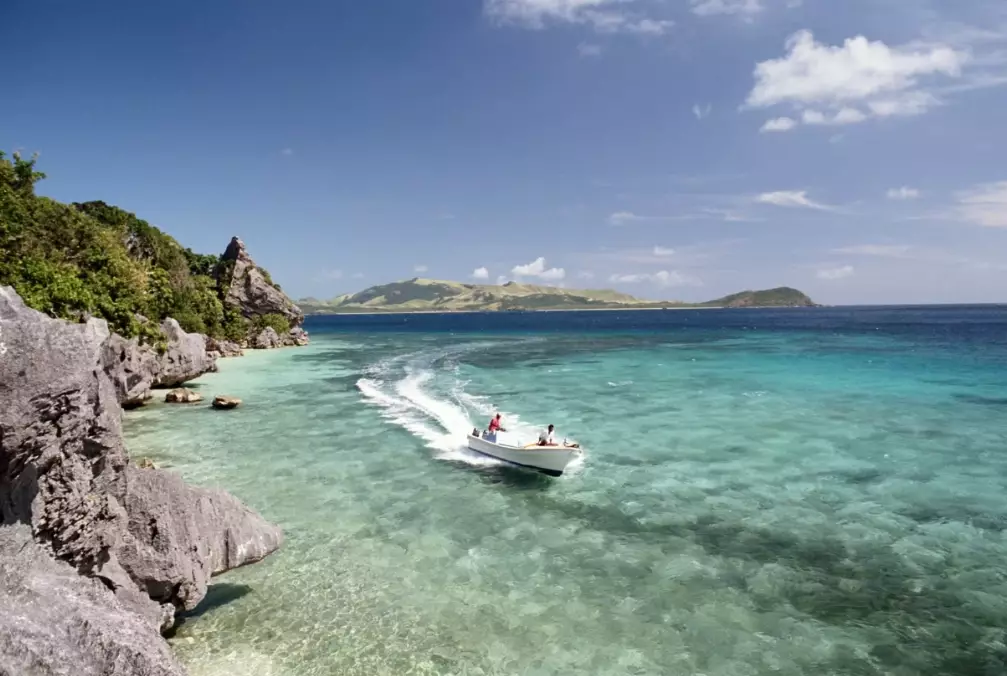
For a Ski and Beach Combo
This is the unique advantage of pairing these countries. July and August let you ski the Remarkables or Coronet Peak in Queenstown in the morning, then fly to Fiji for a beach sunset 48 hours later. It's a logistically straightforward and incredibly rewarding two-week trip. Just budget for peak-season costs in both locations.
Your Fiji and New Zealand Travel Questions Answered
 How reliable is the weather during the shoulder seasons (April/May & Sept/Oct)?


Comments
Join the discussion