Let's cut to the chase. Fiji is generally a safe destination for travelers, with low violent crime rates and a welcoming culture. But like any place, it has its quirks and risks. I've spent weeks island-hopping there, and while I never felt in danger, I did have a wallet lifted from a beach bag in Nadi. That incident taught me more about situational awareness than any guidebook. So, yes, Fiji is safe, but you need to know where the pitfalls are.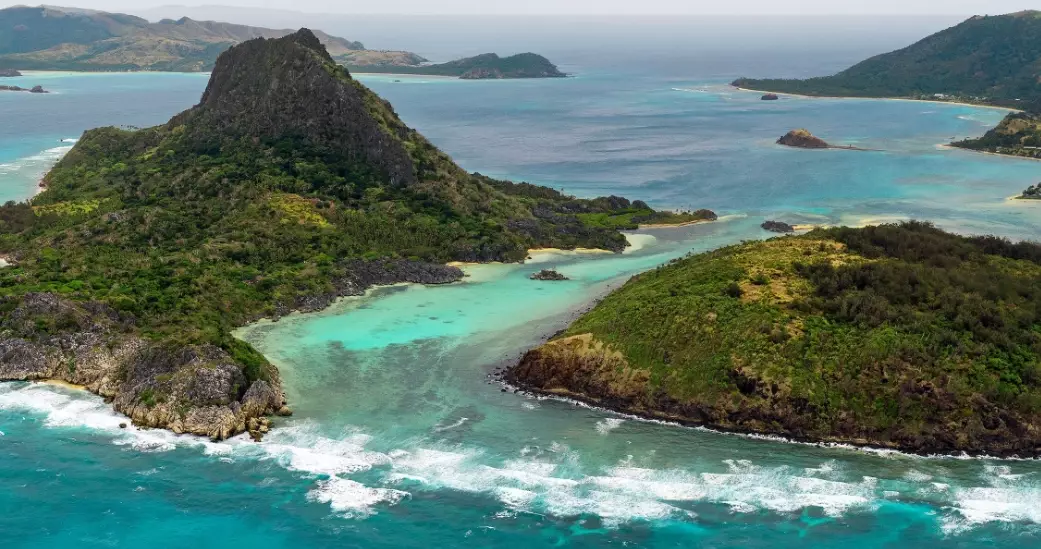
Navigate This Safety Guide
Understanding Crime and Personal Security in Fiji
When people ask "Is Fiji safe?", they're often worried about crime. The reality is nuanced. Fiji's crime rate is lower than many popular destinations, but petty theft is common in tourist hubs. According to the Fiji Police Force, incidents like bag-snatching and pickpocketing spike in areas like Denarau Island and Suva's city center. Violent crime against tourists is rare, but it's not zero.
Petty Theft in Tourist Areas
In Nadi, I left my bag unattended for ten minutes at a beachside café. Big mistake. A local kid grabbed it and ran off. I got it back with help from a vendor, but my cash was gone. This happens more often than you'd think. Tourist police patrol these areas, but they can't be everywhere. The Fiji Bureau of Statistics reports that theft-related offenses account for over 60% of crimes in tourist zones. Keep your valuables close, especially in crowded markets like Suva Municipal Market.
Violent Crime Rates and Trends
Violent crime in Fiji is mostly domestic or gang-related, rarely targeting tourists. The homicide rate is around 3 per 100,000 people, comparable to New Zealand. However, there have been isolated incidents, like the 2019 robbery at a resort on the Coral Coast. Most resorts have security, but if you're venturing out, stick to well-lit areas at night. I felt safer in rural villages like those in the Yasawa Islands than in urban spots.
One thing guidebooks miss: Fiji's community-based policing. In villages, locals look out for each other, and tourists benefit from that. But in cities, that sense of community weakens, and opportunists emerge.
Health and Medical Safety in Fiji
Health safety is a big part of the "Is Fiji safe" question. You're not likely to catch exotic diseases, but there are common issues. Dengue fever outbreaks occur during the wet season, and waterborne illnesses can hit if you're not careful with food and drink.
Common Health Risks and Vaccinations
The Centers for Disease Control and Prevention (CDC) recommends vaccines for hepatitis A, typhoid, and routine shots before traveling to Fiji. Dengue is a real concern; I got bitten by mosquitoes in Lautoka and spent a day with a fever. Use insect repellent. For water safety, stick to bottled water in remote areas. The tap water in resorts is generally fine, but in villages, it's risky.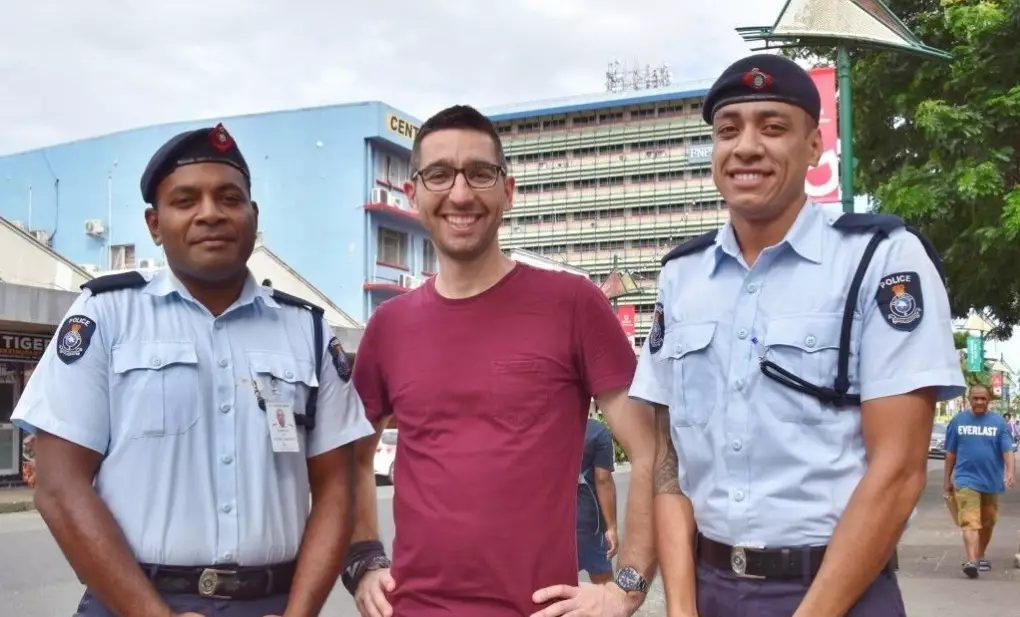
Access to Medical Facilities
Fiji's medical facilities are decent in cities but limited in outer islands. In Suva, the Colonial War Memorial Hospital is the main public hospital, but wait times can be long. Private clinics like Suva Private Hospital offer better service but at a cost. For serious issues, medical evacuation to Australia or New Zealand might be needed. Travel insurance is non-negotiable. I met a diver who broke his leg on Taveuni and had to be flown to Nadi for surgery—his insurance covered the $10,000 bill.
| Medical Facility | Location | Services Offered | Approximate Cost for Consultation |
|---|---|---|---|
| Colonial War Memorial Hospital | Suva | Emergency care, general surgery | FJD 50 (public) |
| Suva Private Hospital | Suva | Specialized treatments, faster service | FJD 150-300 |
| Lautoka Hospital | Lautoka | Basic emergency, outpatient | FJD 30 (public) |
| Nadi Hospital | Nadi | Minor injuries, travel health | FJD 40 (public) |
Natural Hazards and Environmental Safety
Fiji's beauty comes with natural risks. Cyclone season runs from November to April, and marine hazards are real. I was there during a near-miss cyclone in 2020, and the preparedness was impressive, but it disrupted flights for days.
Cyclone Season and Weather Preparedness
The Fiji Meteorological Service provides updates, but storms can form quickly. If you travel during cyclone season, book flexible accommodations. Resorts like the InterContinental Fiji Golf Resort & Spa have robust protocols. In 2016, Cyclone Winston caused widespread damage, but recovery was swift. Check the Fiji Met Service website for real-time alerts.
Marine Safety and Water Activities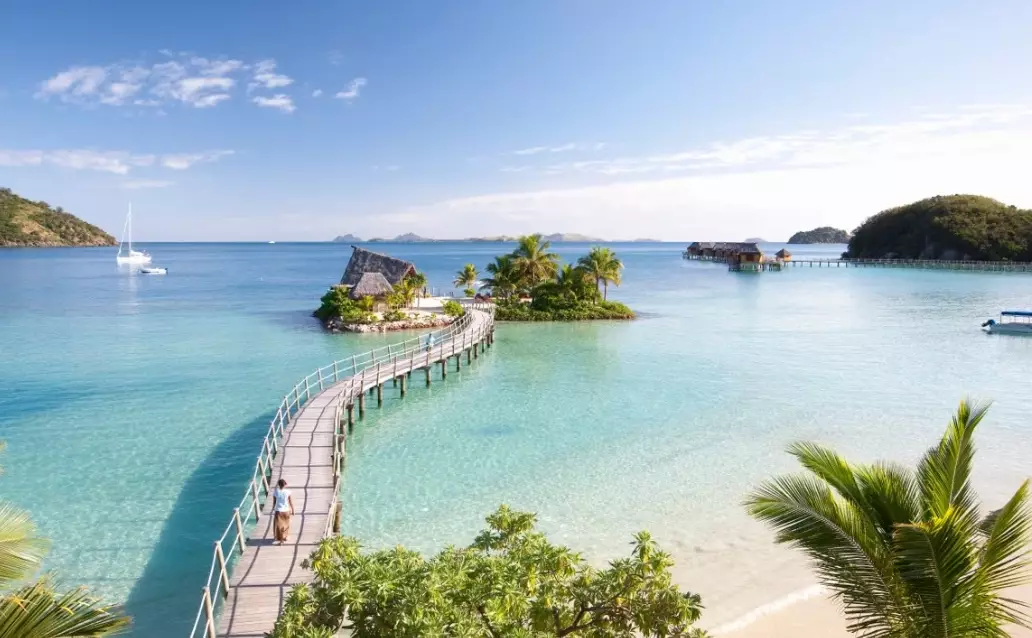
Drowning incidents are rare but happen, often due to strong currents or lack of supervision. On the Mamanuca Islands, I saw tourists ignoring warning flags at Cloud 9, a popular floating bar. Always heed local advice. For scuba diving, operators like Beqa Adventure Divers are reputable, but ensure they follow PADI standards. Sunburn is another overlooked risk—the UV index is high year-round.
A quick tip: reef shoes are a must. Coral cuts can get infected fast.
Practical Safety Tips for a Smooth Trip
Safety in Fiji isn't just about avoiding crime; it's about smart travel. Here are actionable tips based on my experiences and local insights.
Safeguarding Your Belongings
Use hotel safes for passports and extra cash. When out, carry a money belt or anti-theft bag. In markets, keep your phone in a front pocket. I learned this the hard way. Also, avoid flashing expensive jewelry or cameras in urban areas.
Choosing Safe Accommodation and Tours
Research accommodations thoroughly. Resorts like the Shangri-La's Fijian Resort & Spa have 24/7 security, but budget guesthouses might not. Read reviews on TripAdvisor for recent safety comments. For tours, book through licensed operators listed on the Tourism Fiji website. I once took a sketchy boat tour from a street vendor in Port Denarau, and the life jackets were outdated. Not worth the risk.
- Accommodation Safety Checklist: Look for properties with gated access, in-room safes, and good lighting. In cities, choose places in safer neighborhoods like Namaka in Nadi.
- Transportation Tips: Use registered taxis with meters, or hire a driver through your hotel. Avoid unmarked vehicles, especially at night.
- Cultural Sensitivity: Respect local customs. In villages, dress modestly and ask permission before taking photos. This builds goodwill and reduces unwanted attention.
Your Safety Questions Answered
 How does Fiji's safety compare to other Pacific islands like Tahiti or Vanuatu?
Wrapping up, Fiji is a safe destination if you stay alert and prepared. The risks are manageable, and the rewards—stunning beaches, warm people—are immense. Plan ahead, pack your common sense, and you'll have a fantastic time.

Comments
Join the discussion