Your Travel Compass
- Why Bother with the Long Flight? The Unmatched Pull of French Polynesia
- Getting There: The Flight Puzzle from the USA
- The Budget Breakdown: What Does Tahiti Tourism from the USA Really Cost?
- Picking Your Islands: Beyond the Bora Bora Brochure
- Crafting Your Itinerary: Sample Plans from 7 to 12 Days
- The Nitty-Gritty: Visas, Money, Health & Etiquette
- Answers to the Questions You're Actually Asking
- Final Thoughts Before You Book
Let's cut right to the chase. You've seen the pictures. The impossibly blue water, the iconic overwater bungalows, the lush green mountains diving into a Technicolor lagoon. Tahiti, and French Polynesia as a whole, sits at the top of many an American traveler's bucket list. But between the dream and the reality lies a maze of logistics, questions, and, let's be honest, budget concerns. Planning Tahiti tourism from the USA feels different than booking a trip to Cancun or even Hawaii. It's more remote, more... mythic.
I remember the first time I looked into it. I was overwhelmed. The flight options seemed convoluted, the price tags for those bungalows were heart-stopping, and I had a million questions. Which island is right for me? How long do I need? Is it worth the long haul from the East Coast? After several trips and a lot of trial and error, I've pieced together a guide that tackles exactly what you need to know. This isn't a fluffy brochure. It's a practical, from-the-ground-up look at making your South Pacific dream a reality, from a U.S. traveler's perspective.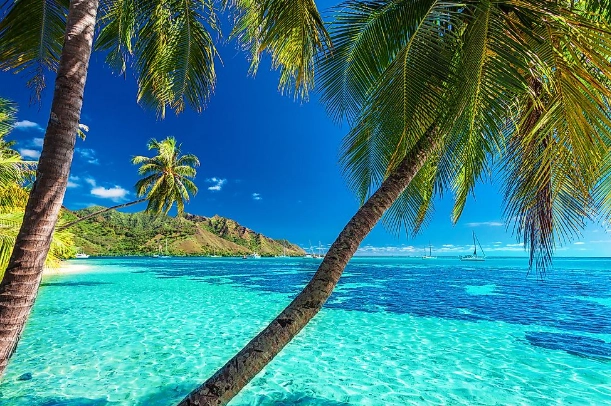
The Core Truth: Tahiti (often referring to the main island, Tahiti) is the gateway, but French Polynesia is the destination. Your trip will almost certainly involve flying into Faa'a International Airport (PPT) on Tahiti, then connecting to other gems like Moorea, Bora Bora, or Huahine. When we talk about Tahiti tourism from the USA, we're really talking about exploring this whole stunning archipelago.
Why Bother with the Long Flight? The Unmatched Pull of French Polynesia
Before we dive into the nitty-gritty, let's reaffirm the "why." Because it's a long way to go. From Los Angeles, it's about 8 hours in the air. From New York, you're looking at a travel day that can easily stretch to 15+ hours with connections. So why do it?
The answer is in the sheer intensity of the experience. The lagoons in Bora Bora have a luminosity I've never seen anywhere else, not in the Caribbean, not in the Maldives. The water isn't just clear; it's a spectrum of blues. The culture is a unique blend of proud Polynesian heritage and French sophistication (yes, you can get a fantastic baguette and a *poisson cru* salad on the same plate). It's adventure and relaxation smashed together. You can hike a jagged volcanic ridge in the morning and be sipping a Hinano beer on a sandbar by lunch.
But it's not for everyone. If you're looking for a wild nightlife scene or non-stop action, this might not be your spot. The magic here is quieter, more natural.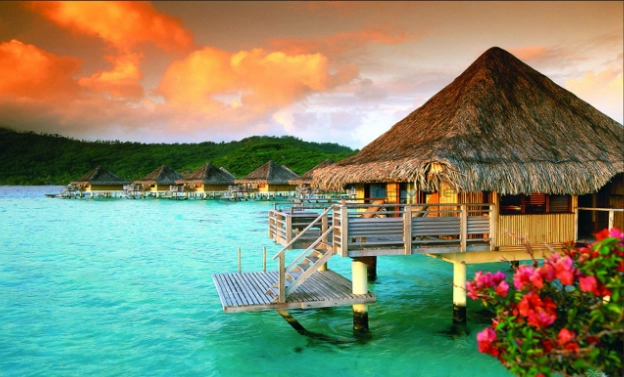
Getting There: The Flight Puzzle from the USA
This is usually the first and biggest hurdle. There's no way around it: flying to Tahiti from the USA requires some planning. There are no direct flights from the East Coast, and even from the West Coast, your options are limited but solid.
My first mistake was assuming I could just find a cheap last-minute deal. For this route, that's a rare bird. Airlines know they have a captive audience for a unique destination. Booking 4-6 months out, especially for peak season (June-August, December), is not just a suggestion; it's a necessity for sanity and savings.
Your Major Airline Options
Currently, two airlines operate the only non-stop routes from the U.S. mainland to Tahiti (PPT). This is crucial info for planning your travel to Tahiti from the USA.
| Airline | U.S. Gateway City | Flight Frequency & Notes | Typical Flight Time |
|---|---|---|---|
| United Airlines | San Francisco (SFO) | Daily non-stop service. Often the most flexible schedule. Connects easily from their vast U.S. network. | ~8 hours 10 minutes |
| Air Tahiti Nui | Los Angeles (LAX) | The national carrier. Multiple flights per week. Known for its Polynesian hospitality onboard. Also offers a flight from Seattle (SEA) seasonally. | ~8 hours 30 minutes from LAX |
What about other cities? If you're not near LA or SFO, you'll connect through one of these hubs. I've flown from Chicago, connecting in LA, and the journey was long but manageable. Some travelers also look at connecting through Honolulu (HNL) on Hawaiian Airlines, which then partners with Air Tahiti Nui for the final leg. This can be a nice option to break up the trip, but it often adds cost and time.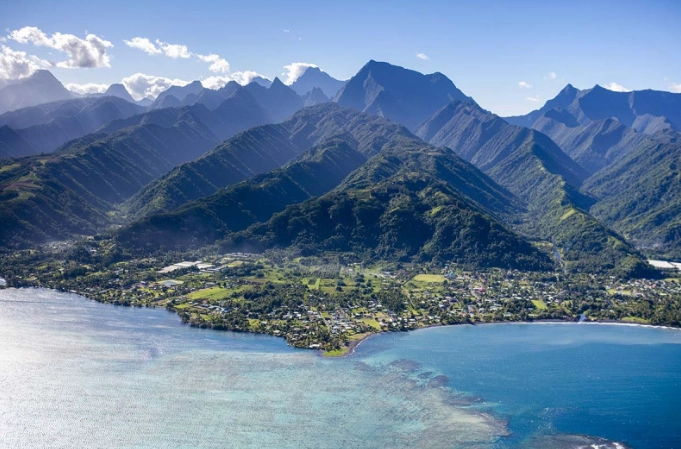
Pro Tip: Use Google Flights or Skyscanner with flexible date searches. Often, shifting your departure by just one or two days can save you hundreds of dollars on the long-haul leg to PPT. Also, consider booking the international flight first, then worry about the inter-island hops later.
Inter-Island Flights: Don't Underestimate This
You've landed in Tahiti. Congrats! But unless you're staying on Tahiti itself (which many people don't for their whole trip), you're not done flying. Air Tahiti is the domestic airline that connects the islands. Booking these can be confusing.
They offer two main options: individual point-to-point tickets, or a multi-island "pass." The pass often makes financial sense if you're visiting 3 or more islands. You must book it before you arrive, and your itinerary is fixed. I learned this the hard way on my first trip—I tried to wing it and paid almost double for last-minute tickets between Moorea and Bora Bora.
Their website isn't the slickest, but it works. Give yourself time to navigate it, or have a travel agent handle it. The planes are small (ATR turboprops), baggage allowances are strict (usually 20kg checked), and flights are frequent but can be full in high season.
The Budget Breakdown: What Does Tahiti Tourism from the USA Really Cost?
Let's talk money. This is the part that makes people gulp. Is it expensive? Yes. Can you manage it without selling a kidney? Also yes, with strategy.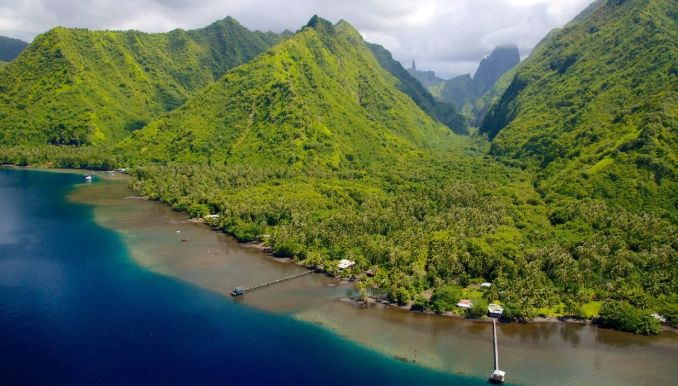
The stereotype of it being only for millionaires is overblown, but the stereotype of it being cheap is dead wrong. It's a premium destination. The key is understanding where the money goes. For a Bora Bora vacation package from the USA, the sky's the limit. But you have control.
My personal strategy? I splurge on one thing and save on others. Maybe you get that iconic overwater bungalow for two nights in Bora Bora, then spend the rest of your trip in a lovely garden bungalow on Moorea at half the price. Or you skip Bora Bora altogether and discover the incredible value and authentic vibe of the Society Islands like Raiatea and Tahaa.
Watch Out For: The "Resort Tax." Many resorts, especially the higher-end ones, add a mandatory daily "service charge" or "resort fee" per person. This can be $30-$100+ per day and is often not included in the initial booking price you see online. Always read the fine print or call to confirm the all-in nightly rate.
Picking Your Islands: Beyond the Bora Bora Brochure
This is where the fun begins. French Polynesia is 118 islands. You won't see them all. And you shouldn't try. For a first trip from the USA, focusing on 2 or 3 islands in the Society archipelago is perfect. More than that and you'll spend your whole time in airports (or rather, small island terminals).
The Classic Trio for First-Timers
- Tahiti (The Gateway): Don't just sprint through the airport. If you have a night, stay on the west coast in Papeete or the south. The Marché de Papeete (market) is a vibrant burst of local life. The interior is wild and mountainous. It's a real, working island, not a resort bubble.
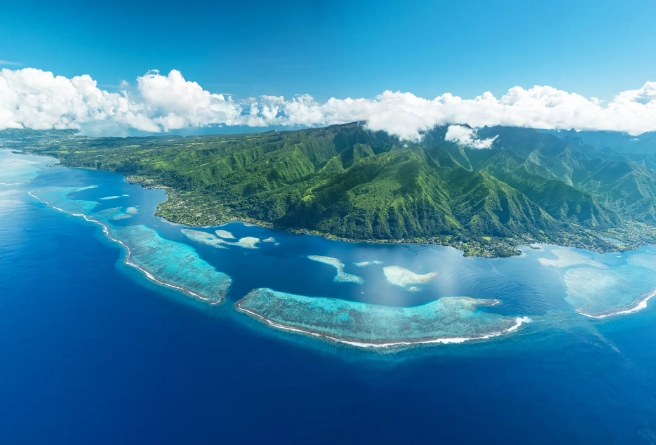
- Moorea (The Adventurer's Dream): Just a 30-minute ferry from Tahiti. This is my personal favorite. It's dramatically beautiful with its shark-tooth peaks, has fantastic snorkeling (the Lagoonarium is a must), and offers a great range of accommodations from pensions to luxury resorts. You can rent a little car and explore the whole island in a day. The vibe is more laid-back and affordable than Bora Bora.
- Bora Bora (The Icon): Yes, it lives up to the hype. The lagoon is its main attraction. The view of Mount Otemanu from the water is unforgettable. But know this: most of the famous resorts are on motus (small islets) around the lagoon, not on the main island. Getting around requires boat transfers or expensive taxis. It's a place to be pampered, to stare at the water, and to do incredible lagoon activities. It's the pinnacle of a Bora Bora vacation package from the USA.
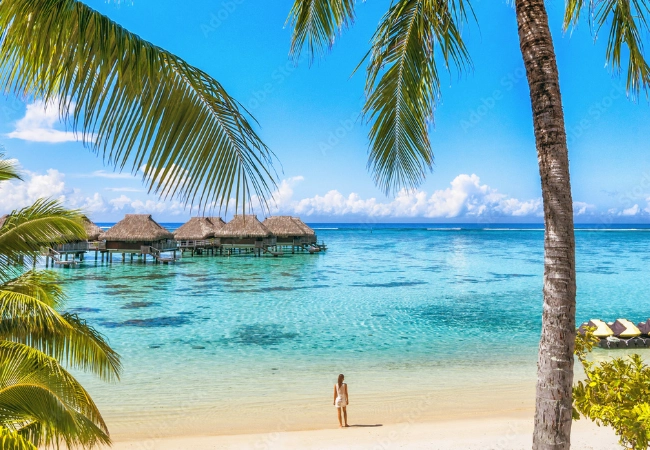 But what about Huahine? Rangiroa? Fakarava? That's for your second trip.
Crafting Your Itinerary: Sample Plans from 7 to 12 Days
Time is your most limited resource. Here’s how I’d structure trips based on different time budgets, assuming you’re flying from the West Coast. Add a day for East Coast travel.
The 7-Night "Taster" Itinerary
Best for: Those short on time but desperate to go.
Flow: USA -> Tahiti (1 night to recover) -> Moorea (3 nights) -> Bora Bora (3 nights) -> Tahiti -> USA.
Reality Check: This is fast-paced. You'll get a beautiful snapshot of two amazing islands, but you'll be packing/unpacking and catching flights/ferries. It's doable, but you'll leave wanting more (which isn't always a bad thing).
The 10-Night "Goldilocks" Itinerary
Best for: Most people planning Tahiti tourism from the USA.
Flow: USA -> Tahiti (connect immediately) -> Moorea (4 nights) -> Bora Bora (4 nights) -> Tahiti (1 night before flight) -> USA.
Why it Works: This gives you solid time to settle in, do a few activities on each island, relax, and not feel rushed. You can explore Moorea by scooter, do a lagoon tour, and still have plenty of resort time in Bora Bora.
The 14-Night "Deep Dive" Itinerary
Best for: Honeymooners or those with serious vacation time.
Flow: USA -> Tahiti -> Moorea (5 nights) -> Bora Bora (5 nights) -> Tahiti (or add a 3-night side trip to Rangiroa for diving/snorkeling) -> USA.
The Benefit: You can truly unwind. You can have lazy days without feeling guilty. You can take a cooking class, go on multiple excursions, and maybe even get bored (though I doubt it). This pace lets the destination sink in.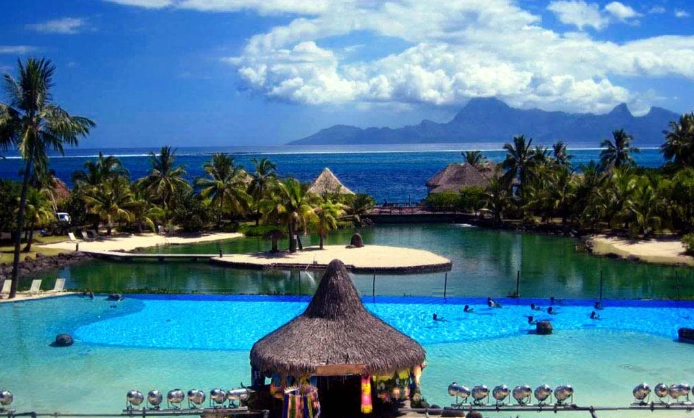
The Nitty-Gritty: Visas, Money, Health & Etiquette
This is the less glamorous but utterly essential stuff.
- Passport & Visa: U.S. citizens do not need a visa for stays under 90 days. Your passport must be valid for at least three months beyond your planned departure date from French Polynesia. This is non-negotiable. The airline will check this before they even let you board in the USA. For the most official and up-to-date entry requirements, always double-check the U.S. Department of State's travel page for French Polynesia.
- Money: The currency is the French Pacific Franc (XPF or CFP). Euros are also widely accepted. Credit cards (Visa/Mastercard) are accepted at all resorts and most restaurants. However, smaller pensions, food trucks ("roulottes"), and markets will often need cash. I always get some XPF from an ATM at the airport upon arrival. Notify your bank of your travel plans.
- Health: No special vaccinations are required for entry from the USA. However, standard travel precautions apply. Dengue fever can be a risk, so mosquito repellent is a must. The CDC's French Polynesia travel health page is an excellent resource for current advisories. Tap water in Papeete and major resorts is generally safe to drink, but on many smaller islands and in remote areas, bottled water is recommended.
- Language: French and Tahitian are the official languages. In tourist areas, especially resorts, English is commonly spoken. Learning a few basic French phrases ("bonjour," "merci," "s'il vous plaît") is greatly appreciated and goes a long way.
- Culture & Etiquette: Polynesian culture is warm and family-oriented, but also modest. It's respectful to cover up when away from the beach or pool—a sarong or t-shirt over your swimsuit when walking through a village or entering a shop. A friendly "Ia Orana" (hello) is the best way to greet anyone. For a deep dive into cultural protocols and history, the Tahiti Tourism Board's culture section is fantastic.
Answers to the Questions You're Actually Asking
Visit the *roulottes* (food trucks) in Papeete for a cheap, fun, and delicious dinner experience.
Final Thoughts Before You Book
Planning Tahiti tourism from the USA is a project. It's not a spontaneous weekend getaway. But that's part of what makes it special. The effort you put in pays off the moment you step off the plane into that warm, floral-scented air.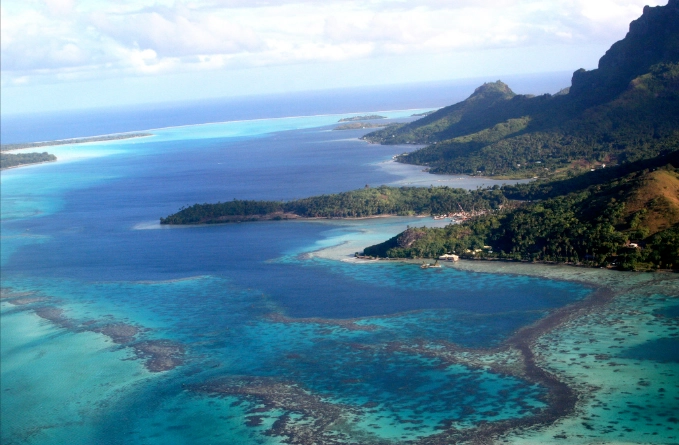
My biggest piece of advice? Manage your expectations. Not every moment will be a perfect Instagram post. It might rain. A flight might be delayed. The famously friendly people might have an off day. But if you go with an open mind and a spirit of adventure, you'll experience something that stays with you long after the tan fades.
On my last morning in Moorea, I woke up early and just sat on the dock. The water was so still it looked like glass, reflecting the clouds. No overwater bungalow in sight, just a simple dock at my pension. And it was perfect. That's the magic—it's not *only* in the luxury. It's in the light, the air, the sheer beauty of the place. It's worth the long flight, the planning, the budget. Just go.
Start by tracking those flight prices from LAX or SFO. Set an alert. The dream is closer than you think.




Comments
Join the discussion