What's Inside This Guide
Let's be honest. When you see a headline about "Japan tourism by country," you probably expect a dry list of numbers. China sent 2 million, Korea sent 1.8 million, the US sent 800,000... yawn. But those numbers don't tell you anything useful, do they? They don't tell you why someone from Taiwan has a completely different trip to Japan than someone from France. They don't help you understand the cultural currents that shape where people go, what they buy, and how they experience the country.
I've been traveling to Japan for over a decade, watching these patterns shift and evolve. The crowd in Harajuku is different from the crowd in Hakone, which is different again from the folks hiking Kumano Kodo. It's not random. It's a story of proximity, pop culture, history, and disposable income. So let's ditch the boring stats sheet and actually look at what "Japan tourism by country" really means. What drives visitors from different corners of the globe? And more importantly, what can their habits teach you about planning your own, better, less-generic trip?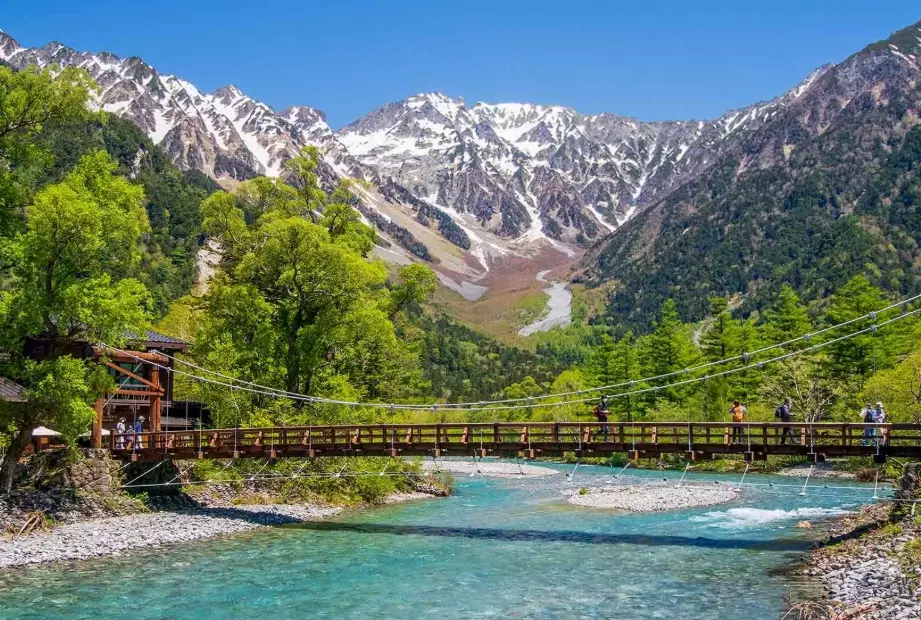
The Core Insight: Analyzing Japan tourism by country isn't about ranking nations. It's a shortcut to understanding diverse travel motivations. A Chinese tourist's priorities, shaped by short distances and a hunger for luxury shopping, create a specific footprint. An Australian's journey, built around a long-haul flight and a quest for "unique" experiences, creates another. Your own ideal trip lies somewhere in between these extremes.
Breaking Down the Big Picture: Where Visitors Actually Come From
The official data from the Japan National Tourism Organization (JNTO) gives us the skeleton. Pre-pandemic, Japan was soaring past 30 million annual visitors. The recovery post-2022 has been fascinating, with some markets bouncing back faster than others. But the traditional big players remain.
East Asia dominates, and that's purely a function of geography and economics. Short, relatively cheap flights make repeat travel possible. For a professional in Seoul or Shanghai, popping over to Japan for a long weekend of shopping and eating is as feasible as someone in New York going to Miami. This accessibility fundamentally changes the travel style. It's less about a once-in-a-lifetime grand tour and more about a recurring, familiar escape.
Then you have the Western long-haul markets: the United States, Australia, the UK, Canada, France, Germany. These visitors are having a different conversation entirely. The flight is a major investment of time and money. So the trip becomes an "Event" with a capital E. They're likely to stay longer, cover more ground (sometimes too much ground—the infamous "7 cities in 10 days" blitz), and seek out those iconic, "this is why I came" moments. The pressure to maximize is immense.
And then there are the growing markets. Southeast Asia, particularly Thailand, Vietnam, and the Philippines, is sending more and more visitors. Their growing middle class is discovering Japan, often drawn by a mix of anime culture, safe and clean cities, and seasonal attractions like cherry blossoms. The patterns in Japan tourism by country data from these nations are some of the most dynamic to watch.
A Quick Reality Check: Relying solely on pre-2020 data is a mistake. The pandemic reset travel patterns. While China was the absolute top source pre-Covid, its return has been slower and more measured due to various economic and policy factors. South Korea has often taken the top spot in the recovery phase. This fluidity is a key part of the story now.
A Closer Look at Key Source Markets
Okay, let's get into the specifics. What makes each group tick?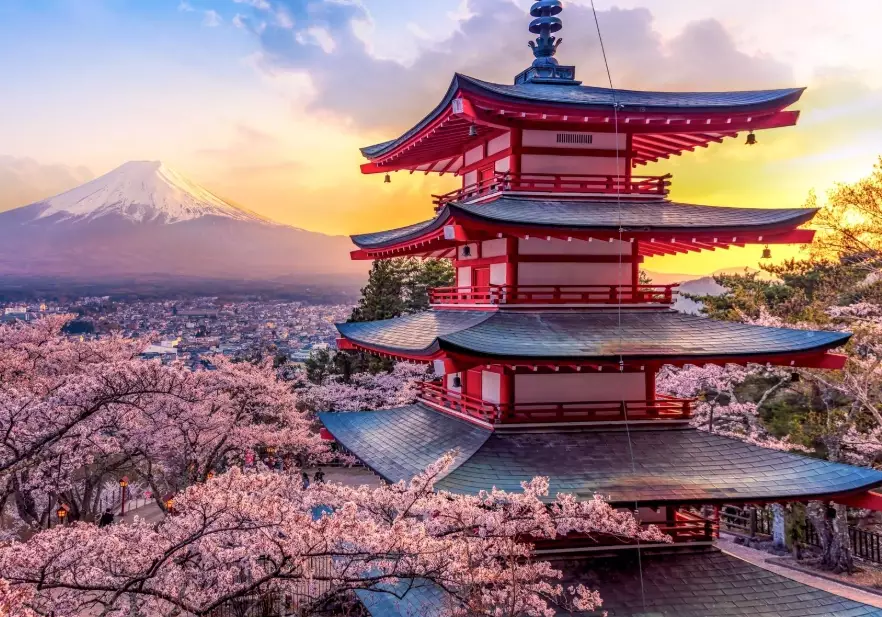
East Asian Powerhouses: China, South Korea, Taiwan
This trio represents the engine of mass tourism in Japan. Their volume is staggering, but their approaches differ.
China: The narrative here is often about group buses and luxury malls. There's truth to that, but it's simplistic. Yes, the famous shopping sprees in Ginza or Shinsaibashi for high-end watches, cosmetics, and pharmaceuticals are a huge economic driver. I've seen the lines outside certain stores and it's a phenomenon. But dig deeper into Japan tourism by country trends for China, and you see evolution. Independent travel is rising. Younger Chinese tourists, fluent in social media, are seeking niche experiences—art islands like Naoshima, boutique cafes in Kyoto's backstreets, or ski resorts in Hokkaido. Their tool of choice is often Xiaohongshu (Little Red Book) rather than traditional tour guides. The challenge for Japan is managing overtourism in hotspots these travelers flock to, like the Instagram-famous teamLab Borderless or the deer park in Nara.
Personal observation: The Chinese tourist experience is highly seasonal and festival-driven. Travel spikes massively during Chinese New Year and National Day golden weeks. If you want to avoid the most intense crowds at major sites, cross-referencing your dates with these periods is a pro move.
South Korea: Proximity makes Japan a default vacation spot for Koreans. Flights from Seoul to Fukuoka are about an hour—shorter than a train to Busan. This creates a casual, frequent travel culture. It's less about ticking off landmarks and more about food, trendy neighborhoods, and short getaways. You'll find Koreans dominating the ski slopes in Niseko (Hokkaido's powder is legendary), soaking in onsen in Beppu, or hunting for vintage fashion in Osaka's Amerikamura. The cultural exchange is constant, with Korean pop culture influencing Japanese trends and vice versa. The data on Japan tourism by country for Korea shows consistent, resilient numbers, less susceptible to economic dips than other markets.
Taiwan: Perhaps my favorite market to observe. There's a deep, familial affection for Japan rooted in history and cultural affinity. Taiwanese visitors often speak some Japanese, have a refined appreciation for food and hot springs, and travel with a purpose that feels more relaxed than the Chinese blitz or the Korean trend-chase. They love Hokkaido's wide-open spaces, Kyushu's volcanoes and onsen, and the nostalgic atmosphere of places like Kanazawa or the Seto Inland Sea. They are major drivers of tourism to lesser-known prefectures, not just Tokyo and Osaka.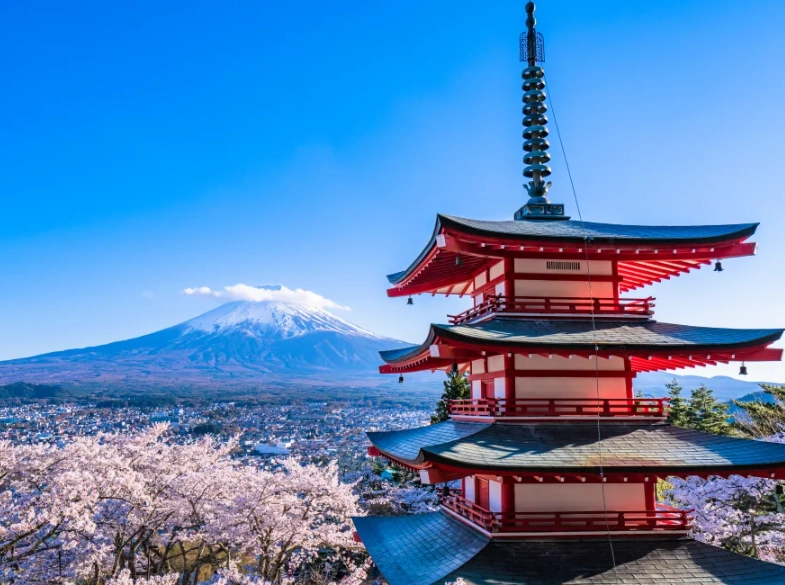
The Long-Haul Contingent: USA, Australia, Western Europe
These visitors are on a mission. The flight cost and jet lag demand a trip that feels worth it.
United States: American travel to Japan splits into clear camps. First, the first-timers doing the "Golden Route" (Tokyo-Kyoto-Osaka-Hiroshima, maybe with a dash of Hakone). They want sushi, temples, bullet trains, and maybe a glimpse of a geisha. Then you have the repeat visitors and niche enthusiasts—the foodies doing a ramen pilgrimage, the hikers tackling the Nakasendo trail, the anime fans spending a week in Akihabara. A growing trend is the luxury traveler seeking out ryokan with Michelin-starred kaiseki meals. The strength of the US dollar (when it's strong) makes Japan an attractive value proposition. Official resources like the U.S. Department of State's Japan travel page are often their first stop for formal advice.
Australia: Japan has become the unofficial winter playground for Australians. The pull of Hokkaido's perfect powder is magnetic for skiers and snowboarders from Sydney and Melbourne. But it's more than just snow. Australians, often on long 2-3 week trips, blend the classic sights with active adventures—cycling the Shimanami Kaido, hiking in Kamikochi, or surfing in Chiba. They have a high tolerance for adventure and a love for good food and drink, making them a great fit for Japan's offerings. The flight from the east coast is long but direct, which helps.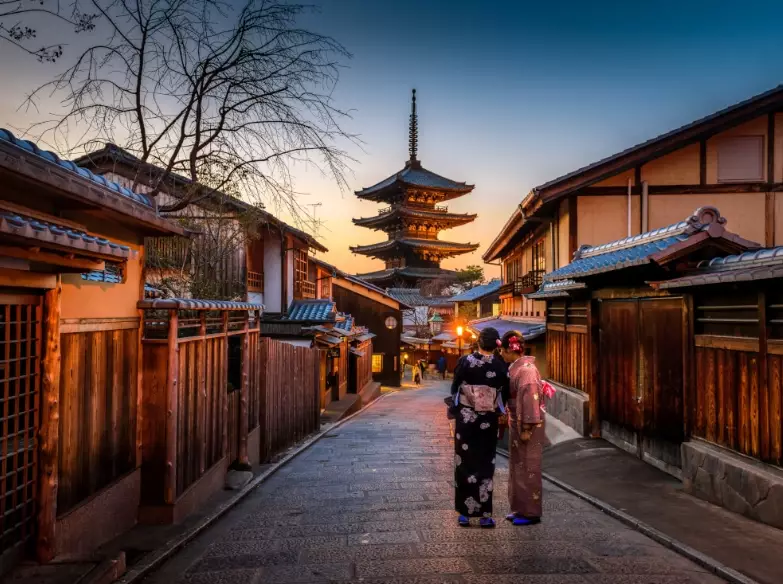
United Kingdom & Western Europe (France, Germany): These travelers often bring a deep historical and cultural curiosity. They're the ones you'll see meticulously studying the architecture of a Kyoto temple or the aesthetics of a Japanese garden. There's a strong interest in "traditional Japan"—staying in a ryokan, attending a tea ceremony, seeing sumo. The European rail culture also makes them natural lovers of Japan's extensive and efficient train network. For many, using a Japan Rail Pass is a non-negotiable part of the planning. Their trips are often longer and more leisurely paced than their American counterparts.
Beyond the Numbers: Travel Patterns and Practical Implications
So why does this analysis of Japan tourism by country matter for you, the individual traveler? Because it predicts crowds, prices, and atmosphere.
If you're planning a trip to Kyoto during cherry blossom season and want a moment of peace at Kiyomizu-dera, knowing that it's peak season for Chinese, Korean, *and* Western tourists tells you to get there at the crack of dawn. If you're looking for a ski holiday in Niseko and don't want to hear only English and Australian accents, you might look at a lesser-known resort in Nagano that attracts more domestic and Taiwanese skiers.
Let's look at some concrete patterns in a different way. Instead of just visitor counts, what about behaviors?
| Country/Region | Typical Trip Duration | Primary Travel Driver | Signature Hotspots (Beyond Tokyo) | Spending Focus |
|---|---|---|---|---|
| China | 5-7 days | Shopping, Landmarks, Food | Osaka (USJ), Hakone, Nara | Luxury Goods, Cosmetics, Electronics |
| South Korea | 3-5 days | Food, Trends, Short Getaways | Fukuoka, Sapporo, Okinawa | Dining, Fashion, Cosmetics |
| Taiwan | 6-8 days | Hot Springs, Scenery, Food Culture | Hokkaido, Kyushu, Kanazawa | Quality Dining, Local Souvenirs |
| USA | 10-14 days | Iconic Experiences, Culture, Adventure | Kyoto, Hiroshima, Hakone | Accommodation, Tours, Dining |
| Australia | 10-16 days | Skiing, Adventure, Unique Experiences | Hokkaido (Niseko), Japanese Alps, Tropical Islands | Ski Passes/Gear, Adventure Tours |
| UK/France/Germany | 14-21 days | Deep Culture, History, Train Travel | Full Japanese Alps, Shikoku, Noto Peninsula | Rail Passes, Cultural Activities |
See how this is more useful? It helps you anticipate the vibe. A hotel in Niseko in January will feel like an international ski lodge. A ryokan in Yufuin (Oita, Kyushu) will have a more relaxed, predominantly East Asian atmosphere. Neither is better, but knowing helps you match the experience to your expectation.
Your Japan Trip: Leveraging the "By Country" Knowledge
Here’s the actionable part. How do you use this wall of analysis to build a better itinerary?
1. Crowd-Source Your Season: Look up major holidays in the top source countries. Chinese New Year (Jan/Feb), Korean Chuseok (Sept/Oct), Taiwan's Double Ten Day (Oct), Golden Week in both China and Japan (early May)—these are super-peak times where domestic travel also spikes. If you crave solitude, these are times to be strategic or avoid altogether.
2. Follow (or Avoid) the Cultural Wave: Is there a massively popular Korean drama filming in a specific Japanese town? That spot will be flooded with Korean tourists for the next year. Did a famous Chinese celebrity post about a hidden izakaya in Osaka? It won't be hidden for long. Sometimes riding this wave is fun (you're part of a shared cultural moment). Sometimes you'll want to run in the opposite direction.
3. Think About Your "Travel Language": In highly international areas like central Tokyo, Kyoto's Gion, or Niseko, English service is high. Venture to places popular with Taiwanese or Hong Kong tourists (like certain hot spring towns), and you might find more Chinese-language signs and menus than English. Places loved by Europeans might have better German or French resources. This isn't a barrier, but a clue about the infrastructure you'll find.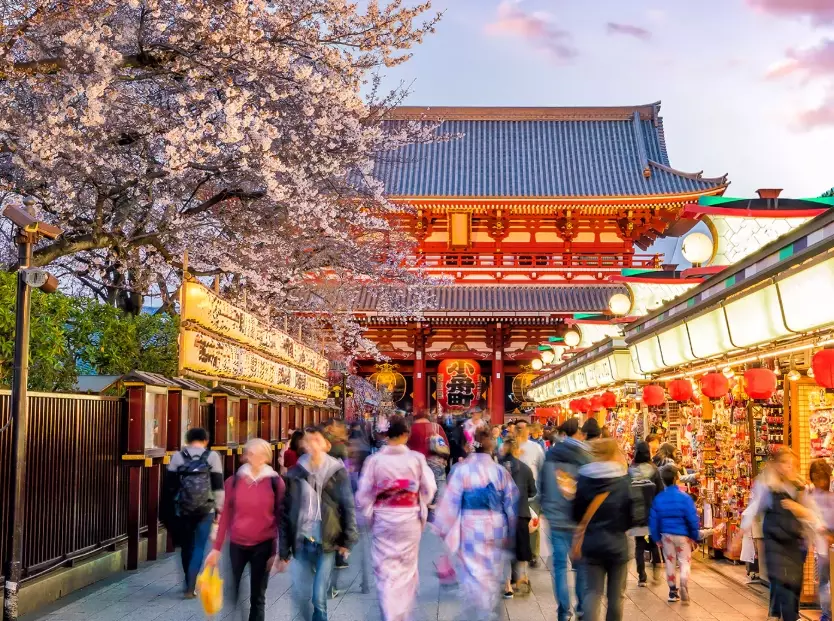
The Bottom Line
Peeling back the layers of Japan tourism by country statistics is more than an academic exercise. It's a practical lens for understanding the ecosystem you're stepping into. It explains why certain places feel a certain way, why prices spike when they do, and where you might find the kind of Japan you're dreaming of—whether that's the buzzing, international energy of Tokyo's Shibuya Scramble or the serene, moss-covered stillness of a remote temple garden.
The next time you see a simple chart ranking visitor numbers, look past it. Ask the deeper questions. Why are they coming? What are they seeking? How does their journey shape the place? When you start to see those patterns, you stop being just a tourist passing through. You become an observer, a participant, and ultimately, a much smarter traveler. And that makes all the difference between a good trip and a great one.
Japan has an incredible depth to offer beyond the postcard spots. Understanding the flows of its visitors is the first step to finding your own unique path through it.


Comments
Join the discussion