In This Guide
- The Heart of the Matter: What Does "Expensive" Even Mean?
- Let's Talk Numbers: A Realistic Daily Budget Breakdown
- The Big Cost Categories: Where Your Peso Actually Goes
- Spotting the Traps: Where It Can GET Expensive
- Your Action Plan: How to Visit the Philippines on a Budget
- Let's Answer Your Burning Questions (FAQs)
- Final Verdict: So, Is Visiting the Philippines Expensive?
I get this question all the time. Friends see my pictures from Palawan or Siargao and the first thing they ask isn't about the food or the people—it's about the money. "Is it expensive to visit the Philippines?" they wonder, imagining a tropical getaway that might break the bank.
Here's the straight answer, right off the bat: No, it's not. Not if you know what you're doing.
But that's the catch, isn't it? "If you know what you're doing." The Philippines can be one of the most budget-friendly destinations in Southeast Asia, or it can surprisingly drain your wallet if you fall into the classic tourist traps. I've done both. I've slept in fan rooms for a few dollars and I've also, regrettably, overpaid for a "tourist special" boat ride that still makes me cringe. The cost isn't a fixed number; it's a spectrum, and where you land on it depends almost entirely on your choices.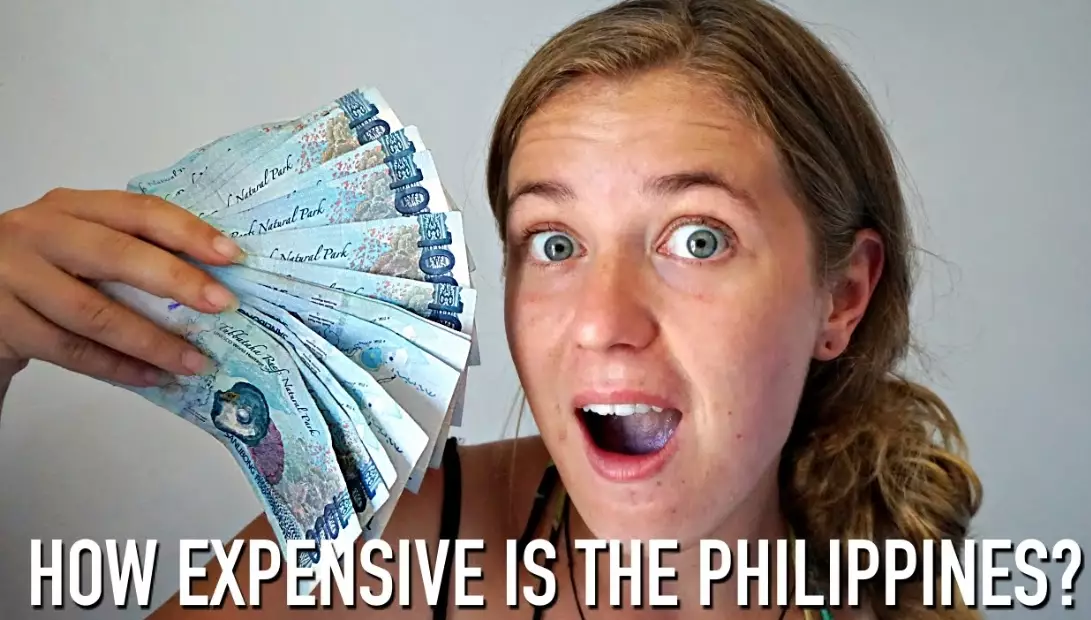
This isn't just a quick list of prices. We're going to dig into the real cost of visiting the Philippines. We'll break down where your money actually goes—from the moment you book your flight to that last souvenir. I'll show you the official numbers from the Philippines' own tourism and statistics bodies, share some hard-learned lessons from my own trips, and give you a clear picture so you can budget without the guesswork.
The Heart of the Matter: What Does "Expensive" Even Mean?
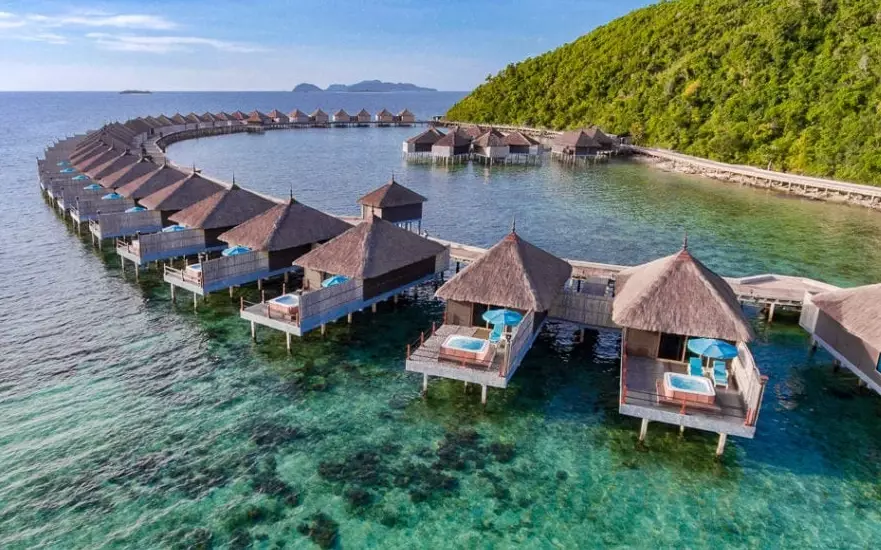
Before we throw numbers around, let's set a baseline. "Expensive" is relative. Compared to backpacking in Vietnam or Cambodia? The Philippines can feel a bit pricier, mainly because of its geography. It's an archipelago of over 7,000 islands, so getting around often involves planes or ferries, not just cheap buses. Compared to a holiday in Thailand? For similar experiences, I'd say they're in the same ballpark, with the Philippines sometimes being cheaper for accommodation and food.
Compared to any Western destination? It's an absolute bargain.
The Philippines government, through the Philippine Statistics Authority (PSA), tracks consumer prices. While their data is for residents, it gives us a crucial anchor for local costs. The key is aligning your spending closer to local norms than tourist norms. That's the golden rule for budget travel anywhere.
Let's Talk Numbers: A Realistic Daily Budget Breakdown
Forget the one-size-fits-all budget. Your daily cost in the Philippines swings wildly based on your travel style. Let's create three realistic profiles. These estimates are for one person and include the basics: a place to sleep, three meals, local transport, and a modest activity or two.
| Travel Style | Budget Range (USD per day) | Budget Range (PHP per day)* | What This Gets You |
|---|---|---|---|
| Rock-Bottom Backpacker | $25 - $40 | ~₱1,400 - ₱2,250 | Dorm bed or basic fan room, street food & carinderia meals, local buses/jeepneys, free or very cheap activities (hiking, public beaches). |
| Comfortable Traveler (The Sweet Spot) | $50 - $80 | ~₱2,800 - ₱4,500 | Private room with AC & bathroom (maybe even a nice guesthouse), mix of street food and decent restaurant meals, occasional Grab taxis, domestic flights for longer hops, guided island-hopping tours. |
| Comfort-Plus / Flashpacker | $100 - $150+ | ~₱5,600 - ₱8,400+ | Boutique hotel or nice resort room, restaurant meals for most, private van transfers or frequent taxis, more expensive activities (diving, private tours), no real budget concerns. |
*Based on an approximate exchange rate of 1 USD = 56 PHP. Always check current rates.
See? Asking "is it expensive to visit the Philippines" doesn't have one answer. It has at least three. Most independent travelers I meet, including myself on most days, aim for that middle category. It offers immense value and comfort without luxury price tags.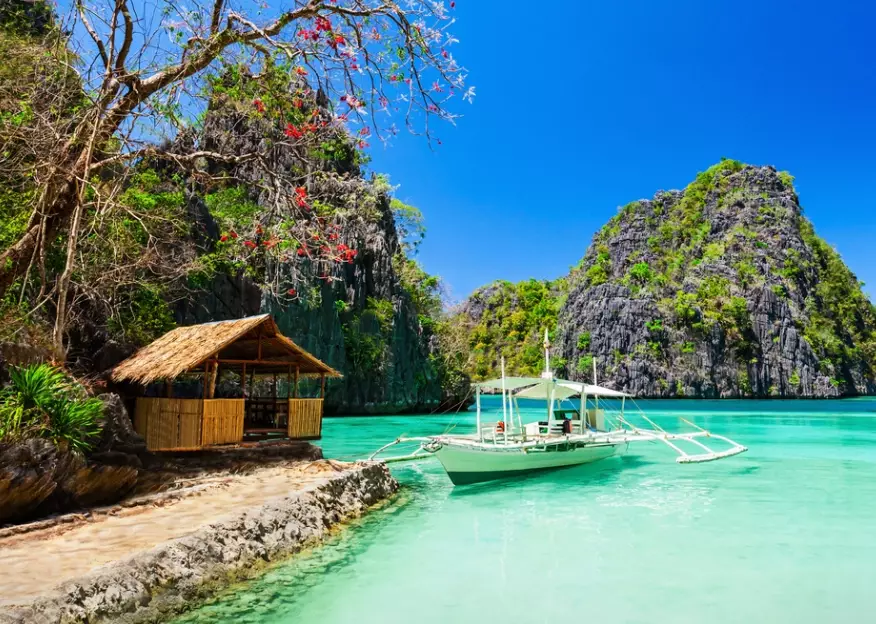
The Big Cost Categories: Where Your Peso Actually Goes
1. Getting There and Around (The Make-or-Break Factor)
This is often the biggest chunk for Philippines travel, especially if you want to see multiple islands.
International Flights: This varies massively based on where you're flying from. From the US West Coast or Europe, expect $600-$1000+ for a round-trip to Manila or Cebu. From within Asia (Singapore, Hong Kong, Taipei), you can find deals for under $200 round-trip. Use flight aggregators and be flexible with dates.
Domestic Travel - The Archipelago Challenge:
- Flights: Carriers like Cebu Pacific, AirAsia, and Philippine Airlines have fierce sales. I've booked Manila to Cebu for under $20 one-way during a promo. Regular prices are more like $30-$70. Book early for the best deals. The official Cebu Pacific and Philippine Airlines sites are where you want to be.
- Ferries: Companies like 2GO Travel, OceanJet, and SuperCat connect the islands. A 4-hour ferry from Cebu to Bohol might cost $10-$25. It's slower but often cheaper and more scenic than flying. Schedules can change, so check locally.
- Local Transport: This is where you save. Jeepneys (the iconic colorful buses) start at around ₱10 ($0.18). Tricycles (motorcycle sidecars) for short trips cost ₱50-₱150 ($1-$3) per ride, but you often have to haggle. For clarity and fixed fares in cities, the Grab app (Southeast Asia's Uber) is a lifesaver.
2. Your Home Away From Home: Accommodation
Accommodation is a major reason why the Philippines can be so affordable. Outside of peak season (December-January, Holy Week), there's great value.
- Hostels & Dorms: Major tourist spots have plenty. A dorm bed in Manila, Cebu, or El Nido runs from $8 to $15 per night. Often includes breakfast.
- Guesthouses & Homestays: My personal favorite. A basic private room with a fan and shared bath can be found for $15-$25. A nice private room with AC and an ensuite bathroom typically ranges from $25 to $45. You can find these on booking platforms or, better yet, by walking around and asking once you're in a town.
- Resorts & Hotels: Here's where prices jump. A decent beachfront resort in Boracay or Palawan will start at $80-$150 per night. Luxury properties go much higher.
A quick search on any booking site will confirm this. The variety is staggering.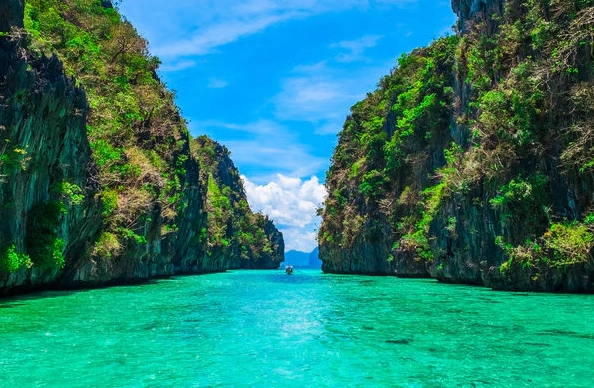
3. Fuel for Adventure: Food and Drink
If you love to eat, you'll love the prices. Filipino food is hearty, flavorful, and cheap.
- Street Food & Carinderias: These are local eateries. A full plate of rice, meat, and veg (like adobo, sinigang, or a grilled fish) costs between ₱70 and ₱150 ($1.25 - $2.70). Barbecue sticks (isaw, pork BBQ) are ₱20-₱50 ($0.35-$0.90) each. This is the real deal.
- Local Restaurants & Fast Food: A meal at a mall food court or a chain like Jollibee will be ₱150-₱250 ($2.70-$4.50). A sit-down meal at a nicer local restaurant might be ₱300-₱500 ($5.50-$9) per person.
- Western/International & Tourist Restaurants: This is where budgets inflate. A pizza, burger, or pasta in a tourist-heavy area like El Nido or Boracay can easily cost ₱500-₱800 ($9-$14) or more. Drinks add up too—a cocktail often costs as much as a full local meal.
- Drinks: Local beer (San Miguel) is ₱50-₱80 ($0.90-$1.40) in a store, double or triple that at a bar. Bottled water is cheap (₱20-₱30).
4. Fun Stuff: Activities, Tours, and Entertainment
This is the variable that can sneak up on you. Nature's beauty is often free, but accessing it sometimes isn't.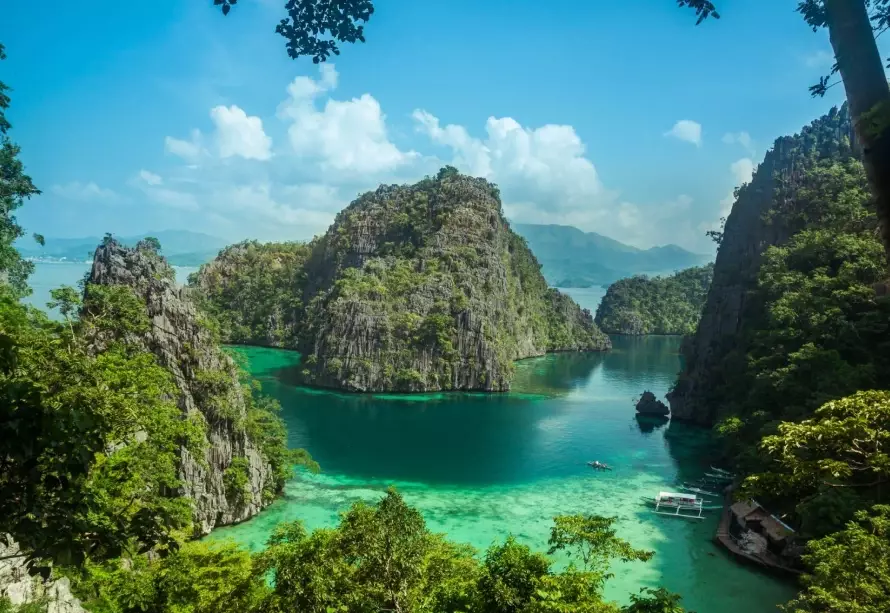
- Beaches & Hiking: Public beaches are free. Many beautiful hikes (like the Ten Commandments in Batanes or simple viewpoint treks) just require a small registration fee (₱50-₱200).
- Island-Hopping Tours: This is a staple. A shared group tour to places like the lagoons in El Nido or the islands around Coron typically costs ₱1,200 - ₱1,800 ($21-$32) per person, including lunch and snorkel gear. A private boat charter will be significantly more (₱4,000-₱8,000+).
- Diving: The Philippines is a world-class dive destination. A fun dive can cost $25-$40. A PADI Open Water certification course ranges from $250 to $400, which is very competitive globally.
- Entrance Fees: Most natural sites (waterfalls, parks, reefs) have small environmental or entrance fees, usually between ₱50 and ₱300 ($1-$5.50).
Spotting the Traps: Where It Can GET Expensive
Okay, so the Philippines is generally cheap. But I'd be lying if I said there weren't ways to blow your budget. Here are the classic pitfalls.
The "Last-Minute" Tax: Waiting to book domestic flights or popular ferry routes until a day or two before? The price doubles or triples. Plan your main island hops in advance, especially during peak season.
Manila Airport Logistics: NAIA Airport has a reputation. Official taxi meters are okay, but the queue for the approved taxi service (like Grab) can be long. Some unscrupulous drivers outside will quote absurd fixed rates. The best bet is to use the Grab app or book a pickup through your hotel if you arrive late at night. This initial hassle can set a bad tone, but it's avoidable.
Peak Season Price Surge: Christmas, New Year, and Holy Week (Easter) are massive family holidays. Prices for flights and accommodation skyrocket, and everything is booked solid. If you're on a tight budget, avoid these periods.
The Isolated Resort Upsell: Booking a beautiful resort on a remote island? Check if they have a restaurant monopoly. I once stayed at a place where the only food option was their overpriced menu. Bringing some snacks or checking meal availability beforehand saves money and frustration.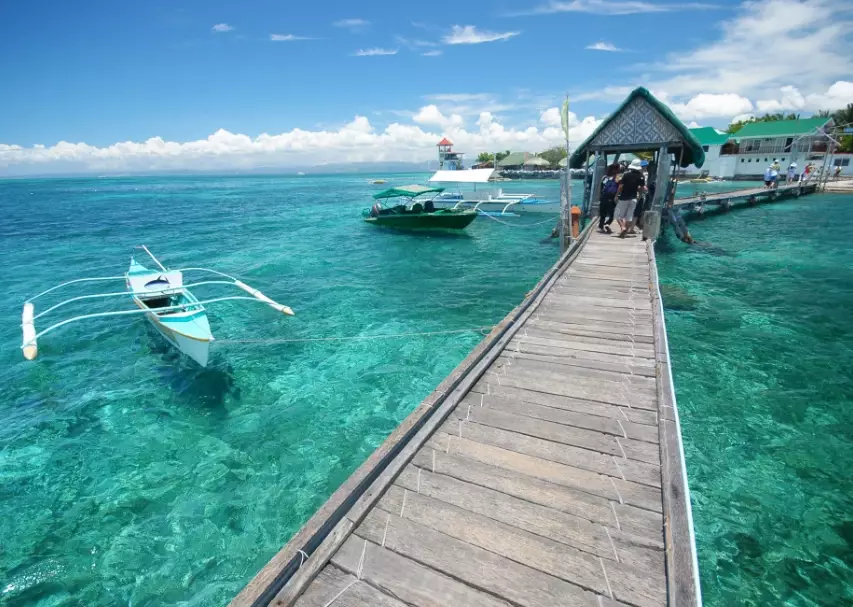
Your Action Plan: How to Visit the Philippines on a Budget
Knowing the costs is one thing. Beating them is another. Here's your practical playbook.
Top 5 Budget Hacks That Actually Work
- Embrace the Carinderia. This is the number one rule. Not only is it cheap, it's where you'll taste the most authentic food. Look for places crowded with locals at meal times.
- Travel Slow. Instead of trying to see five islands in ten days, pick two or three. You save on expensive inter-island transport costs, and you often get better weekly rates on accommodation.
- Book Domestic Flights During Sales. Sign up for email alerts from Cebu Pacific and AirAsia. They have "Piso Sales" (where base fares are literally one peso, plus taxes) several times a year. Even outside sales, booking 2-3 months ahead yields the best prices.
- Learn Basic Haggle Phrases. You don't need to be aggressive. For tricycles or souvenir stalls, a smile and a polite "Pwede ba mas mura?" (Can it be cheaper?) or "Last price?" goes a long way. Knowing the rough fair price beforehand is key.
- Carry a Reusable Water Bottle. Tap water isn't safe to drink, but you can buy big 5-gallon refillable jugs (called "water stations" everywhere) for a few pesos. Refill your bottle for almost nothing instead of buying endless small plastic bottles.
Also, consider shoulder seasons. The best weather is generally November to April, but the months just outside that (late October, early May) can still be good and are less crowded and cheaper.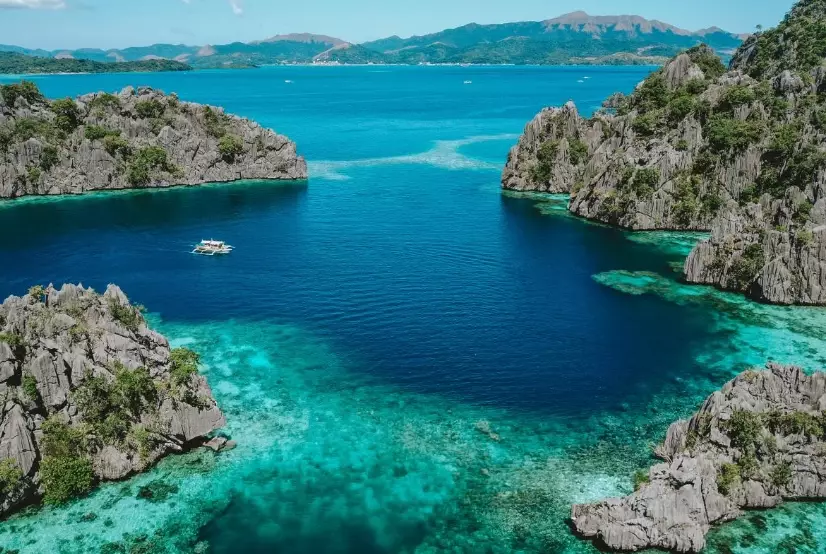
Let's Answer Your Burning Questions (FAQs)
I've been asked these so many times. Let's clear them up.
Is $1000 enough for 2 weeks in the Philippines?
For one person, excluding international flights? Absolutely, if you're a budget/comfort traveler. That's about $71 per day, which sits nicely in our middle category. You'll have private rooms, eat well, and do tours. For two people sharing a room, it's tighter but still very doable if you're mindful—closer to $50 per person per day.
What is the cheapest time to visit the Philippines?
The rainy season, roughly June to October. Flights and hotels are cheaper. The catch? You might get afternoon downpours and some ferry cancellations. But you also get lush green landscapes and fewer crowds. July and August can still be busy with local tourists. September and October are often the rainiest but also the cheapest.
Is it more expensive than Thailand or Vietnam?
It can be, primarily because of internal transport. Thailand and Vietnam have well-established, cheap overland backpacker routes. In the Philippines, you're often paying for a flight or ferry to get to the next paradise. Once you're *in* a destination, daily costs (food, lodging) are very comparable. So, your overall trip budget might be slightly higher in the Philippines due to transit, but your daily spend doesn't have to be.
How much cash should I carry?
Credit/debit cards are widely accepted in cities, malls, and hotels. BUT, in smaller islands, towns, and for everyday spending (markets, tricycles, small eateries, tour fees), cash is king. I recommend withdrawing a sensible amount from ATMs in cities (BPI, BDO, Metrobank are reliable). Carry a mix of large (₱1000) and small bills (₱20, ₱50, ₱100). Always have smaller bills handy for transport and small purchases.
Are there any hidden costs?
A few to note: Terminal Fees: Some airports and piers charge a small departure terminal fee (₱100-₱300). This is often included in your airline ticket now, but not always for ferries. Keep some spare pesos. Environmental Fees: Many towns charge a one-time tourism or environmental fee upon arrival (e.g., ₱150 in El Nido, ₱300 in Coron). It's legitimate and goes towards maintenance. VAT: A 12% VAT is added to most goods and services in formal establishments.
Final Verdict: So, Is Visiting the Philippines Expensive?
Let's circle back to the original question that brought you here: Is it expensive to visit the Philippines?
The core answer is no. It provides exceptional value for money. You can have world-class beach days, unforgettable cultural interactions, and fill yourself with delicious food on a budget that would barely cover accommodation back home.
But—and this is the crucial but—it requires a tiny bit more planning and savvy than some of its Southeast Asian neighbors. You can't just show up and wing it as easily without risking higher costs. The geography demands a little forethought.
If you're willing to travel like a local sometimes (jeepneys, carinderias), book key transport in advance, and avoid the obvious tourist upsells, the Philippines opens up as one of the most rewarding and affordable tropical destinations on the planet. The smile of a local you shared a jeepney ride with, the taste of adobo from a street-side stall, the view from a hike you reached by tricycle—these priceless moments come with a very modest price tag.
So, stop wondering if it's expensive. Start planning how you'll spend all the money you're going to save.



Comments
Join the discussion