Quick Tahiti Guide
You've seen the pictures. Overwater bungalows, water so blue it doesn't look real, lush green mountains vanishing into the clouds. It's the screensaver dream. But when you're actually planning a trip and looking at flight prices, a little voice in your head asks: Is Tahiti good for tourists, or is it just a beautifully photographed money pit?
I've been there. I've saved up, I've flown the long hours, and I've walked both the pristine beaches and the less-glamorous backstreets of Papeete. My answer isn't a simple yes or no. It's a "it depends," followed by a whole bunch of details you need to know before you book anything.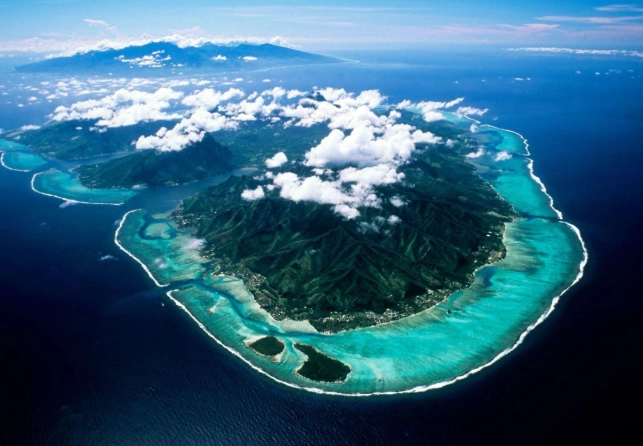
This isn't a promotional brochure. We're going to talk about the stunning sunsets and the sticker shock. The incredible snorkeling and the occasional rainy day that can dampen plans. My goal is to give you the full picture, so you can decide if Tahiti is good for YOU as a tourist.
The Quick Take: Tahiti is phenomenally good for tourists seeking a unique, once-in-a-lifetime landscape and a deep immersion in Polynesian culture. It's less ideal for budget backpackers or travelers who prioritize constant action and nightlife over natural serenity. Your enjoyment hinges almost entirely on matching your expectations (and budget) to what the islands actually offer.
Breaking Down the Big Question: Who is Tahiti Actually Good For?
Let's get specific. "Tourists" isn't one group. A family with young kids has different needs than a honeymoon couple or a solo backpacker. So, is Tahiti good for tourists of all kinds? Not equally.
The Honeymooners & Luxury Seekers
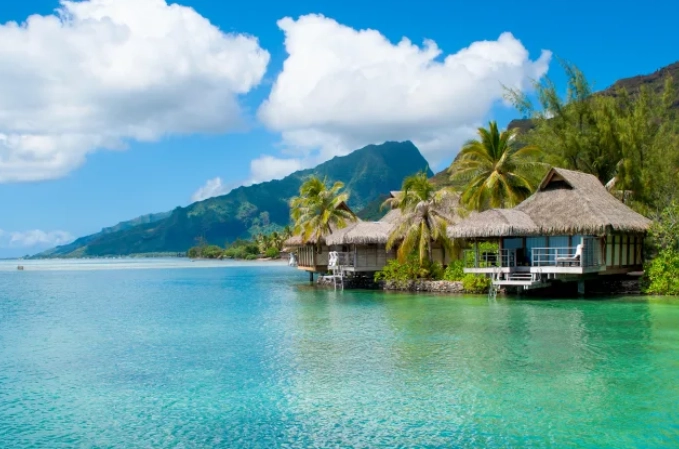
If you're in this group, the answer is a resounding, almost deafening YES. This is where Tahiti built its global reputation. The overwater bungalow experience, pioneered here in places like the Bora Bora lagoon, is still the gold standard. Waking up and stepping off your deck into warm, turquoise water is a feeling that's hard to beat. The resorts are experts at crafting a seamless, romantic, and pampered experience. You're paying for that privacy, that iconic view, and the service. For this purpose, it's arguably one of the best places on the planet.
But even here, a word of caution. Not all overwater bungalows are created equal. Some look out over stunning coral gardens, while others might have a view of... more bungalows. Do your room category research.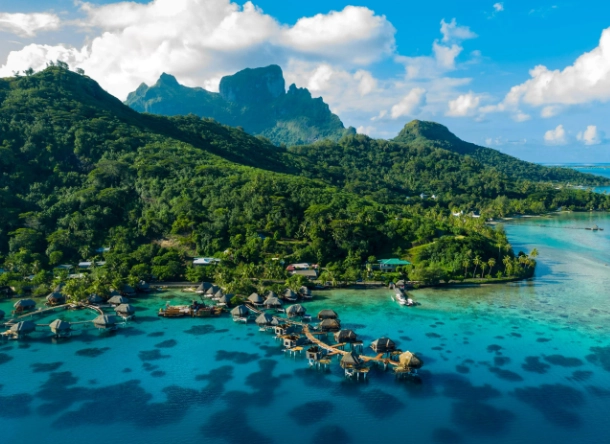
Adventure Travelers & Nature Lovers
This is where Tahiti can surprise people. Beyond the resort lagoon, is Tahiti good for tourists who want to hike, explore, and get their heart rate up? Absolutely.
On Tahiti itself (the main island), you can hike to breathtaking waterfalls like the Faarumai Waterfalls. The interior is wild, green, and dramatic. On Moorea, you can quad bike up to the Belvedere lookout for panoramic views of Cook's and Opunohu Bays. The snorkeling and diving, especially around the passes of Rangiroa or the reefs of Fakarava (a UNESCO Biosphere Reserve), are world-class. You can swim with sharks, rays, and massive schools of fish in clear, current-swept water. It's raw, powerful nature.
Personal Reality Check: The "adventure" often comes with a higher price tag than in Southeast Asia or Central America. Guided hikes, lagoon tours, and diving trips are significant expenses. The infrastructure for independent, dirt-cheap adventure is limited.
Families with Children
This is a mixed bag. The resorts, especially the larger family-friendly ones on Moorea or with sheltered lagoons, can be fantastic. The lagoons are often shallow and calm near shore, perfect for kids to splash in. The cultural activities like dance shows are engaging.
The challenges? The long flight can be brutal with little ones. The food, while excellent, can be unfamiliar to picky eaters (though resorts have pizza and pasta). And most importantly, the sheer cost of adding extra beds, meals, and activities for multiple people can make a Tahiti family vacation astronomically expensive very quickly. You might ask, is Tahiti good for tourists with a family budget? It requires careful planning and potentially choosing a vacation rental with a kitchen to manage meal costs.
Budget Backpackers
Let's be brutally honest: classic shoestring backpacking is the toughest way to experience French Polynesia. The famous islands (Bora Bora, Tahaa, Tetiaroa) are virtually inaccessible without significant funds for inter-island flights and expensive accommodation.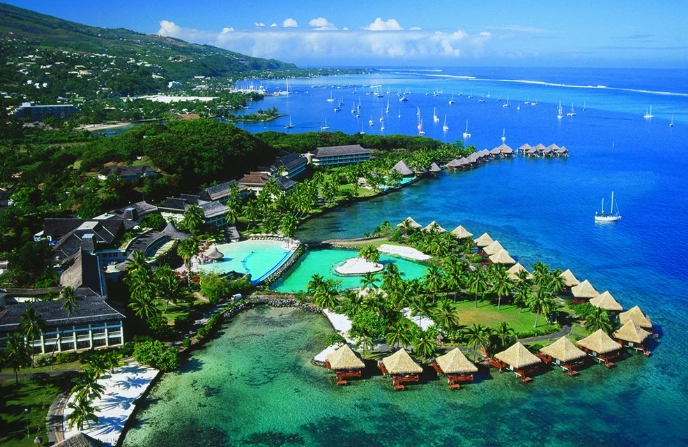
However, all is not lost. There is a growing, albeit niche, scene for more budget-conscious travelers. On Tahiti, you can find guesthouses ("pensions") and smaller hotels in Papeete or along the coast. The island of Raiatea has a more local feel and some affordable options. The key is to manage expectations. You won't be staying in an overwater bungalow, but you can still experience the incredible landscape, rent a scooter to explore, and connect with local families who run pensions. It's a more authentic, less polished experience. For this resilient traveler, Tahiti can be good, but it demands research and flexibility.
The Nitty-Gritty: Costs, Logistics & The Good vs. The Not-So-Good
Okay, let's move past the generalizations and into the practical stuff. This is where you really figure out if Tahiti is good for your tourist plans.
The Budget Reality (Let's Talk Numbers)
This is the biggest hurdle and the main reason people hesitate. French Polynesia is expensive. It's a remote island chain where most goods are imported. But how expensive? Let's break down a typical mid-range trip for two, not staying in the top luxury resorts but not in hostels either.
| Expense Category | Estimated Cost (for 2 people, 7 nights) | Notes & Tips to Save |
|---|---|---|
| Flights (from US West Coast) | $2,500 - $4,000+ | Biggest variable. Look for Air Tahiti Nui/Tahiti deals. Flying into PPT (Tahiti) is cheapest. |
| Accommodation (Moorea pension/3-star) | $1,500 - $2,500 | "Pensions" (guesthouses) offer best value, often with breakfast/dinner included. |
| Inter-island Flights (e.g., PPT to MOZ) | $400 - $600 | Air Tahiti is the monopoly. Book flight passes for multi-island trips. |
| Food & Drink (moderate) | $1,200 - $2,000 | Eating at "roulottes" (food trucks) saves $. Supermarket lunches help. |
| Activities & Tours (2-3 tours) | $600 - $1,200 | Lagoon tour, snorkeling, 4x4 safari. Essential to experience the beauty. |
| Local Transport & Rental Car | $300 - $600 | Renting a car for 2-3 days is ideal for exploring. Scooters are cheaper. |
| TOTAL (Approximate) | $6,500 - $11,000+ | This is why planning is critical. It's a major investment. |
See what I mean? It's a serious commitment. But within that, there are strategies. Choosing one island instead of hopping, opting for a pension with half-board, and prioritizing a few great tours over many small ones can make it more manageable.
Budget Hack from Experience: Don't sleep on the "Table d'Hôte" meals offered by many pensions. It's a fixed-price, home-cooked dinner with the family running the place. For about $25-35 per person, you get a massive, delicious, multi-course meal (often the best food you'll eat) and great conversation. It saves money and is a genuine cultural experience.
The Good: What Makes Tahiti Shine
When it's good, it's unforgettable. Here’s what consistently delivers: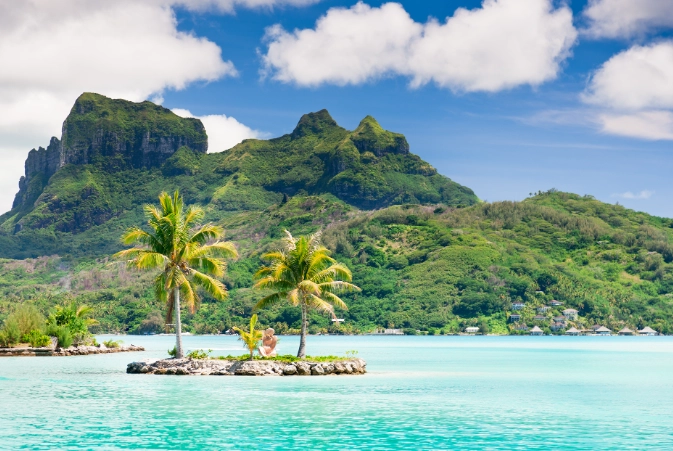
- The Landscape is Unmatched: The contrast of jagged volcanic peaks against the flat, neon-blue lagoon is a geographical wonder you have to see to believe. It never gets old.
- Polynesian Culture is Present & Vibrant: This isn't a culture just for show. You feel it in the music, the flower crowns ("hei"), the tattoos, and the warm, welcoming "Ia Ora na" greeting. Visit a marae (ancient temple site) to feel the history.
- Safety and Cleanliness: As a tourist, I always felt incredibly safe. The islands are clean, and the communities are tight-knit. It's a relief not to have to be constantly on guard.
- The Water Activities are Top-Tier: Whether it's snorkeling with manta rays in Bora Bora, diving in Rangiroa's Tiputa Pass, or just paddling a kayak in a calm lagoon, the aquatic life and water clarity are phenomenal.
The Not-So-Good: The Honest Downsides
Ignoring these does you a disservice. Let's be real.
- The Cost, Obviously: It can feel extractive. A simple sandwich and soda at a resort might cost you $35. A sunset cocktail? $25. You have to mentally prepare for this or it will ruin your trip.
- Weather is Not Always Perfect: It's a tropical location. There can be rain, and not just a brief shower. The wet season (Nov-Apr) can bring days of overcast skies and rain, which is a real bummer if you've saved for years for sunny photos. I had two fully rainy days on Moorea once. We made the best of it, but it wasn't the brochure.
- Limited "Town" Life on Most Islands: If you crave bustling markets, nightlife, and a variety of restaurants at your doorstep, only Papeete (on Tahiti) really fits. Most other islands are sleepy. Your resort or pension is your hub after dark.
- Some Over-commercialization: In parts of Bora Bora and the cruise ship dock in Papeete, it can feel a bit like a Tahitian-themed park. The quest for authenticity requires venturing away from the most obvious tourist spots.
So, is Tahiti good for tourists who dislike rain and love city energy? Probably not. But is Tahiti good for tourists who want to disconnect in a stunning, safe environment? Absolutely.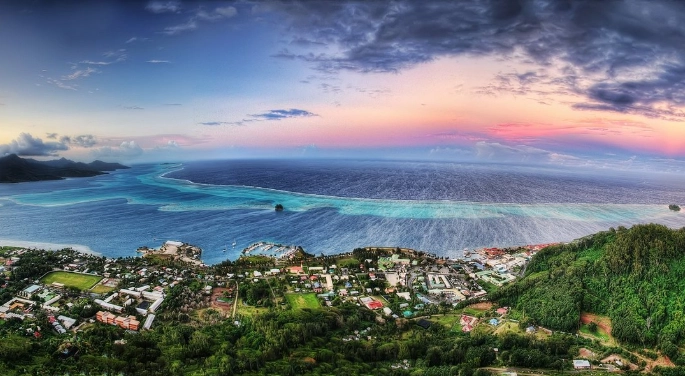
Your Practical Tahiti Travel Toolkit
Let's say you're leaning towards going. Here's the distilled, actionable advice.
When to Go: Season Matters More Than You Think
Dry Season (May to October) is king. Less rain, lower humidity, more sunshine. It's also peak season, so prices are highest and bookings fill fast.
Wet Season (November to April) is hotter, more humid, with a higher chance of tropical showers/cyclones (rare, but possible). The upside? Lush greenery, fewer crowds, and lower prices. It's a gamble, but can pay off.
My take? If this is your one big trip, pay the premium for the dry season. The guaranteed good weather is worth the peace of mind.
Island Selection: Don't Try to Do It All
First-timers often make the mistake of trying to see too many islands. The inter-island flights are expensive and eat up your time. For a 7-10 day trip, I strongly recommend picking TWO islands max.
Top Combination for First-Timers: Tahiti (1-2 nights) + Moorea (5-7 nights). Fly into Tahiti, recover from your jetlag, maybe see the Papeete market, then take the short, scenic ferry to Moorea. Moorea has it all: dramatic mountains, amazing snorkeling spots (like the Lagoonarium), a relaxed vibe, and options for every budget. It’s the perfect answer to is Tahiti good for tourists on their first visit.
Save Bora Bora for a dedicated luxury splurge or a honeymoon. Consider the less-visited islands like Huahine or Raiatea for a second, more adventurous trip.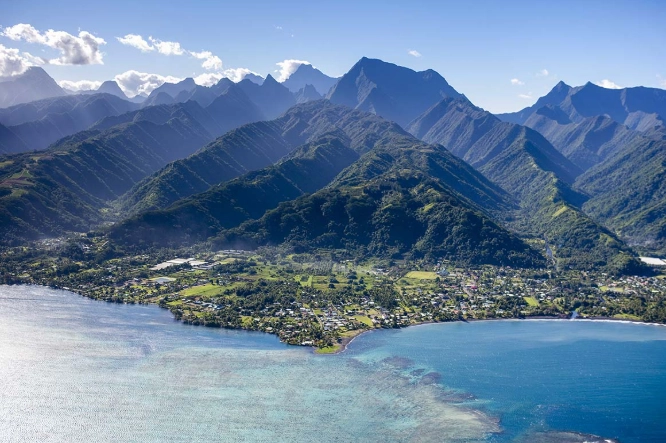
Booking Strategy: Flights & Stays
For flights, set alerts on Google Flights for Faa'a International Airport (PPT). Sometimes flying through Los Angeles (LAX) is the best bet. For inter-island, check Air Tahiti's website for their multi-island flight passes, which can offer savings.
For accommodation, use major booking sites, but also search for the specific names of pensions you find on travel forums. Often, booking directly with the pension via email can get you a better rate or a package with meals.
Answering Your Burning Questions (FAQ)
Is Tahiti safe for tourists?
Extremely safe. Petty crime like bag-snatching is rare but can happen in crowded Papeete areas—use common sense. The main safety concerns are natural: sunburn, strong ocean currents in certain passes, and traffic if you rent a scooter (drive carefully!).
Do they speak English?
Yes, in tourist areas. French and Tahitian are the official languages. In resorts, shops, and tour companies, English is widely spoken. Learning a few French phrases ("Bonjour," "Merci") is appreciated and goes a long way.
What about food? Is it just resort food?
Not at all! The local cuisine is a highlight. Must-tries: poisson cru (raw fish in coconut milk/citrus), ma'a Tahiti (traditional feast cooked in an earth oven), and fresh tropical fruit. The nightly roulottes (food trucks) in Papeete are a fantastic, cheap, and delicious experience.
Is the water safe to drink?
In most hotels and resorts on the main islands, tap water is treated and safe to drink. They will tell you. In very remote areas or on some atolls, stick to bottled water. When in doubt, ask your accommodation.
How many days do I need?
Given the long travel time and cost to get there, I'd say a minimum of 7 full nights. Anything less and the travel fatigue outweighs the enjoyment. 10-14 nights is ideal for exploring 2-3 islands without rushing.
The Final Verdict: Should You Go?
Look, Tahiti isn't for everyone. If your dream vacation is a cheap, fast-paced tour of European capitals or an all-inclusive party in Cancun, you will be disappointed and bankrupt here.
But if your soul craves a connection with a powerful, beautiful landscape, if you value unique cultural experiences over generic ones, and if you can view the cost as an investment in a memory rather than just an expense, then yes. A thousand times yes.
Is Tahiti good for tourists? It's spectacular for the right tourist. It demands more planning, more budgeting, and a different mindset than many other destinations. You don't just visit Tahiti; you prepare for it. You earn it. And for those who do, the reward is a slice of paradise that feels genuinely different from anywhere else on Earth. The colors are brighter, the air smells sweeter (like tiare flowers), and the pace of life reminds you what a vacation is supposed to be: a true escape.
So, are you the right tourist for Tahiti? Only you can answer that. But now, at least, you have the real picture to decide.
Comments
Join the discussion