Quick Guide
You know, when I first started digging into South Korea tourism statistics by country, I thought it would just be a bunch of dry numbers. Another government spreadsheet, right? But honestly, the story these numbers tell is way more interesting. It's not just about who's visiting; it's a map of cultural influence, economic ties, and changing travel dreams. If you're planning a trip, or even just curious about global travel trends, these figures are like a secret decoder ring.
Let's be clear from the start. The most reliable source for this data is the Korea Tourism Organization (KTO). They're the official body, and they publish detailed monthly and annual reports. For a broader, global context, the UN World Tourism Organization (UNWTO) often includes Korea in its regional analyses. Relying on these sources keeps you on solid ground, away from the guesswork you find on some random blogs.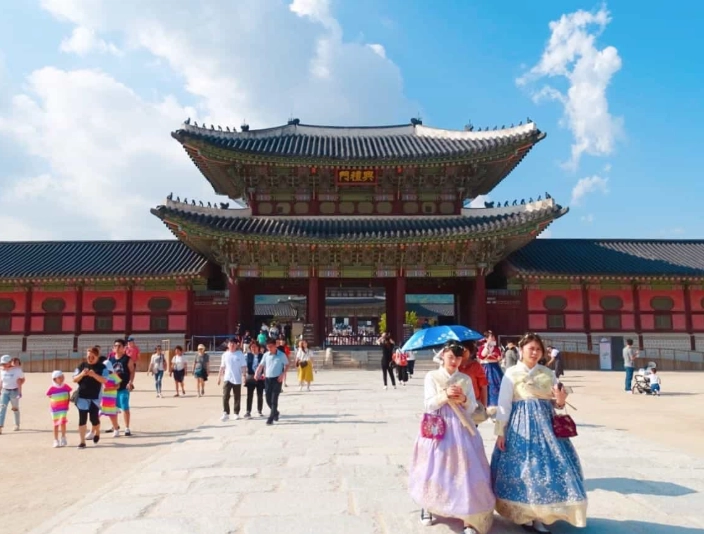
Where is Everyone Coming From? The Major Player Breakdown
Looking at recent annual data (we'll avoid the shaky pandemic years and focus on the recovery trend), the hierarchy of visitor markets is pretty stable, but with some fascinating shifts underneath. Asia, unsurprisingly, dominates the scene. But the "why" behind each country's numbers is where it gets good.
Let's put the top contributors into a clearer table. This isn't just a ranking; it's a snapshot of Korea's closest travel relationships. Remember, these figures are representative of a stable, recent year to show the structure.
| Rank | Country/Region | Approx. Share of Total Visitors | Key Drivers & Notes |
|---|---|---|---|
| 1 | China | ~30-35% | Proximity, shopping, historical ties. The recovery barometer. Numbers are highly sensitive to diplomatic and travel policy changes. |
| 2 | Japan | ~15-20% | Cultural curiosity, short flights, pop culture exchange. A steady, reliable market. |
| 3 | Taiwan | ~8-10% | Huge K-culture fandom, favorite destination for young travelers. Often leads in per-capita spending on beauty and fashion. |
| 4 | United States | ~5-7% | Largest long-haul market. Mix of tourism, business, and visiting friends/family (VFR). Military personnel and families also contribute. |
| 5 | Hong Kong | ~4-6% | Similar to Taiwan, driven by K-dramas, K-pop, and easy short trips for food and shopping. |
| 6 | Thailand | ~3-5% | One of the fastest-growing Southeast Asian markets. Affinity for Korean beauty, fashion, and affordable travel packages. |
| 7 | Vietnam | ~3-5% | Rapid growth fueled by a young population, economic ties, and deep cultural fascination with Korea. |
See? Just from this table, you can start asking better questions. Why is Taiwan so high per capita? Why is Thailand growing so fast? The raw South Korea tourism statistics by country give you the "what," but you need to dig for the "why."
China: The Colossal Neighbor
No discussion is complete without talking about China. The numbers are simply on a different scale. When Chinese tourist numbers are up, Myeongdong is packed, duty-free sales boom, and you'll hear Mandarin everywhere. When they're down, the contrast is stark. I've seen it myself—entire shopping sections in Lotte Department Store that seemed quieter.
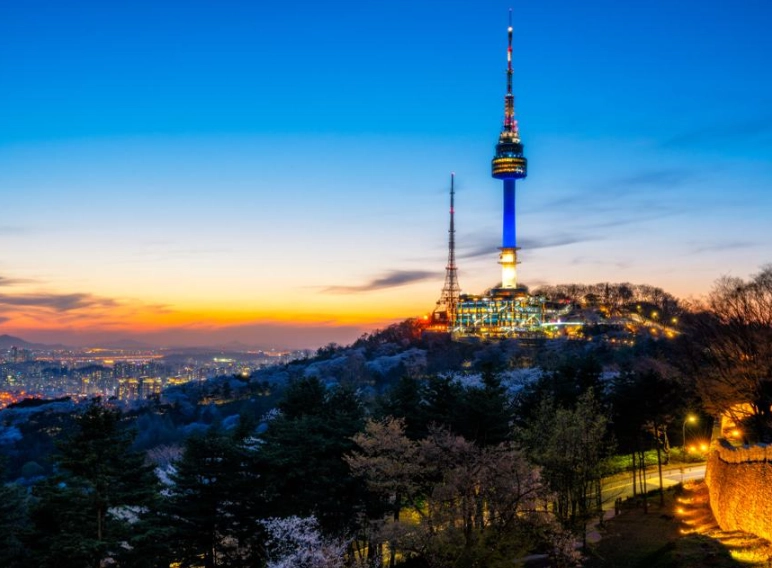
Their travel is often group-oriented, focused on major landmarks (Gyeongbokgung Palace, N Seoul Tower), and shopping for luxury goods and Korean cosmetics. It's a market driven by package tours, but that's slowly changing toward more independent travel. The volatility, though, is a real thing. Political tensions or health-related travel restrictions can cause these figures to swing dramatically, which has a ripple effect on the whole Korean tourism sector. It's a love-hate relationship of dependency for many businesses.
Japan & Taiwan: The Steady Cultural Admirers
Japan is the reliable sibling. The travel flow is almost like a commute. Short, cheap flights from Osaka or Fukuoka make weekend trips possible. Japanese tourists often seek a blend of the familiar (shared historical roots) and the novel (Korean trendy districts like Hongdae). The interest is mutual and steady.
Taiwan, on the other hand, is where the Hallyu wave crashes hardest. The passion for K-dramas and K-pop isn't just a trend; it's a lifestyle for many young Taiwanese. Their trips are pilgrimages—visiting drama filming locations, attending fan meetings, and stocking up on the latest Korean fashion and skincare. They tend to be savvy, independent travelers who use apps and blogs to plan deeply personalized itineraries. Analyzing South Korea tourism statistics by country, Taiwan consistently punches above its weight in terms of cultural engagement.
The Rising Stars: Southeast Asia
This is where the growth story is. Thailand and Vietnam are not just increasing in numbers; they're changing the tourist landscape. Budget airlines have opened up direct routes from Bangkok, Hanoi, and Ho Chi Minh City. For many middle-class families in these countries, a trip to Seoul is a aspirational, yet increasingly attainable, dream.
Their tourism is very experience-driven. Yes, they shop, but they're also huge on capturing the perfect Instagram shot in a hanbok at a palace, trying every street food in Myeongdong, and exploring the quirky cafes. The Korean government knows this, and you'll see more tailored marketing and visa policies aimed at these nations.
Beyond Asia: The Long-Haul Travelers
While the volumes are smaller, the long-haul markets are crucial. They tend to stay longer and spend more per trip. Understanding South Korea tourism statistics by country means not ignoring these segments.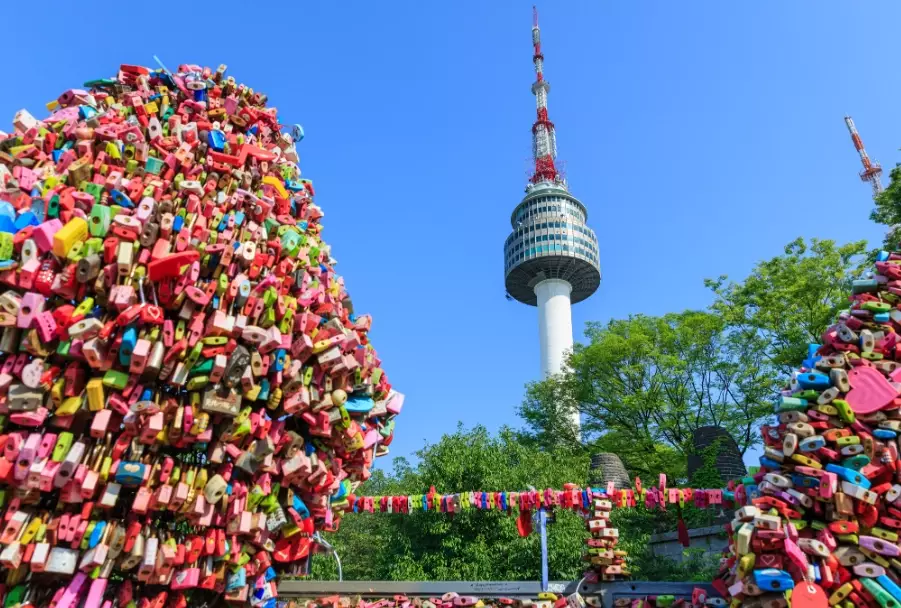
The Americas and Europe
The United States is, by far, the leader here. Travel is a mix of tourism (drawn by K-culture, food, and tech), a massive VFR segment (the Korean diaspora is huge), and business. Inbound flights from the West Coast are always busy. From Europe, the UK, France, and Germany lead the way. European travelers often bundle Korea with Japan or China, seeing it as part of a broader East Asian tour. They're interested in history, traditional culture, and the striking contrast between ancient and hyper-modern.
One thing I've noticed with Western travelers is their tendency to venture beyond Seoul. They're more likely to head to Jeju Island, the temples of Gyeongju, or the coastal cities. Their travel patterns are less concentrated, which spreads the economic benefit.
What's Changing? Not Just Numbers, But Behaviors
If you only look at the total arrivals, you miss half the story. The real insights come from looking at *how* people are traveling. This is where the South Korea tourism statistics by country need to be paired with trend reports.
Free Independent Travelers (FITs) are on the rise everywhere. People are ditching large, rigid package tours for self-planned trips using Airbnb, local transit apps, and food review sites. This shifts spending from big tour operators to local restaurants, boutique hotels, and unique experiences.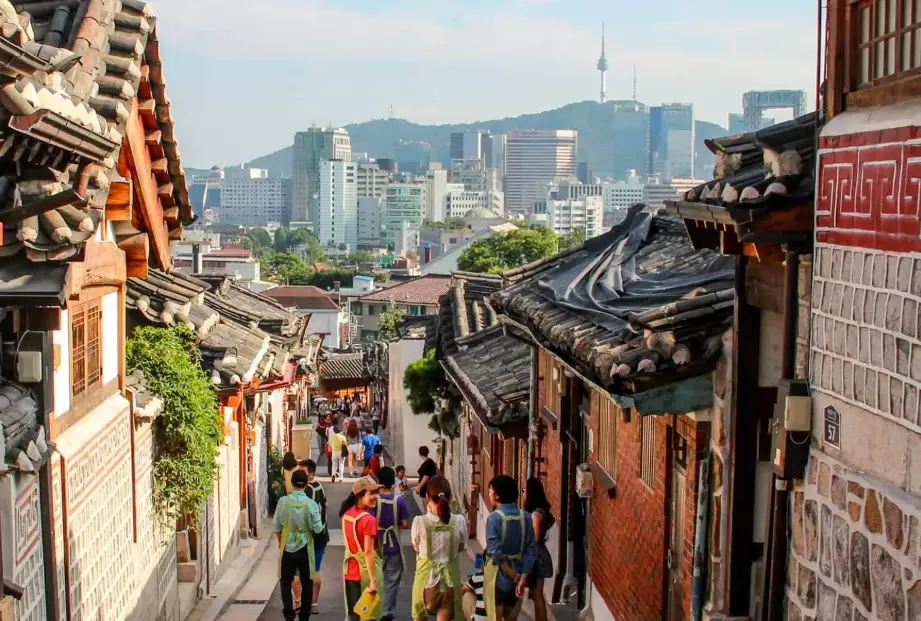
The demand is shifting from pure shopping to "experiences." Yes, people still buy cosmetics, but now they want to *make* their own perfume or take a K-beauty class. They don't just want to see a palace; they want to wear a hanbok and get professional photos taken. This experiential trend is visible across all major source countries.
And of course, the "Hallyu" or Korean Wave effect. It's impossible to overstate. A hit Netflix series like "Squid Game" or "Extraordinary Attorney Woo" causes immediate spikes in interest. Travelers seek out filming locations, themed cafes, and related merchandise. This soft power is a direct driver that you can sometimes trace in the monthly South Korea tourism statistics by country after a major cultural release.
Your Questions Answered: The Tourist Stats FAQ
Based on what people actually search, here are some straight answers.
How accurate are these South Korea tourism statistics by country?
Pretty accurate for a macro view. They're based on immigration arrival cards and surveys. They're great for spotting trends and proportions. But they might not capture every single same-day visitor or someone on a long layover who sneaks out for a quick tour. For big-picture planning, they're reliable.
Which country spends the most per tourist in South Korea?
Historically, Chinese tourists had the highest total spend due to luxury shopping. On a per-capita, per-day basis, long-haul travelers from the Middle East or certain European countries often spend more on high-end accommodation and tours. But Southeast Asian tourists are becoming big spenders on fashion and beauty products.
I'm from [Your Country]. Will I find information or services in my language?
This is a great practical question. In major tourist areas in Seoul (Myeongdong, Hongdae, Itaewon), you'll find signage and menus in English, Chinese, and Japanese. For Taiwanese and Hong Kong travelers, Mandarin Chinese resources are plentiful. For Southeast Asians, Thai and Vietnamese services are growing fast, especially in areas popular with those groups. For other languages, it's more limited, but translation apps have been a game-changer.
How can I use these stats to plan a less crowded trip?
Look at seasonal data from the KTO. For example, if you want to avoid the biggest crowds from China, maybe avoid traveling during Chinese Golden Week in October. Summer and autumn (September-November) are peak for everyone. Late winter (February) or early spring (late March) can be slightly less hectic, though you'll always have tourists in Seoul.
Are there any countries where tourism to Korea is surprisingly low?
Good question. Compared to its global pop culture footprint, tourist numbers from some Western European countries (like Italy or Spain) are still relatively modest. There's huge potential there. Also, from other large Asian nations like India, the numbers are growing from a small base but could explode with more direct flights and awareness.
The Bottom Line for You, the Traveler
So, after all this number-crunching on South Korea tourism statistics by country, what does it mean for your trip?
First, it means you're going to a destination that's globally connected. You'll hear a mix of languages, see diverse faces, and that's part of the fun. Second, understanding where the big crowds come from helps you anticipate busy spots and maybe find cooler, off-the-beaten-path alternatives. Want to escape the mega-groups? Wander away from the main gate of any major palace.
The data shows Korea is more than ready for tourists. The infrastructure is there. But the soul of the trip is in the details these stats can't capture—the taste of hotteok on a cold street, the quiet of a mountainside temple, the frenetic energy of a subway station during rush hour.
Finally, remember these South Korea tourism statistics by country are a snapshot. They change. A new hit song, a new flight route, a change in visa policy—it all shifts the landscape. The best approach is to stay curious, use official sources like the KTO website for the latest info, and build the trip that excites *you*.
Because in the end, you won't remember the percentage share a country had. You'll remember the memories you made.



Comments
Join the discussion