Quick Guide
So, is Tahiti cheap or expensive? I get asked this all the time. The short, honest answer? It depends. Heavily. If you're dreaming of overwater bungalows and champagne at sunset, then yes, Tahiti can be one of the most expensive destinations on your bucket list. But if you're willing to trade the Instagram cliché for a more authentic, grounded experience, you might be surprised. I've met backpackers who made it work on a tight budget and honeymooners who didn't flinch at five-figure bills. The real question isn't just "Is Tahiti cheap or expensive?" It's "What kind of Tahiti experience do you want, and what's it really going to cost you?"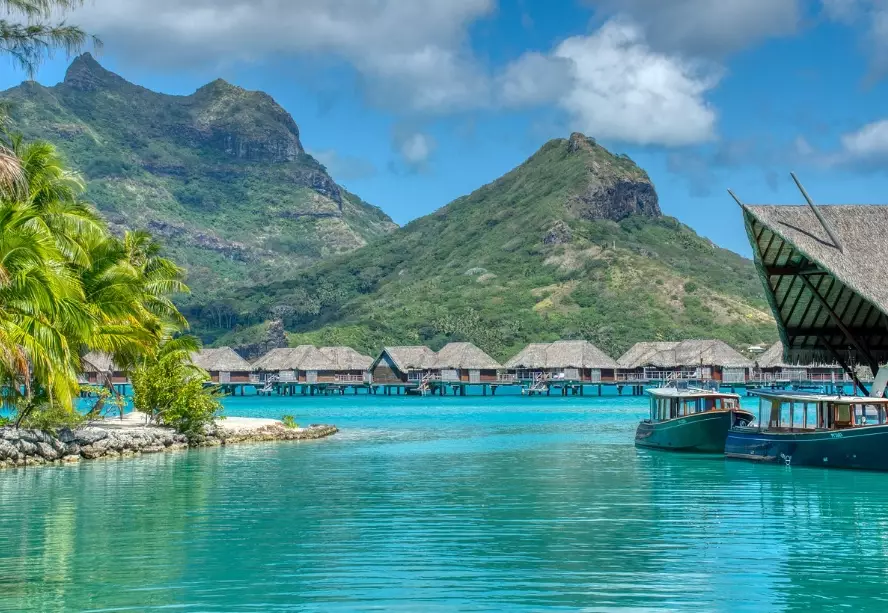
Let's cut through the glossy brochure fantasy. I remember my first time planning a trip to French Polynesia. I was bombarded with images of pristine bungalows perched over turquoise water. The prices? Enough to make my wallet weep. I almost wrote it off as a "someday, maybe" destination. But then I dug deeper, talked to people who'd actually been, and realized there was a whole other side to the story. That's what we're doing here—a no-BS breakdown of where your money really goes.
The Heart of the Matter: Breaking Down the Big Costs
To truly answer "Is Tahiti cheap or expensive?" we need to dissect it piece by piece. Let's start with the two biggest budget-killers: getting there and sleeping there.
Getting There: The Airfare Equation
Unless you live on the West Coast of the US or in New Zealand, flights are your first major hurdle. From Los Angeles, you're looking at an 8-hour flight. From Europe, it's a marathon journey often over 24 hours with connections. This isn't a last-minute, cheap-flight kind of trip.
My advice? Be flexible and plan way ahead. I once snagged a decent fare by being willing to fly mid-week and spending a night in L.A. on the way back. The national carrier, Air Tahiti Nui, often has package deals that bundle flights and hotels, which can sometimes offer better value than booking separately. Also, check fares into PPT (Faa'a International Airport on Tahiti) from different gateways. Sometimes flying through Auckland or even Santiago can yield surprising deals.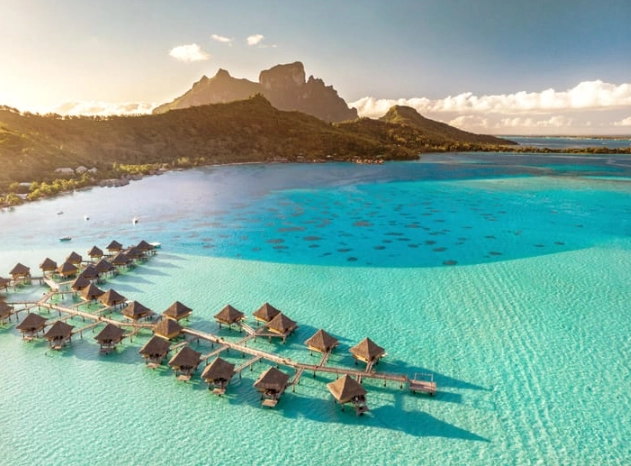
Expect to budget anywhere from $1,200 to $2,500+ per person for economy class from North America, depending on the season. Peak season (June-August, December) is brutal. Shoulder seasons (April-May, September-October) are your friends.
Where You Lay Your Head: The Accommodation Spectrum
This is where the answer to "Is Tahiti cheap or expensive?" diverges wildly. Your choice of bed will define your budget more than anything else.
| Accommodation Type | What You Get | Price Range (Per Night) | Best For... |
|---|---|---|---|
| Luxury Resort (Overwater Bungalow) | The postcard dream. Private deck, glass floor, direct lagoon access, top service. | $800 - $2,500+ | Honeymoons, splurges, bucket-list ticks. |
| Luxury Resort (Garden/Beach Villa) | Same resort amenities, but on land. Often stunningly beautiful. | $500 - $1,200 | Luxury seekers wanting relative "value." |
| Mid-Range Hotel/Guesthouse | Clean, comfortable, often family-run. May have a pool, breakfast included. Usually not beachfront. | $150 - $350 | Travelers who prioritize exploring over resort life. |
| Pension (Family Guesthouse) | The local secret. Simple rooms, often with shared facilities. Home-cooked meals (optional). Incredible local immersion. | $80 - $200 | Budget travelers, backpackers, culture seekers. |
| Airbnb/Vacation Rental | Full apartments or houses. Kitchen access is a huge money-saver. | $100 - $400 | Families, groups, long-term stays, self-caterers. |
See the spread? You can spend more on one night in an overwater bungalow than some people spend on a two-week vacation elsewhere. Personally, I think the overwater bungalow is a phenomenal experience—once. Is it worth it? For a special occasion, absolutely. For every trip? Probably not. I've had some of my most memorable stays in family-run pensions, where the host's stories were worth more than any minibar.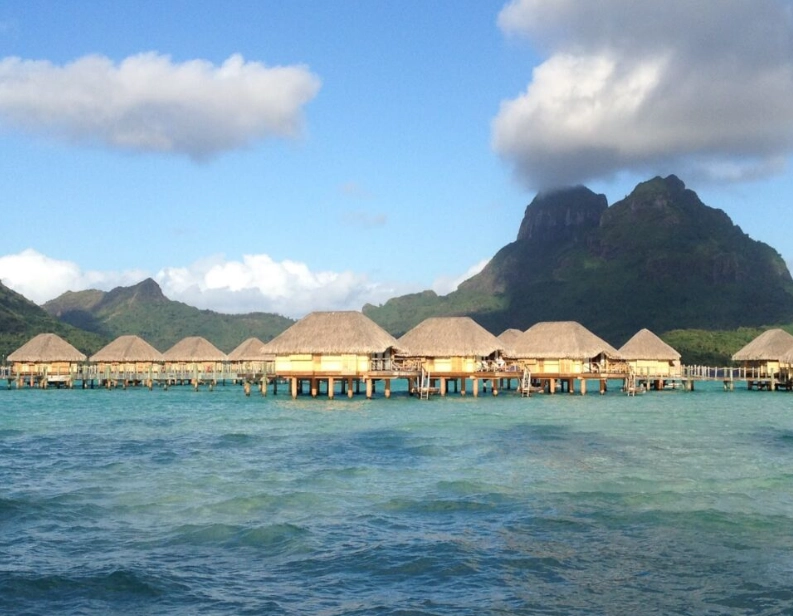
Daily Life Costs: Food, Drink, and Getting Around
You've arrived. Now, how much does it cost to just... exist in paradise? This is where daily budgets can balloon if you're not careful.
Eating and Drinking: From Food Trucks to Fine Dining
Food is a major expense. A simple sit-down lunch at a casual restaurant can easily be $25-$40 per person for a main course and a drink. Dinner at a nice restaurant? $50-$100 per person, without going crazy on wine.
But there are ways to eat well without going bankrupt.
- Roulottes (Food Trucks): Your best budget friend. These gather in towns like Papeete in the evenings. You can get a massive portion of grilled fish, fries, and rice for $10-$15. It's fresh, delicious, and where the locals eat.
- Supermarkets: A visit to a Champion or Carrefour supermarket is an eye-opener. Imported goods (cheese, wine, snacks) are pricey. But local produce—like juicy pineapples, sweet bananas, and fresh bread—can be reasonable. Self-catering, even for just breakfast and lunch, is the single biggest way to control your food budget.
- Pension Meal Plans: Many guesthouses offer demi-pension (breakfast & dinner) or pension complete (all meals). For around $30-$50 per person per day, this can be fantastic value and a way to try authentic home-cooked Polynesian food.
Let's be real. The price of a bottle of water is a good indicator of the cost of living. A bottle of water might cost $2.50, but a fancy meal could be $100. It all depends on what you're looking for.
Now, let's talk about activities. This is where you can really see the difference between a budget trip and a luxury one.
Activities and Tours: The Price of Adventure
Guided tours and activities can add up quickly. A half-day snorkeling tour might cost $80-$150 per person. A full-day excursion to a remote island, including lunch, could be $200-$300. If you're on a tight budget, consider free activities like hiking, swimming at public beaches, or simply exploring on your own. But if you want the full experience, you'll need to budget for it.
Frequently Asked Questions About Tahiti Travel Costs
Let's tackle some common questions that pop up when people are trying to figure out if Tahiti is cheap or expensive for their vacation.
What is the cheapest time to visit Tahiti?
The low season (November to April, excluding holiday periods) generally offers the best deals on flights and accommodations. However, this is also the rainy season, so you trade lower prices for a higher chance of showers. Shoulder seasons (April-May and September-October) often provide a good balance of decent weather and moderate prices.
Can I visit Tahiti on a budget?
Yes, absolutely. It requires planning and compromise. Stay in pensions or vacation rentals, eat at roulottes and self-cater, use public ferries (the Port of Papeete website is essential for schedules), focus on free activities like hiking and beach time, and limit paid tours. It's a different experience from the resort bubble, but many find it more rewarding.
Is it safe to drink the tap water in Tahiti?
According to the CDC's travel health notice for French Polynesia, it's generally not recommended. Stick to bottled or filtered water to avoid stomach issues that could ruin your trip and incur unexpected medical costs.
Do I need to speak French?
It helps, especially in local markets and pensions, but in tourist areas, English is widely understood. A smile and a few basic phrases go a long way.
How much should I budget per day?
This is the million-dollar question (or perhaps the $300-per-day question). Here's a brutally honest breakdown:
- Budget Traveler: $75-$150 per day. This means pension stay, self-catering or roulotte meals, public transport, and mostly free activities.
- Mid-Range Traveler: $200-$400 per day. Comfortable guesthouse or budget hotel, mix of cheap eats and the occasional nice dinner, rental scooter for exploration, a few paid tours.
- Luxury Traveler: $600-$1,200+ per day. Resort life, fine dining, private tours, overwater bungalows, and the iconic "Tahiti" experience.
So, there you have it.
The final truth is that value is subjective. My most expensive trip to Tahiti was spent mostly within a resort compound. My cheapest trip involved a leaky bungalow, shared meals with a family, and a deeper connection to the place. Which was more valuable? The second one, by a mile. But the first one had better shower pressure.
Don't let the fear of "Is Tahiti cheap or expensive?" paralyze you. Define what paradise means to you, budget accordingly, and go. The memories, like the lagoon, will be priceless.

Comments
Join the discussion